Humanitarian giving: how can you be sure your money gets where it's needed?
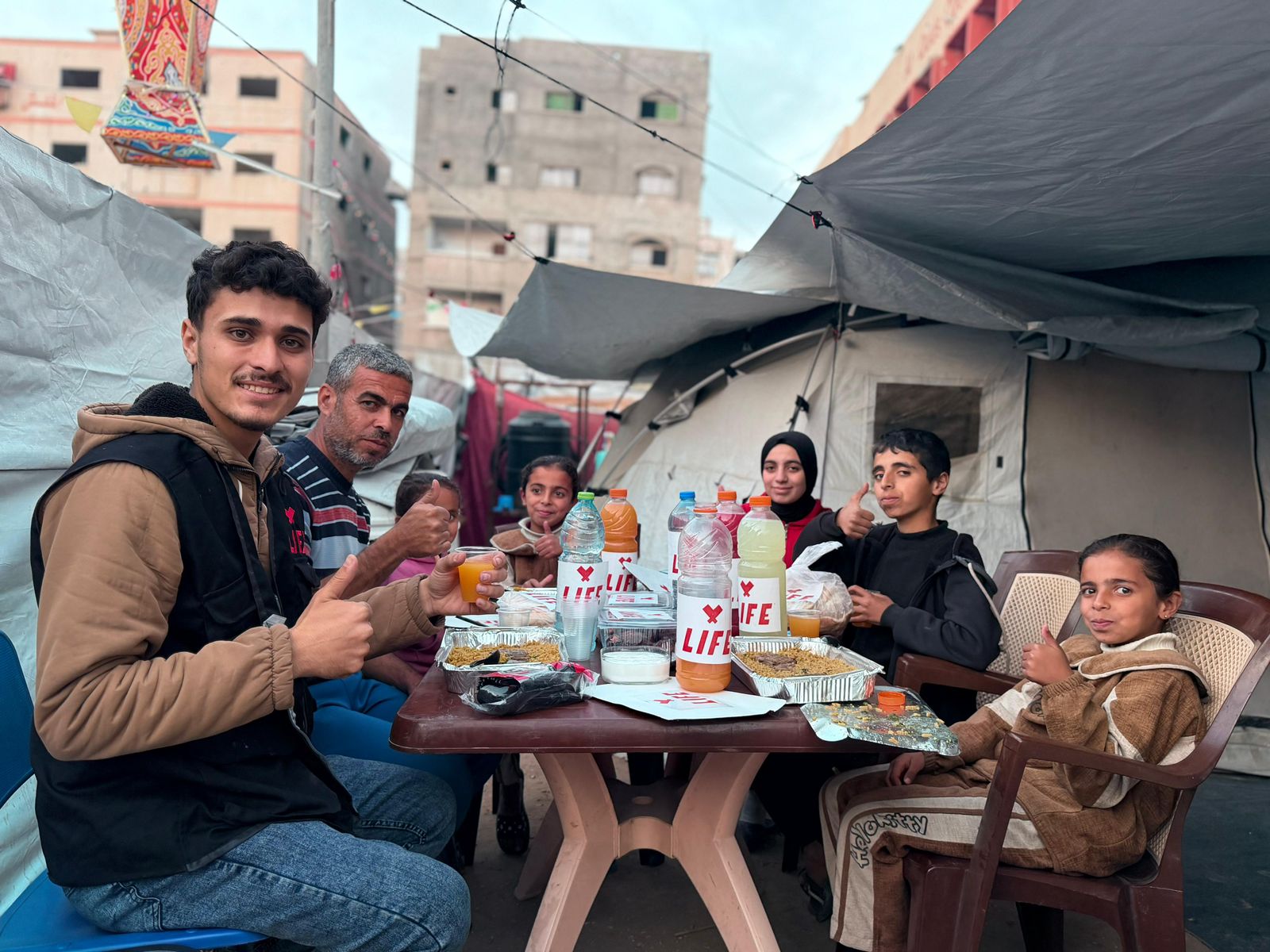
In brief
- Checking whether an NGO is trustworthy takes less than 10 minutes. The tools are free and open to everyone.
- The ratio of social missions to total budget is the most concrete figure to look at first.
- The Don en Confiance and IDEAS labels certify rigorous, independent checks.
- Membership of Coordination SUD or CHD is a strong sign of credibility in the field.
- LIFE publishes its annual accounts in full and opens its missions to independent volunteers.
Every year, millions of people in France donate to a humanitarian charity. Yet according to the 2025 Trust Barometer published by Don en Confiance, only 58% of donors consider it important to be able to trace their donations. Even fewer take the time to check.
It isn't a question of distrust. It's simply that the right habits aren't always well known.
What makes a humanitarian donation reliable?
A donation can be considered reliable when three conditions are met: the organisation is legally recognised, its finances can be verified, and most of the funds raised genuinely pay for projects on the ground rather than administrative costs.
This standard is far from out of reach. Many French NGOs meet it rigorously. If you'd first like to know exactly what an NGO is and how it differs from a charity, our definition guide explains everything. But some scams, rare but real, exploit the public's generosity during high-profile crises.
NGO, association, foundation: how do you tell them apart?
In France, most humanitarian organisations are associations governed by the 1901 law and registered with the prefecture. Some are recognised as being of public utility, a status granted by decree that signals a long track record and a rigour acknowledged by the State.
An association without an RNA number (National Register of Associations) or unable to provide a tax receipt should put you on your guard.
Check before you give
Is the organisation properly registered on the national register of associations? It's free and takes 30 seconds.
How can you check that an NGO is using your donations properly?
This is the most objective criterion, and the easiest to check. A reputable NGO publishes its annual accounts and has them audited by an independent professional.
Who audits an NGO's accounts in France?
In France, any association receiving more than €153,000 in donations eligible for tax benefits must have its accounts certified by a statutory auditor. This professional bears civil and criminal liability, and does not certify rough figures.
At LIFE, the accounts go through a double validation: first by a statutory auditor, then by a General Assembly made up of founding members, volunteers and donors. It's an approach that goes beyond what the law requires.
The two figures to check in just 2 minutes
Two ratios are enough for a quick first look:
- Social missions / total budget ratio: below 70%, ask questions.
- Running costs / total budget ratio: the lower, the better.
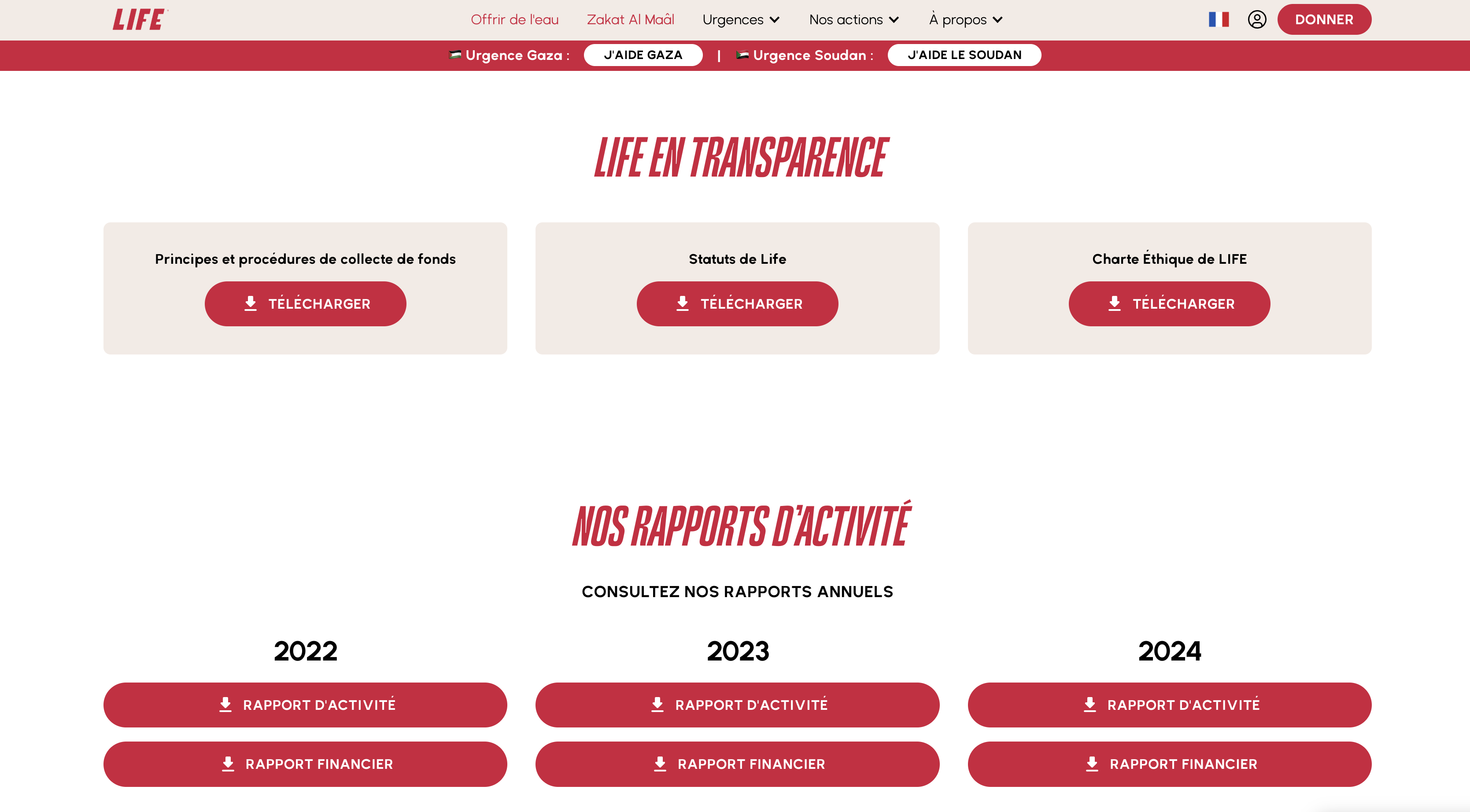
LIFE's accounts can be viewed directly at life-ong.org/a-propos/rapports, as well as in the JOAFE (the French Official Journal of Associations), so you can cross-check sources.
Which labels guarantee that an NGO is reputable?
Two labels are the benchmark in France: Don en Confiance and IDEAS. They don't guarantee effectiveness on the ground, but they certify that internal practices are subject to independent checks.
Don en Confiance: what does it actually mean?
Founded in 1989, Don en Confiance had awarded its label to around a hundred French organisations as of 2025. To obtain it, an association goes through a review process led by independent volunteers that can last up to a year. The label is renewable every three years and can be withdrawn at any time if a serious breach is found.
What the charter requires in practice:
- Leaders who act selflessly
- Communication that respects beneficiaries
- Resources genuinely allocated to missions
- Full transparency on activities and how they are funded
The IDEAS label: going even further
IDEAS goes further in assessing governance and concrete results. Its audit covers strategy and the measurement of real impact on the ground. The two labels complement each other: a labelled NGO agrees to be looked at closely. That in itself tells you something.
Is the NGO recognised by others in the sector?
Coordination SUD brings together France's leading international solidarity NGOs and requires its members to follow a code of ethics. Coordination Humanitaire et Développement (CHD) plays a similar role for faith-based or community organisations.
LIFE joined both networks in 2023. It's external validation by peers in the sector, comparable to a professional accreditation.
To choose the right humanitarian charity, checking these memberships takes two minutes on the NGO's website or on the Coordination SUD register.
How can you find out what the NGO really does on the ground?
Beyond the figures, some NGOs have developed practices that let you follow how funds are used almost first-hand.
What does a good impact report look like?
A good activity report doesn't just say "X people helped". It details the projects carried out, the countries involved, the local partners taking part and the measurable results achieved.
Donors now expect tangible proof, not statements of intent. That's the direction the whole sector is taking.
Can you see for yourself how donations are used?
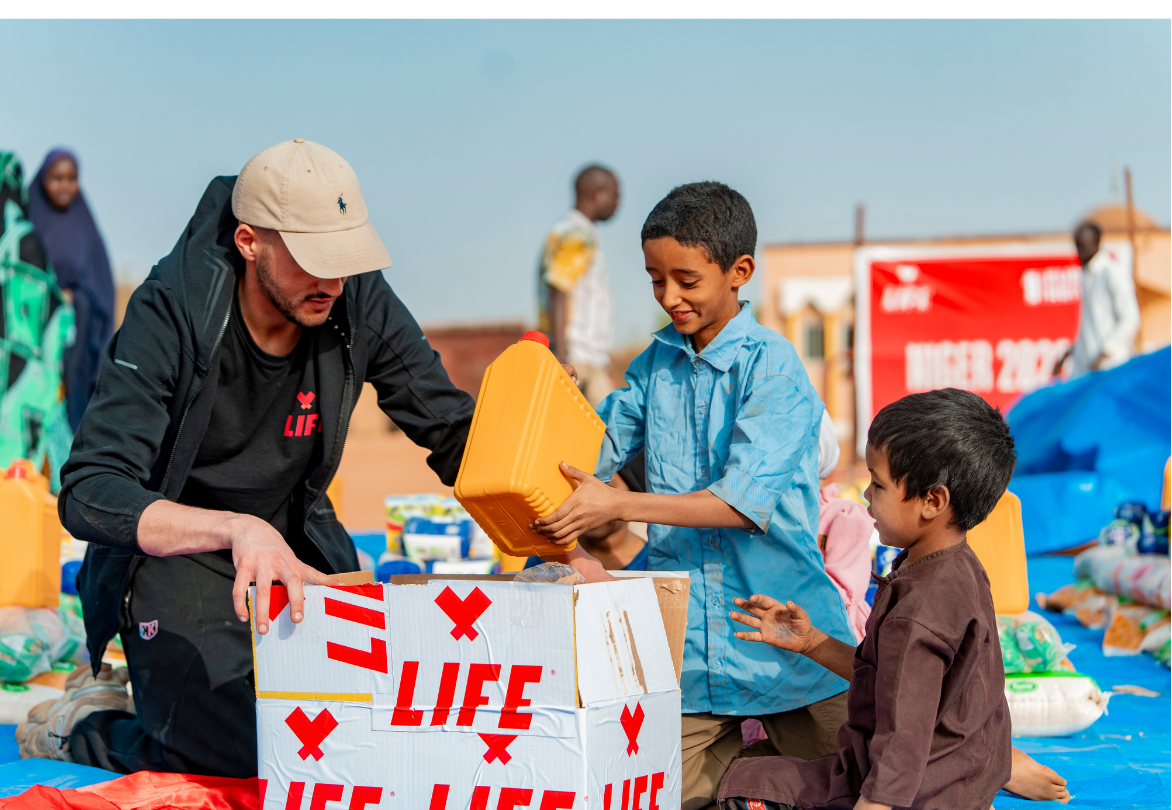
Some NGOs invite volunteers to attend distributions on the ground. LIFE has been doing this for several years, particularly during Ramadan: independent volunteers open the parcels, meet the beneficiaries, film and report back to donors.
This level of transparency is rare in the French humanitarian sector.
To find out more, LIFE's founding treasurer answers the 6 questions donors ask most himself. And if you have a specific question about your donation or how it's used, LIFE's donor relations team is on hand to answer you directly. To go further still, our guide NGO transparency: how to check how your donations are used gives you all the practical tools. And if you're looking for a simple 5-step method to assess any NGO, our guide Giving to an NGO: 5 criteria for choosing a reputable charity offers a complete framework.
Warning signs that should make you steer clear of an NGO
A few situations deserve attention before you confirm a donation:
- Refusal to provide a tax receipt
- A website without clear legal information (registered office, association number, contact details)
- Artificial urgency ("give within 24 hours or the funds will be lost")
- No published annual accounts
- Evasive answers to donors' questions
The rule to remember
A reputable organisation answers your questions. If it dodges them or makes its accounts hard to access, that's a clear signal.
Ready to give? Here's how to do it safely
Checking whether an NGO is trustworthy takes no more than ten minutes. Looking up the accounts in the JOAFE, checking for the Don en Confiance label, confirming membership of Coordination SUD: these are simple habits anyone can adopt.
An informed donation is worth more: for the donor who knows where their money goes, and for the NGO that earns the trust of a clear-sighted, committed supporter.
LIFE devotes more than 85% of its funds to field missions in the 25 countries where it works. Its activity reports and annual accounts are published in full. And if you're wondering how much your donation really costs you after French tax relief, our complete guide to tax relief on donations in 2026 gives you all the figures. A donation of €100 may cost you as little as €25. If you'd like to go further by passing on part of your estate, our guide to legacies and gifts to an NGO explains how to do it simply. And if you'd rather give your time than your money, find out how to get involved in humanitarian volunteering in France.
Want to make a reliable, traceable donation?
Choose the cause closest to your heart and contribute directly. Every euro is tracked. Every mission is documented.
Discover LIFE →Frequently asked questions
How can I check that an NGO is recognised as being of general interest?
Visit the national register of associations (RNA) on data.gouv.fr or consult the Official Journal of Associations. Recognition of public utility is granted by decree and appears in the organisation's official statutes.
What percentage of a donation should go to field missions?
There is no legal threshold, but most people in the sector consider that a reputable NGO devotes at least 70% of its resources to its social missions. Below that, running or fundraising costs are disproportionate.
Is the Don en Confiance label compulsory?
No, the label is voluntary. But an organisation that applies for and obtains it is accepting independent, ongoing scrutiny of its practices. That's a strong signal of transparency.
How do I know if my donation is tax-deductible?
The organisation must be recognised as being of general interest and authorised to receive donations eligible for French tax relief. It must send you a tax receipt (Cerfa form) after your donation. Without this receipt, no deduction is possible.
Can you trust a small, little-known NGO?
Size is no measure of reliability. A small organisation can be every bit as rigorous as a large one, provided it publishes its accounts, is registered and answers your questions clearly.
Ready to help?
I start a fundraiser
Support the causes close to your heart by starting an online fundraiser with LIFE.
Raising funds for a charity has never been easier!