NGO transparency: how to check how your donations are used
At a glance
- For people in France, doubt about how funds are used is the biggest barrier to giving, ahead of a lack of money.
- LIFE publishes its annual accounts openly and devotes more than 85% of its resources to its field missions.
- Five things let you check an NGO's transparency: published accounts, the social mission ratio, an independent label, an impact report and a presence on the ground.
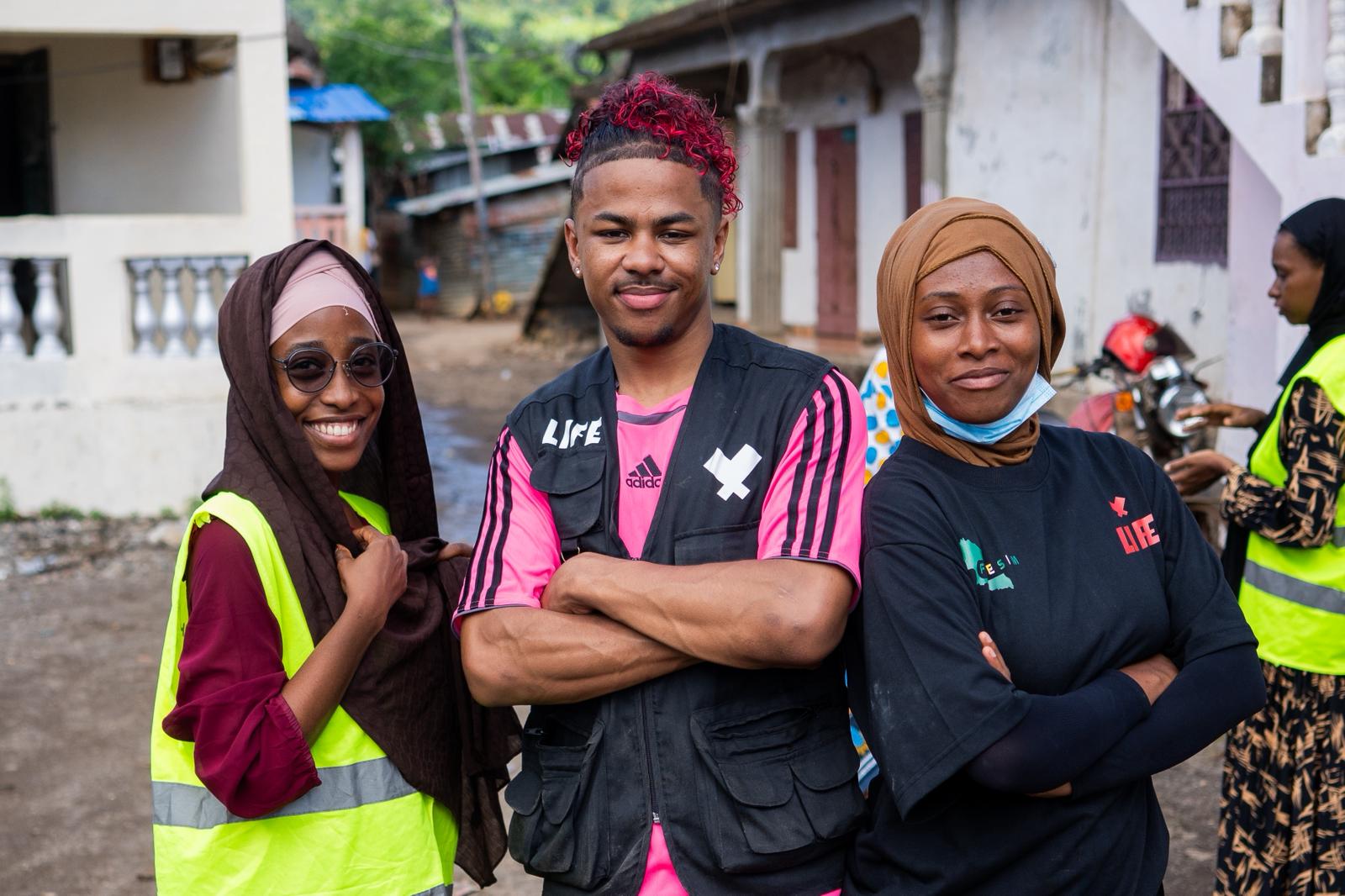
- LIFE goes beyond what the law requires by inviting volunteers to attend distributions on the ground in person.
- LIFE's donor relations team is on hand to answer all your questions about how funds are used.
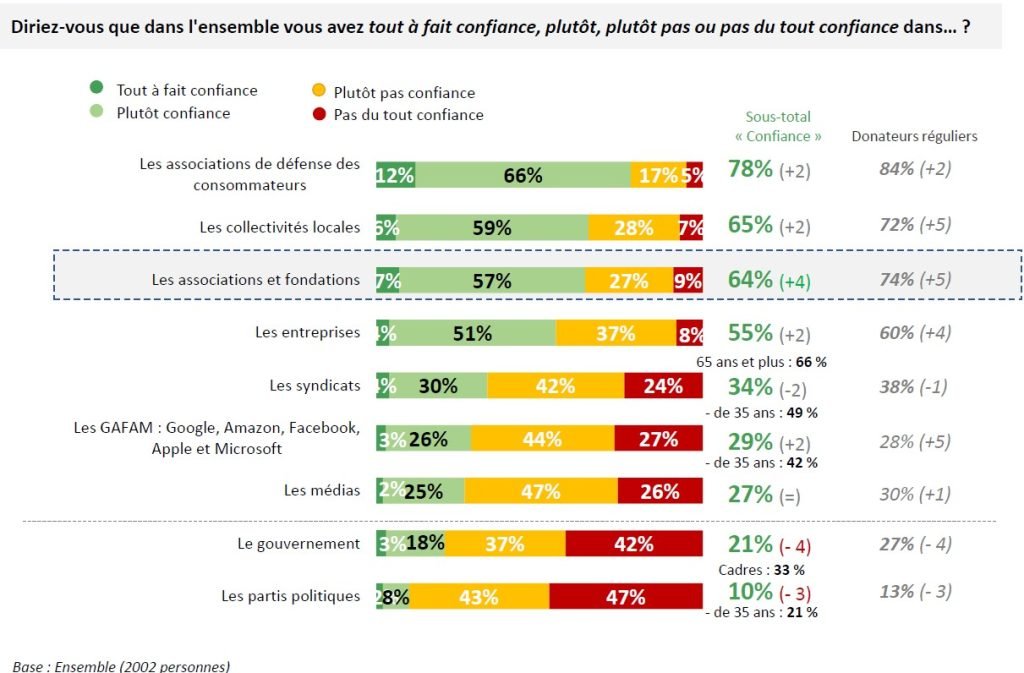
Your donation has gone. But where does it really end up? Millions of people in France ask themselves this before giving. According to the Barometer of Trust in Associations and Foundations published by Don en Confiance (a survey carried out by Institut Viavoice among 2,002 people representative of the French population), 65% of French people cite a lack of trust in how funds are used as the main barrier to giving, ahead of a lack of financial means.
It's a fair question. And the good news is that the tools to answer it exist, are easy to access and take less than ten minutes to use. This guide walks you through them, with LIFE as a concrete example at every step.
Why transparency has become the top issue for NGOs
Just twenty years ago, most donors gave on trust without checking. Several scandals in the humanitarian sector changed all that: mismanaged funds, excessive administrative costs, overpaid executives. Mistrust set in.
Today, donors want proof. Not promises, not attractive visuals on a website. Concrete, verifiable data, ideally certified by an independent third party.
Serious NGOs have understood this shift. They have adapted their communications, strengthened their controls and opened their data to public scrutiny. LIFE is one of them.
What donors actually expect
The Barometer of Trust (Don en Confiance / Institut Viavoice) identifies five main expectations, each cited by more than 60% of the donors surveyed:
- Traceability of donations: knowing exactly where the money goes
- Effective action: measurable results, not statements of intent
- Clear missions: consistency between what is communicated and what is delivered
- Independent oversight: an external audit or a recognised label
- Financial transparency: access to the accounts and management ratios
How to read an NGO's accounts in 5 minutes
This is the most reliable tool, and the most underused. When an NGO's annual accounts are published and certified, they tell you everything about how it manages your money.
Where to find LIFE's accounts
LIFE publishes its annual accounts openly at life-ong.org/a-propos/rapports. They are also available in the Journal Officiel des Associations et Fondations d'Entreprise (JOAFE), France's official gazette for associations and foundations. Two separate sources make any manipulation impossible.
The three figures to look at
There's no need to read 50 pages of financial statements. Three ratios are enough for a quick, reliable read:
| Ratio | What it measures | What to look for |
|---|---|---|
| Social missions / total budget | Share of funds that actually reach the field | More than 70% |
| Running costs / total budget | Share of administrative costs | Less than 15% |
| Fundraising costs / total budget | Share spent on raising funds | Less than 15% |
At LIFE, more than 85% of the resources raised go directly to field missions. Overheads are deliberately kept low to make every euro received go as far as possible.
Good to know
LIFE's accounts are certified every year by an independent statutory auditor, then approved by a General Assembly made up of founding members, volunteers and donors. This double check goes beyond what the law requires.
Transparency labels: what they really guarantee
A label isn't just decoration on a website. It's the outcome of an audit by an independent third party that has examined the NGO's practices and certified that they meet a set of strict criteria.
Which labels are recognised in France?
Two labels are the benchmark in the French humanitarian sector:
Don en Confiance: created in 1989, it certifies governance, sound management, quality of communication and financial transparency. Around 100 organisations hold the label. It is renewable every 3 years, with an independent controller permanently assigned to the organisation. According to Don en Confiance's own Barometer, 69% of French people place more trust in labelled organisations, and 68% would be more inclined to donate to them.
IDEAS: it goes further on impact measurement and strategic governance, and is generally aimed at larger organisations.
What these labels actually check
To obtain the Don en Confiance label, an association must prove that:
- Its leaders act without self-interest
- Its resources genuinely go to its missions
- Its communications respect beneficiaries and donors
- Its accounts are transparent and accessible
The impact report: evidence or claims?
Annual accounts tell you where the money goes. The impact report tells you what that money achieved. The two documents complement each other, and a serious NGO publishes both.
How to tell a genuine impact report from a marketing brochure
A credible impact report doesn't just say "X people helped". It sets out:
- The projects carried out, country by country
- The local partners involved and their role
- The measurable results achieved (wells built, meals distributed, children in school...)
- The objectives that weren't met, and why
That last point is especially telling. An NGO that acknowledges its limits and failures is a mature one that isn't trying to look good at any cost.
What LIFE publishes
Every year LIFE produces a detailed activity report, available at life-ong.org/a-propos/rapports. It covers all 25 countries where we work, with precise data on each programme. LIFE's donor relations team can talk you through it if anything seems unclear.
Transparency on the ground: seeing for yourself
Figures and reports are good. Seeing with your own eyes is even better. It's one of the rarest and most meaningful practices in the humanitarian sector.
Volunteers as witnesses on the ground
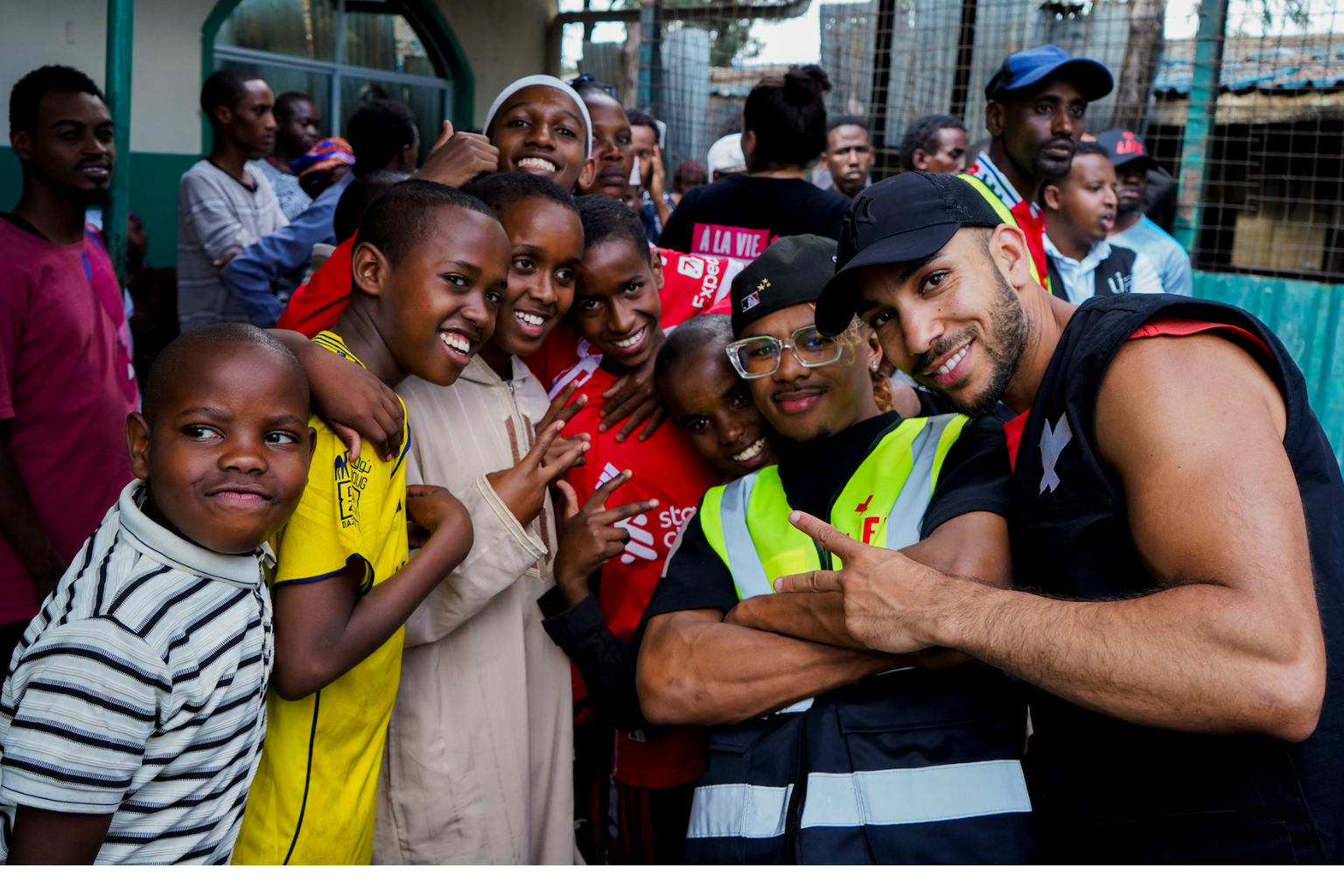
LIFE regularly invites volunteers and donors to join its field missions, particularly during the major Ramadan operations. These independent volunteers open the parcels, check what's inside, meet the beneficiaries, film, and then report back to the donor community.
This offers an unrivalled guarantee of transparency: no document can replace the testimony of someone on the ground, unconnected to the NGO, confirming that the distributions really took place.
GPS tracking of operations
For some operations, LIFE has also introduced a GPS tracking system that lets donors see exactly when and where their donation was distributed. It's a rare innovation in the sector, taking traceability to its most concrete level.
Summary: how LIFE meets the 5 transparency expectations
| Donor expectation | What LIFE does |
|---|---|
| Traceability of donations | GPS tracking on some operations, detailed country reports |
| Effective action | Annual impact report with measurable results |
| Clear missions | Website, reports and an available donor relations team |
| Independent oversight | Statutory auditor + General Assembly + Coordination SUD and CHD networks |
| Financial transparency | Accounts openly published, 85% spent on social missions |
To find out more about what makes an NGO trustworthy, our guide Giving to an NGO: 5 criteria for choosing a reputable charity gives you a complete method. And to understand how French tax relief applies to donations to LIFE, our guide to tax relief on donations explains everything.
Want to support an NGO where you can check every euro?
Published accounts. An accessible impact report. A donor relations team ready to answer all your questions.
Donate →Frequently asked questions
How can I tell whether my donation to LIFE is being used properly?
There are several ways: look at the annual accounts at life-ong.org/a-propos/rapports or in the JOAFE, read the annual impact report, which details projects country by country, and feel free to contact LIFE's donor relations team, who can answer any specific questions you have.
What percentage of my donation actually reaches the field at LIFE?
More than 85% of the funds LIFE raises go directly to field missions. Running and fundraising costs account for less than 15% of the total budget, a ratio in line with best practice in the French humanitarian sector.
Is LIFE audited by an independent body?
Yes. LIFE's accounts are certified every year by an independent statutory auditor, then approved at the General Assembly. LIFE is also a member of Coordination SUD and Coordination Humanitaire et Développement, two networks that require their members to follow codes of ethics.
Can you see how an NGO spends its money without being an accountant?
Yes. Three simple ratios are enough: the share of the budget spent on social missions (ideally more than 70%), running costs (ideally less than 15%) and fundraising costs (ideally less than 15%). These figures appear in the annual accounts, which any reputable association makes available free of charge online.
Why do some NGOs not publish their accounts?
Associations receiving less than €153,000 in donations a year are not legally required to publish their accounts. But a large humanitarian NGO that doesn't publish its accounts voluntarily is choosing opacity. That in itself is a warning sign, whatever its size.
Ready to help?
I start a fundraiser
Support the causes close to your heart by starting an online fundraiser with LIFE.
Raising funds for a charity has never been easier!