Give your Zakat al-Maal
Not sure who to give your Zakat al-Maal to?
Since it was founded in 2009, LIFE has collected this obligatory charity and distributed it to people in need in France and in many other countries, in keeping with the principles of Islamic tradition.
Humanitarian projects, emergency response, social programmes: with your Zakat al-Maal, you help build a better, fairer world.
WHAT IS ZAKAT AL-MAAL?
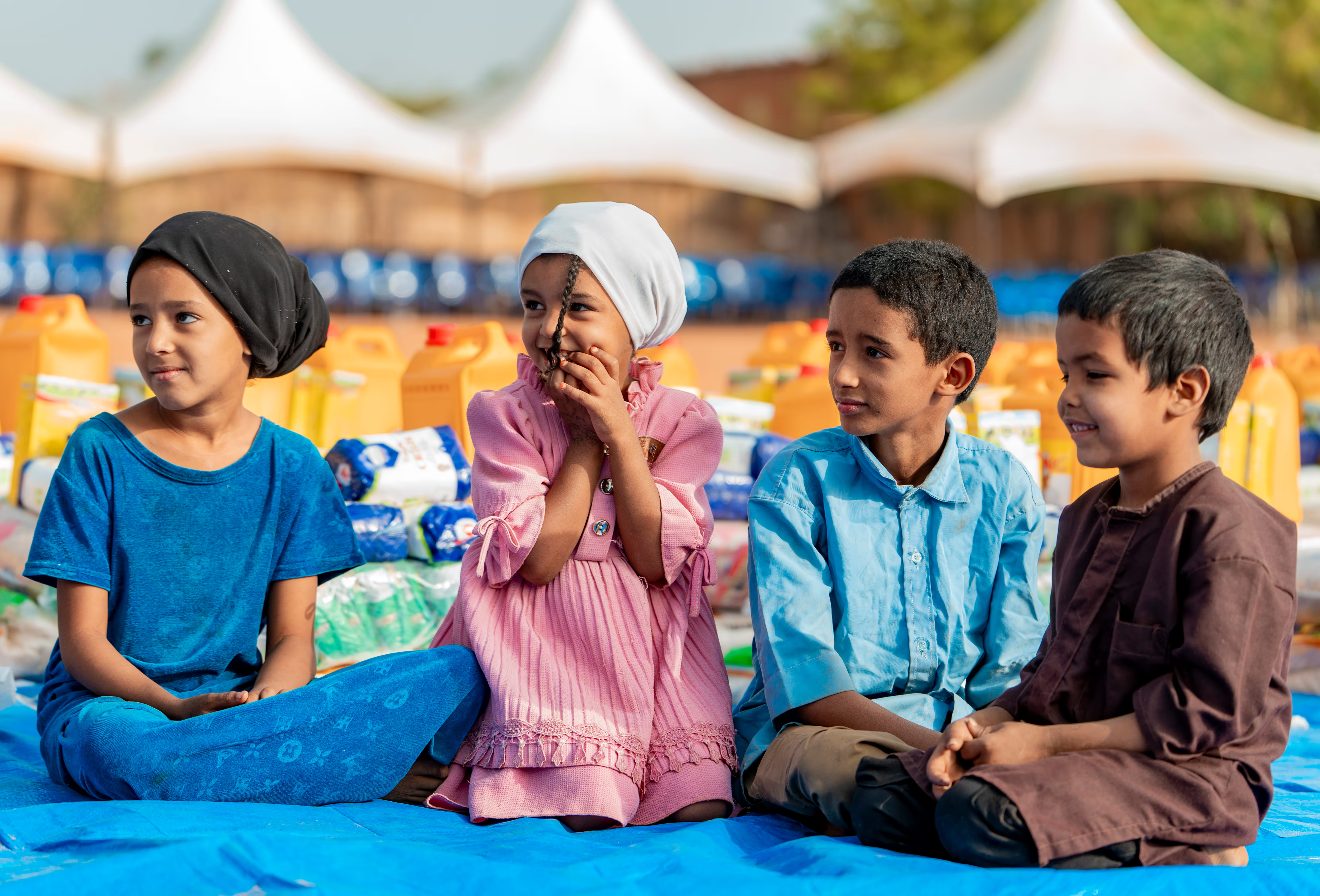
Zakat al-Maal is the third fundamental pillar of Islam. It is an obligatory charity intended to purify believers' wealth. Ordained by Allah, it requires every Muslim whose wealth exceeds a certain threshold, known as the « nisab », to give a share of their assets each year to those in need.
Zakat al-Maal is calculated as 2.5% of the savings or assets held over a full lunar year.
Muslims can fulfil this obligation by identifying people in need within their local community. They can also turn to an organisation, such as our NGO LIFE, that distributes it through practical action on the ground.
ZAKAT AL-MAAL: WHY ENTRUST IT TO US?
Placing your trust in LIFE means knowing your donation will be put to the best possible use for people in need.
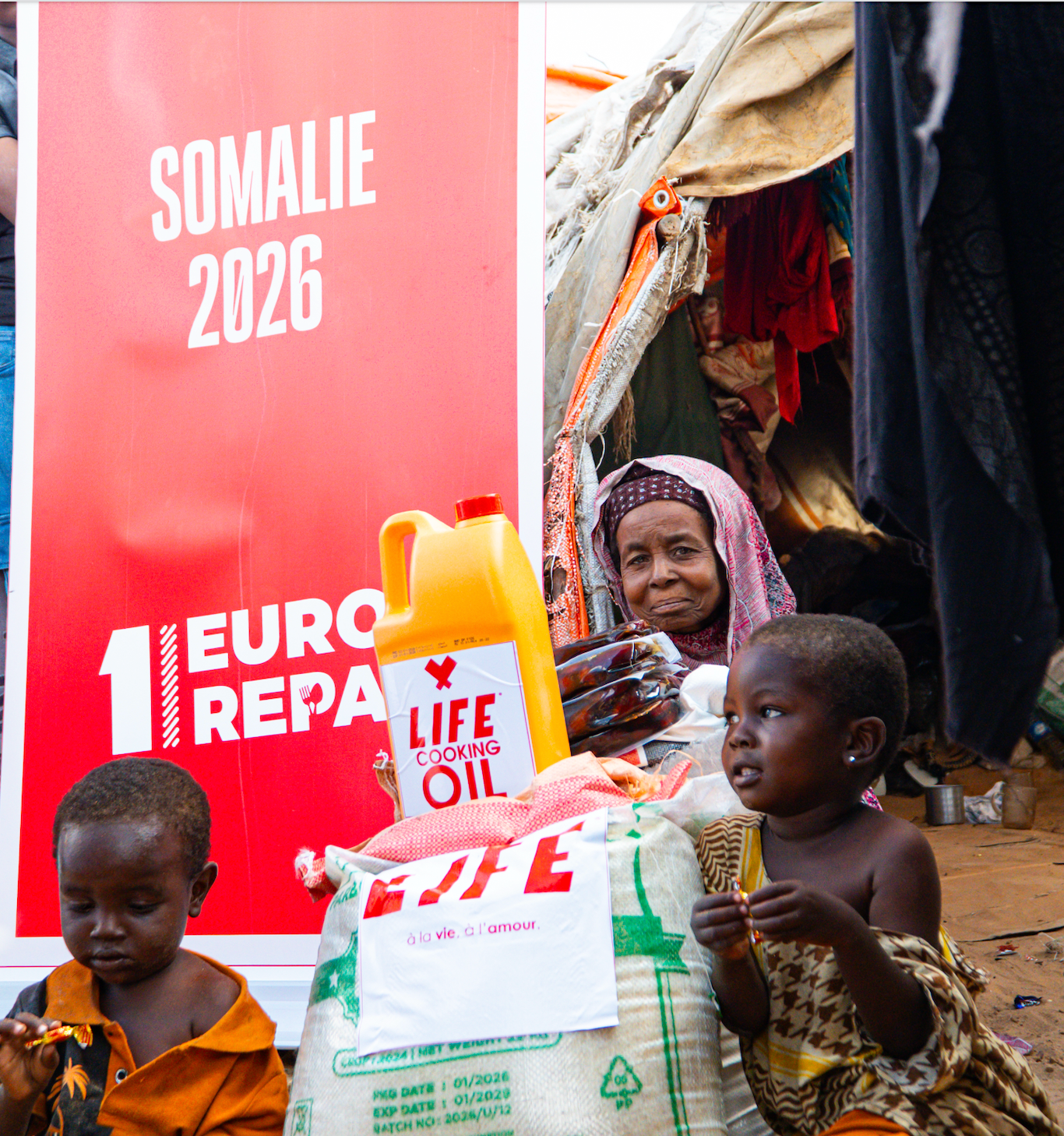
Our NGO constantly strives to maximise the impact of every contribution, ensuring transparency and effectiveness in everything we do. Thanks to your Zakat al-Maal, we have been able to develop many humanitarian projects in 25 countries, including in Africa (Morocco, Tunisia, Senegal, Niger, Mali, Somalia, etc.), Syria, Lebanon, Turkey, Madagascar, Bangladesh, Indonesia and Palestine.
All our work aims to tackle the consequences of multiple crises: wars, droughts and floods made worse by climate change, and socio-economic problems that deepen poverty. We run long-term programmes that help the people we support become self-reliant, as well as emergency responses.
For those who need it, in France and around the world, your Zakat al-Maal makes a real difference. If LIFE is able to act, it is thanks to you. Your generosity lets us plan and develop long-term projects and respond quickly to humanitarian crises.
Social development
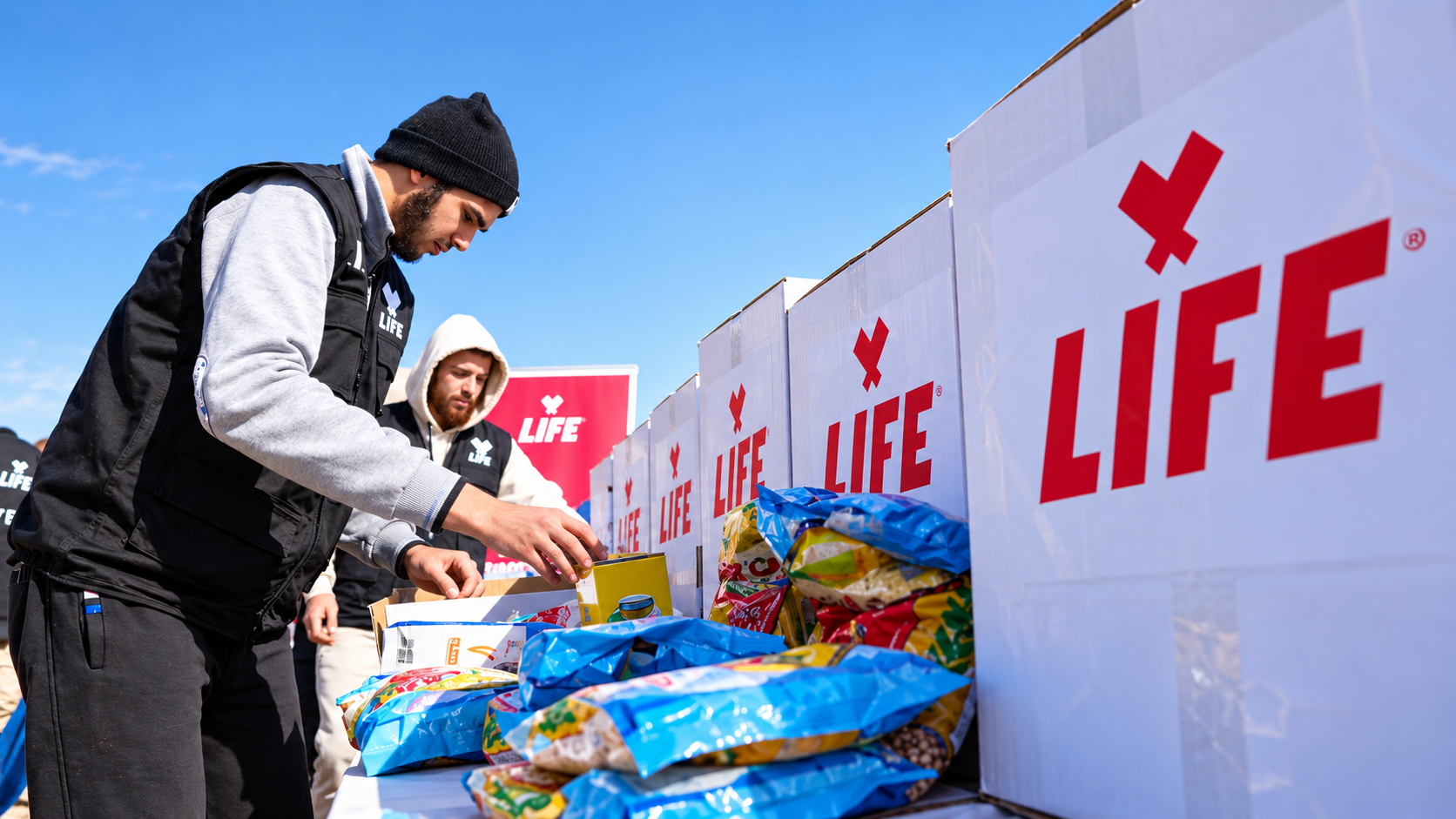
Building and renovating homes, financial or food aid (food parcels, creating vegetable gardens...). Food and financial assistance can be provided over several years, or as one-off support.
Education and Training
Buying school supplies (books, clothes, etc.), equipping schools, educational support, psychological support programmes... Literacy, information and digital inclusion programmes, and vocational training.
Economic Development
Providing raw materials to traders and farmers, and buying equipment to start an income-generating activity
Who benefits from your Zakat al-Maal?
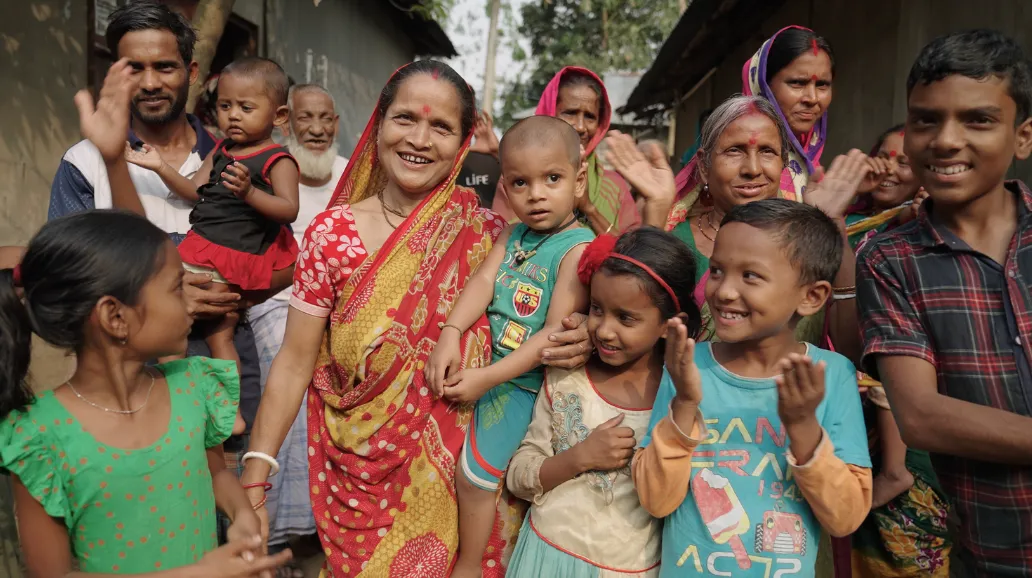
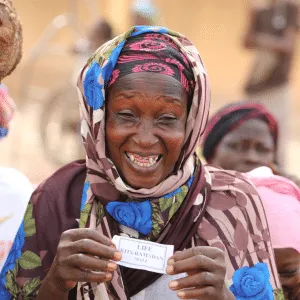
In France and in many countries such as Bangladesh, Palestine, Niger and Mali, LIFE supports millions of people. Whether living in poverty or marginalised, they are among those who can benefit from your Zakat al-Maal.
Your donation will help orphans, widows, women on their own, older people, homeless people and families in hardship. Displaced people and refugees fleeing armed conflict or natural disasters are also among those you will help.
Your Zakat al-Maal will allow LIFE to improve the daily lives of all these vulnerable people, quickly and for the long term.
« Alms are for the poor, the needy, those employed to collect them, those whose hearts are to be won over, the freeing of captives, those in debt, those striving in the cause of Allah, and travellers. »
(Qur'an, S.9 V.60)
How will my Zakat al-Maal be distributed?
Your contribution is more than one-off help: it is lasting support. Passing from you to us, it becomes a symbol of sharing and solidarity, and works to reduce inequality. Your Zakat al-Maal lets us change lives through economic, social and educational development projects.
What did your Zakat al-Maal achieve in 2022 and 2023?
Education and training
Buying school supplies (books, clothes, etc.), equipping schools, educational support, psychological support programmes… Literacy, information and digital inclusion programmes, and vocational training.
In Guinea, unemployment mainly affects women, who often have had no education because of poverty. To support them, LIFE launched a sewing training project in Conakry to improve the living conditions and self-reliance of 20 vulnerable, disadvantaged women. At the end of the course, they will receive a vocational qualification certificate, opening up new prospects. Thanks to you, these women can achieve economic independence through self-employment.
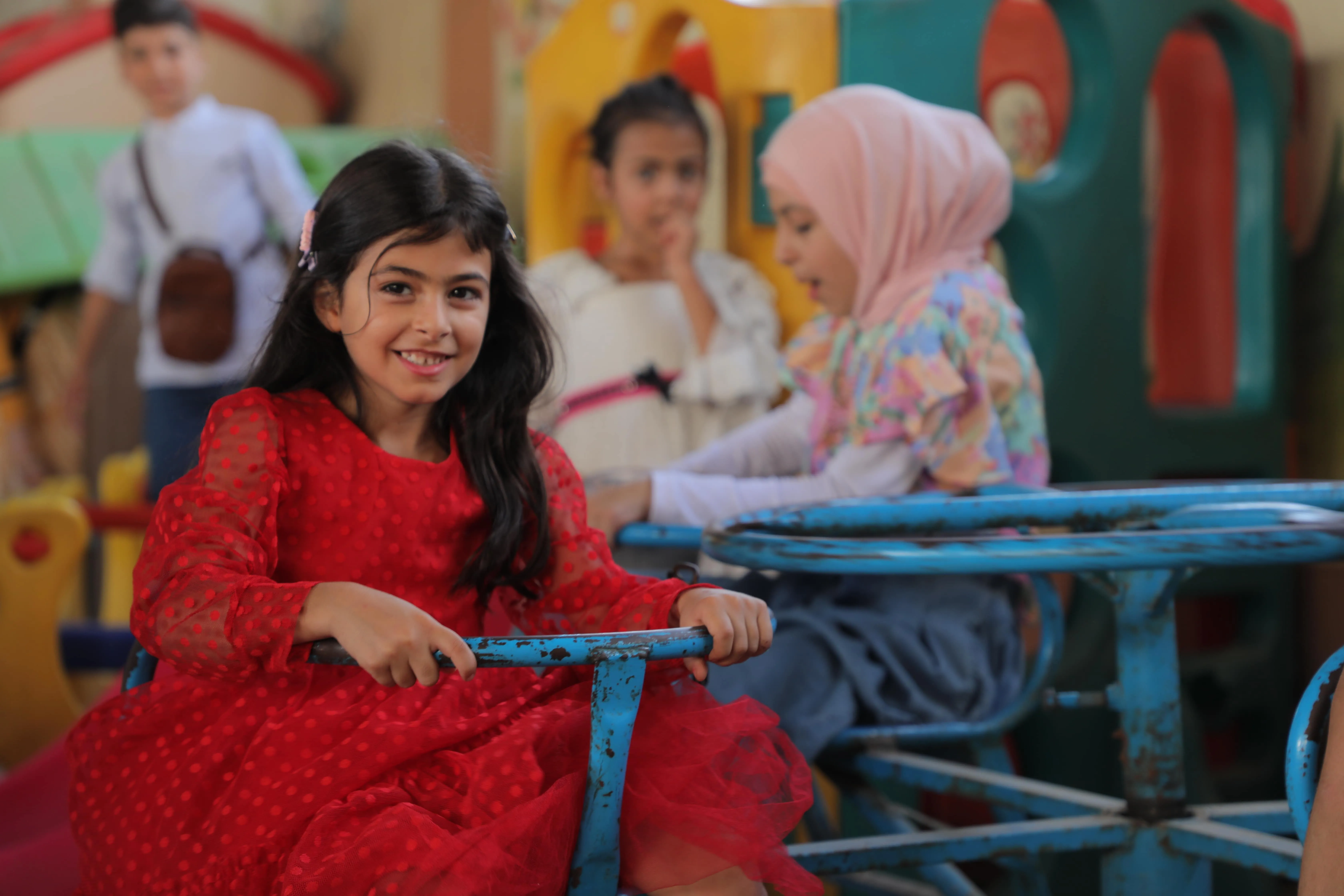
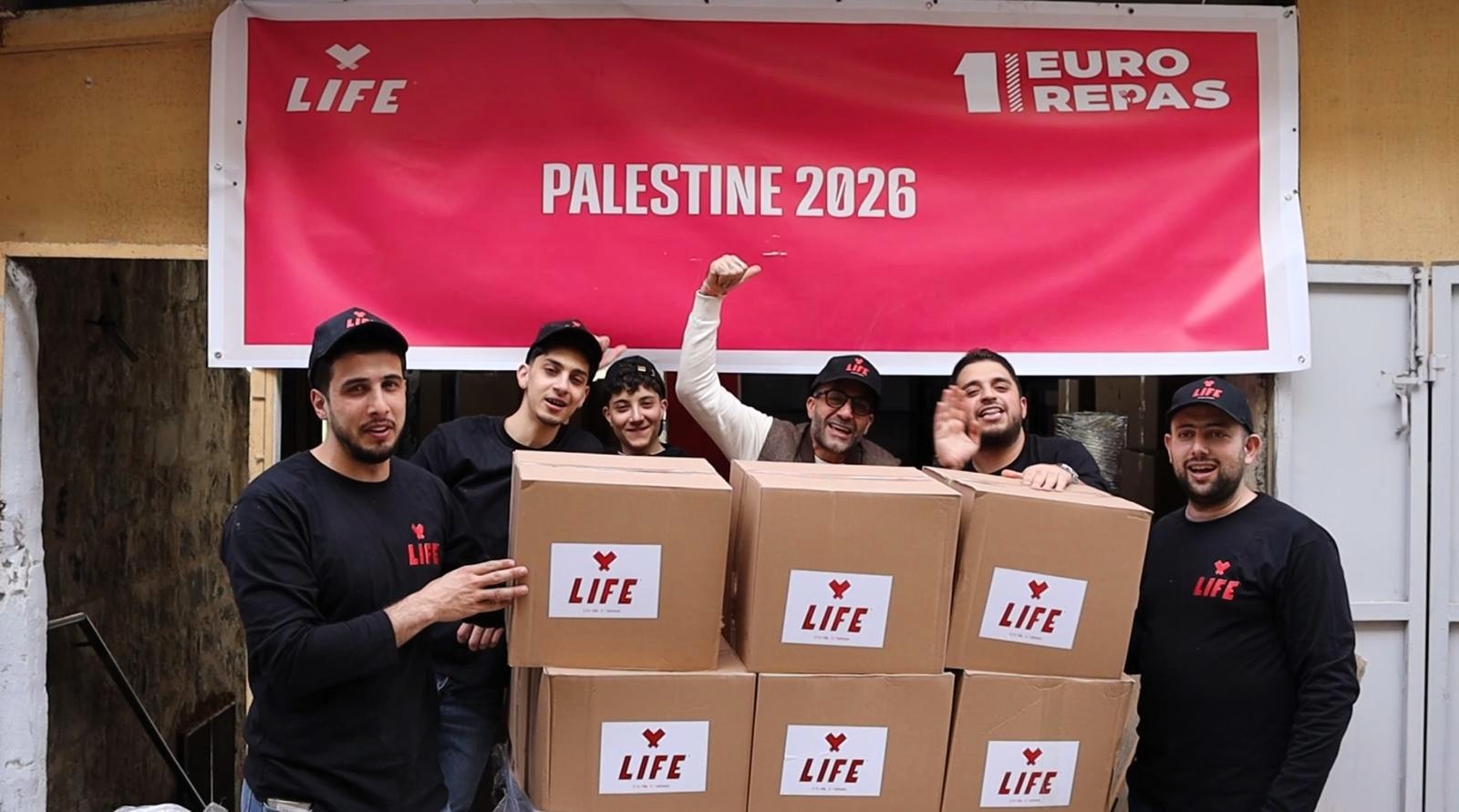
In Palestine, in Nablus, we launched a one-year project to improve access to education. 620 women, young people and children benefit directly, reaching 3,100 people in total. The programme includes:
→ Literacy classes for women and young people out of school.
→ Educational classes for children and young people who have dropped out. → Training for education staff in teaching and psychological support. → Psychological and educational activities for children.
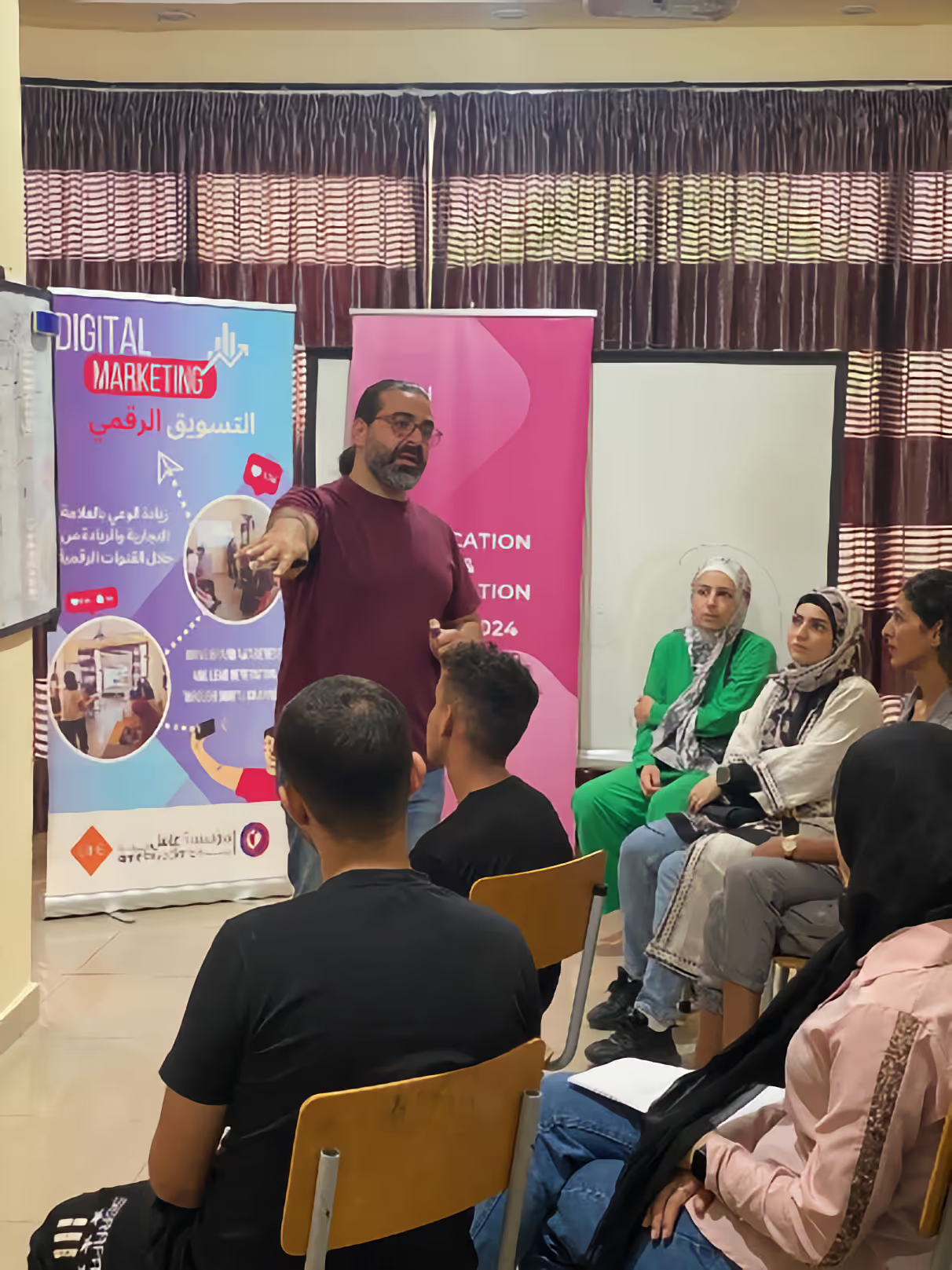
In Lebanon, in Beirut, thanks to your Zakat al-Maal, a digital training programme was set up for 100 young Lebanese people and Syrian refugees (aged 18-35). The certificate they earn will open the door to a better future they could never have hoped for without you!
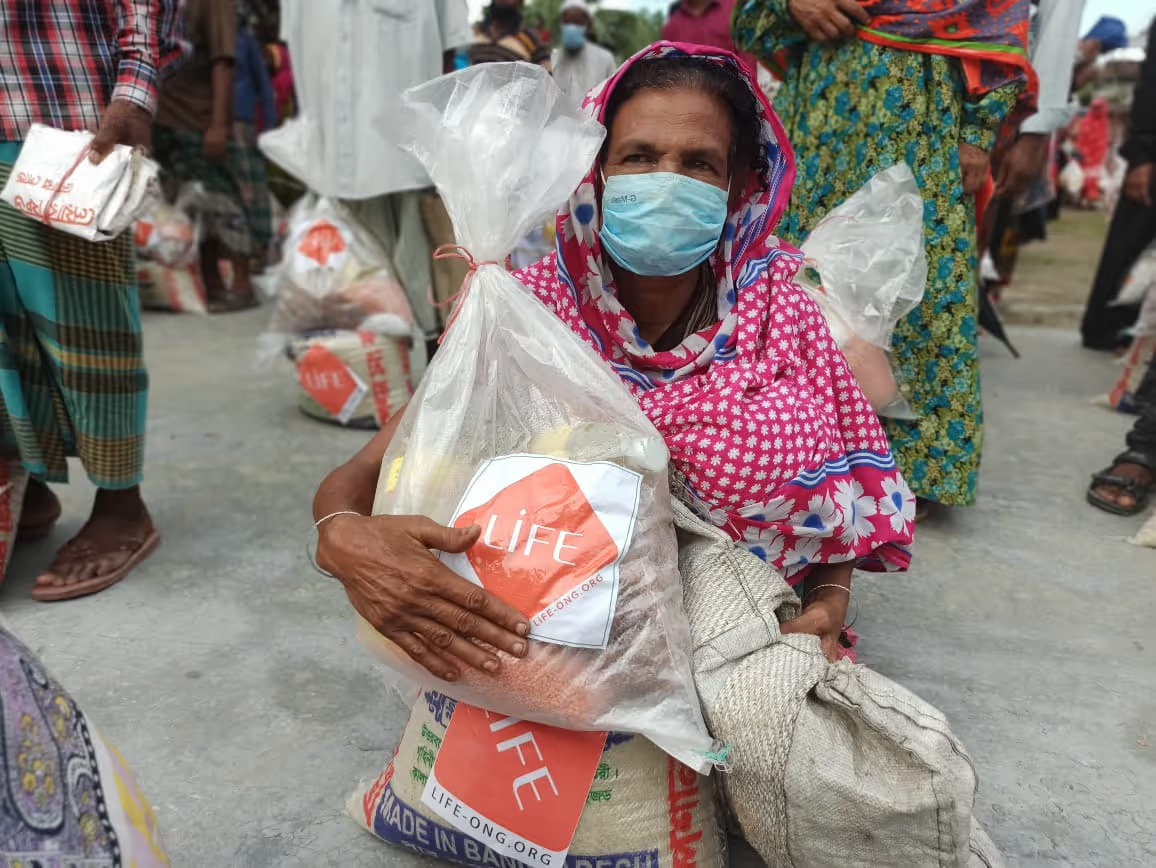
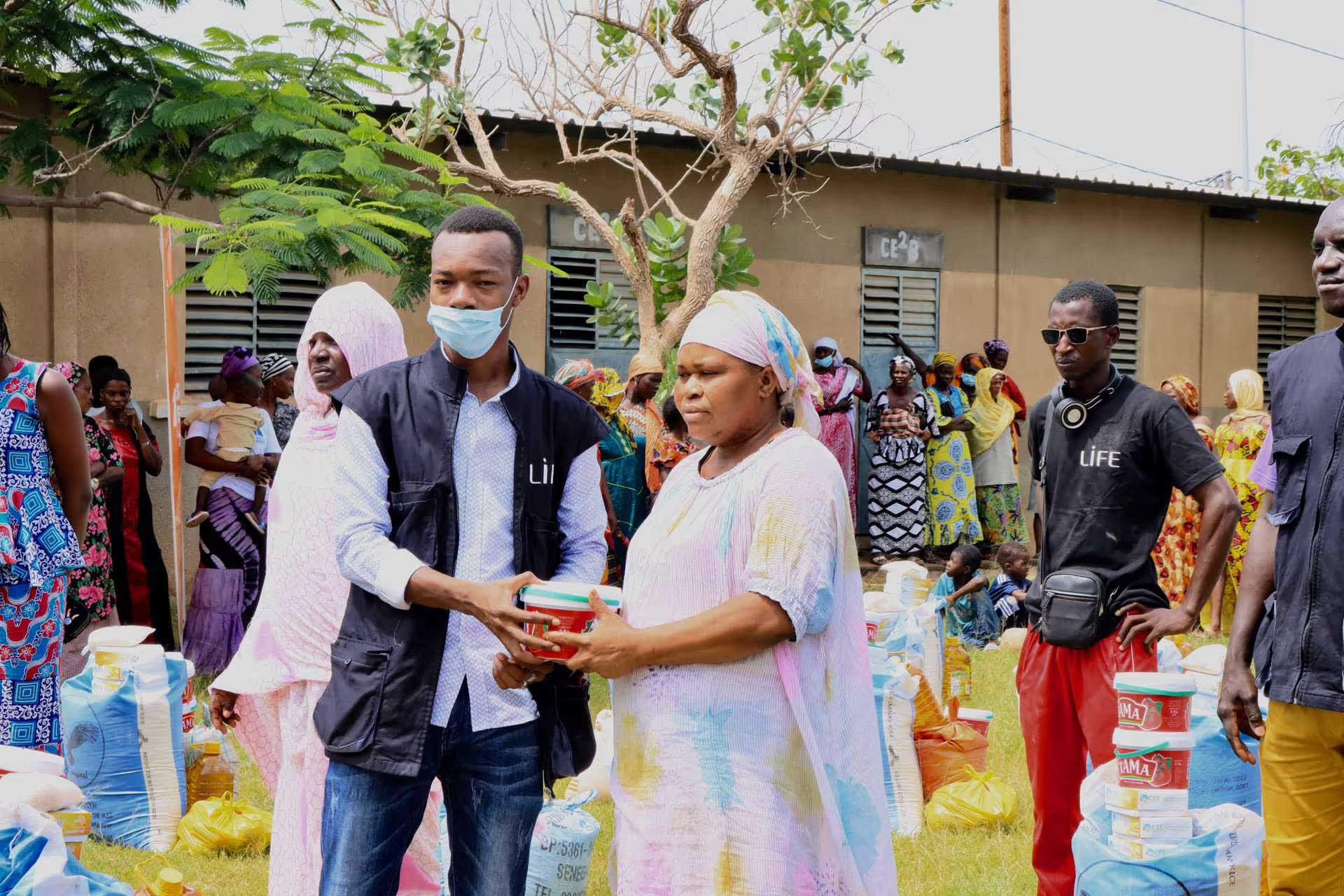
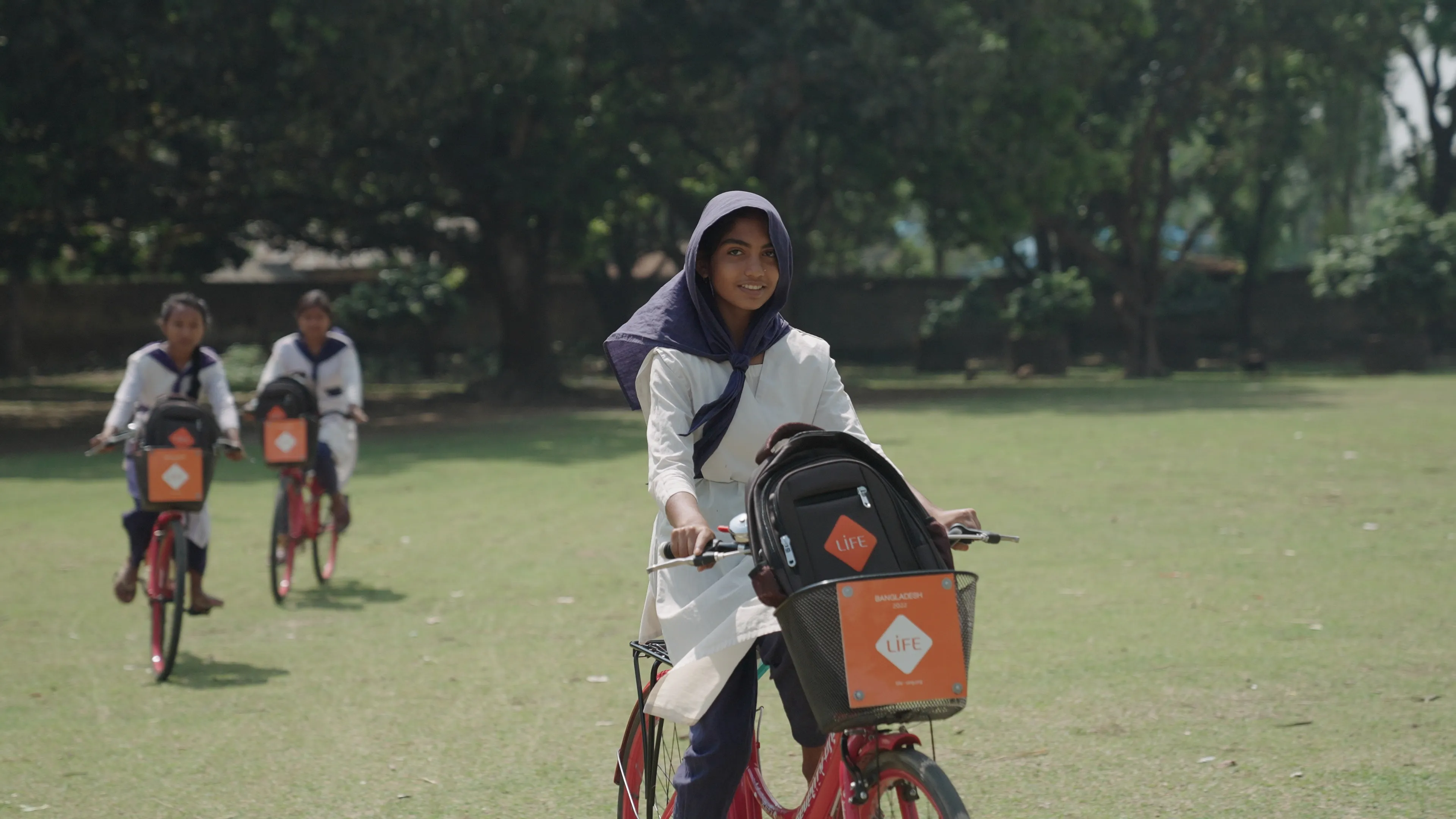
Thanks to your Zakat, in 2022 LIFE was able to provide emergency food aid after a natural disaster in Bangladesh, one of the countries most vulnerable to climate change. Record floods affected millions of people, leaving many families in distress. We provided food and hygiene items to 400 of them, or 2,250 people.
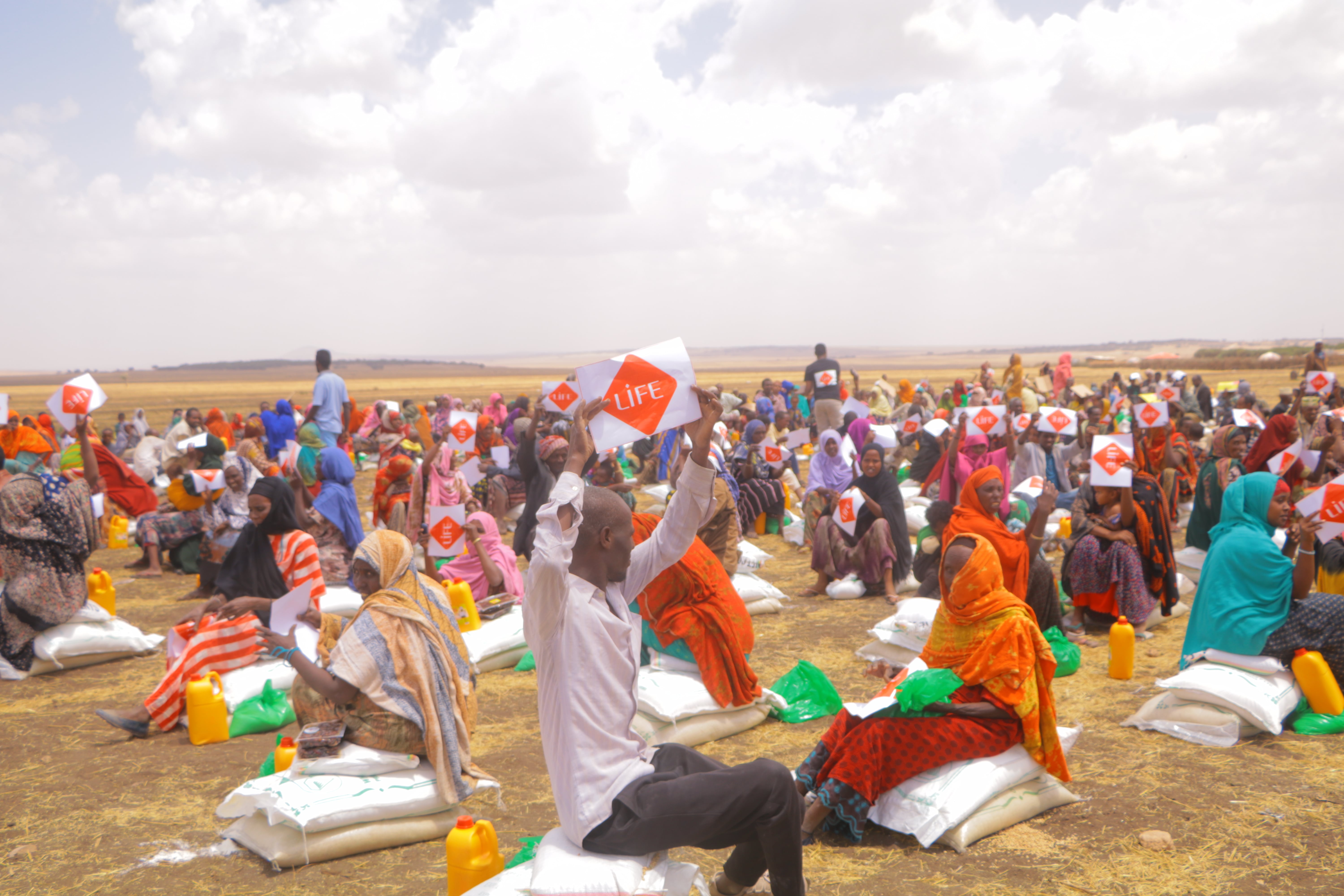
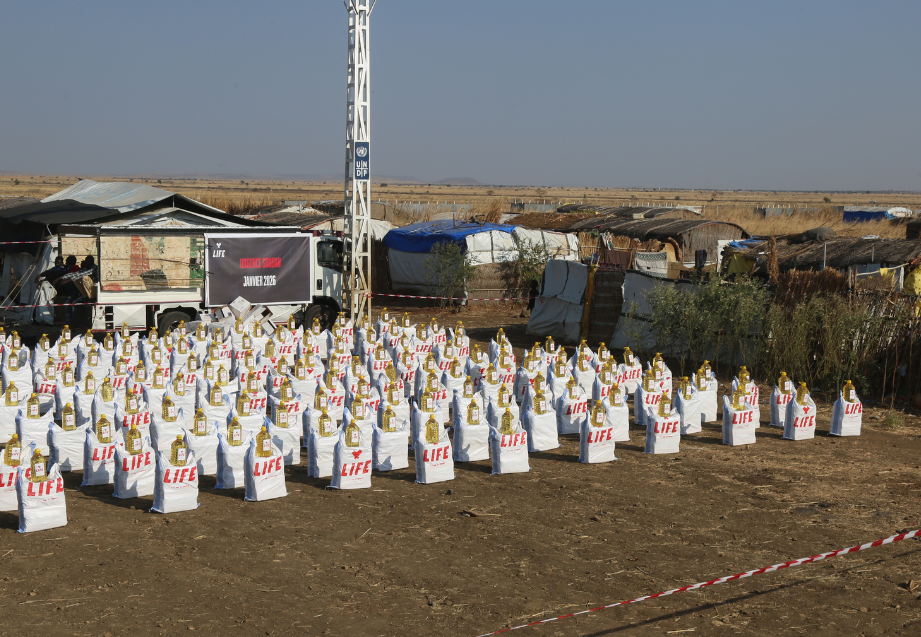
In Ethiopia in 2022, a severe drought caused the worst food crisis in thirty years in the eastern region. We distributed 370 emergency food parcels to 2,220 people.
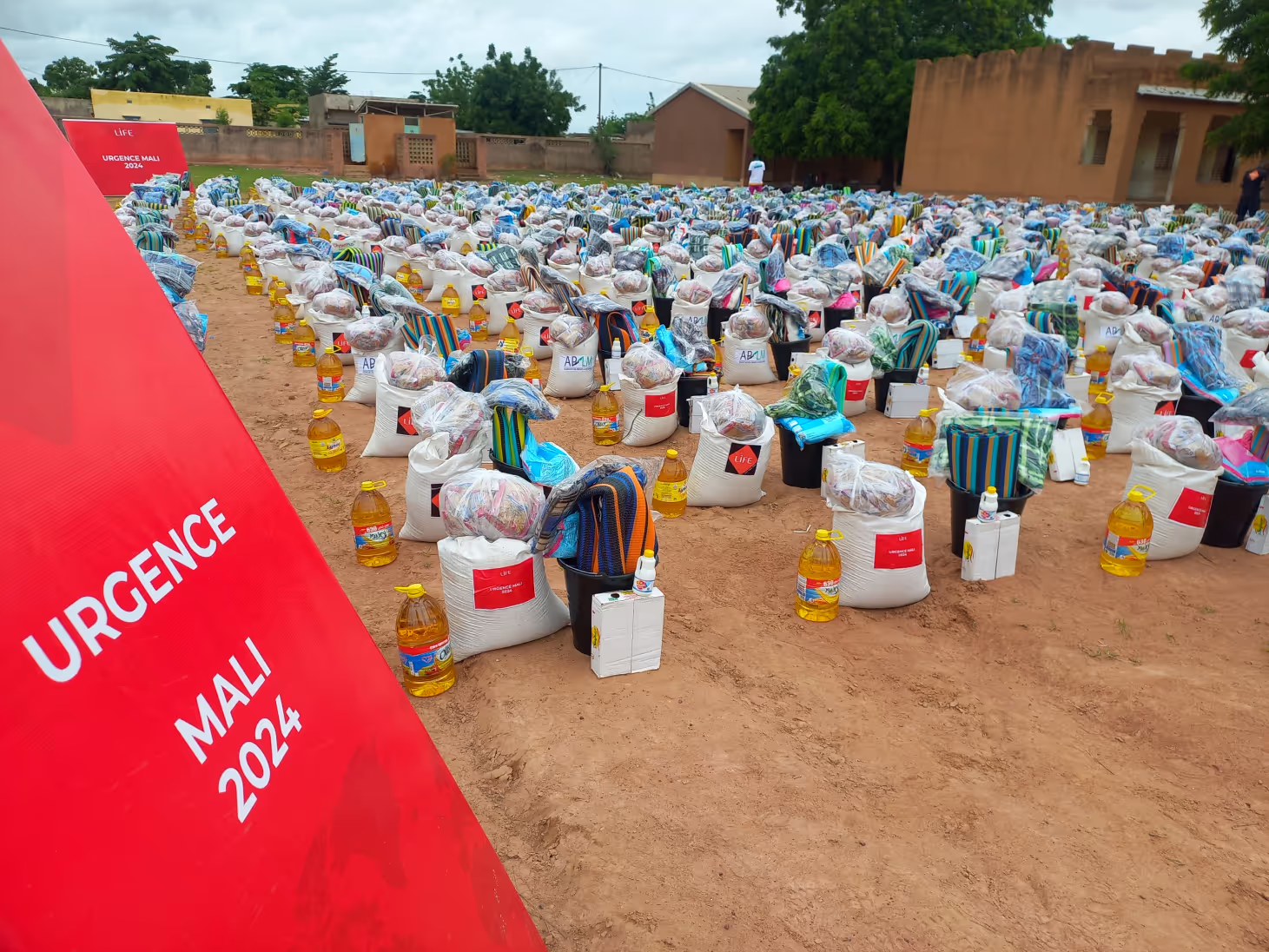
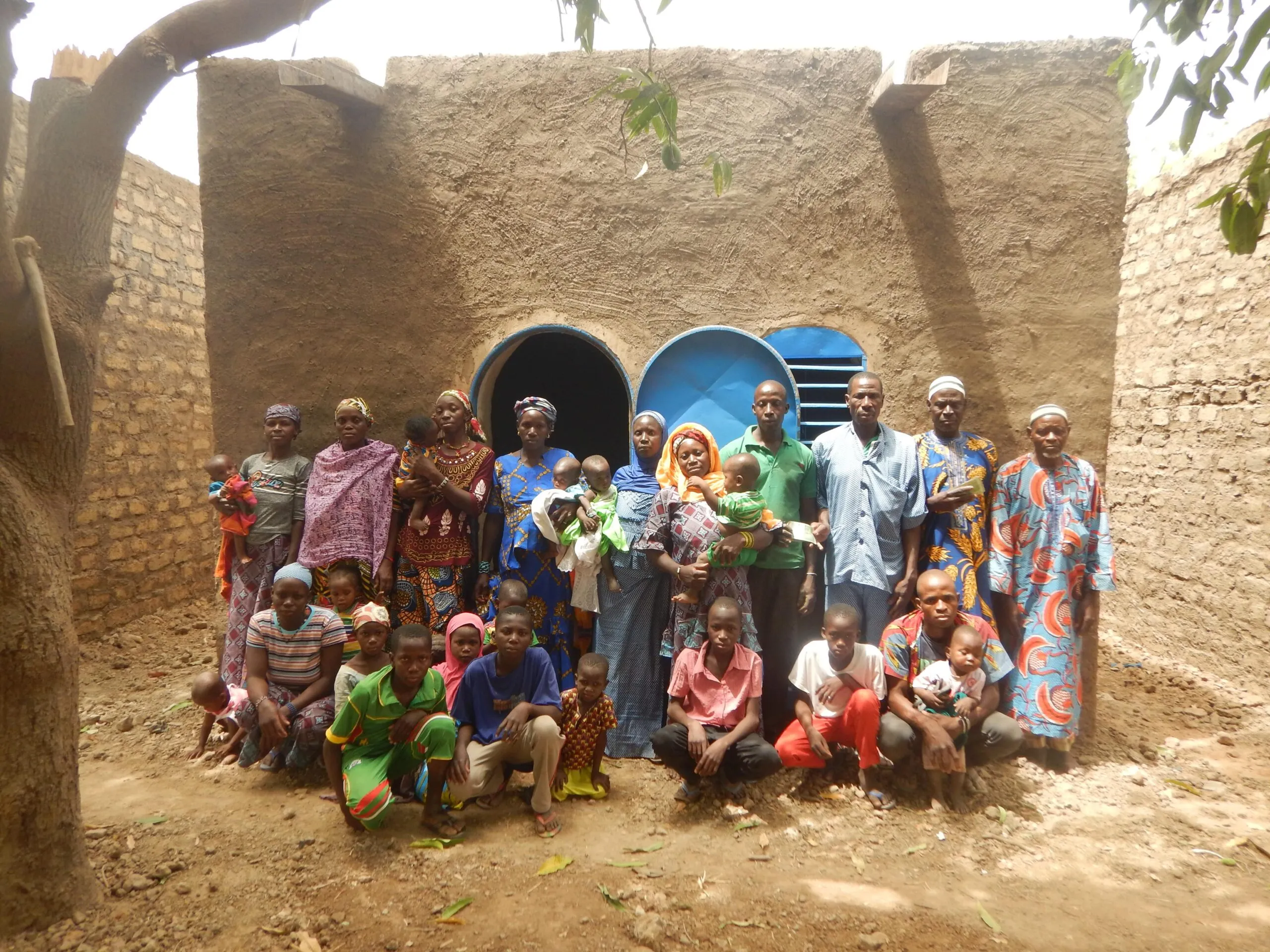
In Mali, LIFE built 100 earth houses of 25 m², giving 100 rural families in the Ségou, Koulikoro and Sikasso regions durable, affordable homes. These houses stay comfortably cool or warm, withstand bad weather and have a low carbon footprint.
Social development
Building and renovating homes, financial or food aid (food parcels, creating vegetable gardens…). Food and financial assistance can be provided over several years, or as one-off support.
Environmental projects that help communities become self-reliant:
Tree planting, sustainable agriculture, agroforestry, etc. We run many green initiatives that support sustainable livelihoods for communities in need while protecting the environment.
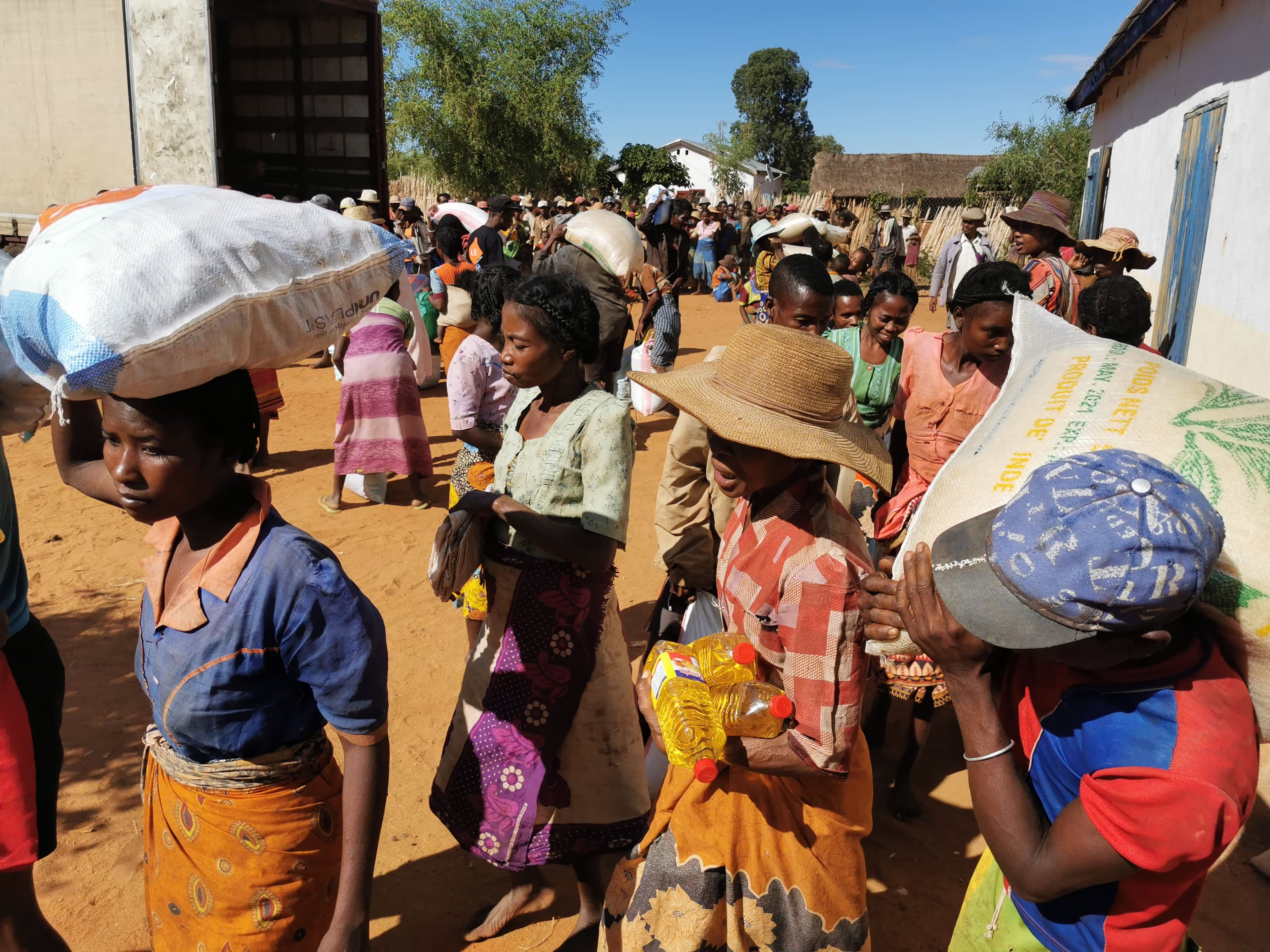
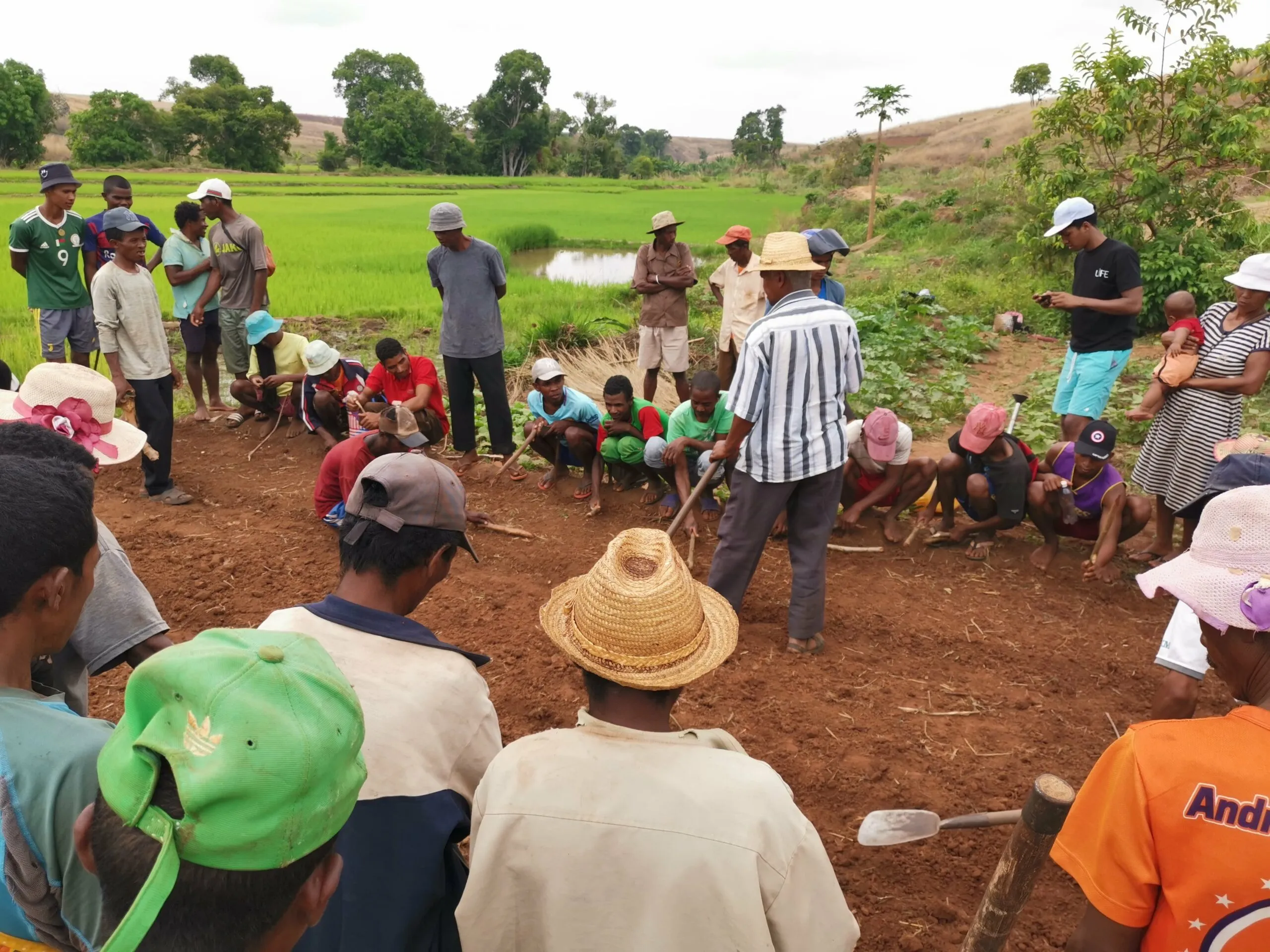
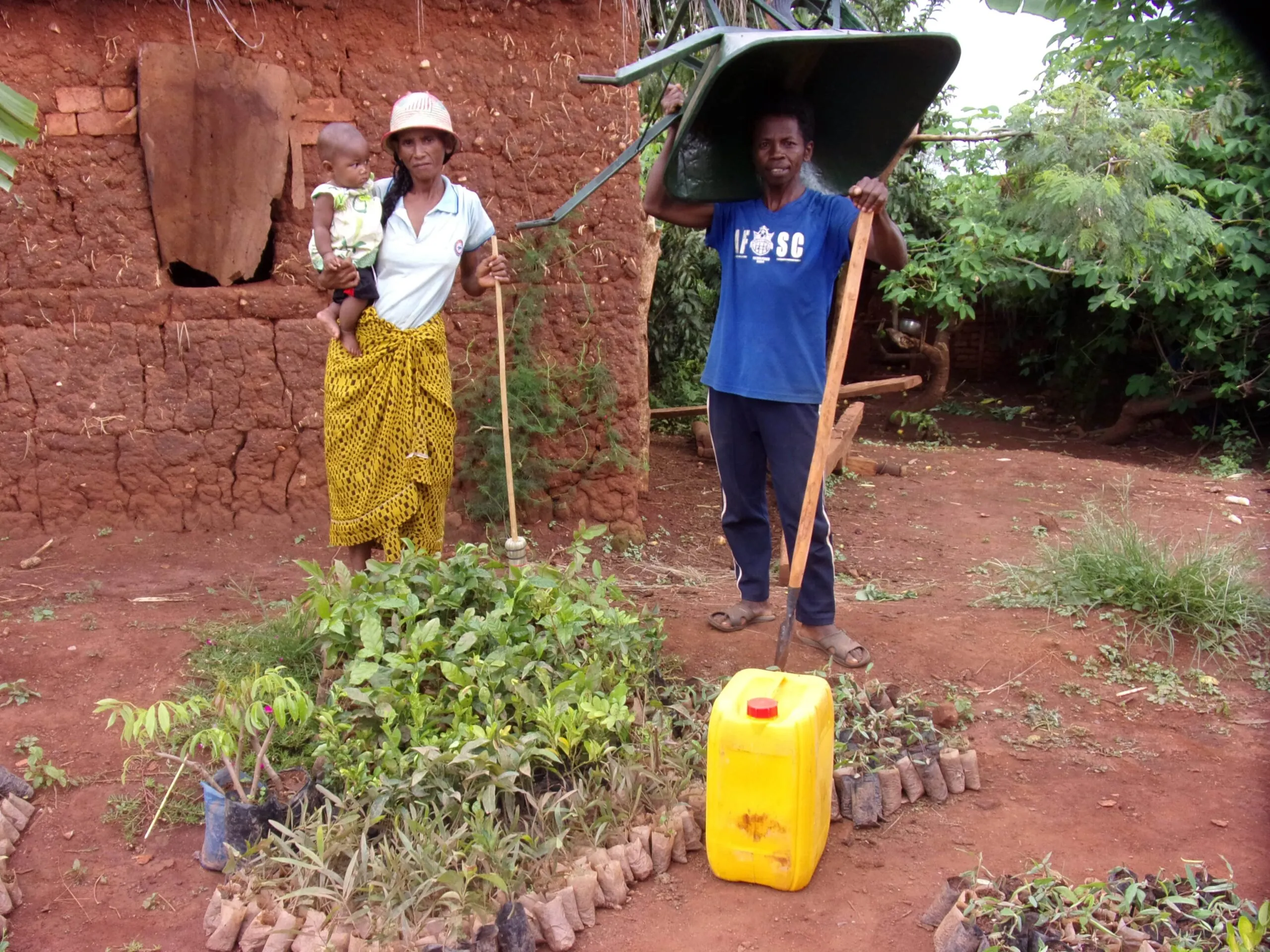
Your generosity has made a big impact in Madagascar, where we ran a tree-planting project to support 200 farming families. Each received nursery training to care for 500 plants and 450 seedlings, helping to conserve forests in the regions of Betroka in the south, Itasy and Bongolava.
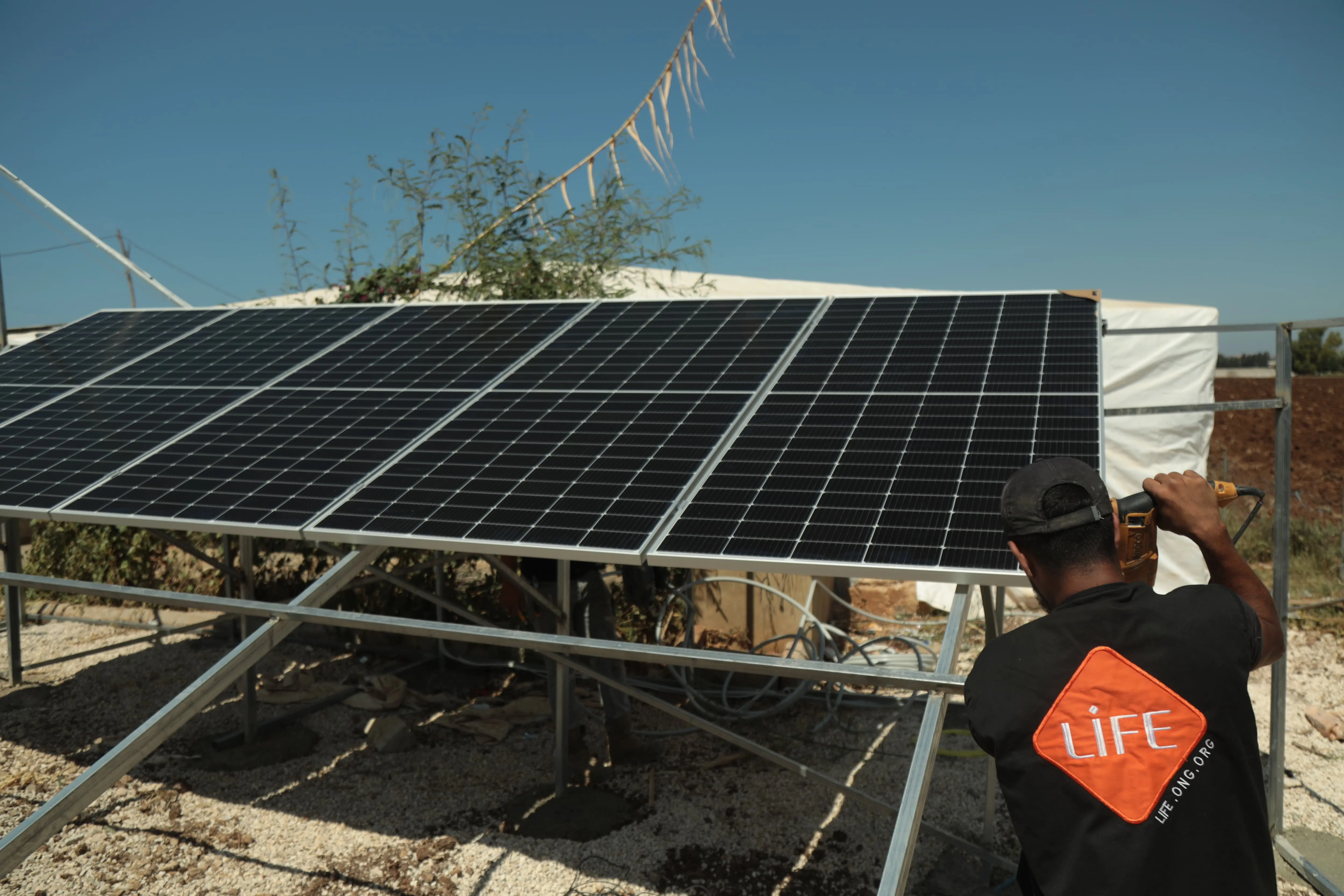
In Lebanon, thanks to your Zakat, we improved living conditions in the Abu Ibrahim Syrian refugee camp in the Akkar district. We provided access to clean drinking water and essential latrines for 127 families living in 95 tents, or 699 people.
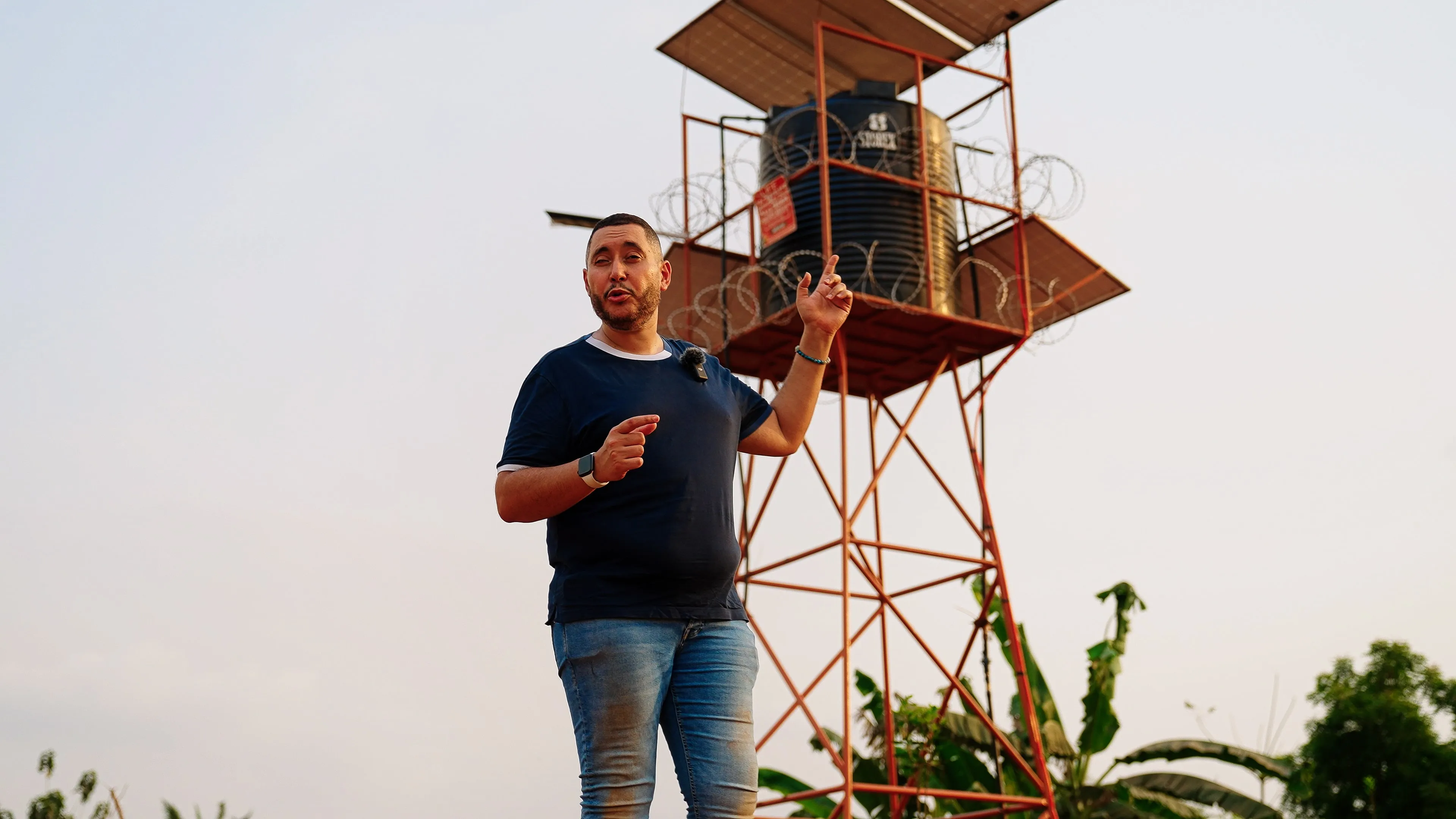
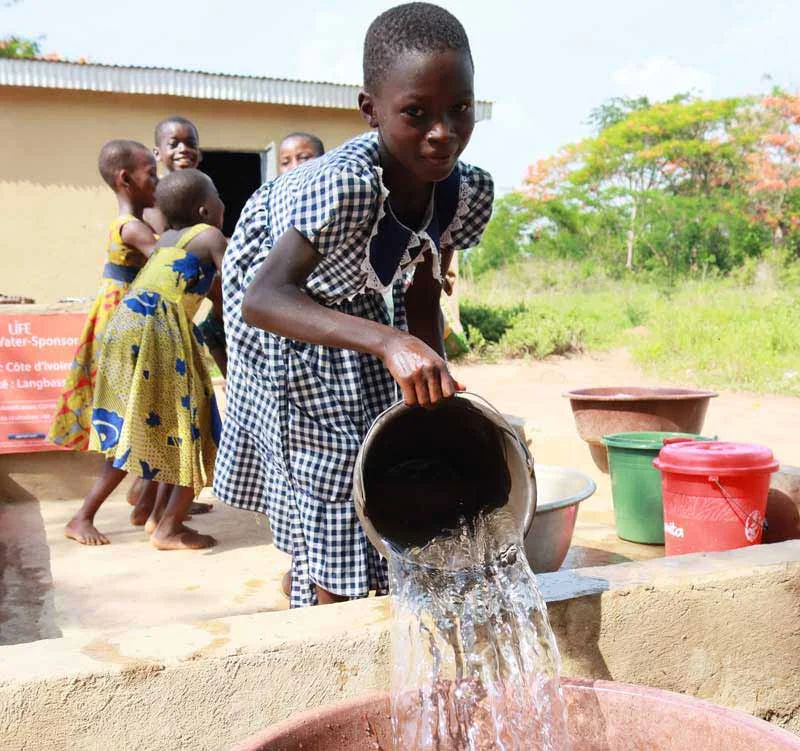
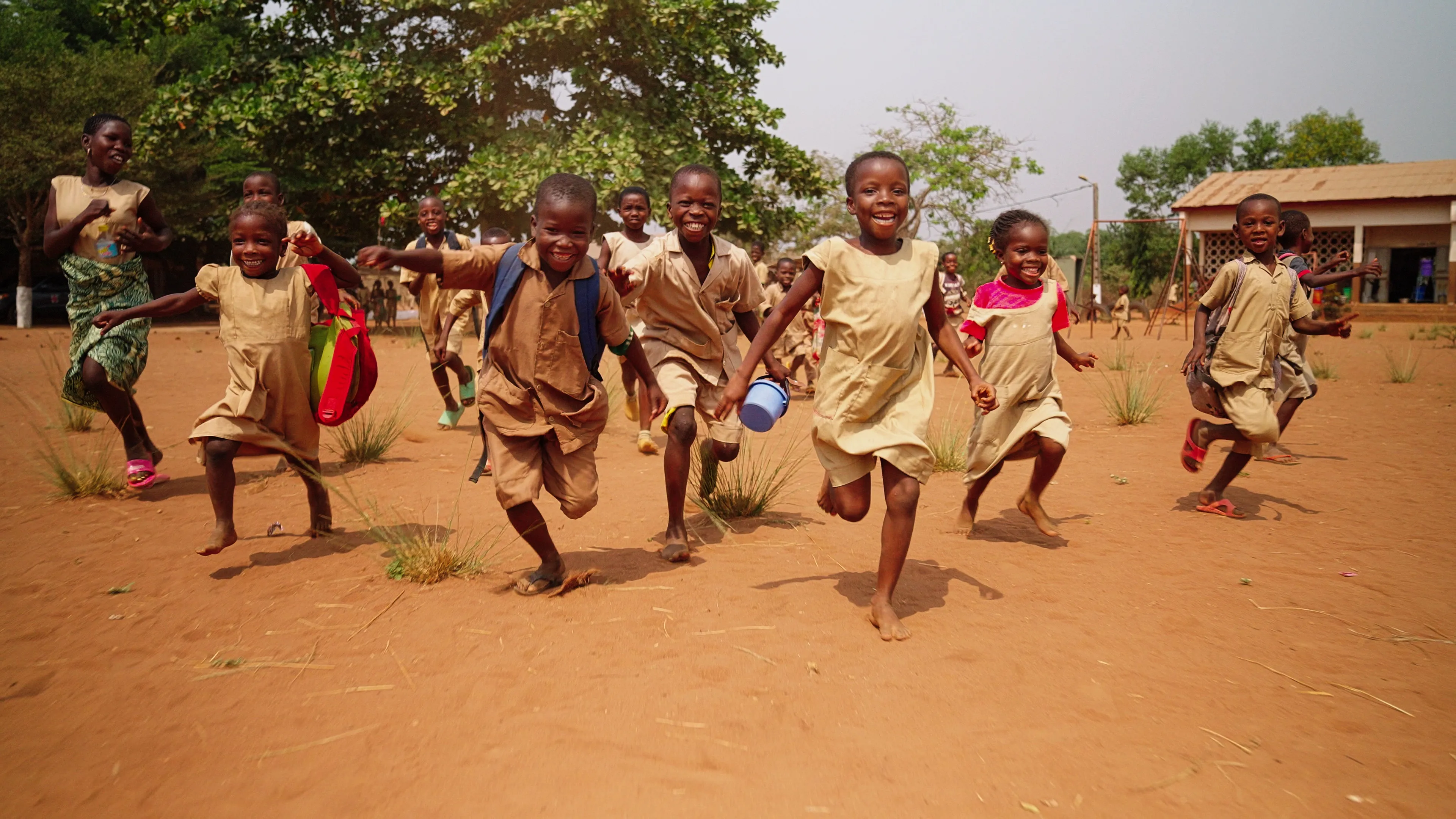
In Senegal, we transformed the lives of the villagers of Tivaoune Wolof by providing clean drinking water, equipping a borehole with a water tower and a solar pump. We also created a school vegetable garden at a primary school. This has enabled 104 children aged 5 to 14 to go back to school every day and enjoy a healthy, balanced diet that helps them learn.
Improving access to clean water, hygiene and sanitation:
Building wells, fountains, water towers, boreholes, and latrines.
How do you calculate it?

Have your savings been above the nisab for a full Hijri year?
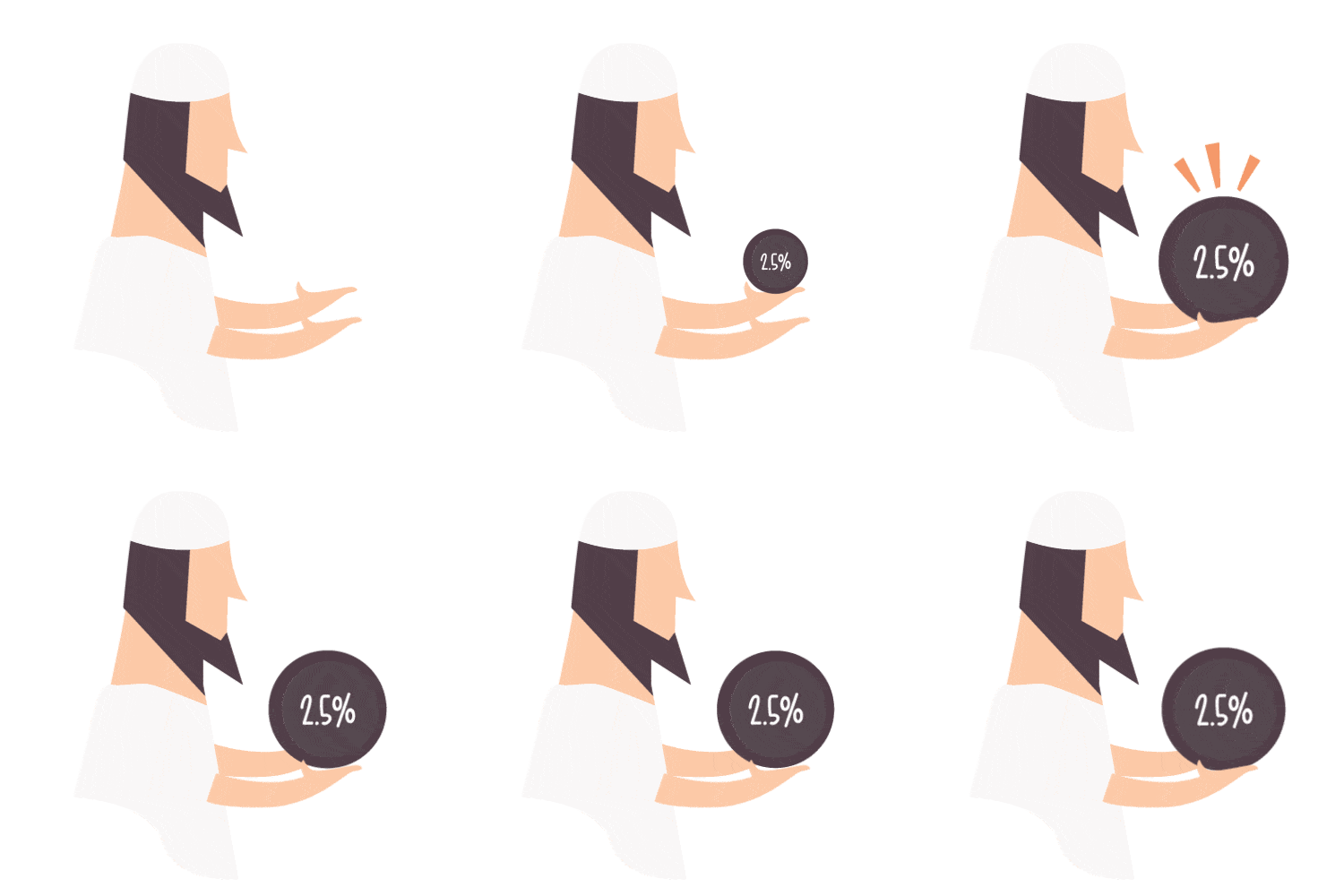
Pay your Zakat al-Maal: 2.5% of your savings
It is the right of the poor, widows, people in debt, orphans...
So entrust your Zakat al-Maal to LIFE!
THOUSANDS OF HOUSEHOLDS GIVE their Zakat to LIFE EVERY YEAR! Thanks to their trust, the daily lives of millions of people are improved in 25 countries around the world!
WANT TO KNOW HOW MUCH YOUR ZAKAT IS?
Here is your Zakat amount
*Please note that the results from this calculator are based on current gold and silver prices. These prices fluctuate regularly on the market, so the amounts and estimates may vary with the real-time prices of these precious metals.
YOUR ZAKAT IN ACTION
FAQ
Who must pay Zakat al-Maal?
Zakat al-Maal, an obligatory charity, must be paid by every adult Muslim whose wealth has exceeded the nisab threshold for a full lunar year.
How do I calculate my Zakat al-Maal?
You can find out how much your Zakat al-Maal is with our calculator. If you would rather work it out yourself, it is important to follow a few precise steps.
1. Determine the nisab.
2. Calculate your total wealth. Add up all your monetary and non-monetary assets subject to Zakat al-Maal. This includes cash and bank balances, the value of shares, investments and bonds, as well as gold, silver and jewellery (see the section on assets exempt from Zakat), rental income from property, and business assets or stock.
3. Deduct debts and immediate expenses. Subtract from your total wealth your immediate or short-term debts and essential day-to-day expenses (such as rent, bills, etc.).
4. Calculate your Zakat al-Maal. Once you have worked out your net wealth (total wealth minus debts and expenses), calculate 2.5% of that figure. This is the amount of Zakat al-Maal you must pay.
When should I pay my Zakat al-Maal?
Once your wealth has exceeded the nisab threshold and a lunar year has passed, it is important to pay your Zakat al-Maal, a fundamental obligation in Islam. If you have not yet paid it after this time, it is essential to do so without delay. Many believers prefer to pay their Zakat al-Maal during the month of Ramadan, especially during the last ten nights.
Why? Acts of charity during this time, particularly on the Night of Power (Laylat al-Qadr), are especially rewarding. Donations made then also help the poorest celebrate Eid al-Fitr with dignity. Anas Ibn Malik reported that the Prophet Muhammad (pbuh) was asked about the best charity, and he replied: « The best charity is that given during Ramadan. » Which assets are not subject to Zakat al-Maal?
Here is a list of assets exempt from Zakat al-Maal:
· Your main residence, for example your own home;
· A vehicle used for personal purposes;
· Debts owed to you that you are not certain will be repaid;
· Most schools of thought hold that Zakat al-Maal is not due on gold, silver or other jewellery worn every day. But some scholars hold the opposite view. It is therefore advisable to include it when paying your Zakat, to take account of the differing opinions and to contribute more to the needs of the poor;
· Furniture and household goods for personal use, not for business.
What is the nisab?
The nisab is the minimum threshold of wealth a Muslim must own before Zakat al-Maal becomes obligatory. It is generally equivalent to 85 grams of gold or 595 grams of silver. Its value is based on the price per gram of gold or silver, which fluctuates daily and therefore changes every year. So you need to check the current price of gold or silver to calculate the value of the nisab.
What is the nisab in 2026?
In 2026, the Nisab is set at €7,000, the value of 85 grams of gold. Most schools of thought use the price of gold to work it out, but some prefer the price of silver. On that basis, for Zakat al-Maal 2026, the Nisab based on 595 grams of silver comes to €589.
What should I do if my wealth moves above and below the Nisab during the year?
Sometimes the wealth of a person liable for Zakat al-Maal falls below the Nisab at some point in the year. In that case, it is recommended to work out the value of your zakatable assets at the start and at the end of the lunar year. If those values are above the Nisab, you must pay Zakat al-Maal.
What should I do if I forgot to pay my Zakat al-Maal?
You must work out the amount owed for each year you missed and pay it. These payments are still obligatory, however many years have passed.
What is the difference between Zakat al-Maal and Zakat al-Fitr?
Zakat al-Maal is an obligatory charity on accumulated wealth. It is due from adult Muslims whose assets have stayed above the Nisab (85 grams of gold) for a full year.
It amounts to 2.5% of those assets. Zakat al-Fitr, on the other hand, is an obligatory charity for all Muslims at the end of Ramadan. It purifies the fast, and it must be paid for every member of the family before the Eid al-Fitr prayer. It is equal to about 2.5 kg of staple food, or its value in money.
Ready to help?
I start a fundraiser
Support the causes close to your heart by starting an online fundraiser with LIFE.
Raising funds for a charity has never been easier!