Eid al-Fitr: celebration and spirituality
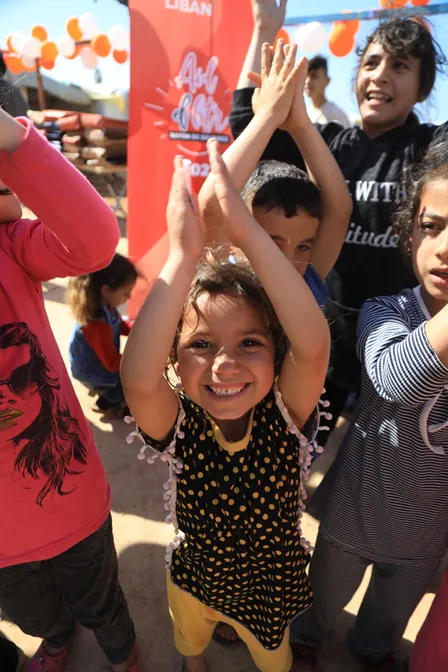
Eid al-Fitr, which literally means "the festival of breaking the fast", marks the end of the holy month of Ramadan in Islam. It is a joyful occasion that brings Muslim communities together all over the world to celebrate spirituality, generosity and gratitude to Allah. Let's explore together the deep meaning of this major festival, the values it embodies and the countless blessings it brings to all who observe it!
The meaning of Eid al-Fitr
Eid al-Fitr marks the end of the month of Ramadan, during which Muslims have fasted from dawn until sunset. It crowns a month of abstaining from food, but also a month given over to reflection, self-examination and spiritual growth. Eid al-Fitr symbolises a closer bond with the Almighty, born of the deep self-examination and spiritual journey that define Ramadan. It is a time to rejoice and give thanks for these personal and spiritual achievements.
When is Eid al-Fitr?
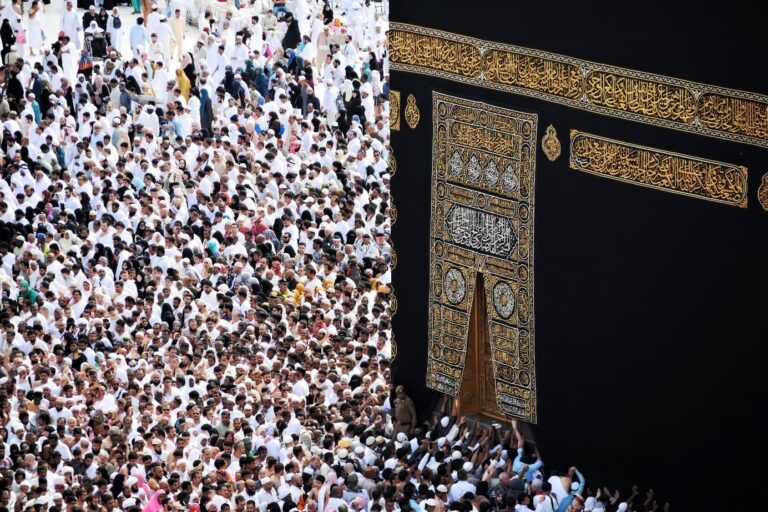
The date of Eid al-Fitr is set by the sighting of the new moon that marks the end of Ramadan. This flexibility in the Islamic calendar highlights the importance of observing the moon, and it naturally builds a sense of spiritual anticipation as the days go by. Every year, the Muslim community eagerly awaits the official announcement of the date, which signals the start of the festive preparations.
How the day unfolds
The day of Eid begins with the Eid prayer. It is performed together, in mosques or in the open air. This prayer is an act of gratitude to Allah for the strength and patience granted during the month of fasting. It also symbolises the unity of believers, gathered to express their shared devotion and a spiritual communion that goes beyond ethnic and cultural boundaries.
After the prayer, the day turns into a joyful family celebration. Muslims visit one another, exchange gifts, give each other new clothes and share festive meals. The plentiful food is a reminder of the blessing of having enough to meet one's needs – a gratitude that feels all the more meaningful after a month of fasting!
Spirituality at the heart of Eid al-Fitr
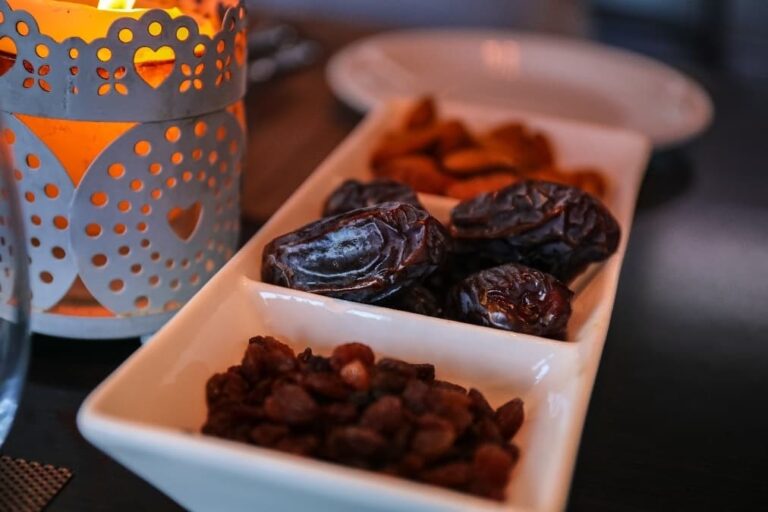
Although Eid al-Fitr is a joyful festival, spirituality remains at the heart of the celebration. Believers are encouraged to strengthen their relationship with Allah, to give thanks for the blessings they have received and to seek forgiveness for their sins. As a time of spiritual purification, Ramadan prepares Muslims to welcome Eid with a renewed awareness of their spirituality.
A celebration of generosity
Generosity is one of the most striking aspects of Eid al-Fitr. Before the Eid prayer, Muslims are required to pay Zakat al-Fitr. This charity, made up of basic foodstuffs, is given to people in need so that they too can celebrate Eid al-Fitr joyfully and with dignity. That is why it must be distributed to them before the fast is broken. This practice underlines the importance of sharing the joy of the festival with those in need, strengthening community ties and solidarity.
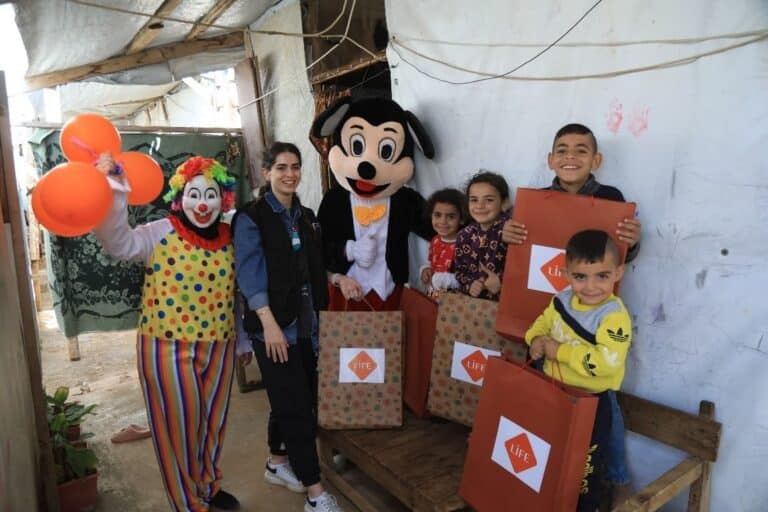
To distribute their Zakat al-Fitr effectively and in keeping with Muslim tradition, believers can turn to LIFE. At this important moment in the Islamic calendar, together with them – and with you – we support people in need all over the world. We distribute food to them, as well as gifts for the children.
A close bond between faith and family
Eid al-Fitr goes beyond religion to become a celebration that strengthens family ties within the Muslim community. Family gatherings, exchanging gifts, shared meals and more: all these moments create a space where faith is expressed through family bonds. Eid thus becomes a special time when religious values such as compassion, generosity and solidarity are lovingly handed down from generation to generation, strengthening the spiritual connection within the Muslim family.
A path to personal growth
Eid al-Fitr is also an opportunity for personal renewal. Believers are encouraged to reflect on what they achieved during Ramadan. They can also identify areas where they can improve and plan positive steps for the future. This self-reflection encourages personal growth and strengthens commitment to the core values of Islam.
Eid al-Fitr around the world
Eid al-Fitr crosses national borders, connecting millions of Muslims across many continents. The festivities take different forms depending on local cultures, but the spiritual essence stays the same.
1. In Egypt, Eid al-Fitr, also known as "Sham El Nessim", is marked by festivities that bring different faiths together. Muslim and Christian families gather to share meals, sweet treats and coloured eggs, symbols of rebirth. The streets fill with pop-up markets offering all kinds of festive goods.
2. In Malaysia, Eid al-Fitr, known as "Hari Raya Puasa", also begins with the Eid prayer at the mosque. Malaysians follow the tradition of "balik kampung", returning to their home towns to celebrate with their families. Homes are decorated with lights, and meals feature traditional Malaysian dishes, such as "ketupat" (rice wrapped in palm leaves) and "rendang" (meat slow-cooked in a spicy sauce).
Eid al-Fitr is much more than simply a festival to mark the end of the fast. It is an enriching time that combines the joy of family and social gatherings with deep spirituality. It reminds Muslims of the importance of generosity, gratitude and solidarity. Through prayer and shared festive meals, Eid al-Fitr becomes a living expression of the core values of Islam, which transcend cultural and national boundaries. It is a celebration of unity, love and spirituality, bringing the hearts of believers around the world together in beautiful harmony.
For Eid al-Fitr, and all year round, let's come together to build a better future for those who need it most!
Ready to help?
I start a fundraiser
Support the causes close to your heart by starting an online fundraiser with LIFE.
Raising funds for a charity has never been easier!