How can you trust a humanitarian NGO?
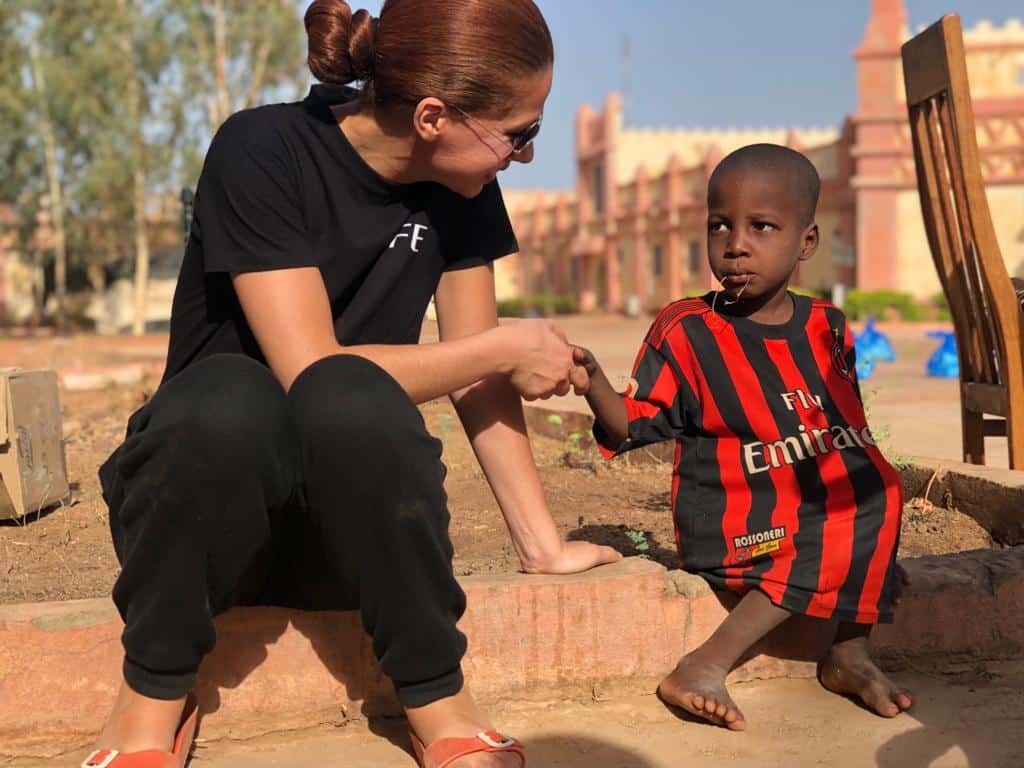
UPDATE: Since September 2022, Tarek has been President of LIFE.
After one scandal too many, donors have grown increasingly wary of humanitarian organisations and charities. Today, they want to be sure their donations won't be misused. Many are asking whether it's still possible to put their trust in a humanitarian NGO.
How can you tell whether a humanitarian NGO deserves your trust? Tarek, Treasurer and one of LIFE's founding members, answers 6 questions our donors often ask.
1. How would you define a good humanitarian NGO, one that inspires trust?
To me, a good NGO is one that reflects its donors and listens to them. It must also listen to what's happening on the ground and to the people it serves. It needs to be able to offer them projects focused on empowerment, projects that will help them move forward and get out of a difficult situation. So the job of a good NGO is to match its donors' aspirations with the real needs of beneficiaries on the ground. Finally, another quality that's essential to trusting a humanitarian NGO is transparency, especially about how it operates. At LIFE, for example, we encourage donors, influencers and ambassadors to join our field missions precisely so they can show the reality to all our donors. LIFE was one of the first organisations in the French humanitarian sector to do this.
2. For several years now, people have been wary of humanitarian charities and NGOs. Why is that?
The first reason is that there have been scandals. For instance, there have been several proven cases of financial mismanagement, where NGOs didn't use donations properly. When that happens, trust in humanitarian NGOs in particular is broken, and donors become suspicious as a result.
Secondly, NGOs haven't done enough to explain how they work. It's important to explain to donors that a humanitarian NGO has running costs, operational costs and communication costs. Here again, you have to be completely transparent about this, otherwise donors will be suspicious.
I also think that when donors give, it's partly because they want to help people in need, but also because they want to be part of an experience. The NGO has to give them that experience through project updates, a very precise timeline of operations and smooth communication. If a project is delayed or runs into a problem, you have to keep the donor informed and explain why. A relationship of trust is essential.
3. What does a humanitarian NGO need to put in place to earn people's trust?
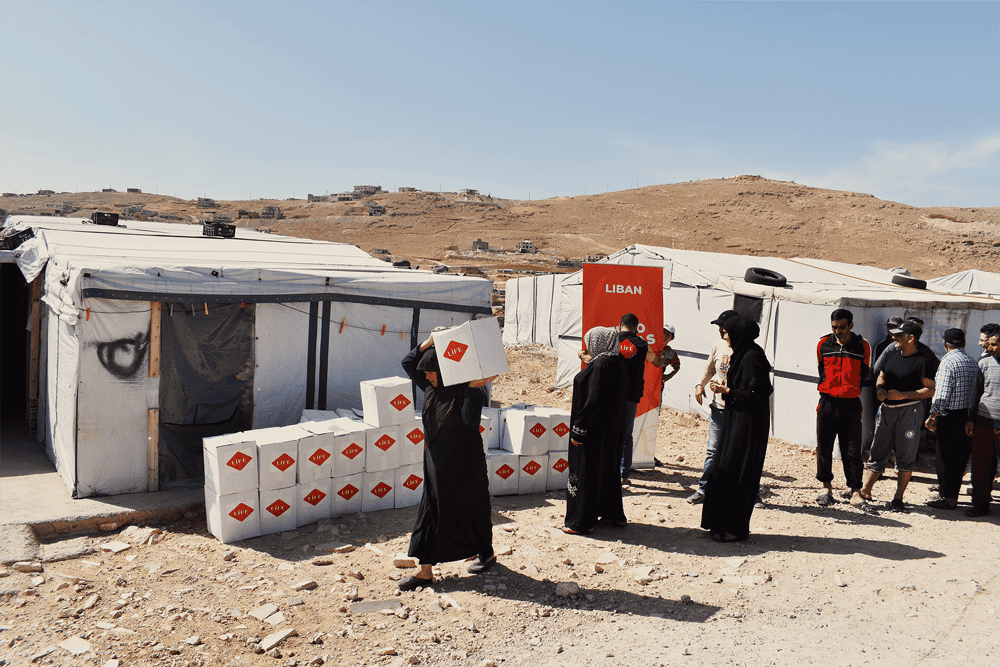
A humanitarian NGO can do several things to prove it's trustworthy, particularly in how it treats its donors. There are a few questions the NGO needs to ask itself. For example, do we respect donors and their gift? Do they actually receive their donation confirmation and their tax receipt? At LIFE, we pay close attention to this. Our teams are always available to answer donors' calls, or to meet them and explain how their donation will be used on the ground. We even run some operations with GPS tracking, so donors can see when and where their donation will be distributed. It's a real guarantee of transparency, because anyone can take a plane and go there to check that their project genuinely exists. It's also important to send out regular newsletters. These can include a round-up of the previous month's activities, with photos and testimonials. Our donors receive a newsletter every month. You also need to produce easy-to-read annual reports that cover what the NGO has achieved, with a few key figures. Finally, at LIFE, we take volunteers and donors on our missions. When donors see someone like themselves on the ground, they can relate to it, and that reassures them. Influencers also come along to show the reality on the ground on social media. All of this helps to strengthen donors' trust in the organisation.
4. How does a humanitarian NGO build lasting trust with its donors?
First, by having a donor relations service worthy of the world's top luxury brands. In other words, a clear journey where donors are looked after once they've given. When you stay close to your donors, you can regularly send them the latest news. To build trust over time, it's important to organise events, or, for example, operations where donors are invited to come and see the work on the ground for themselves. It can also be through creating a personalised fundraising page, for example. It's a way of getting donors involved and helping them make the project their own. They can tell their friends and family about it so that those people help complete the fundraiser they're championing. Finally, you need to create content on social media, sharing photos and videos live from the field.
5. Speaking of which, does LIFE actually do everything you've mentioned in your previous answers?
At LIFE, everything I've told you about is in place. Our humanitarian NGO does everything it can to prove it's trustworthy. In fact, LIFE's donors place great emphasis on transparency. It's essential.
Being able to invite volunteers to join us on the ground during our big operations, such as Ramadan, is a real guarantee of transparency. This year it was difficult because of COVID 19, but normally their role is to show donors the reality. They open the food parcels and check what's inside. They also meet the people we support.
At LIFE, donors can also create their own personalised fundraising page.
We're also on all the main social networks (Instagram, Facebook, Twitter, Linkedin), where we regularly post content, especially about our ongoing work. Finally, LIFE has its annual accounts approved by a state-sworn statutory auditor, who checks every budget line and looks at how every penny raised has been allocated on the ground. The accounts are then approved by a General Assembly made up of the NGO's founding members, volunteers and donors. Once again, it's all about transparency regarding donations and how they're used on the ground.
6. Some people object that "when you give to people in need, there's no need to film it". What would you say to that?
What I'd like to tell them is that the people on the ground feel deeply honoured. They're delighted to be able to speak on camera to say thank you to people on the other side of the world who thought of them. At LIFE, we've always stuck to one principle: we don't put human misery on display. LIFE refuses to distort or exaggerate by showing people crying or in distress. We're committed to respecting everyone's dignity and only filming people with their consent. Besides, here in France, how can we encourage people to give if they never see any of our work on screen? To the sceptics, I'd suggest following us on social media so they can make up their own minds. Perhaps their scepticism will disappear!
7. To finish, what are LIFE's 3 core values?
Development, empowerment and innovation. Development, because LIFE helps people in need and vulnerable people. Empowerment and a spirit of innovation, because we run innovative projects that help communities on the ground become self-reliant. You too can change lives by becoming a Lifechanger with us!
Ready to help?
I start a fundraiser
Support the causes close to your heart by starting an online fundraiser with LIFE.
Raising funds for a charity has never been easier!