Climate change: what does it mean for water?
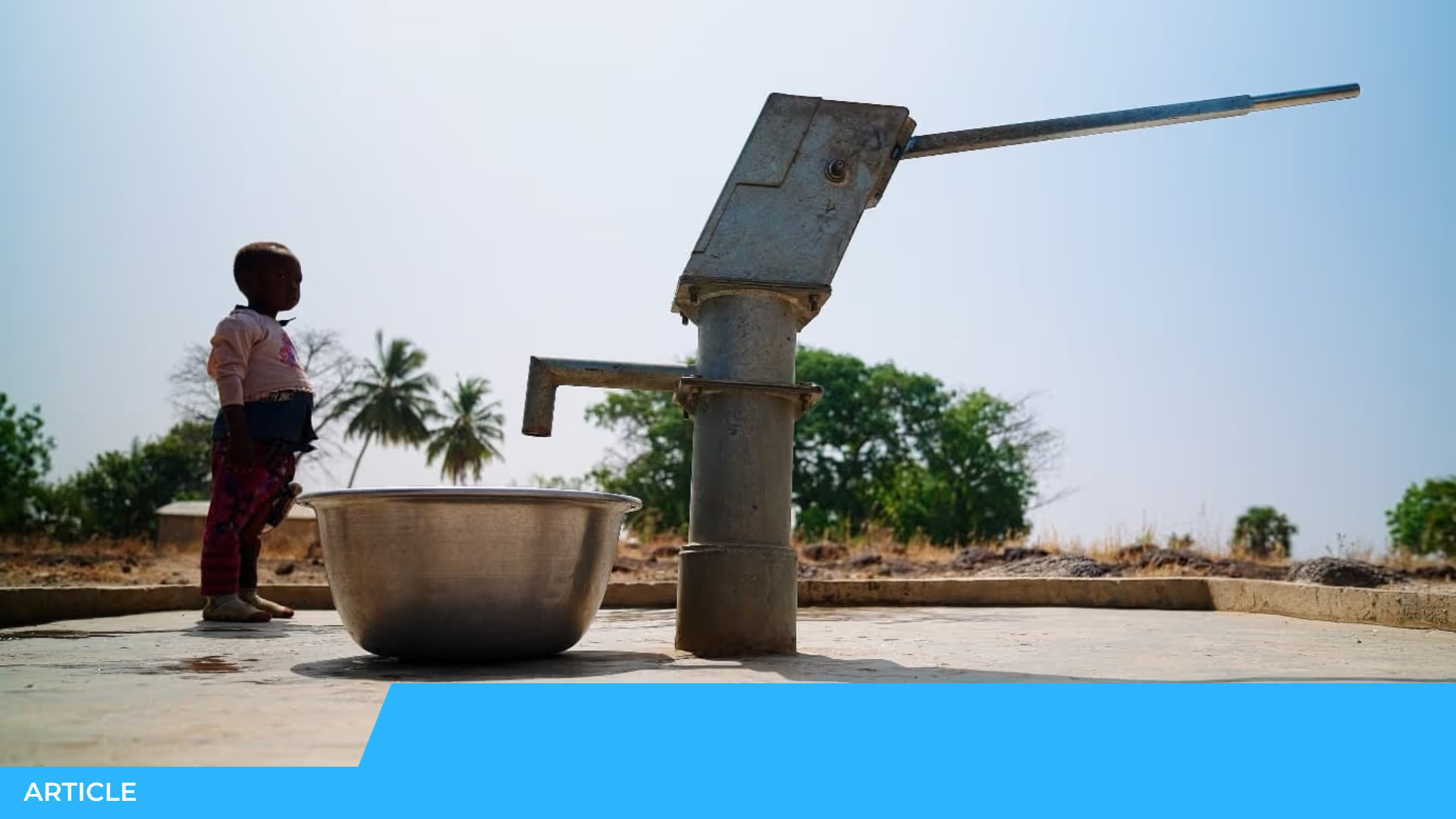
Climate change? Nobody wants it, but it does give us a unique chance to rethink our relationship with water, an element all life on Earth depends on. By adapting to the new challenges, we can protect this precious resource and also manage it in more sustainable and innovative ways. Understanding how global warming affects water, and acting on it, is vital if we are to prepare for the challenges ahead and make sure development is balanced and fair for everyone.
Climate change: how much water there is, how clean it is and where it goes
Global warming is having a deep effect on water resources, and it is changing our world. It shows up as changes in how much of this precious resource is available, how clean it is and where it is found. Here are some of the major consequences we must face together to protect our future.
Changing rainfall
Some countries are getting more rain, while others are suffering more frequent and more severe droughts. These shifts, attributed to climate change, directly affect how much water is available for farming, industry and household use.
Brazil, for example, is facing catastrophic droughts alternating with floods. The Horn of Africa has endured severe drought and water shortages for several years. According to UNICEF, in Ethiopia, Eritrea, Kenya and Somalia, hunger threatens nearly 20 million people! Bangladesh, meanwhile, has been hit by terrible floods for several years.
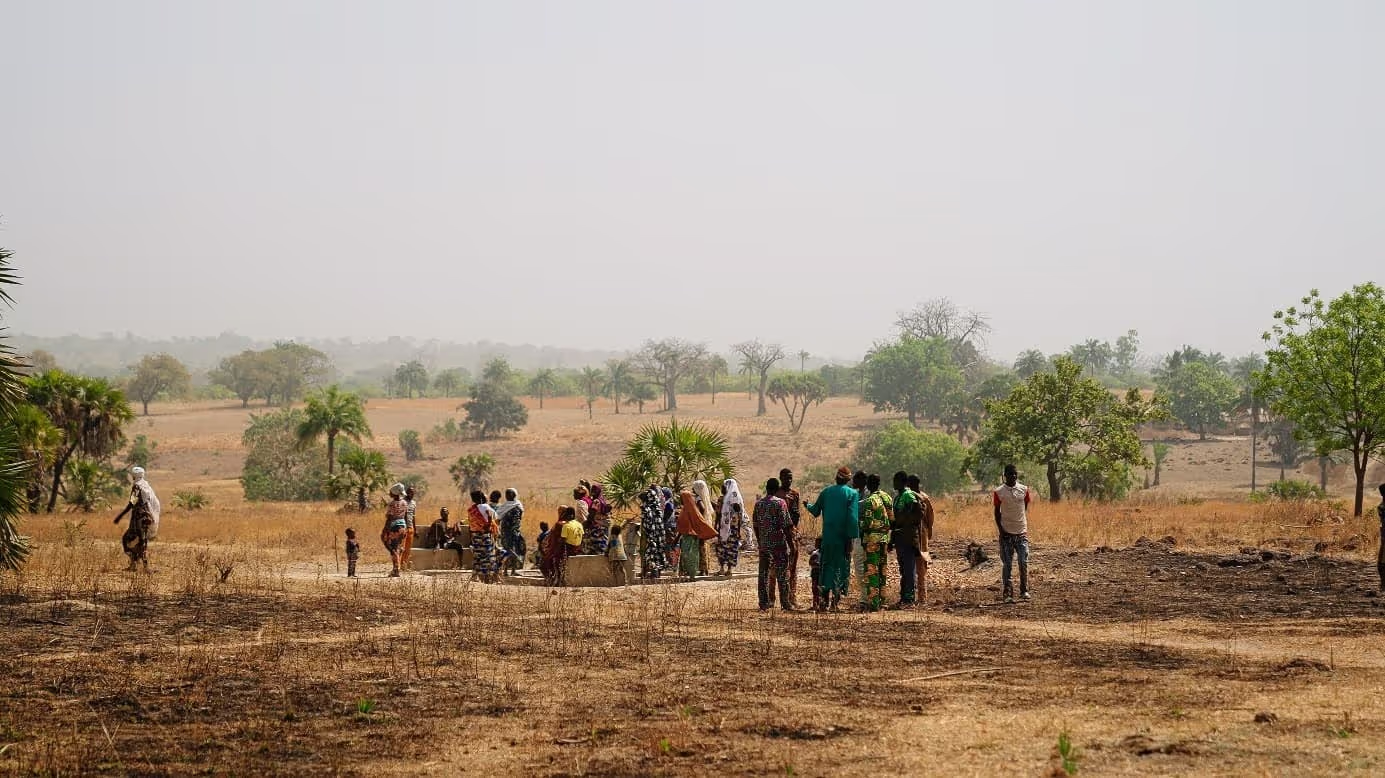
In Europe, southern areas (Greece, Spain) face ever more frequent and severe droughts, while northern countries (Germany, Belgium, the United Kingdom, France) are hit by repeated flooding.
Did you know? According to a report by the EEA (the European Environment Agency), Europe is the fastest-warming continent and is not prepared for it at all.
Melting glaciers and snow
Glaciers and snow act as natural water reservoirs, and global warming is making them melt faster and faster. At first this melting makes rivers flow more strongly. In the long run, though, it means less water is available, especially in summer, when glaciers and snow play a vital role in feeding rivers and streams.
Rising sea levels
Sea levels are rising because polar ice is melting and oceans expand as they warm. This pushes salt water into coastal aquifers (underground water systems that stretch across the boundary between land and ocean) and into river systems. Our precious freshwater reserves become contaminated and can no longer be used for drinking or irrigation.
Extreme weather events
Climate change is making storms, hurricanes and floods more frequent and more intense. These events damage water infrastructure, pollute water sources and increase health risks.
More evapotranspiration
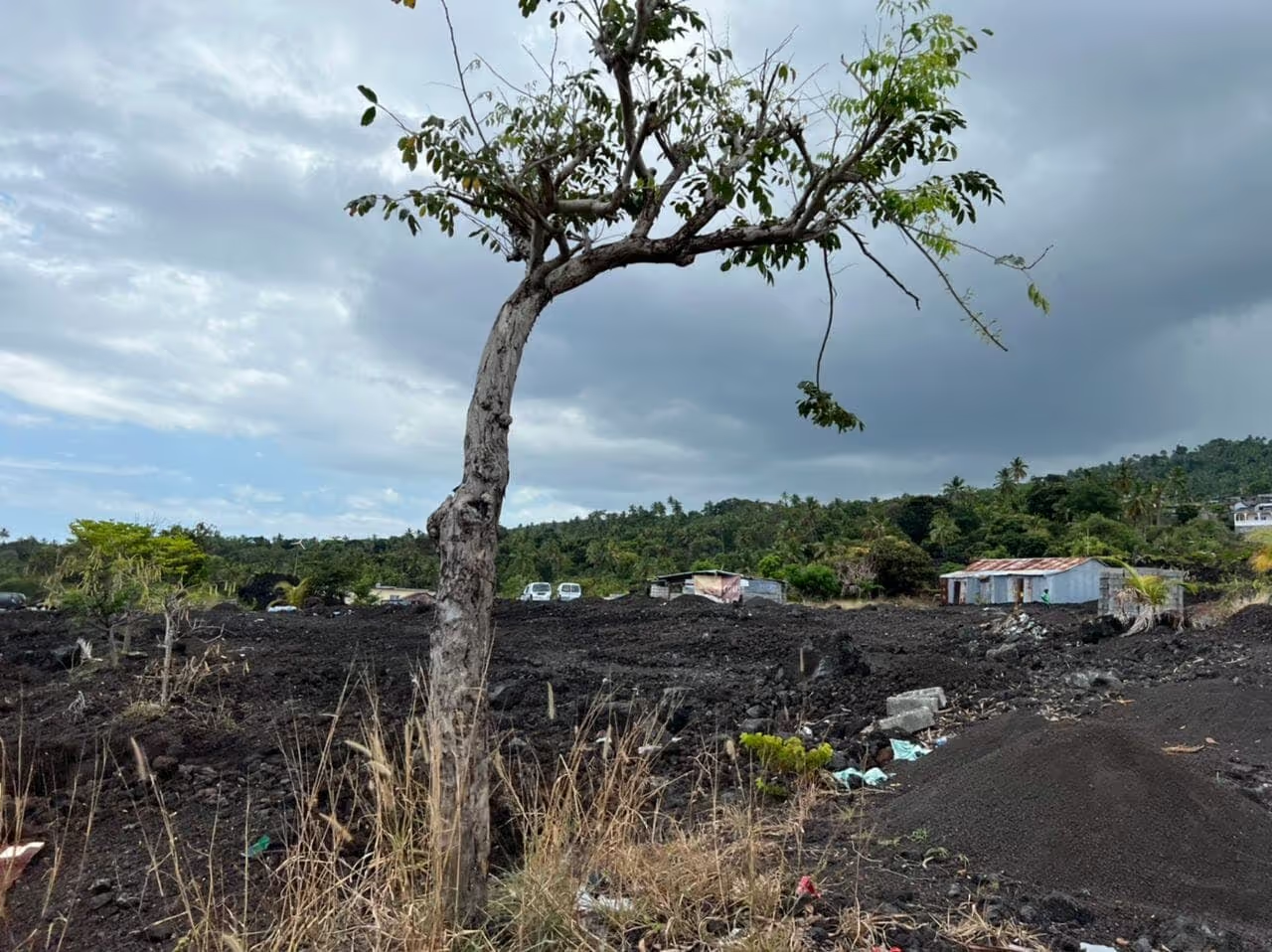
Higher temperatures mean more water evaporates and plants give off more water. This leaves less water in soils, reservoirs and rivers, which hurts farming and puts natural ecosystems at risk.
More pollution
As climate change brings more and more floods and storms, our rivers fill up with debris, chemicals and pathogens. The result? Outbreaks of waterborne diseases and aquatic ecosystems under threat.
Warmer water
As the air gets warmer, so does the water in our rivers, lakes and oceans. This harms aquatic ecosystems, disrupts fish breeding and allows harmful algae to spread in many areas.
Ocean acidification
As oceans absorb carbon dioxide, they become more acidic. This harms marine life, especially corals, shellfish and some types of plankton, and so upsets the entire marine food chain.
Water and climate change: the social and economic impact
The effects of climate change on water have major social and economic consequences all over the world.
Food security
Farming relies on having water for irrigation. Changing rainfall patterns and shrinking freshwater reserves are hitting harvests and threatening the food security of millions of people.
Public health
Poorer water quality and water shortages make public health problems worse. Water-related diseases such as cholera, dysentery and typhoid spread more easily when drinking water sources are contaminated.
According to UNICEF, around 50% of malnutrition cases worldwide are linked to inadequate access to water, hygiene and sanitation.
Conflict and migration
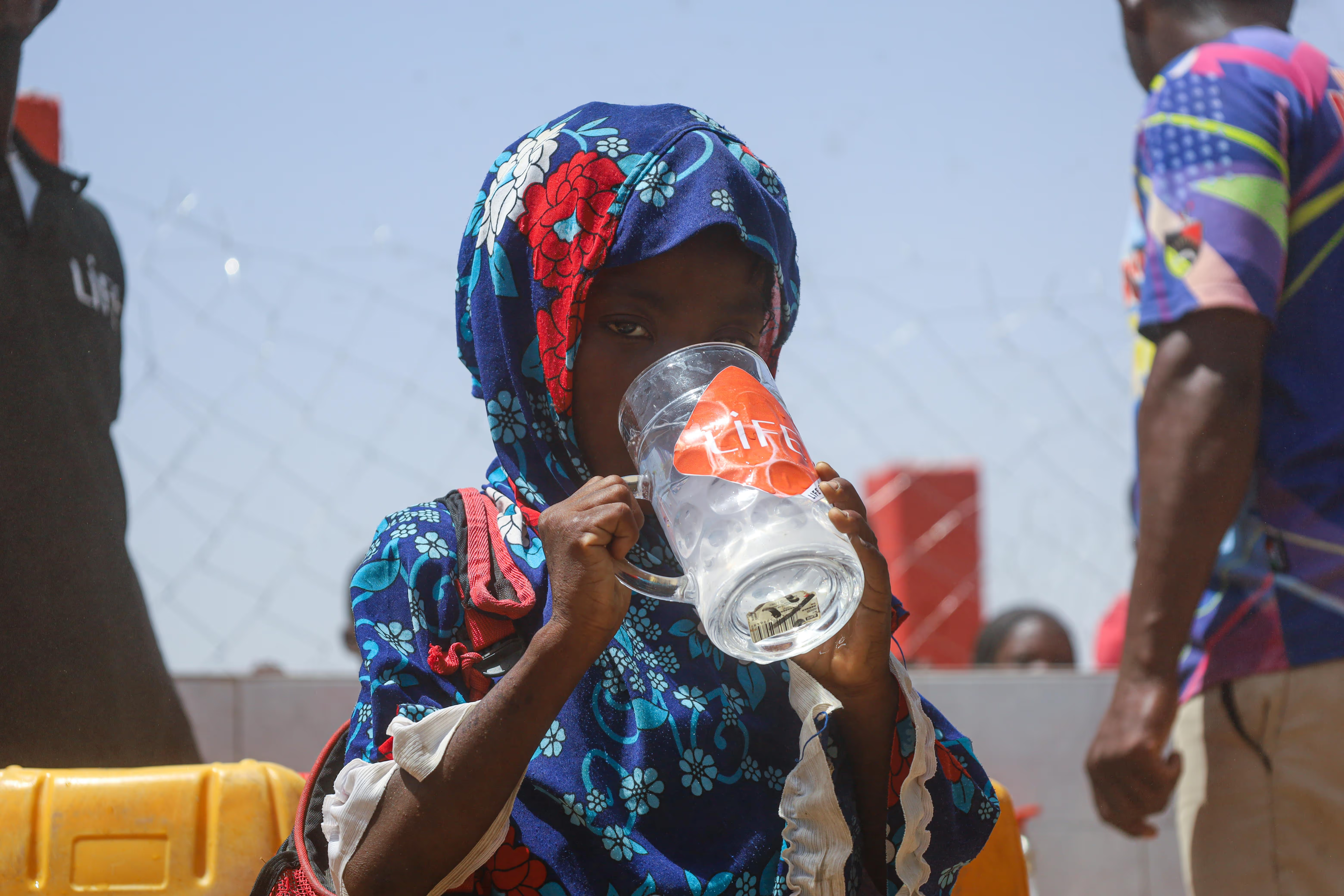
As water becomes scarcer, it can lead to conflict between communities, regions and even countries. People living in areas hit by water shortages are often forced to leave their homes, which creates further tension and humanitarian challenges.
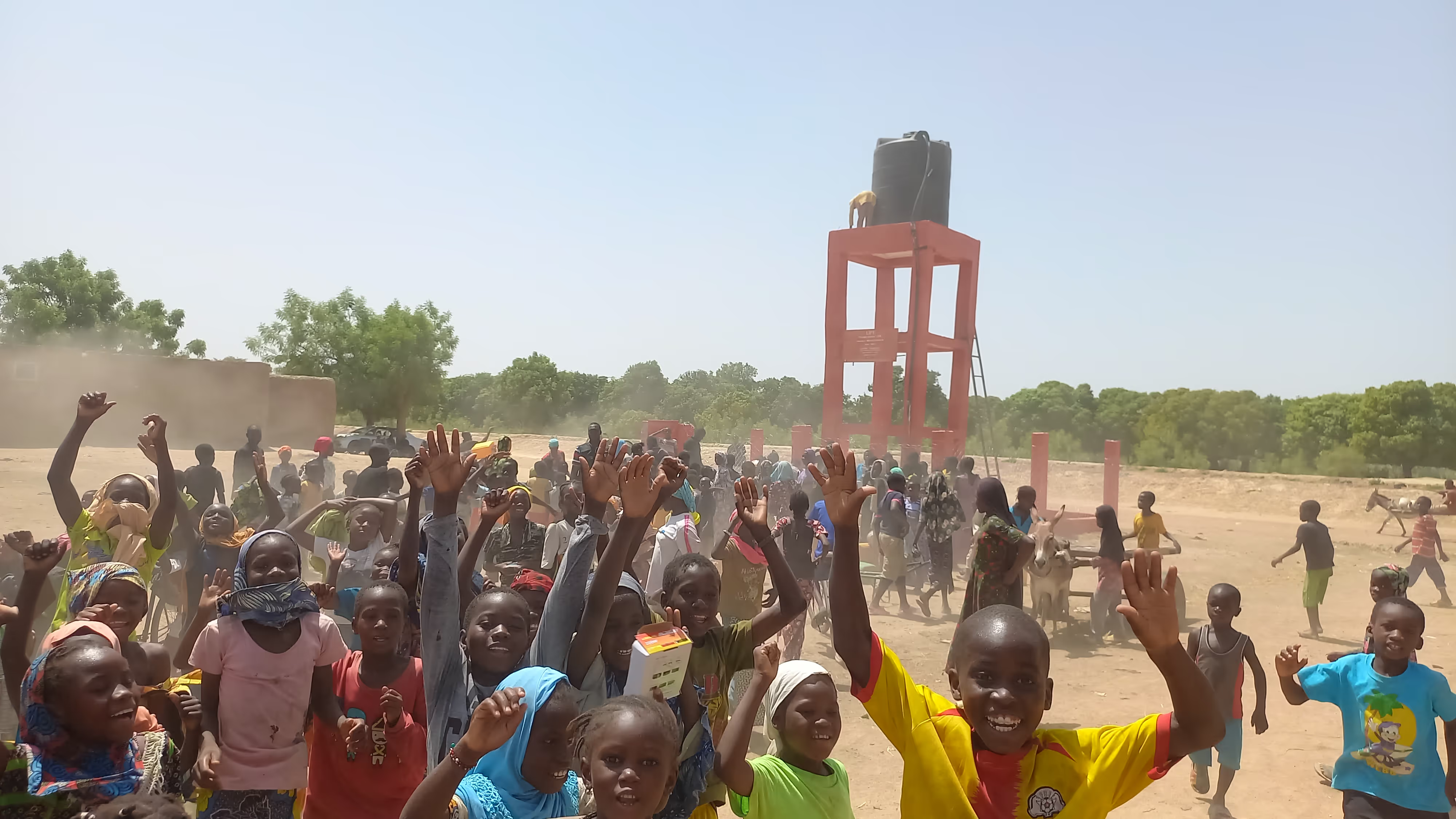
In Iraq, for example, one of the countries worst affected by climate change, thousands of people are leaving their homes in search of water, particularly in southern regions such as Basra. Dams in Turkey and Iran, along with decades of poor water management and rising temperatures, have reduced the flow of the Tigris and Euphrates rivers. With their land no longer productive, Iraqi farmers have been forced to move to towns and cities in search of better opportunities. The same is happening in Madagascar and in many other countries.
Local and national economies
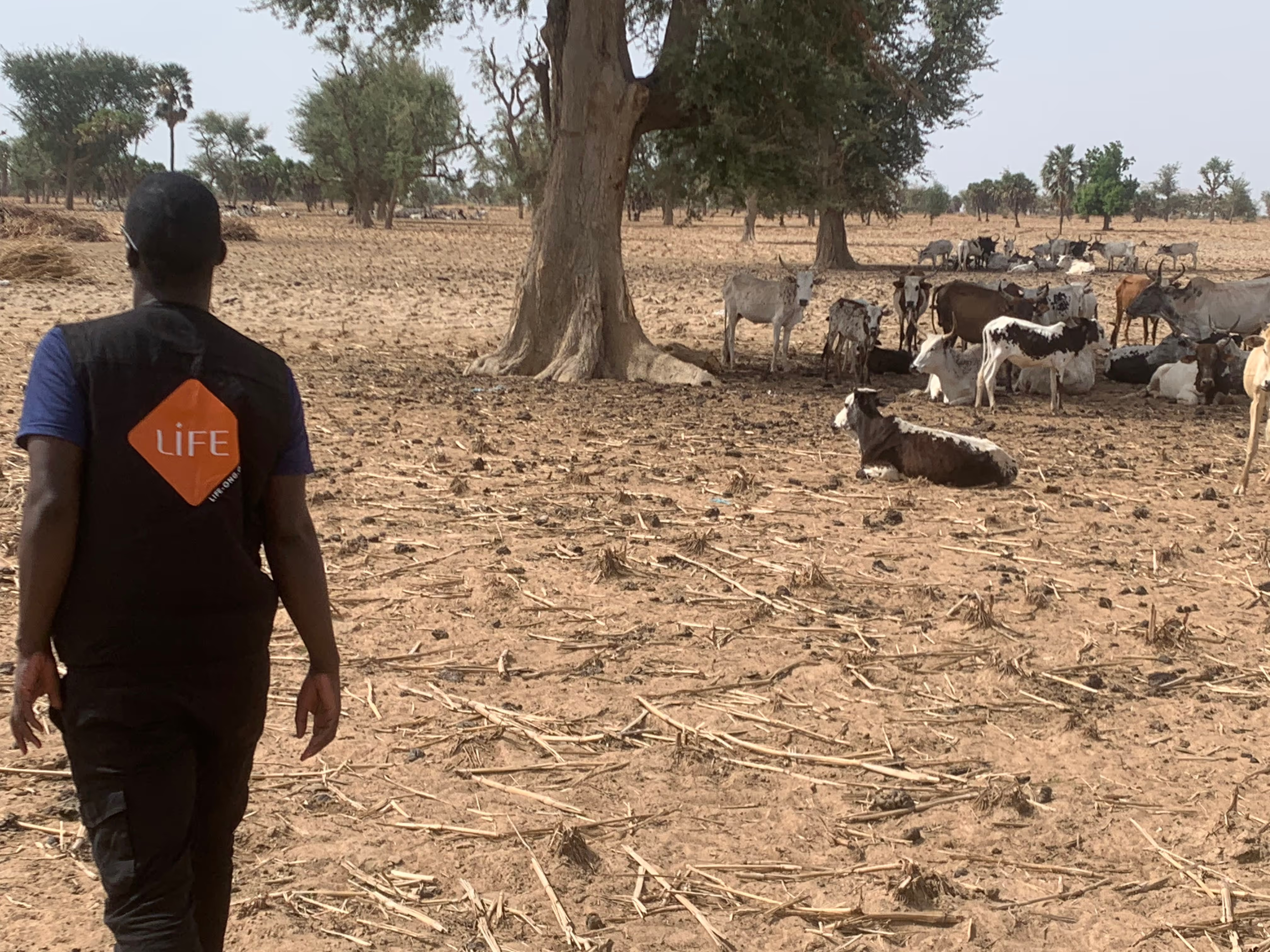
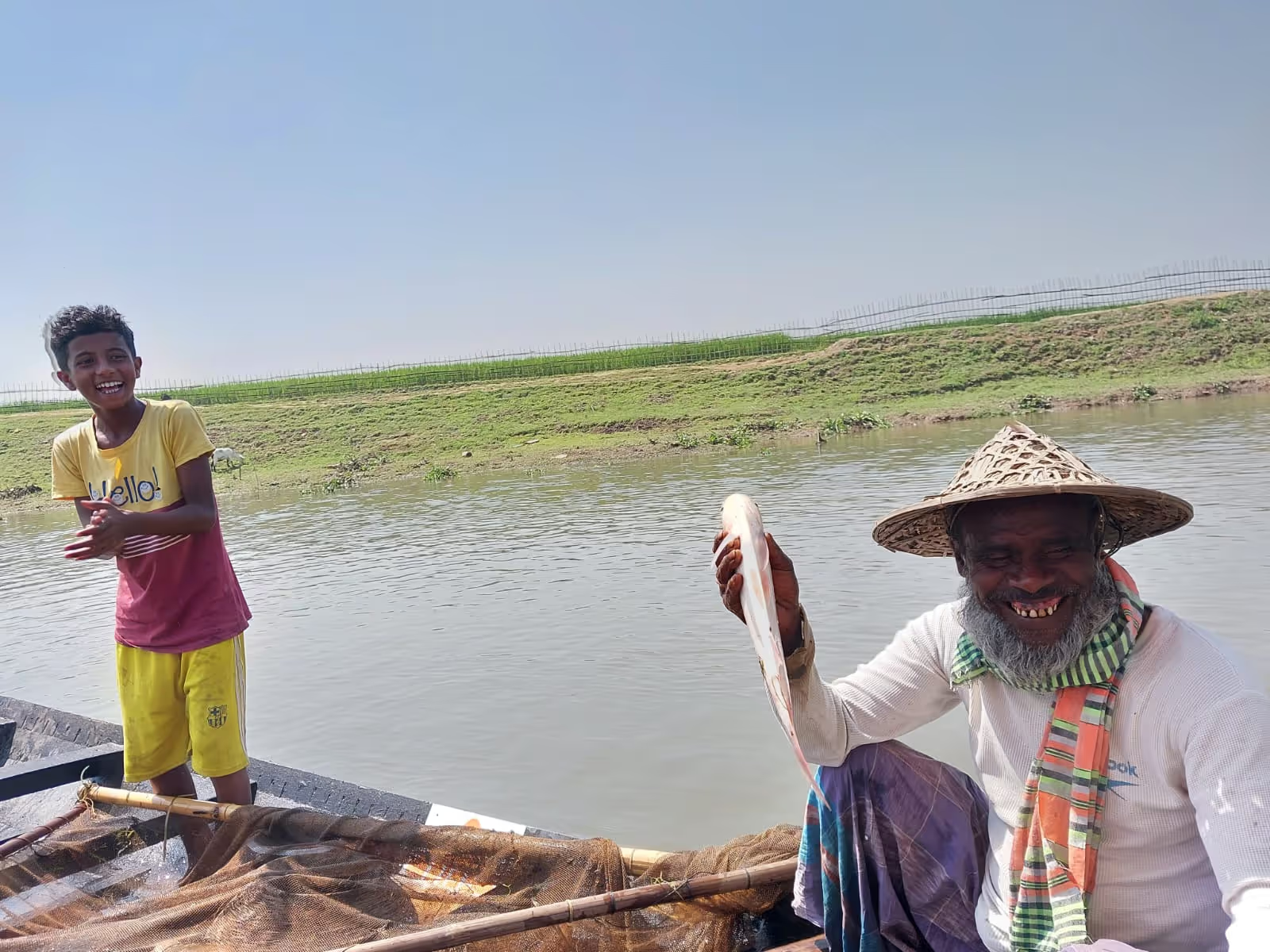
Sectors that depend on water, such as farming, fishing, tourism and industry, are directly affected by climate change. Economic losses can be significant, and they undermine the financial stability of local communities and whole nations.
How can we adapt to global warming?
To meet the challenges of climate change, we need management and adaptation strategies that ensure water resources are used sustainably. Here are some key approaches:
Integrated Water Resources Management
IWRM means planning and managing water in a coordinated way across all the sectors that use it. It takes into account how surface water and groundwater interact, and it builds in environmental, social and economic considerations.
Ways to protect water reserves
Drip irrigation, rainwater harvesting and wastewater reuse can all help reduce demand for water.
Building wells and water towers
Building wells is a lasting solution to the water access problems that climate change is making worse. Wells give reliable access to groundwater, so communities depend less on erratic rainfall. They also reduce the risk of contamination, make communities more resilient and support sustainable management of water resources. This makes them vital for securing drinking water and protecting livelihoods as the effects of climate change grow stronger.
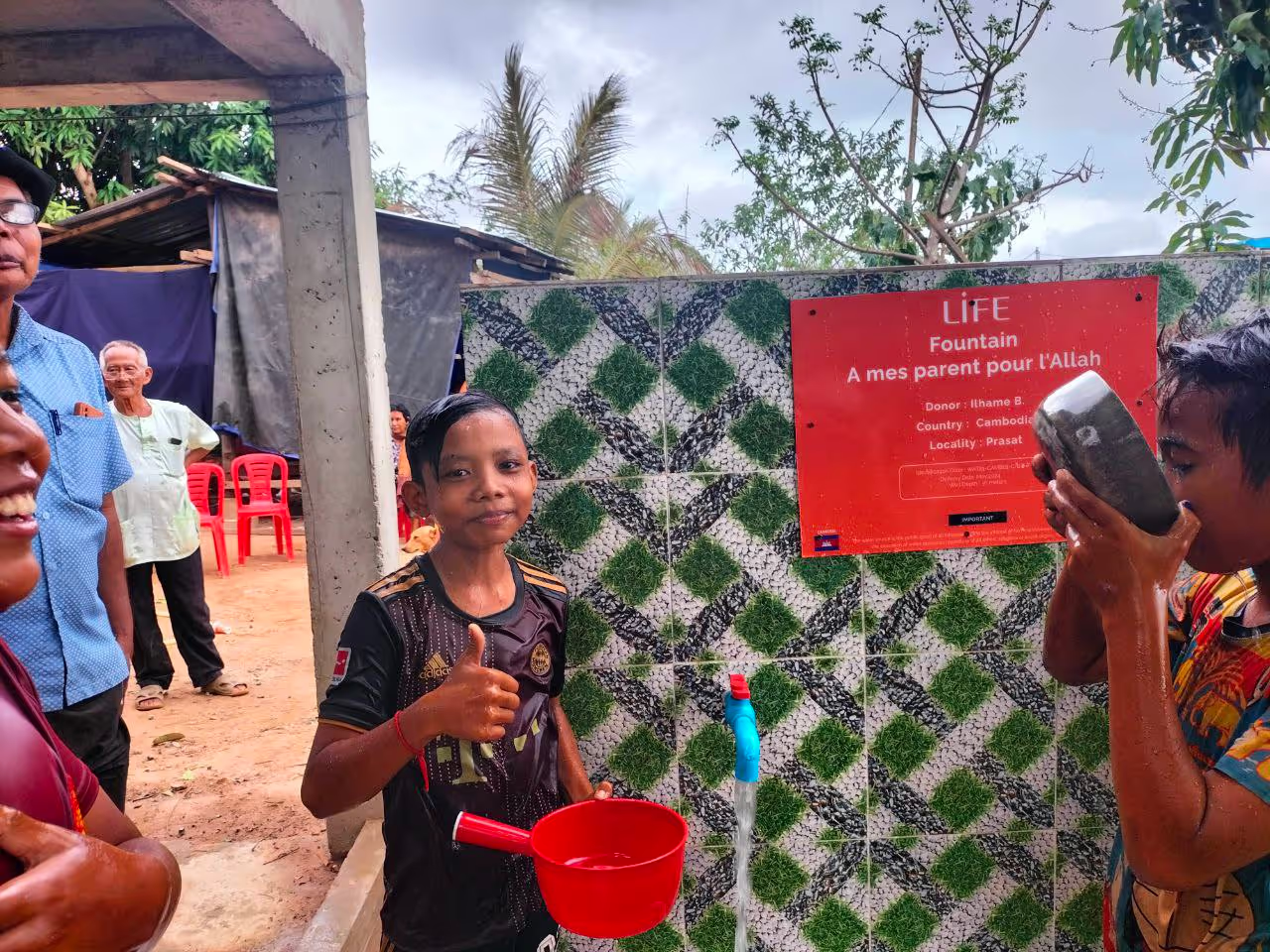
At LIFE, we work in parts of the world where climate change brings floods and droughts one after another, and where people have to walk for hours to find water that is often unsafe. We work in Africa, and also in Asia, including Cambodia. There, in Kampong Thom province, in flood-prone areas with poor access to water and sanitation but where drought also hits hard, we have built water towers and drinking water fountains.
Restoring damaged ecosystems
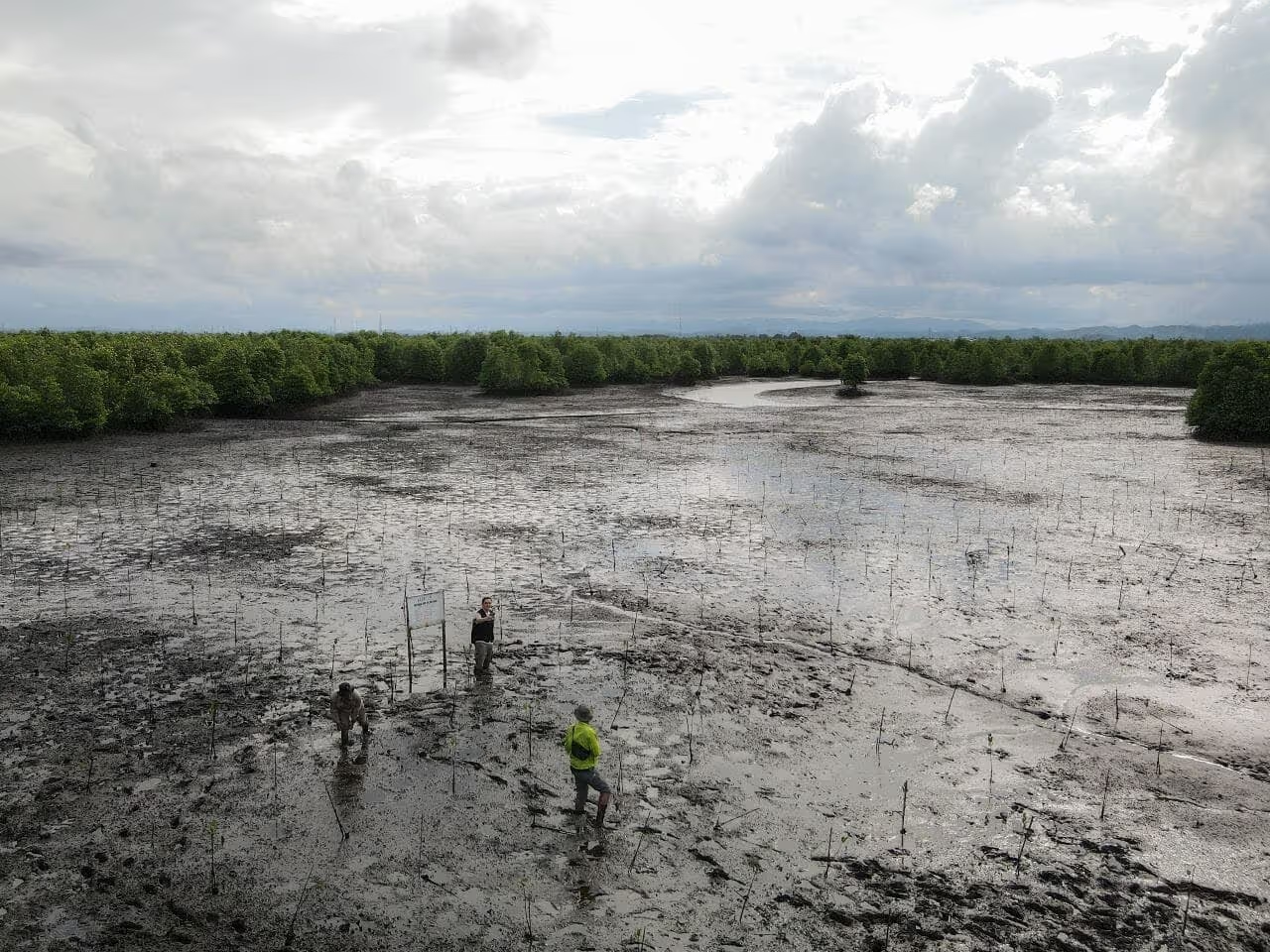
Restoring and protecting wetlands, mangroves and riverside forests can help regulate the water cycle, reduce the risk of flooding and improve water quality.
LIFE works in places such as Indonesia, home to one of the largest areas of mangrove in the world. In Sumatra, we have launched an ambitious project to plant mangroves and fruit trees through our SAPOUSSE campaign. Working with local communities, we are replanting mangrove trees, the tree at the heart of the mangrove forest. Our goal is to plant a total of 20,000 trees. Alongside this, we are raising awareness among local people of how important it is to protect this vital ecosystem. After all, a mangrove forest stores 5 times more CO2 than an ordinary forest! By protecting the coast, it also forms a powerful barrier against storms and floods. And that's not all: mangroves are home to rich wildlife, filter water, support fishing by providing habitats for fish, and supply natural resources. An ideal ecosystem as the planet warms!
Building capacity and strengthening governance
It is vital to strengthen the water management skills of local and national institutions, encourage communities to take part, and put in place effective policies and regulations so that water resources are managed sustainably.
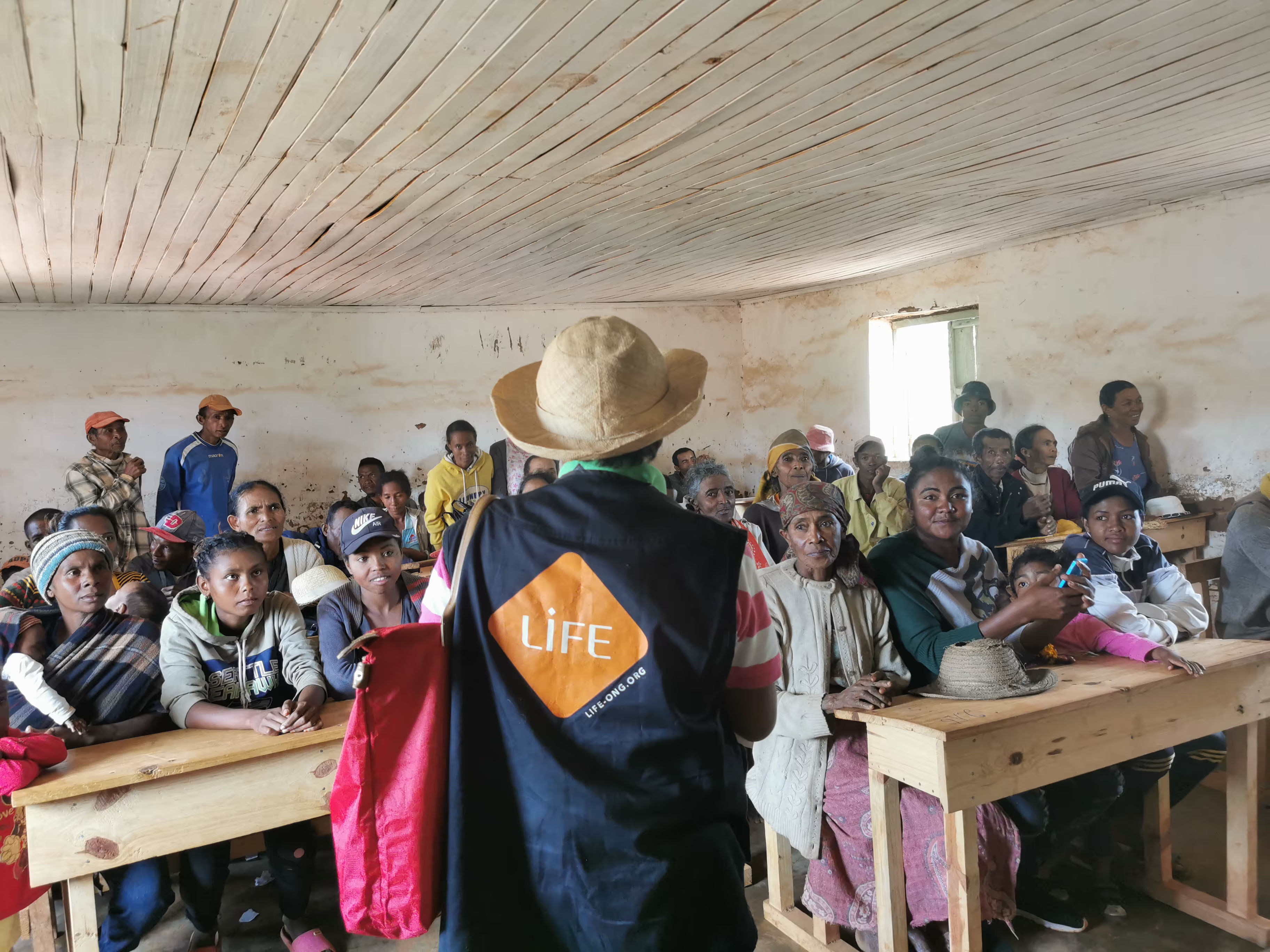
Raising awareness and educating communities
People need to understand the effects of climate change and know how to save water. This is key to encouraging responsible behaviour and sustainable management of water resources.
Climate change has deep and wide-ranging effects on water resources. Yet with the right management and adaptation strategies, we can reduce the risks and make sure water reserves are used sustainably. International cooperation, technological innovation and community involvement are essential if we are to meet this challenge and build a future where clean water remains within everyone's reach.
Ready to help?
I start a fundraiser
Support the causes close to your heart by starting an online fundraiser with LIFE.
Raising funds for a charity has never been easier!