Why planting mangroves matters in the fight against climate change
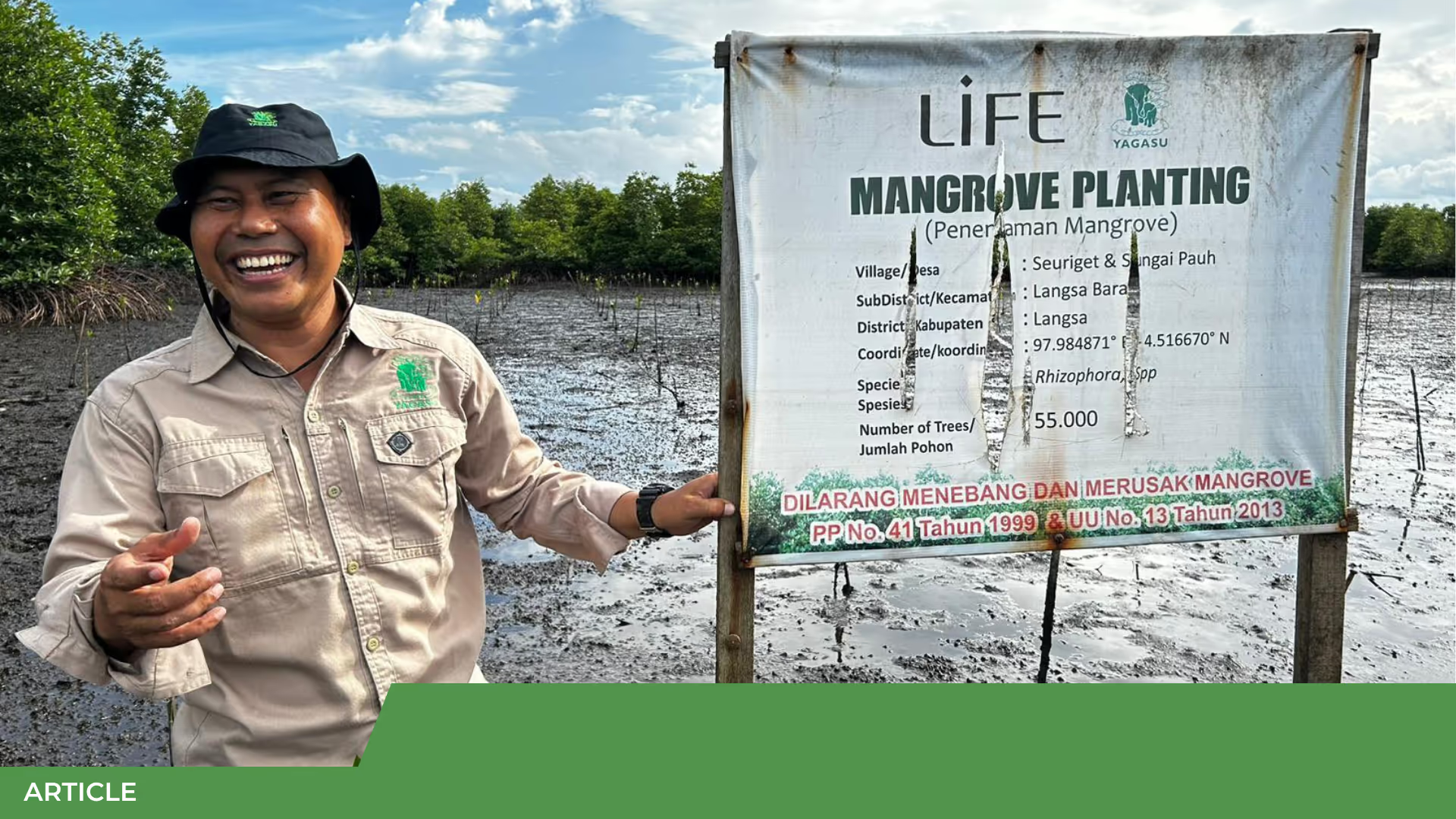
There's no need to hunt for sophisticated technology to hold back the ravages of climate change! Some of the natural treasures our planet gives us can be powerful, and often underestimated, allies in this fight. Mangroves are one of them. They guard our coastlines, act as irreplaceable carbon sinks, shelter marine life, drive local economies and help communities withstand the growing impacts of climate change. Let's take a closer look at this vanishing yet vital plant ecosystem.
What is a mangrove?
A mangrove is a tropical or subtropical coastal ecosystem made up mainly of mangrove trees, its signature species. So what makes this plant so remarkable?
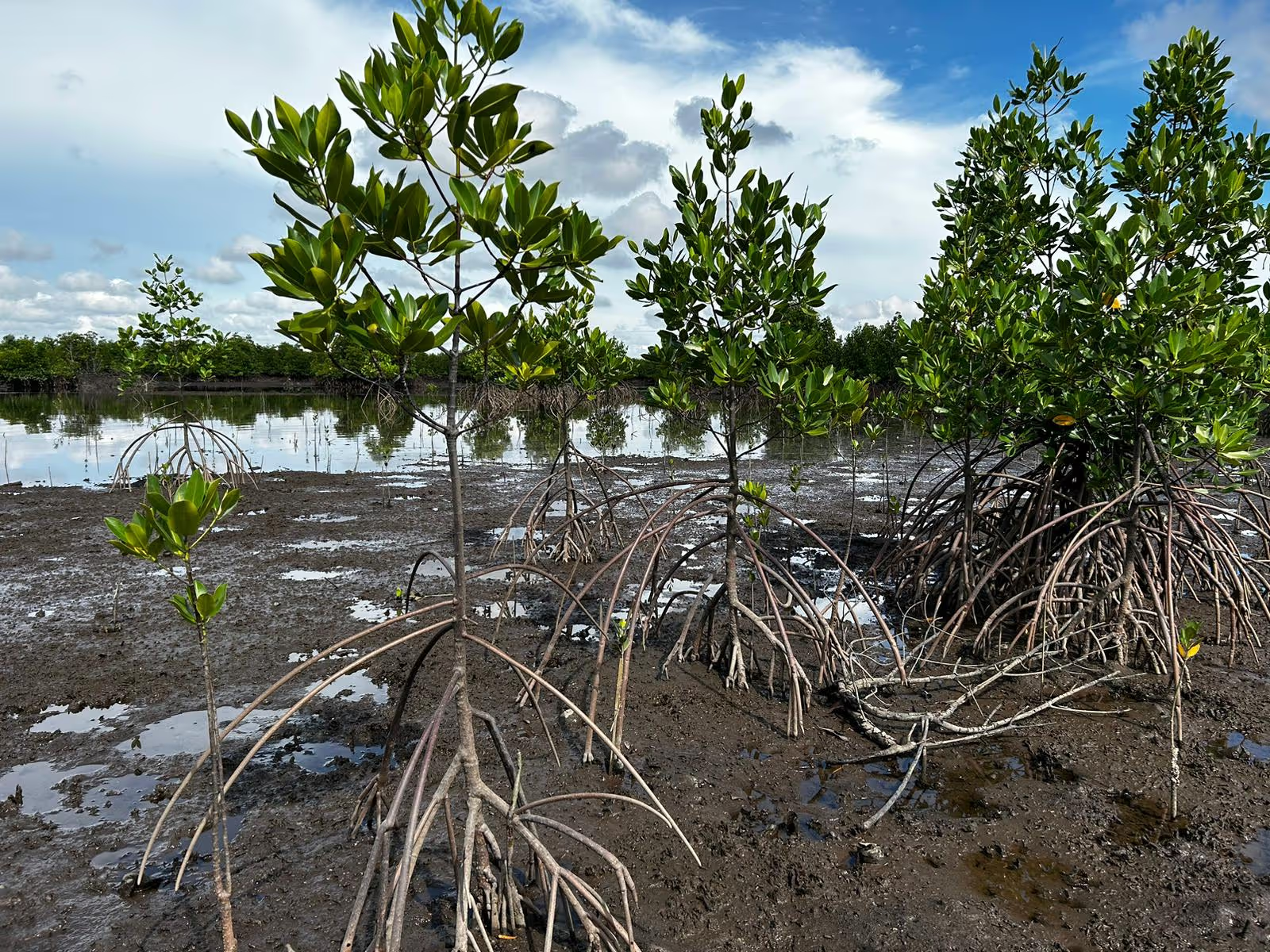
Mangrove trees and shrubs can survive in harsh conditions such as salt-saturated, brackish soils. They also cope with rising and falling water levels as the tides come and go. A hallmark of the mangrove is their aerial roots, called pneumatophores, which let them breathe in waterlogged soil and anchor themselves in the mud. Some species, such as the red mangrove (rhizophora mangle), put out stilt roots that rise like aerial trunks before plunging into the ground.
The word "mangrove" refers to both the vegetation and the ecosystem around it. This coastal forest is a vital home for many marine and land species, and essential to the ecological balance of coastal areas.
Did you know? Mangroves make up just 1% of the world's tropical forests. 40% of their area is found in 4 main countries: Indonesia (19% of the global total), Brazil, Nigeria and Mexico.
Mangroves in danger
More than 35% of the world's mangroves have disappeared since the early 2000s. Much of this deforestation is driven by aquaculture: shrimp farms are replacing mangrove trees. Pollution, ocean acidification and rising sea levels also play their part. If nothing is done, by 2100 the mangroves of France's overseas territories, for example, could face a 13% reduction in their current area. In Mayotte and Martinique, urban development is hitting them especially hard.
We urgently need to turn the tide so the planet can enjoy everything mangroves and their trees have to offer!
Mangroves: a natural shield
A mangrove is an ecotone, in other words a transition zone between land and sea. Mangrove trees grow right on the boundary between the two, which makes them essential for protecting coastal soil. They defend shorelines against relentless erosion and devastating storms. As climate change makes these storms more frequent and more powerful, mangrove forests are becoming indispensable. Their maze of roots holds the soil together and softens the destructive force of the waves. They provide a vital first line of defence for vulnerable coastal communities around the world.
Mangroves: powerful carbon sinks
What many people don't realise is that mangroves are not just guardians of the coast: they are also key to capturing carbon from the atmosphere. Despite their relatively small size, these ecosystems can store a phenomenal amount of carbon, often more than land-based forests. One study suggests they can capture 3 to 5 times more carbon than those forests. By planting mangroves, we can hope to soften the impacts of climate change by effectively capturing and locking away atmospheric carbon.
Sanctuaries for marine life
Mangroves and their trees are more than picturesque scenery; they are vital nurseries for marine biodiversity. They are home to a host of species, from fish and crustaceans to migratory birds, and offer crucial habitats where young marine animals can breed, feed and shelter. They also act as natural filters, trapping pollutants in run-off water before they reach coral reefs and other marine ecosystems.
Mangroves: a livelihood for local people
Beyond their ecological value, mangroves, the forests in the sea, are an economic lifeline for many coastal communities. What these ecosystems provide – fish, shrimp, crabs, building timber and much more – is essential to the livelihoods of millions of people worldwide.
Mangrove restoration around the world: some examples
Here are a few inspiring projects protecting or replanting mangroves in different parts of the world:
UN-REDD's mangrove conservation programme in Kenya
In Kenya, it is estimated that between 1985 and 2009, mangroves lost more than 20% of their area. For the past 3 years, the United Nations, the Kenyan government and other partners have been running several community projects to conserve this ecosystem. They give local people extra income while protecting biodiversity and the environment. Mikoko Pamoja is one of them, conserving around 1,170,000 mangrove trees across 117 ha allocated by the Kenyan government.
Restoring mangroves in Indonesia
In Indonesia, where much of the mangrove has been destroyed by logging and intensive aquaculture, several restoration initiatives have been launched.
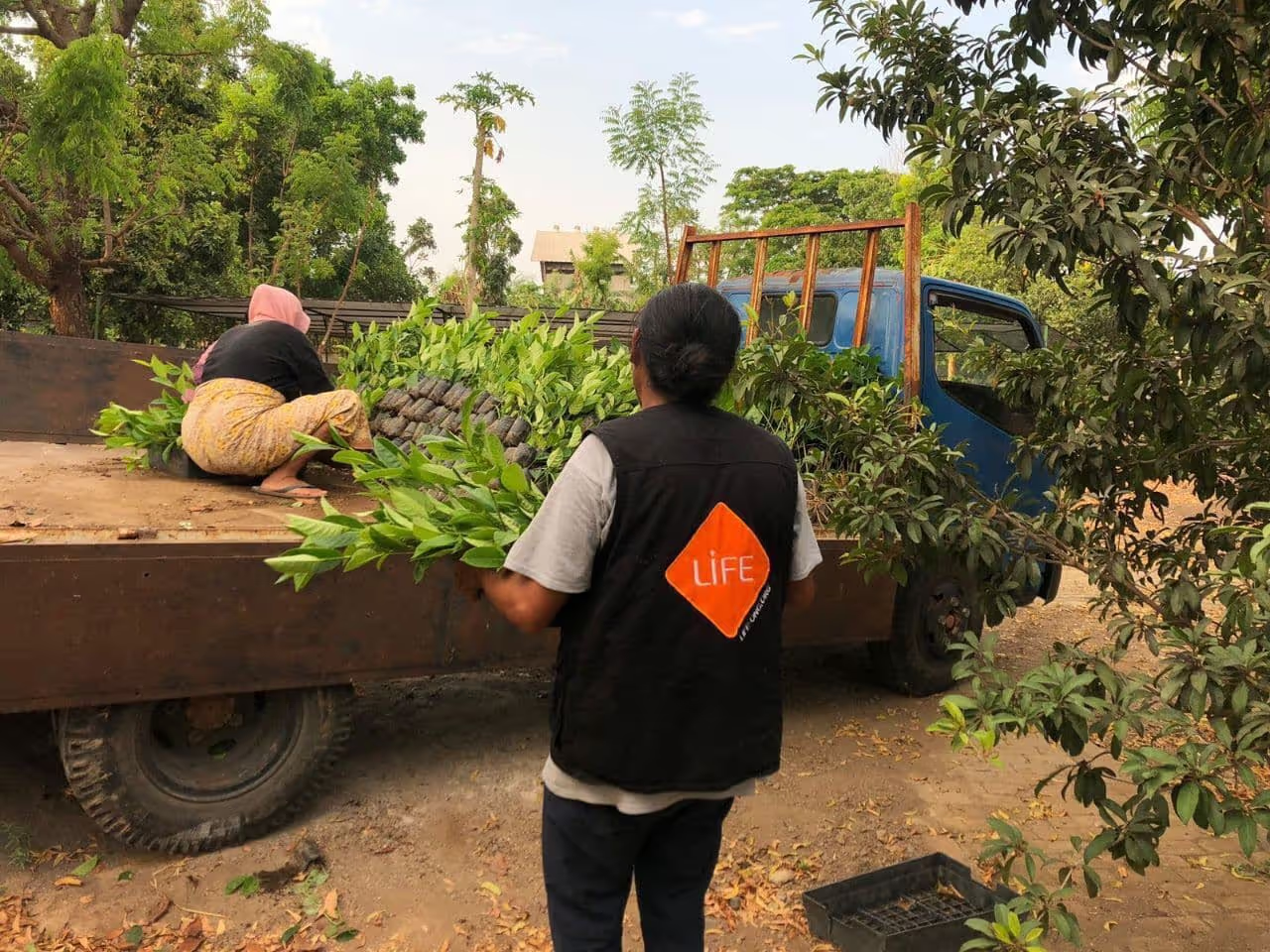
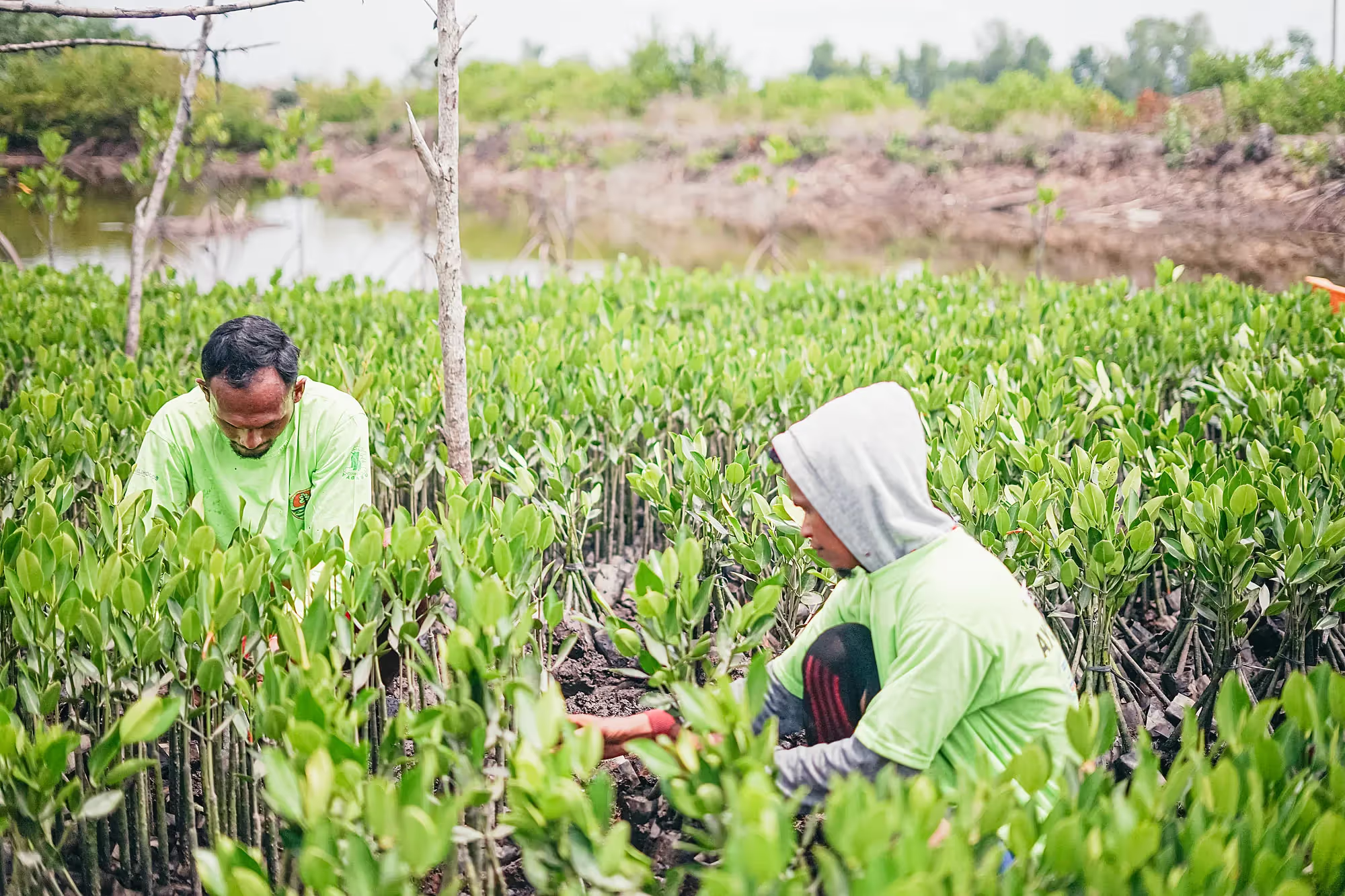
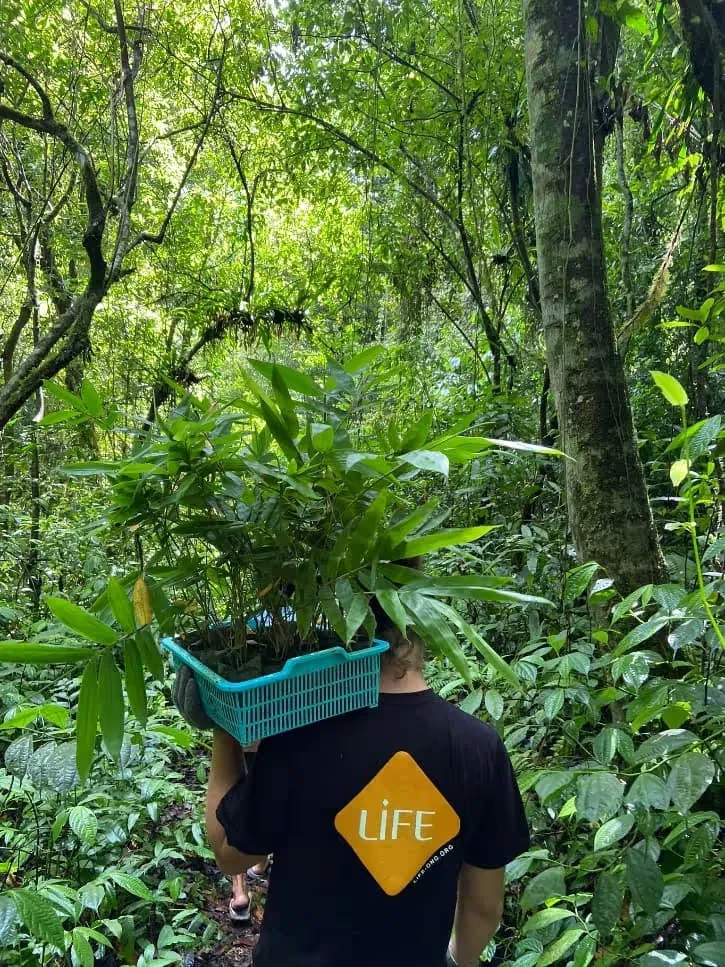
At LIFE, through our SAPOUSSE campaign, we work in the West Tenggara region, in the village of Genggelang. There, we are running a project to plant mangroves and fruit trees. In total, 20,000 trees will be planted. We are also raising local awareness of how important this ecosystem is.
In Thailand
In Thailand, more than 700 km of coastline, a quarter of the country's coast, is threatened by erosion. The small village of Samut Chin sums up the situation. Its mangrove was completely torn out to make way for shrimp ponds. Flooding became ever more frequent. Now only the Buddhist temple remains, surrounded by water… Its head monk has launched a large-scale restoration programme. Awareness of how important mangroves are, and of the need to protect mangrove trees, is slowly growing, and the whole country is mobilising.
Mangroves in France's overseas territories
IFRECOR (the French Coral Reef Initiative) and the Fondation de la Mer are launching a call for projects, "SOS Corail", to protect mangroves in France's overseas territories. Mangroves are found in 10 territories, covering almost 88,000 ha. 90% of their area is in French Guiana and New Caledonia.
Did you know? New Caledonia has as many as 19 different species of mangrove tree.
These examples show the wide range of mangrove restoration efforts around the world, and highlight how important community action, awareness-raising and international cooperation are in restoring and protecting these vital ecosystems.
Education and awareness
A crucial part of ensuring mangroves survive is educating and raising awareness among local communities and society as a whole. By understanding the many benefits of mangroves and recognising how important they are to the health of our planet, we can rally greater support for protecting and restoring them.
Global action is essential
No single country or organisation can save the mangroves alone. International cooperation is essential to put effective planting and restoration strategies in place, and to secure their long-term protection.
As we battle the devastating effects of climate change, mangroves offer a simple but powerful solution. Sitting between land and water, planting and protecting them brings many benefits, from shielding coastlines and cutting carbon emissions to preserving biodiversity and supporting local economies. Planting and restoring mangroves is not only a wise environmental choice, but also an investment in the resilience of coastal communities and a more sustainable future for all.
Ready to help?
I start a fundraiser
Support the causes close to your heart by starting an online fundraiser with LIFE.
Raising funds for a charity has never been easier!