Mali: a security and humanitarian crisis – how to help its people
At a glance
- Mali is going through a complex humanitarian crisis that OCHA describes as "neglected". According to the 2026 Humanitarian Response Plan presented in Bamako on 5 February 2026, 5.1 million people need humanitarian aid.
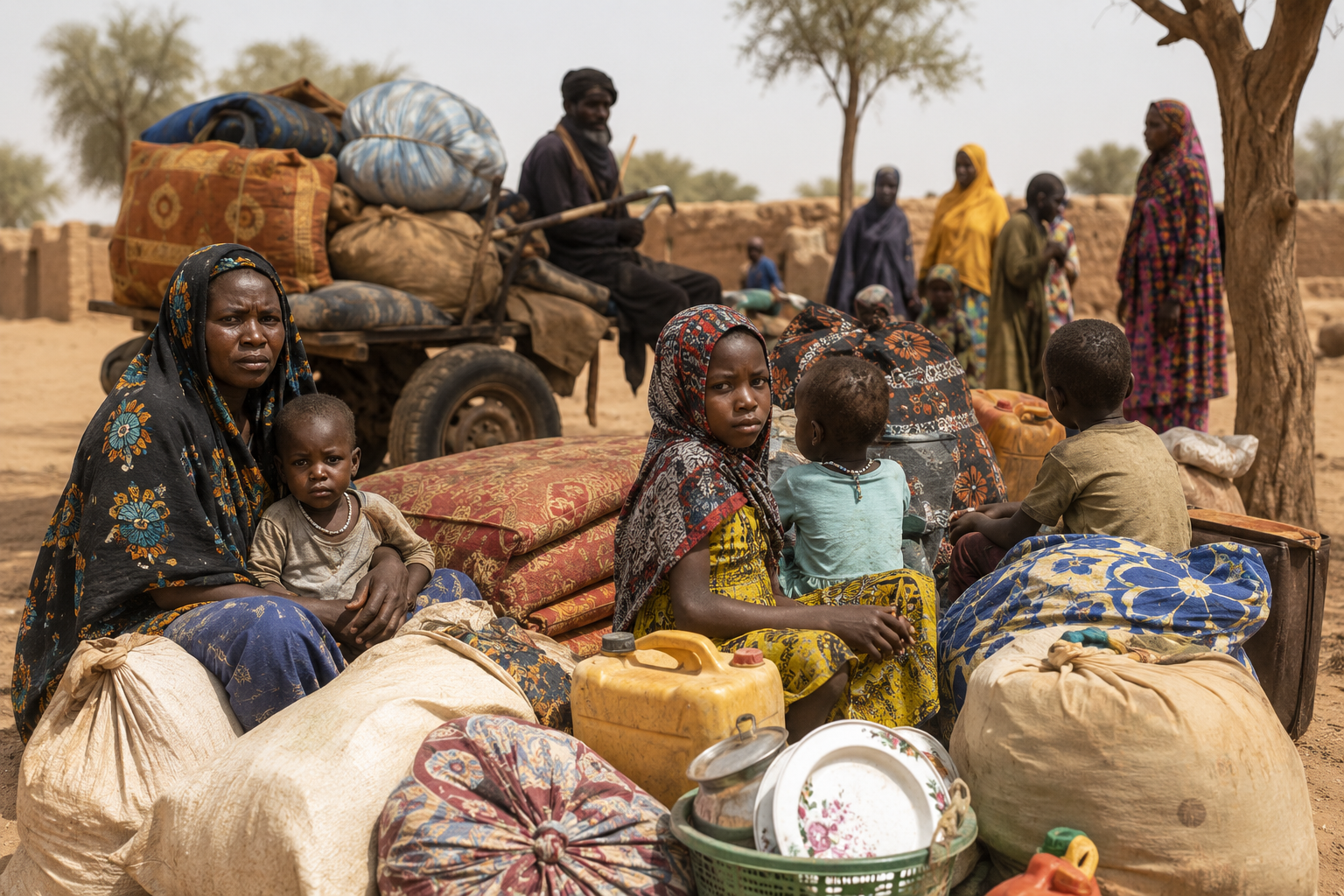
- At the end of 2025, nearly 415,000 people were internally displaced, 58% of them children (source: OCHA Mali / DNDS Mali, 2026).
- Humanitarian access is getting worse: 814 incidents were recorded in 2025, up 40% on 2024. In 2025, only 21% of needs were funded, the lowest rate in 10 years.
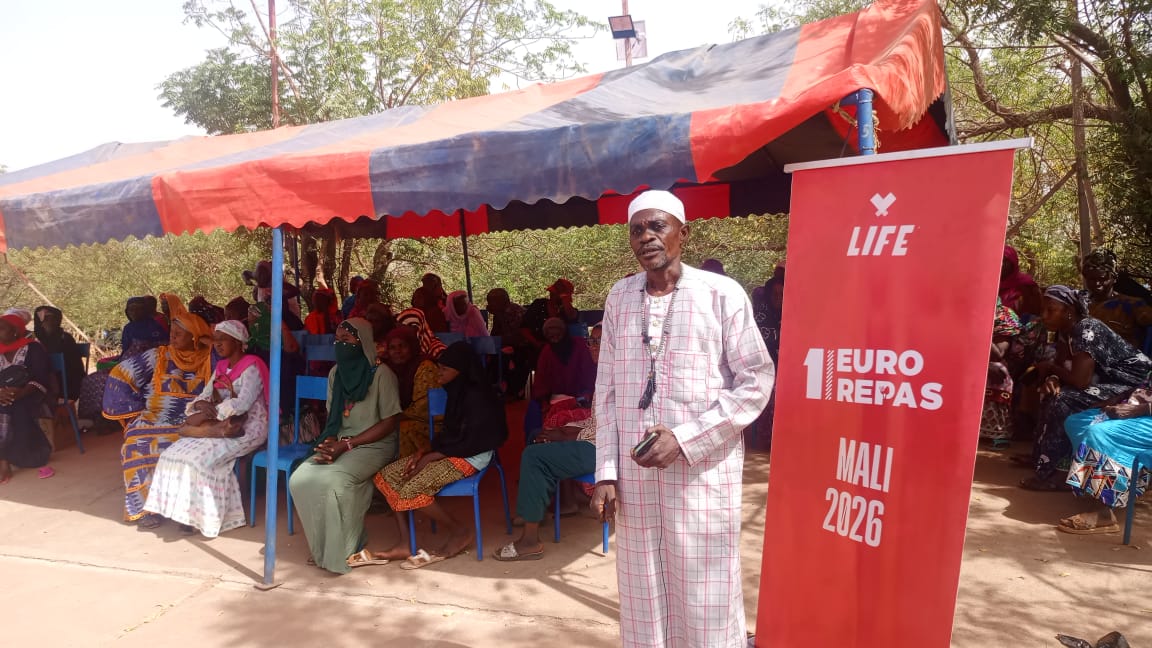
- LIFE works in Mali with food aid, water access and support programmes for displaced people.
- LIFE's donor relations team is on hand to answer all your questions about our ongoing operations.
Mali rarely makes the front pages. Yet for more than a decade the country has been facing a deep humanitarian crisis, fuelled by armed conflict, insecurity, climate disruption and chronic underfunding of the humanitarian response. This guide explains what is happening in Mali, why helping there is so hard, and how you can take practical action from France.
What is the humanitarian situation in Mali in 2026?
Mali is facing what OCHA calls a "neglected crisis, with interconnected human consequences that go beyond the figures". According to the 2026 Humanitarian Response Plan presented in Bamako on 5 February 2026, 5.1 million people need humanitarian aid, in a country of fewer than 25 million inhabitants. The crisis has many causes: persistent armed violence in the north and centre of the country, climate shocks (droughts, floods), recurring epidemics and a fragile economy.
Key figures
Sources: OCHA Mali, 2026 Humanitarian Response Plan (5 February 2026) and DNDS Mali
| Indicator | Figure |
|---|---|
| People in need of humanitarian aid | 5.1 million |
| People targeted by the 2026 response plan | 3.8 million |
| 2026 humanitarian appeal budget | 577.9 million dollars |
| Internally displaced people, end of 2025 | Around 415,000 (58% of them children) |
| Refugees hosted in Mali | Around 250,000 |
| Schools closed due to insecurity | At least 2,300 |
| Humanitarian funding rate in 2025 | 21% (lowest level in 10 years) |
What a 21% funding rate means
in 2025, for every euro needed to help people in Mali, international donors provided less than a quarter. The direct result: humanitarian partners had to narrow their work to just 97 of the country's 159 cercles (administrative districts). Millions of vulnerable people received no assistance at all.
Why is the crisis in Mali so hard to resolve?
The crisis in Mali is the result of a build-up of factors that have been reinforcing one another for more than ten years.
A worsening security situation
Since 2012, jihadist armed groups and rebel factions have controlled parts of Malian territory, mainly in the north and centre of the country. Military operations by the Malian Armed Forces (FAMa) and their allies have failed to bring lasting stability to these areas. Since 2021, Mali has been ruled by a military junta, following two successive coups. According to Human Rights Watch's World Report 2026, General Assimi Goïta has been elevated to president until 2030 without an election, formalising long-term military rule.
Humanitarian access is deteriorating
It is becoming ever harder for aid workers to reach people in need. According to OCHA, 814 humanitarian access incidents were recorded in 2025, up 40% on 2024. The January 2026 humanitarian access dashboard confirms a "profound transformation of the access crisis in Mali".
Climate shocks that deepen needs
Mali is one of the countries in the Sahel most exposed to the effects of climate disruption. Droughts, desertification, seasonal floods: these destroy harvests and livelihoods, especially in areas where insecurity already makes normal life impossible.
What OCHA's Humanitarian Coordinator in Mali says (5 February 2026)
"The humanitarian crisis in Mali remains a neglected crisis. As we launch this appeal, it is important to remember that access to water, food, healthcare and education have become 'luxury goods' for far too many people."
How LIFE works in Mali
LIFE works in Mali in a particularly constrained operating environment. Its programmes adapt to the areas that can be reached and to the most urgent needs identified with its local partners:
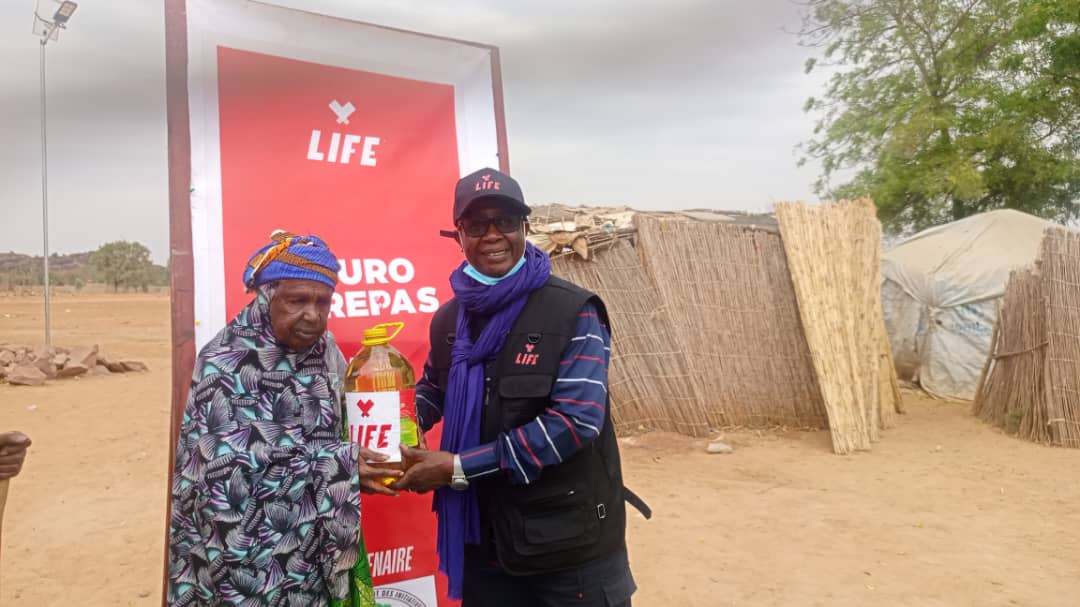
- Emergency food aid: distributions of food parcels and cash for displaced families and host communities
- Access to clean water: support for water points in areas hit by drought and displacement
- Essential kits: hygiene, shelter and blankets for families without stable housing
- Education support: helping to provide temporary learning spaces for displaced children, at a time when 2,300 schools are closed
LIFE works with local partners who understand the dynamics on the ground and can reach areas that international organisations cannot. To follow LIFE's operations in Mali, visit life-ong.org/lp/fond-urgence. Our donor relations team can give you detailed information about ongoing programmes.
Why giving to Mali is especially urgent
The crisis in Mali is structurally underfunded. With only 21% of needs covered in 2025, Mali is one of the countries most neglected by international donors. This withdrawal has direct consequences: NGOs have had to narrow their areas of work, leaving millions of people without any support. Every gift to LIFE for Mali fills a gap that institutional funding no longer covers. To understand how NGOs handle humanitarian emergencies where access is difficult, our article Humanitarian emergencies: how NGOs work on the ground explains everything. To learn more about another crisis that shares many features with Mali's, read our article The crisis in Sudan: understanding the situation and knowing where to give. The situation of climate refugees, another group very present in the Sahel, is covered in our article Climate refugees: who are they and how can we help?
Would you like to support people in Mali?
66% of your gift is eligible for French tax relief, and you will receive an annual tax receipt. Our team is here to answer any questions – get in touch!
Donate now →Frequently asked questions
Why do we hear so little about the crisis in Mali?
OCHA itself describes the crisis in Mali as "neglected". Journalists find it very hard to get access, the violence is scattered rather than centred on a single headline event, and competition with more visible crises (Gaza, Ukraine) reduces international attention. This invisibility feeds directly into underfunding.
Who controls Mali today?
Since 2021, Mali has been ruled by a military junta following two coups. According to Human Rights Watch's World Report 2026, General Assimi Goïta has been formally installed as president until 2030 without an election. The country has left the ECOWAS institutions and strengthened its ties with Russia through the Africa Corps group (successor to the Wagner Group).
Does humanitarian aid really reach Mali?
Access is difficult but not impossible. NGOs with established local networks manage to work in many areas, even though 15 localities remain hard to reach according to OCHA. LIFE relies on local partners who understand the dynamics on the ground. Our donor relations team can tell you about our current areas of work.
Which groups are hardest hit in Mali?
Internally displaced people (around 415,000), refugees from neighbouring countries (around 250,000), and host communities sharing resources that were already insufficient. Among displaced people, 58% are children and 30% are women and girls, according to data from Mali's National Directorate for Social Development reported by OCHA.
How is my gift to LIFE for Mali used?
LIFE allocates gifts received for Mali to its field programmes: food aid, clean water, essential kits and education support. LIFE's annual accounts are published and certified by an independent auditor. Our donor relations team can give you precise information on how your gift is allocated.
Ready to help?
I start a fundraiser
Support the causes close to your heart by starting an online fundraiser with LIFE.
Raising funds for a charity has never been easier!