9 keys to empowering local communities
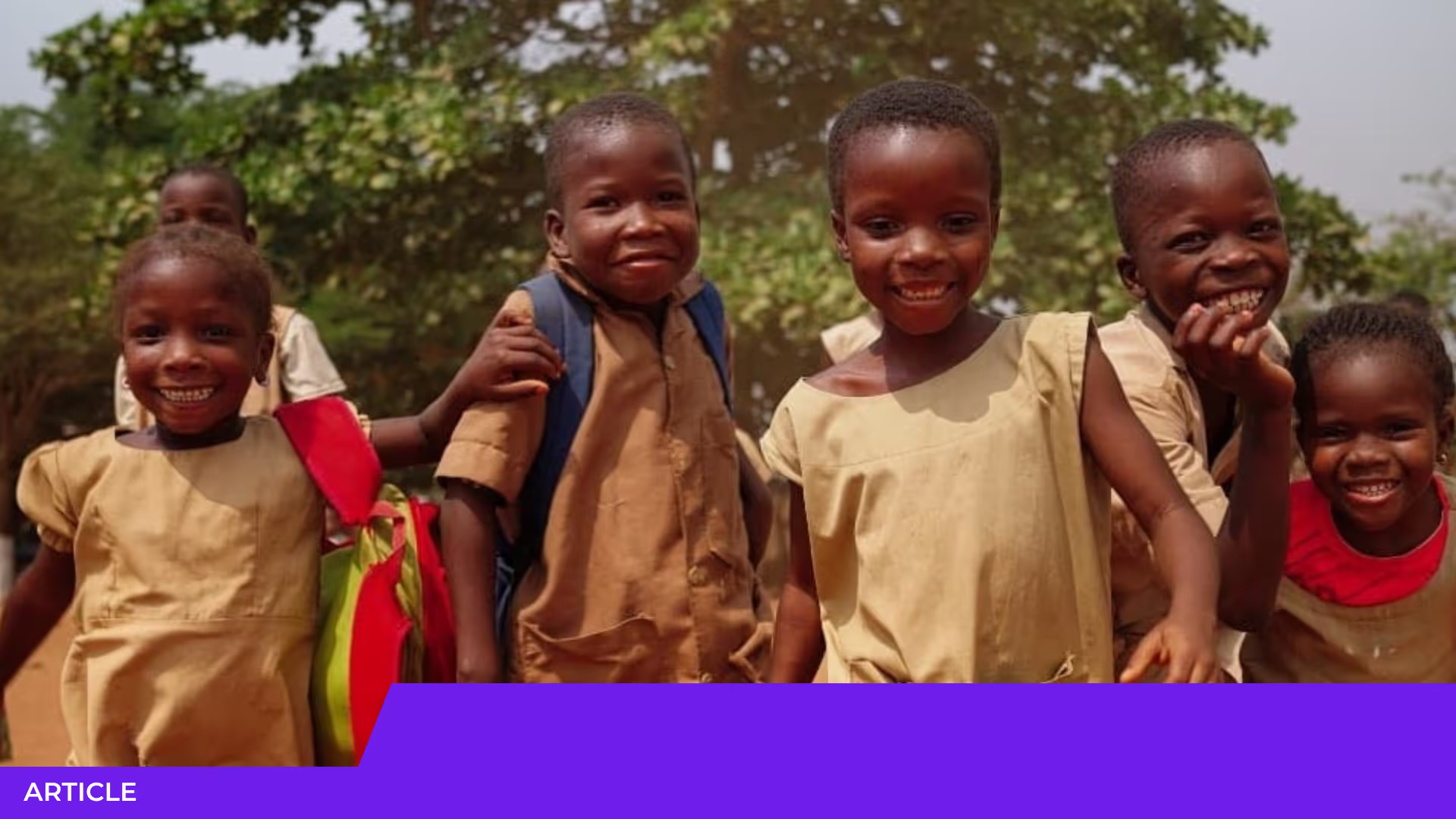
Imagine a world where every community has the power to shape its own future. A world where the barriers to education, healthcare and economic opportunity have been broken down, making way for innovation, resilience and sustainable growth.
Here are the 9 essential keys to unlocking that extraordinary potential and changing lives in lasting, meaningful ways.
1. Access to quality education
Education is the foundation on which local communities build their future. By investing in primary and secondary education, as well as vocational training, communities can develop core skills, tackle many challenges and become far more resilient.
At LIFE, we help thousands of children around the world get back into the classroom, with a quality education and an environment where they can really learn.
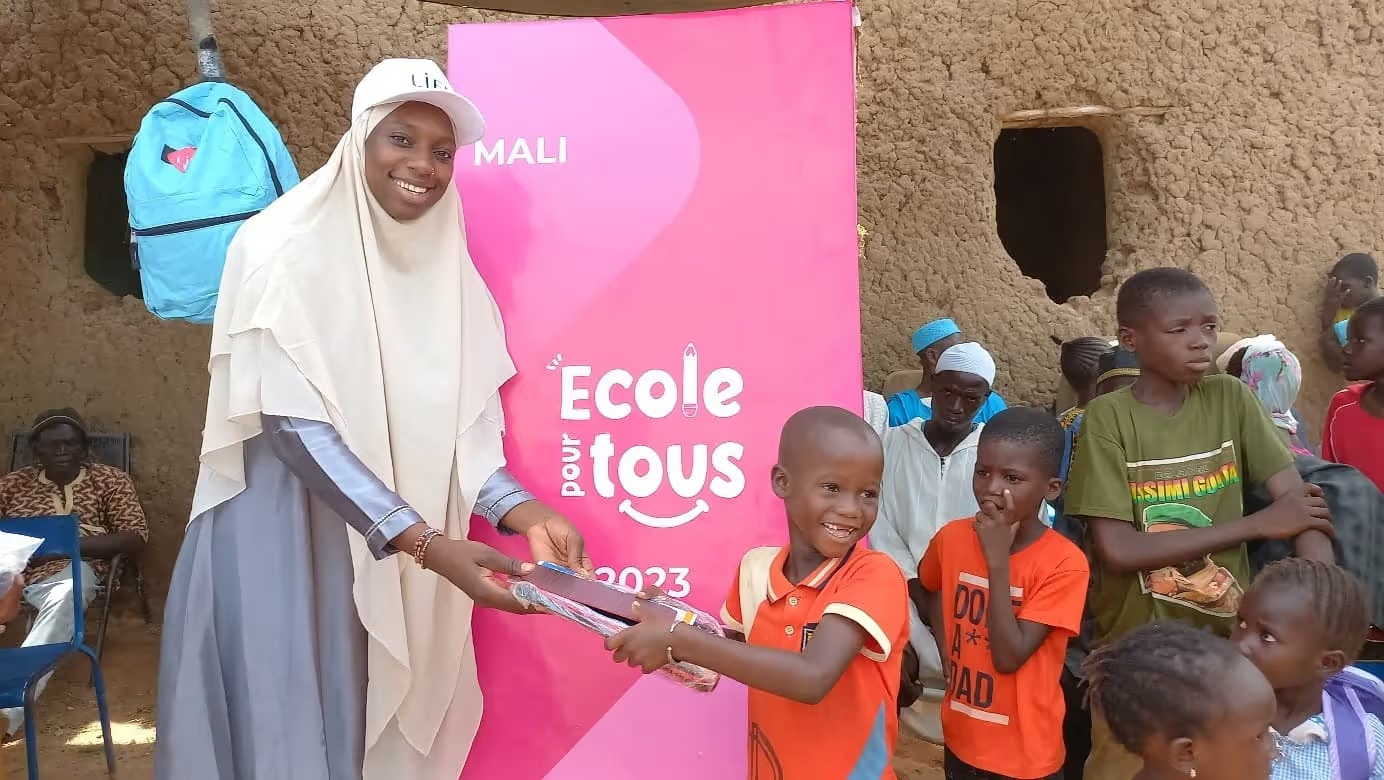
Through our ‘School for All’ campaign, we build and renovate schools, provide equipment, and install toilets and drinking-water wells close by. Children, teachers and everyone around them enjoy a better quality of life. Every year, we also hand out school kits to children from families in need.
And for young adults, we keep expanding our training programmes. Whether in Guinea, Togo, Lebanon, Palestine or elsewhere, they build specific skills suited to local needs: sewing, food processing, installing and maintaining solar energy systems, IT and more.
2. Easier access to economic resources
With easier access to finance, markets, training and land, and with a supportive regulatory environment, local communities can turn their potential into economic reality.
- Microcredit, for example, provides small loans to entrepreneurs who have no access to traditional banking. In India, microfinance programmes such as those offered by Grameen Bank have enabled millions of women to set up local businesses, generating stable incomes and boosting their financial independence.
- Developing cooperatives allows small producers to pool their resources, reach wider markets and get better prices for their products.
- Policies that support small businesses and entrepreneurship encourage innovation and investment, as in Morocco, Ghana, Vietnam and elsewhere.
3. Building basic infrastructure
Investing in basic infrastructure such as electricity and safe drinking water is essential. In Africa, every dollar invested in drinking-water services is estimated to return 3 dollars or even more, especially in rural areas where the need is often greatest.
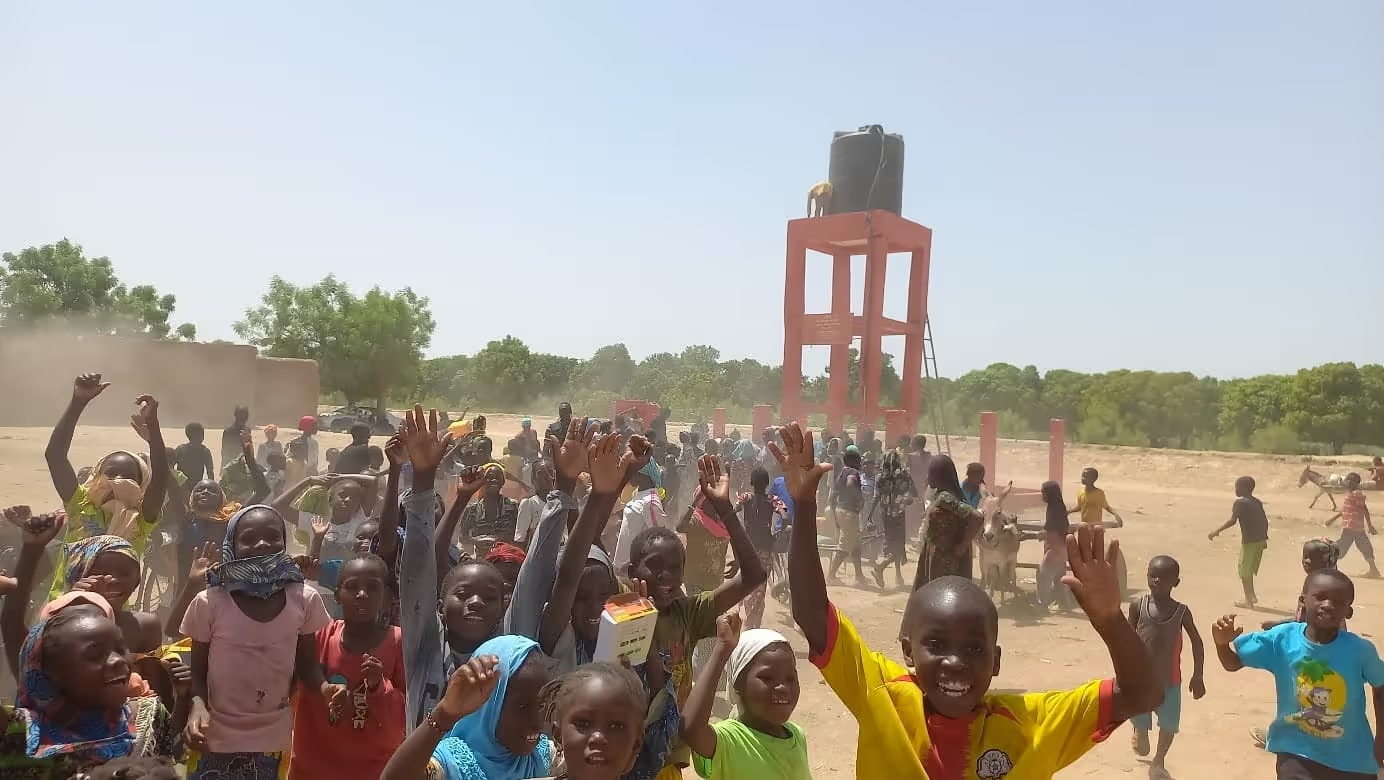
At LIFE, through our OASIS campaign, we build wells, fountains and drinking-water towers across Africa and Asia, along with sanitation and hygiene facilities. Over the past 10 years, more than 2,000 projects have been completed in 10 different countries.
4. Ensuring health and wellbeing
A healthy population is more productive, more resilient and better able to contribute fully to society. That means building rural health centres and modernising hospitals. Vaccination programmes prevent disease and improve public health. It also means training health workers and making medicines and care easier to access. Meanwhile, awareness campaigns and nutrition programmes encourage people to adopt healthy habits and help bring down child malnutrition rates.
5. Gender equality and social inclusion
Women's employment drives growth and fosters inclusion. When few women take part in the labour market and jobs are segregated by gender, the result is inefficiency and wasted talent, holding back incomes and economic growth. If gender gaps in employment were closed, long-term GDP per capita would rise by almost 20% on average. Women's leadership can also boost long-term economic, environmental and social performance while strengthening institutions. Studies show that greater representation of women in corporate decision-making roles is linked to lower CO2 emissions and higher net profit margins.
At LIFE, we work day after day to restore the confidence of girls and women and help them become more independent. How? For example, by adding toilets to schools. This improves their health and hygiene, cuts school absences linked to periods, and keeps them safe and dignified. By building drinking-water wells near their villages, we free them from the heavy burden of fetching water from miles away, so they can go to school. By handing out bicycles, we make their journeys shorter and safer. And by offering tailored training, we help them find work and thrive.
6. Protecting the environment
Conserving natural resources and adopting sustainable practices protects the environment for future generations. In Indonesia, for instance, reforestation programmes have restored millions of hectares of degraded land, improving food security and reducing vulnerability to climate change.
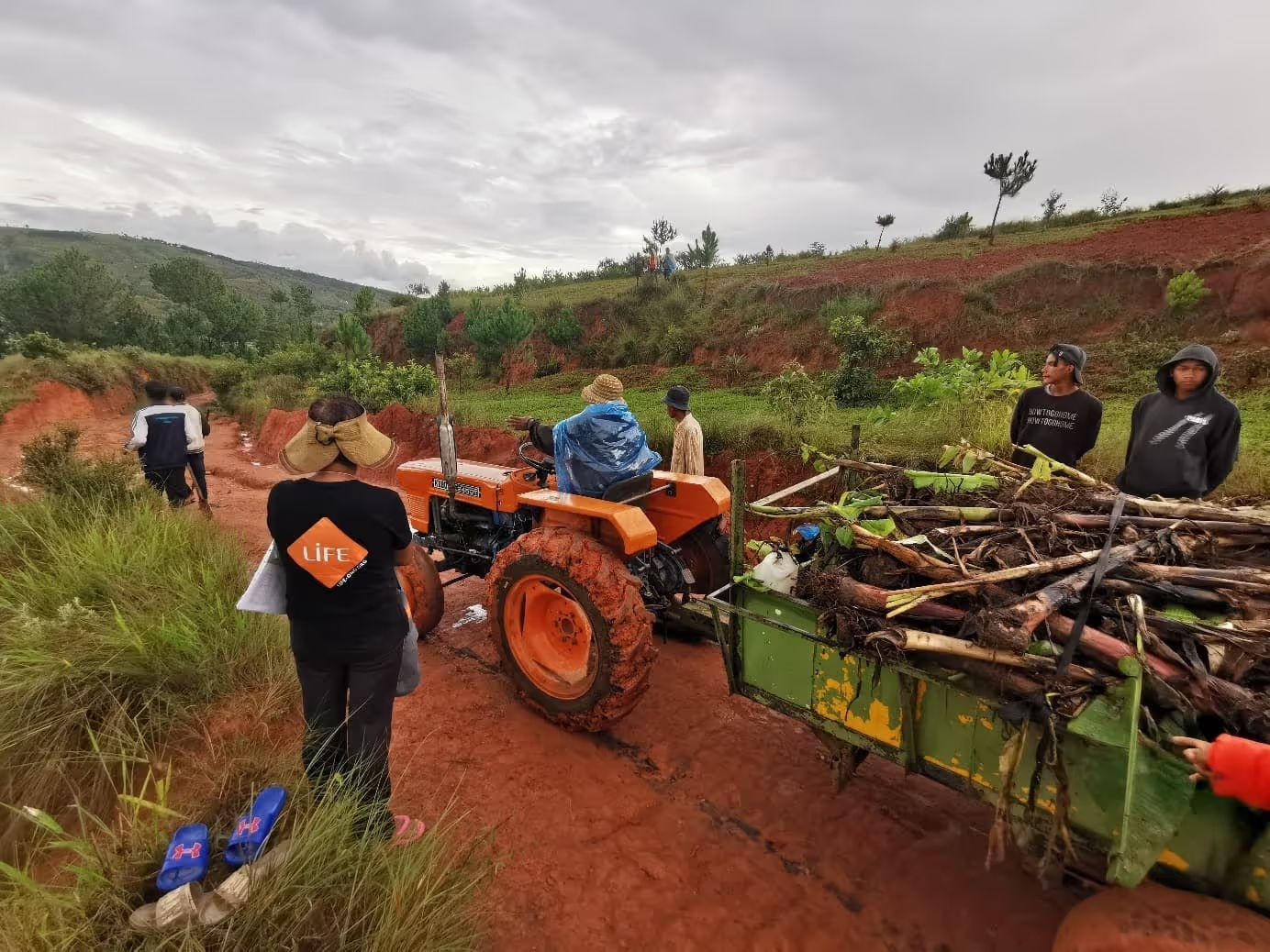
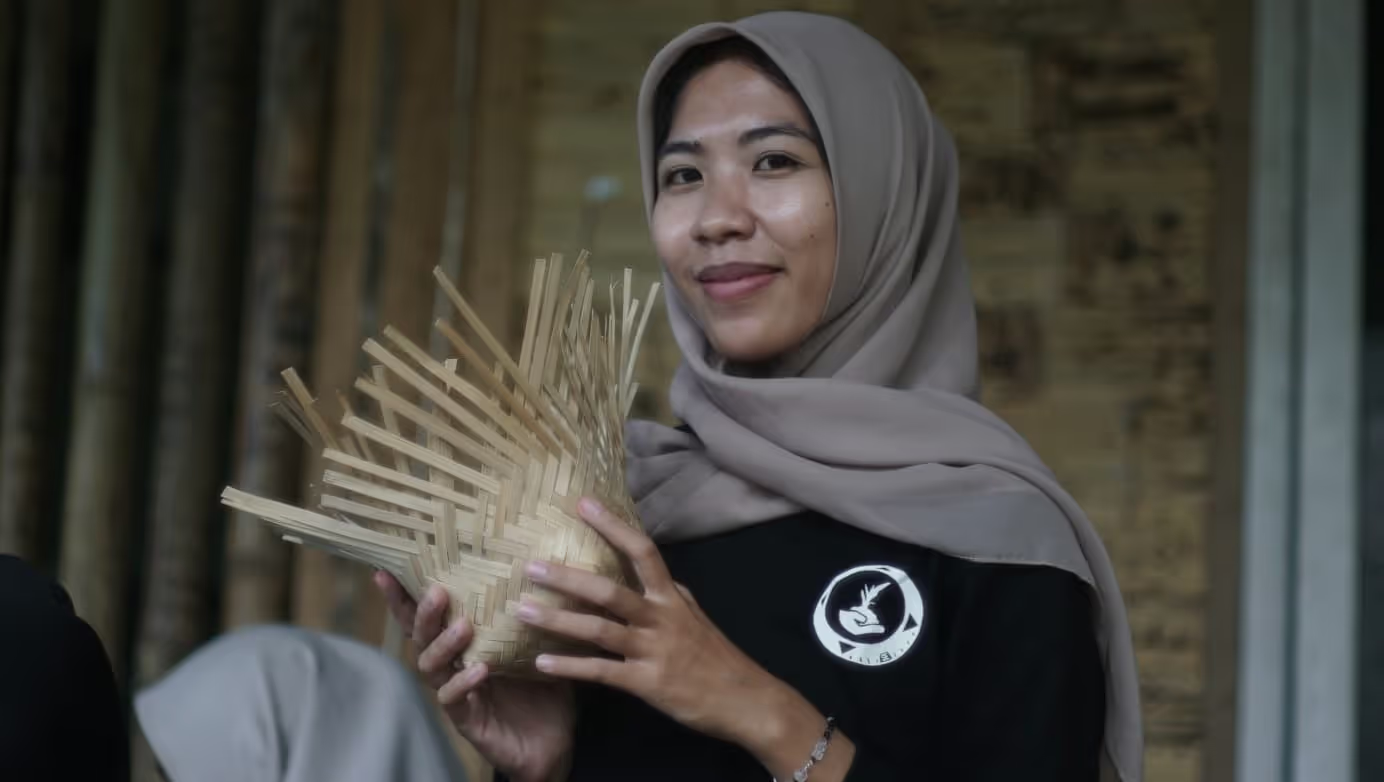
LIFE plays an active part. In Sumatra, we are restoring mangroves. In Lombok, we plant bamboo and fruit trees that give local communities an extra source of income. In Madagascar, we plant fruit trees, cash-crop trees, essential-oil trees and forest trees, and more.
7. Easier access to justice and fundamental rights
Making sure every citizen can defend their rights and access legal services is essential to promoting equality, dignity and sustainable development. Initiatives that simplify court procedures, provide free legal aid, promote human rights and use technology to make justice more accessible play a crucial role in building a fair and inclusive society.
8. Celebrating local culture
Local culture and identity strengthen the social fabric and drive cultural tourism, creating lasting economic opportunities.
In Morocco, for example, Berber craft cooperatives making carpets and argan-based products give women a stable income, strengthening their financial independence and their standing in the community.
Community tourism initiatives, such as homestays in rural villages in Nepal and elsewhere, give people the chance to share their culture with visitors. They bring income directly to communities and encourage local traditions to be preserved. In Bali, Indonesia, the preservation of traditional Balinese dance and religious rituals has drawn a steady stream of tourists, supporting local artists and strengthening local economies. Cultural festivals also boost the local economy and help keep traditional practices alive.
9. Encouraging partnership and collaboration
Partnerships between governments, NGOs, the private sector and local communities are essential to bring together a wide range of resources and expertise. This is how LIFE works, for example in the Comoros, meeting people's urgent needs after the tropical storm of May 2024 and also helping them rebuild.
Every community has the potential to transform itself when these ten keys are put into action together. Empowerment is not only about economic development; it is also about human dignity and social justice. By investing in these keys, we are building a future where every person has the chance to reach their full potential and help create a fairer, more prosperous world.
Together, through our 360° projects, let's help empower local communities.
Ready to help?
I start a fundraiser
Support the causes close to your heart by starting an online fundraiser with LIFE.
Raising funds for a charity has never been easier!