Indonesia: bamboo against global warming
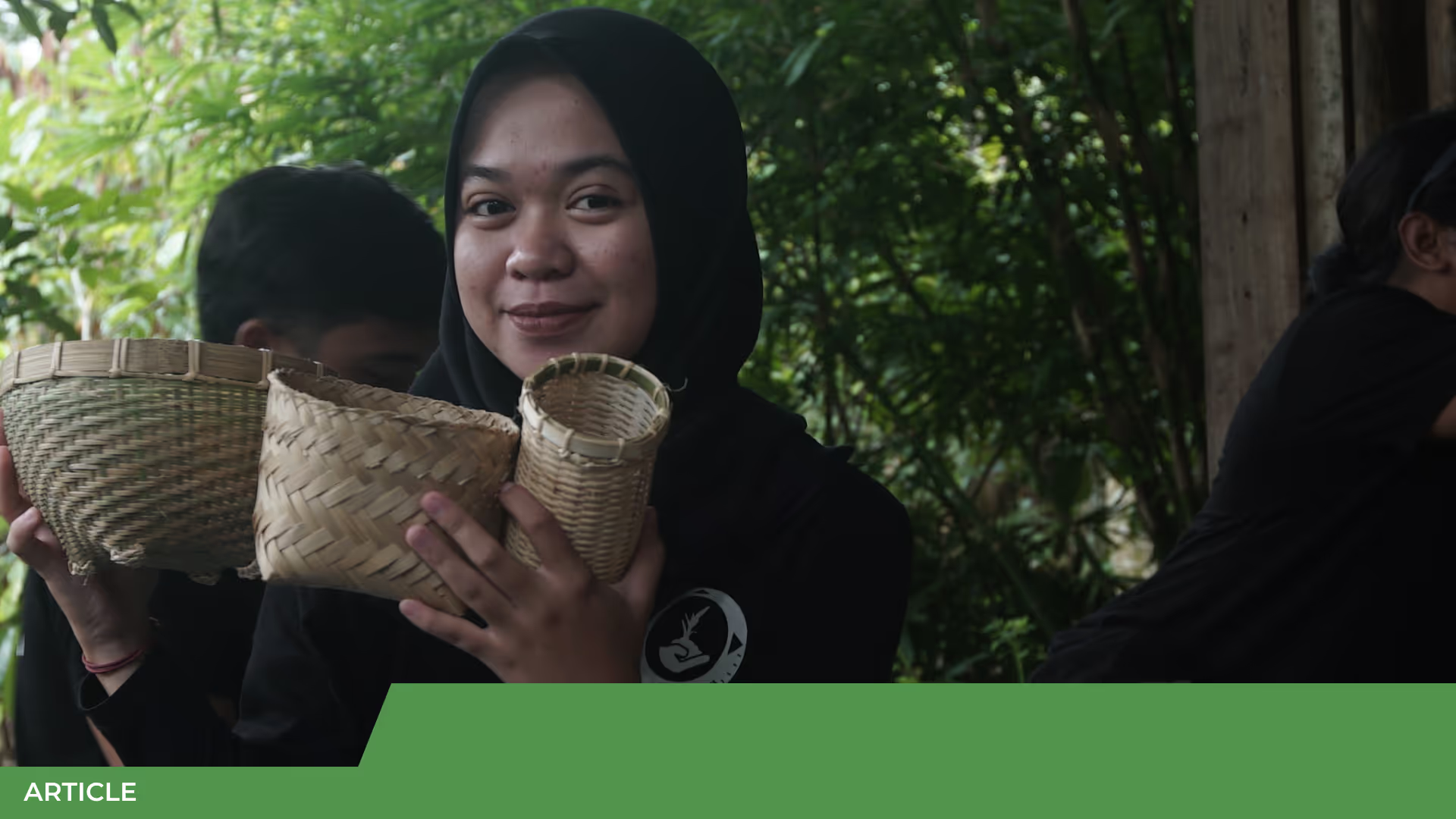
In Indonesia, forests counted among the richest in the world for biodiversity are still under threat from deforestation. There is a solution: reforestation. It is vital for protecting the environment, and also for securing the livelihoods of local people.
On the ground, our NGO is doing everything it can to restore this remarkable ecosystem. How? Notably by planting bamboo in Genggeland, a village in the north of Lombok, an island east of Bali. Why bamboo? Our work in Geggelang tells you more.
Where does deforestation in Indonesia stand?
Progress, but not only…
Indonesia is one of our planet's green lungs. Its tropical forest is the 3rd largest in the world and its forest area ranks 8th! After decades of unchecked deforestation, the rate of forest loss fell by more than 50% between 2015 and 2021, reaching its lowest level in twenty years. That is encouraging, but this is no time to give up. Deforestation is far from being halted! Since COP26 announced a « zero deforestation » target in 2021, Indonesia has struggled to meet its commitments.
What is driving deforestation in Indonesia?
Deforestation is mainly caused by agriculture, particularly oil palm plantations, which are highly profitable for smallholders and large growers alike, and by pulp and paper production, but also by mining projects, illegal logging and uncontrolled fires.
Why is it essential to support reforestation?
Protecting extraordinary biodiversity
Indonesia's forests are among the most diverse in the world. They are home to orangutans, Sumatran tigers and elephants. All of these species are threatened by deforestation. Reforestation helps restore their natural habitats, giving them a chance to survive.
Replanting to regulate the climate
Forests absorb carbon dioxide, lowering its concentration in the atmosphere and easing the effects of global warming. They also shape rainfall patterns and help keep both local and global climates stable.
Did you know? In Indonesia, deforestation is a major source of greenhouse gas emissions, contributing to climate change. According to Global Forest Watch's 2020 annual report, the destruction of Indonesia's primary forests released at least 2.64 gigatonnes of CO2. That is equivalent to the annual emissions of 570 million cars!
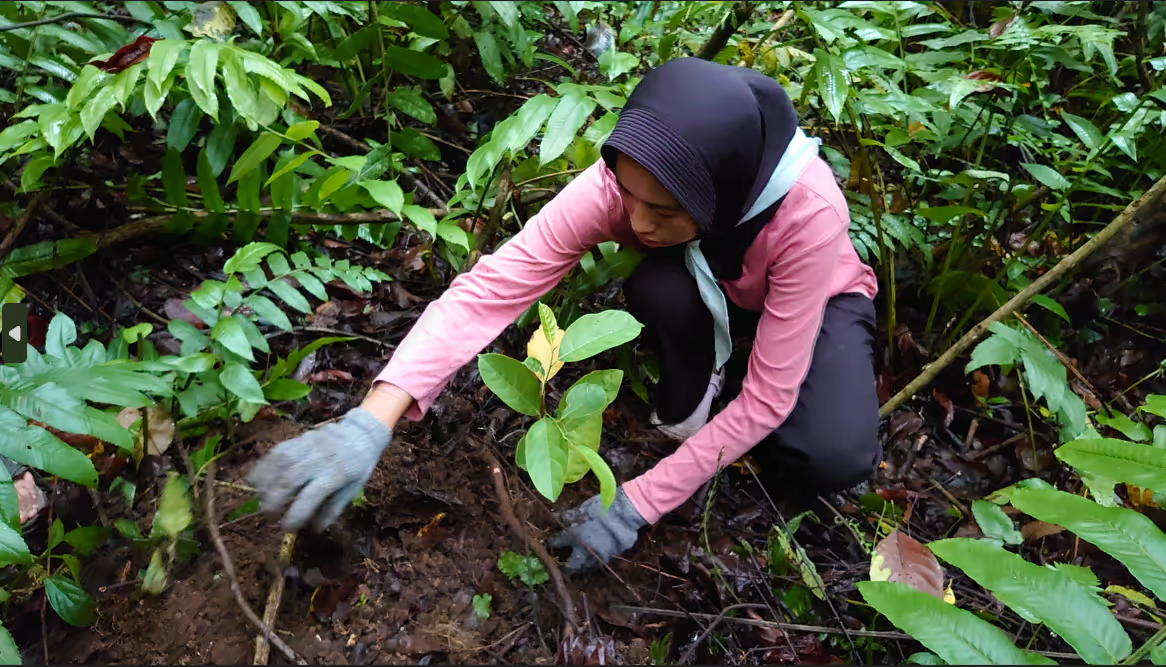
Protecting soil and water resources
In Indonesia, deforestation causes soil erosion, reducing fertility and increasing the risk of landslides. Forests also play a vital role in regulating the water cycle. They help recharge groundwater and purify water, ensuring local communities have access to good-quality water.
Indonesia and climate change
Acting now, protecting what remains and replanting what has been destroyed is all the more urgent because Indonesia is particularly exposed to the effects of climate change. As an archipelago of more than 17,000 islands, rising sea levels threaten to swallow land and coastlines. The country is prone to extreme weather such as floods, landslides and cyclones. Fragile ecosystems such as tropical forests, coral reefs and mangroves are also highly sensitive to climate change. Finally, Indonesia's economy, which relies heavily on agriculture, fishing and tourism, is especially vulnerable to shifts in the climate.
Did you know? Mangrove forests store 5 times more carbon than other forests. Protecting and restoring them is essential in Indonesia and around the world. LIFE is helping, notably in Sumatra.
Our reforestation project in Genggeland, Indonesia
Several NGOs are working in Indonesia to restore degraded forests. These reforestation programmes often involve planting native trees to recreate natural ecosystems. On the island of Lombok, LIFE is focusing especially on bamboo, along with other specific species. What are their benefits? What is the project aiming for?
The economic opportunities of bamboo
Bamboo has a huge range of uses. As a result, growing it offers a diverse and sustainable source of income:
- construction: it can be used for almost every part of a house (posts, roofs, walls, floors, beams, trusses, fences and more);
- crafts: it is used to make furniture, kitchen utensils, textiles, musical instruments and more;
- in food, bamboo shoots are increasingly popular. They are rich in fibre, vitamins and minerals. They can be eaten locally or sold at market, providing a sustainable source of food and a business opportunity;
- charcoal production.

The environmental benefits of bamboo
Bamboo products can replace wood for many uses, easing pressure on forest resources and helping to manage them sustainably.
Better still, it plays a crucial role in restoring degraded soil. Its dense root system helps prevent erosion and improves soil structure. Bamboo also has a high capacity for carbon sequestration, helping in the fight against climate change. Once planted, bamboo grows very quickly and reaches maturity in just a few years. That makes it a fast and effective solution for reforestation.
How is bamboo used in Genggeland?
Many people in northern Lombok (West Nusa Tenggara province) make their living from farming, fishing and tourism. In Genggeland, many depend on forest resources to get by, particularly for firewood, medicinal plants and non-timber forest products. As a result, the forests are exploited, sometimes overexploited, and are no longer enough to guarantee people's food security and economic wellbeing.
The communities, most of them poor, already use bamboo every day and supply bamboo materials to the surrounding area. However, production is falling, as many landowners are replacing it with other crops or farming activities. The reason: a lack of awareness of its strengths and the many ways it can be used.
Indeed, most bamboo sold in this region is raw material, often seen as less valuable than other plants such as coffee, timber or oil palm. Its use remains limited to modest purposes such as crop stakes, vegetable baskets, building supports and chicken coops, which does little to show its worth.
What our project aims to do
LIFE's project has several aims:
1) To restore the region's bamboo and tree forests in order to regenerate the soil, create carbon sinks and revive biodiversity.
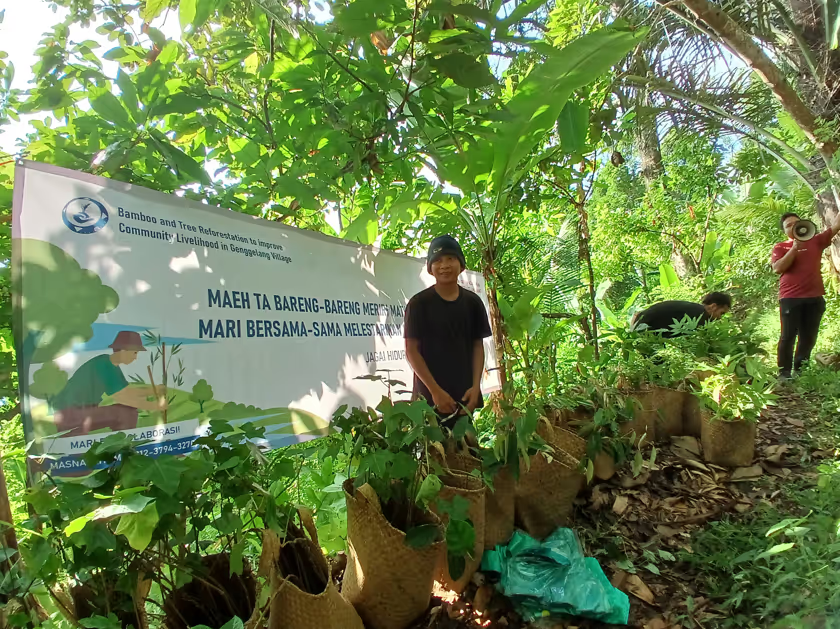
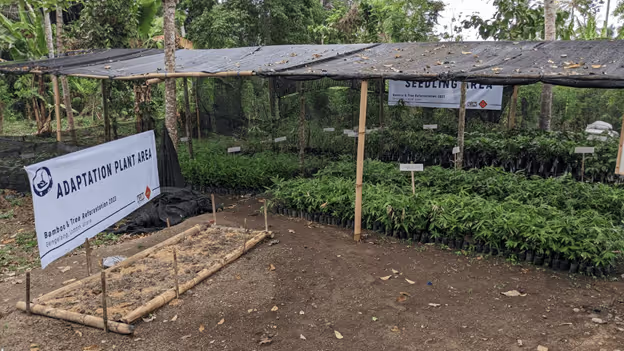
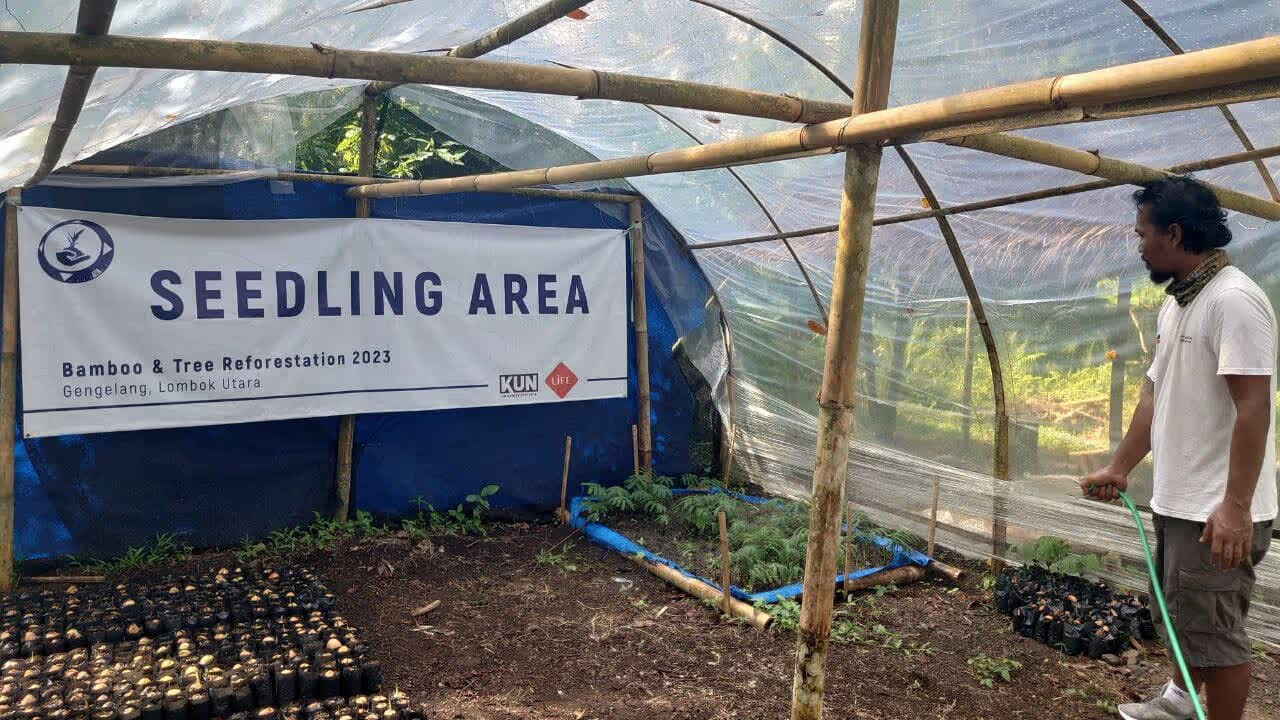
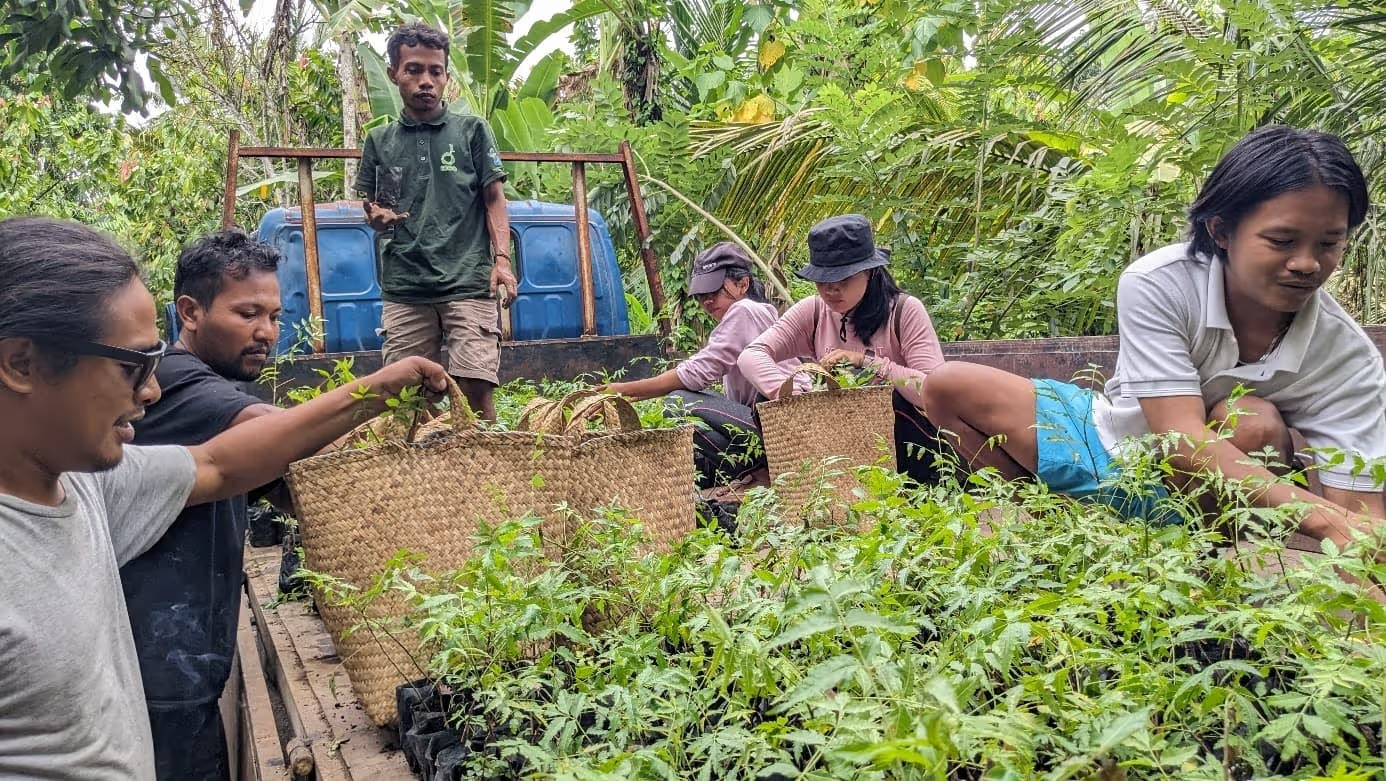
Together with our partners and local people (volunteers, local tourism associations, youth groups, academic institutions and others), we have built a greenhouse and a seed area, and planted more than 21,000 trees, including around 5,000 mixed bamboo and 15,000 fruit trees. Among them are nangka (Artocarpus heterophyllus), mangga (Mangifera indica), rambutan (Nephelium lappaceum), avocado (Persea americana), durian (Durio spp.) and sawo (Manilkara zapota). The trees were chosen together with the regency forestry office and the village government. By combining bamboo and fruit trees, communities will be able to harvest fruit after five years.
2) To give local people the tools they need to improve their quality of life and diversify their income through sustainable, environmentally friendly solutions.
3) To raise local communities' awareness of the importance of bamboo and trees, both environmentally and economically.
4) To provide training in planting techniques, sustainable forest management and bamboo processing. This helps communities become more self-reliant and resilient, managing their natural resources better and building economic activities that last.
Who will benefit from the project?
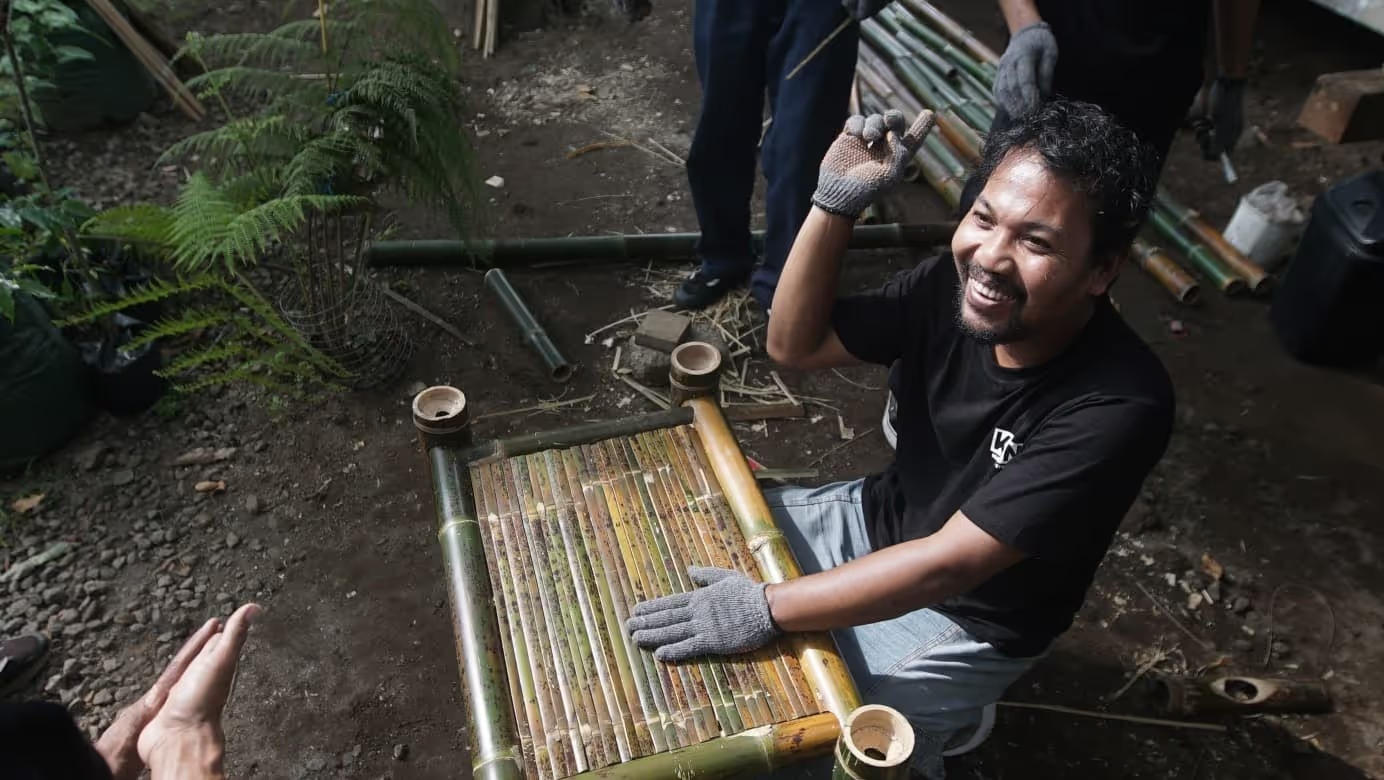
∙ Three community groups have been set up: the first plants bamboo seedlings, the second makes bamboo crafts, and the third builds bamboo furniture.
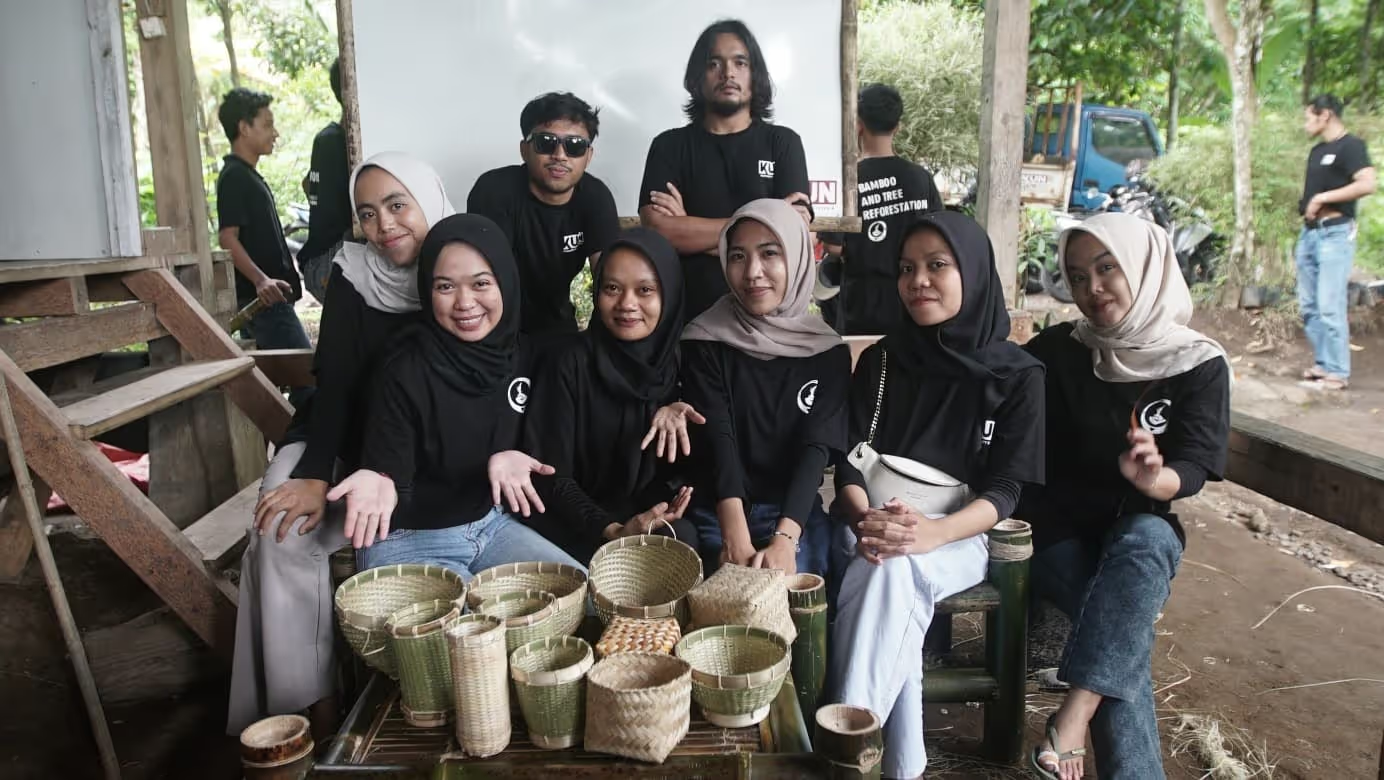
∙ 30 people are being trained to use bamboo to make furniture and crafts (60% of participants are women).
∙ 100 families (around 400 family members) have received trees to plant on their land.
KUN: our essential local partner
The reforestation programme works with a range of stakeholders, including local organisations, educational institutions and government bodies, extending its reach and impact. Among these partners on the ground, LIFE works with KUN Humanity System, which has extensive experience of working with local and international NGOs. Its long-standing mission: to provide the most effective and comprehensive responses to emergencies caused by natural or man-made disasters. Over time, the organisation noticed that large-scale logging follows disasters. Why? People build their own shelters. Since 2018, every recovery programme has therefore included the bamboo project, which provides communities with bamboo shelters as they rebuild.
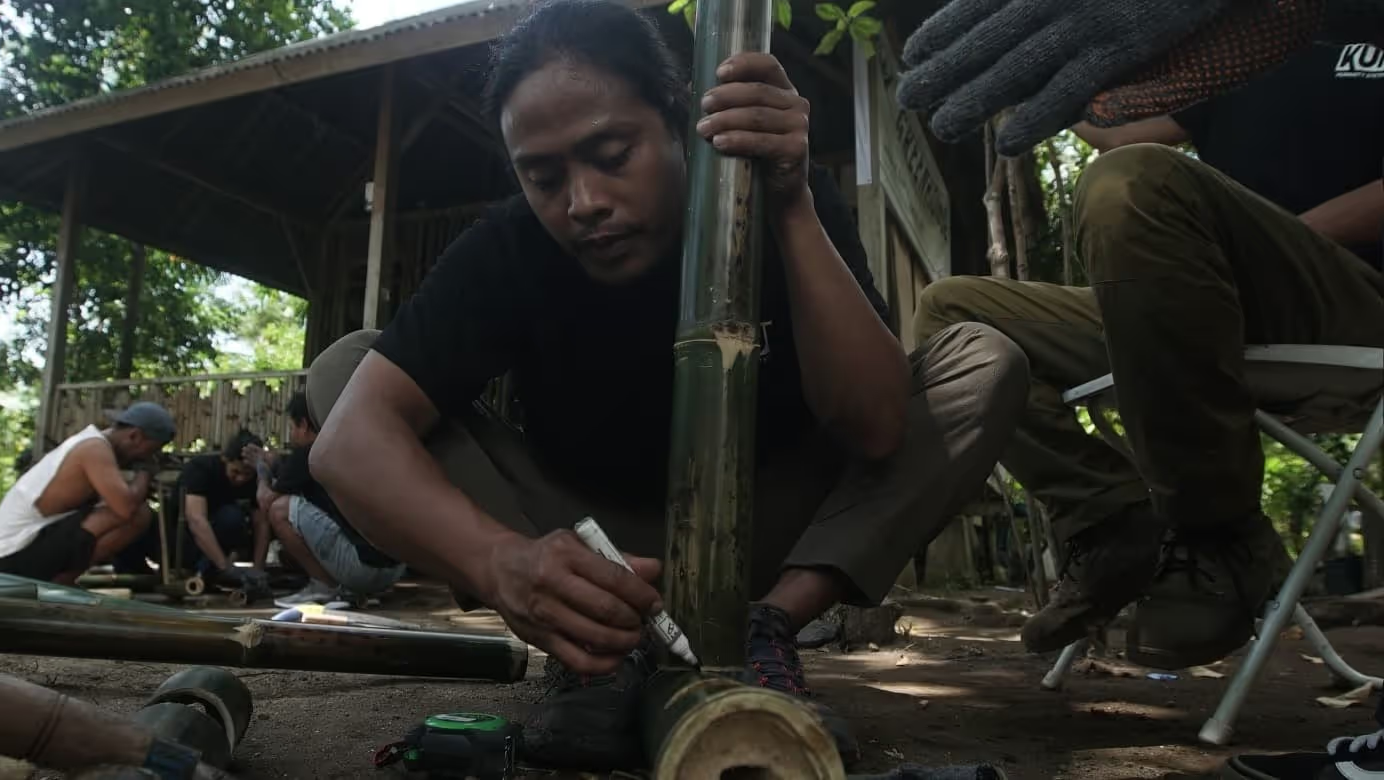
In total, 12 shelters have been built in Palu, 65 in Sigi district, 3 large community spaces in Banten after the tsunami, 3 community spaces in Lombok after the earthquake, and 4 community spaces in Sigi district. But KUN doesn't stop there. The organisation continues the programme by planting and by raising communities' awareness of how trees, and bamboo in particular, can be used. Where bamboo is still underused in a community, it launches training and skills programmes so that it is better valued. A community group called the « Bamboo Warriors » has been set up in some areas, notably in Kulawi, Sigi district. In total, 59 skilled bamboo construction workers have been trained.
How do we make our work last?
Our partner KUN has been working with the target communities and local authorities since 2018. It has built relationships of trust with them, which are key to the success of this ambitious programme. From the outset, local people have been involved in choosing the planting sites and looking after them, showing their commitment to the project. All meetings and activities are recorded and reported to the project manager. Every activity is documented with photos and videos.
What's more, as KUN has developed bamboo community groups in other regions, the Genggeland groups will be connected with other bamboo communities in the area. KUN plans to extend the programme in this area for three years to ensure the bamboo project is sustainable.
There is no doubt about the social and economic value of reforestation in Indonesia, especially through planting bamboo. These projects create jobs, raise incomes, build skills, improve food security and strengthen resilience to climate change, bringing real benefits to local communities. Working alongside governments and businesses, NGOs play a crucial role in promoting reforestation and making the most of bamboo as a driver of sustainable development and social and economic wellbeing. By adopting sustainable forest management practices, Indonesia can protect its precious natural resources while improving living conditions for its rural communities.
Together, let's help local communities build resilience to climate change
Ready to help?
I start a fundraiser
Support the causes close to your heart by starting an online fundraiser with LIFE.
Raising funds for a charity has never been easier!