The global migration crisis: causes, consequences and solutions
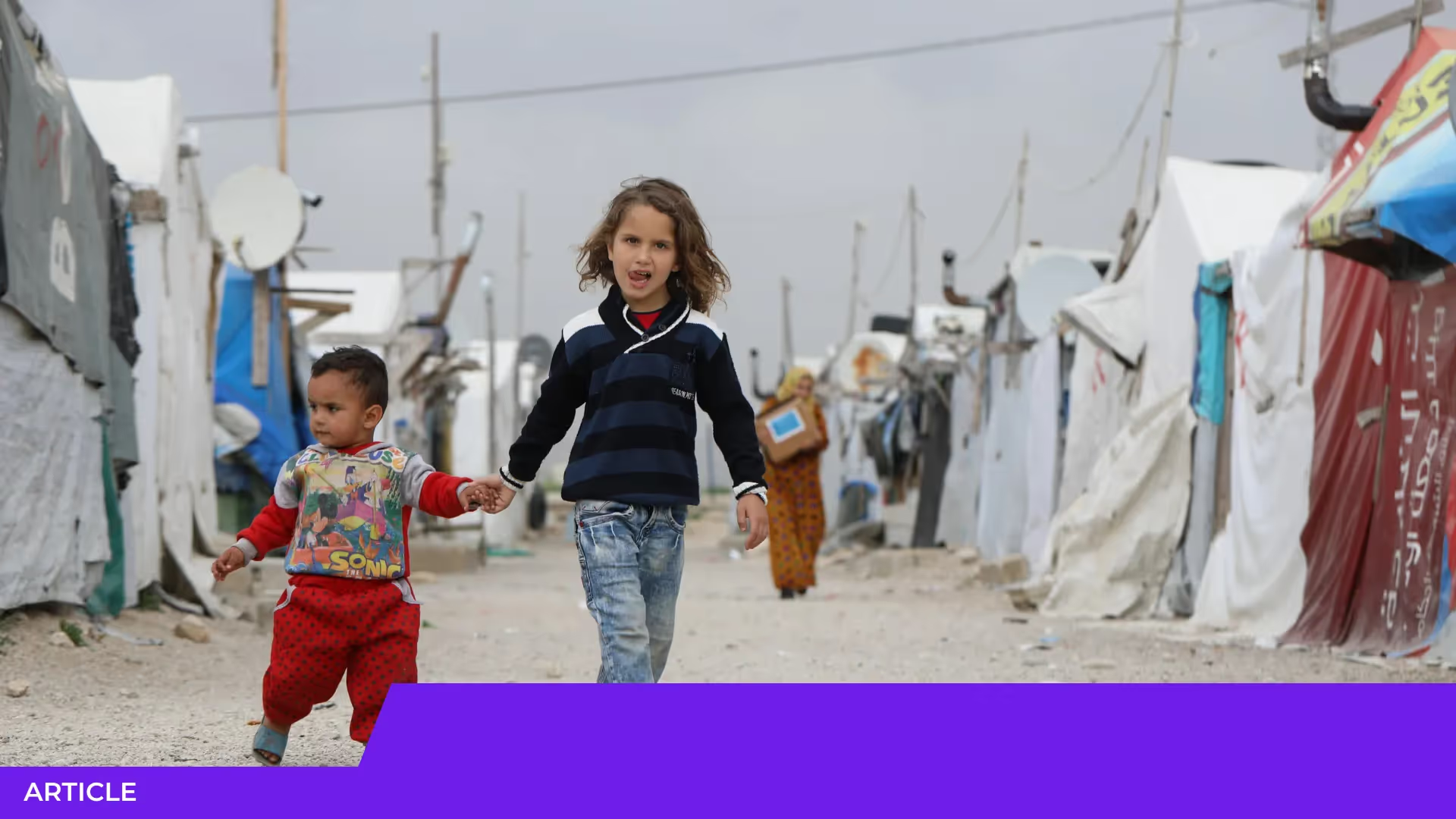
The migration crisis is one of the most pressing issues of our time. It is a complex challenge with many causes and serious consequences, and we can no longer turn a blind eye to what lies ahead. To understand it better, let's take a closer look at this crisis together: where it comes from, what impact it has, and which paths we could take. Which of them can lead us towards a more humane and sustainable future?
What causes the migration crisis?
The global migration crisis is driven by a combination of factors. Chief among them are armed conflict, political and ethnic persecution, and glaring economic inequality. Environmental disasters such as climate change and desertification play their part too, as does food insecurity. According to the United Nations High Commissioner for Refugees, by the end of 2022, 108.8 million people had been uprooted by war, conflict or persecution. Millions of people leave their homes in the hope of finding safety, opportunity and dignity elsewhere.
Did you know that in 2023, more than half of all refugees came from Syria, Afghanistan and Ukraine?
What are the consequences of the migration crisis?
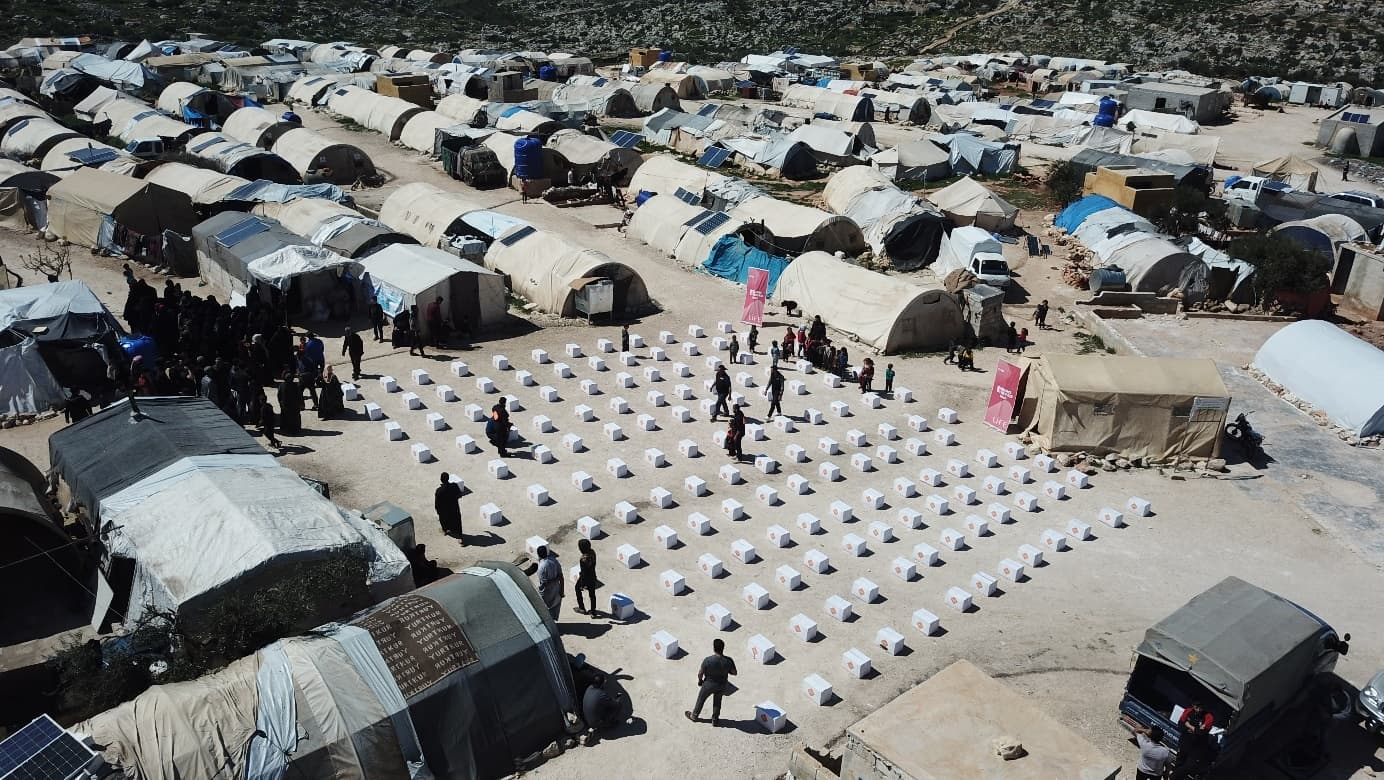
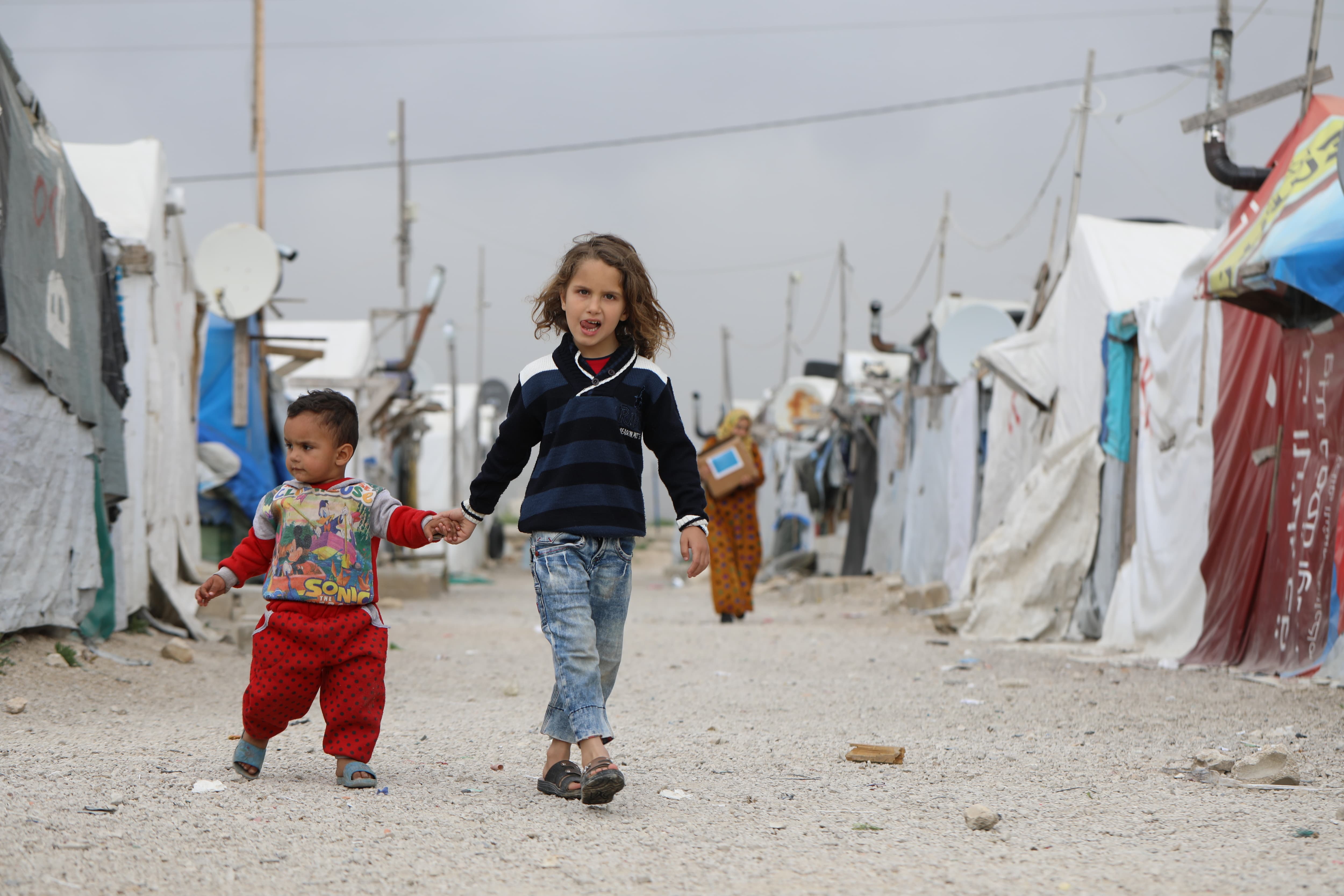
The consequences of this crisis are felt deeply around the world. In humanitarian terms, we are facing a human tragedy: countless lives lost at sea, families torn apart and precarious living conditions in overcrowded refugee camps. Women, children and older people are especially vulnerable to abuse, exploitation and violence on their journey towards an uncertain future.
Economically, mass migration poses challenges for host countries in the European Union and beyond, sometimes putting heavy strain on their infrastructure and social services. Although migrants can contribute to economic growth and cultural diversity, they often face discrimination in the job market. Most of the time, they also have limited access to essential services such as education and healthcare.
Politically, the rise of anti-immigration movements is fuelling social tension and polarisation, and can even threaten the stability of democracies. Restrictive immigration policies and xenophobic rhetoric undermine the core values of tolerance, diversity and solidarity, and foster a climate of fear and mistrust.
How some countries are facing migration flows
We could name many countries hit hard by the migration crisis. Let's focus on France, Greece, Italy, Germany and Turkey. They illustrate the complex challenges national governments and the European Union face in handling this issue, particularly around security, humanitarian reception and international cooperation.
How is the migration crisis playing out in France?
In France, reception facilities and asylum systems are under considerable pressure. The migrant camps in Calais, for example, have often been the focal point of this crisis, with thousands of people trying to cross the Channel to reach the United Kingdom. The French authorities have faced logistical and humanitarian challenges in caring for this vulnerable population while also addressing the security and social concerns of local communities. Immigration is a hotter topic than ever in France, following the recent adoption of the law of 26 January 2024, which aims to tighten control of immigration and strengthen integration.
What about Greece?
Greece is a major gateway into Europe for many migrants from the Middle East and Africa. The Greek islands in the Aegean Sea, such as Lesbos and Samos, have been severely overstretched, with living conditions in refugee camps that are often dire. Efforts to cope with this mass influx have been hampered by the country's economic difficulties and by political tensions within the European Union over sharing the burden of migration.
And Italy?
Italy has also faced (and still faces) heavy migratory pressure, especially during peaks in arrivals from North Africa across the Mediterranean. The difficult situation on the island of Lampedusa has received wide media coverage. Humanitarian organisations and Italian government vessels have carried out, and continue to carry out, many sea rescue operations to save migrants in distress. However, the country has also been criticised for how it manages migration, notably for its controversial agreements with Libya aimed at curbing departures from the Libyan coast towards Italy. Stepped up in 2017, these agreements have been condemned by some human rights organisations, above all because of the appalling conditions in which migrants are held in certain Libyan detention centres.
How is Germany coping?
In Germany, the migration crisis has been a central issue in recent years, largely because of the country's generous policy of welcoming refugees. In 2015, Germany took in a significant number of asylum seekers, mainly from conflict zones in the Middle East such as Syria and Iraq. In 2023, it was home to 2.5 million refugees.
Its migration policy has also been marked by intense debate over how to manage migration flows and balance humanitarian obligations with national interests in security and integration. These discussions have led to reforms of asylum legislation and to measures aimed at speeding up asylum procedures and tightening border controls.
Elsewhere? Turkey, for example
In Turkey, the migration crisis is also a major issue because of the country's proximity to zones of conflict and regional instability such as Syria and Iraq. It hosts more refugees than any other country (level with the Islamic Republic of Iran), almost all of them Syrian. In border areas and in cities such as Istanbul and Gaziantep, the population has grown considerably as a result. And despite efforts by the Turkish government and international organisations to provide humanitarian aid and services to refugees, living conditions often remain precarious for many families.
In 2016, the European Union (EU) and Turkey concluded a controversial agreement to reduce irregular migration into Europe. Under this deal, Turkey, in coordination with Frontex, prevents migrants from leaving for the Greek islands in exchange for EU financial aid and certain political concessions.
What are the solutions to the migration crisis?
Faced with such a complex and devastating crisis, an inclusive, comprehensive approach is essential to develop effective solutions. Here are a few ideas:
Tackling the causes
Investing in conflict prevention, promoting social justice and human rights, and fighting climate change and poverty are all key to reducing forced migration in the long term. By addressing the root causes of the crisis, we can create the conditions for peace, prosperity and security for everyone.
Strengthening international cooperation
Collaboration between nations is essential to manage migration in a safe, orderly and regular way. This calls for greater commitment to existing international agreements such as the United Nations Refugee Convention and the United Nations Convention on the Rights of the Child, as well as encouragement for new regional cooperation initiatives. By fostering dialogue and coordination between governments, international organisations, civil society and the private sector, we can find lasting, fair solutions to the migration crisis.
Promoting integration and inclusion
Effective integration policies that promote equal opportunity, cultural diversity and social inclusion are crucial to migrants' wellbeing. By investing in education, vocational training and social inclusion programmes, we can help migrants become fully part of their new communities, adding to the economic and cultural vitality of society.
Protecting migrants' rights
It is vital to ensure that migrants' fundamental rights, including the right to life, security and dignity, are respected and protected throughout their journey. That means ending arbitrary detention, human trafficking and all forms of discrimination based on race, religion, gender or sexual orientation. By taking a human rights-based approach, we can create a safe and inclusive environment for all migrants, where their voices are heard and their contributions valued.
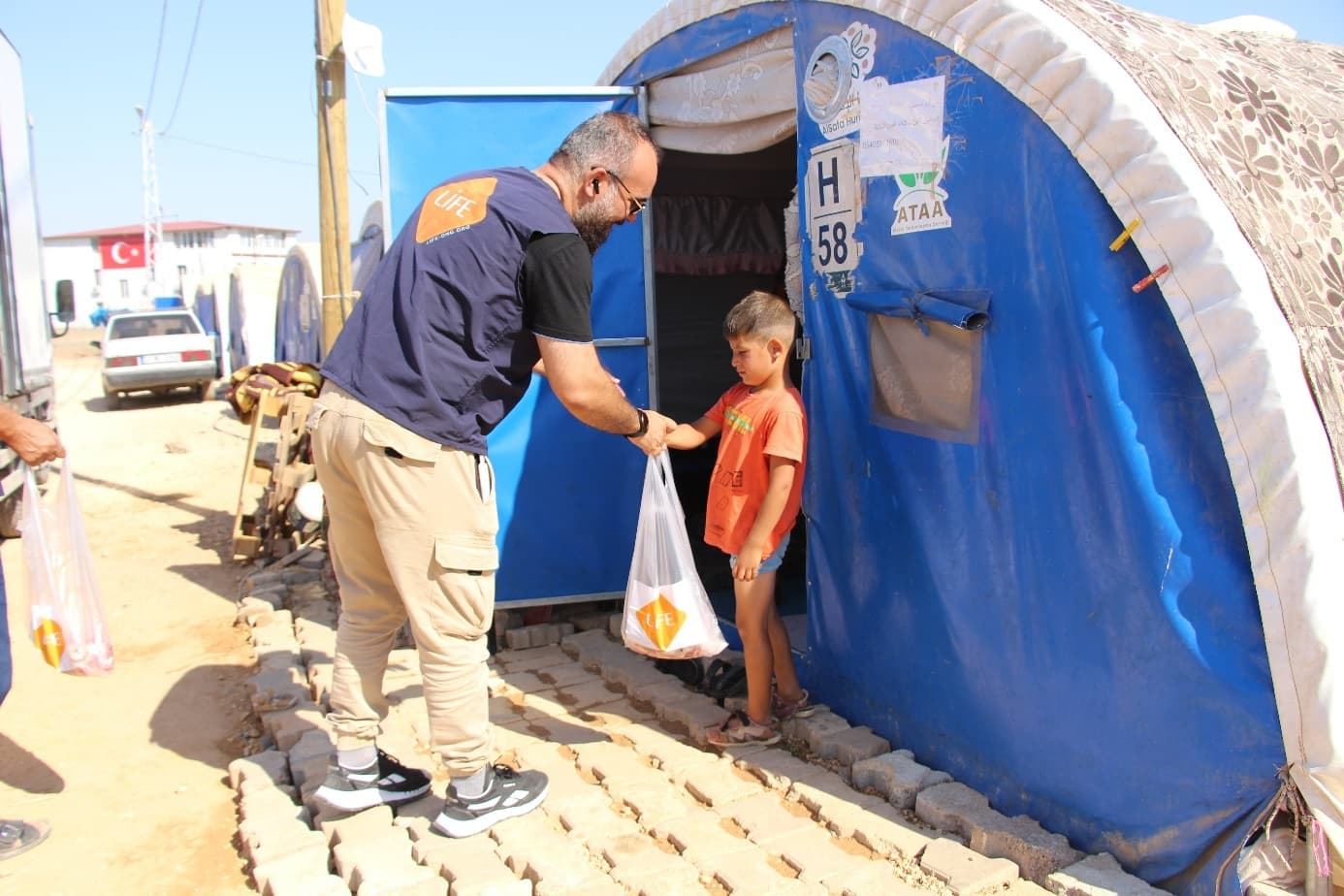
At LIFE, we support refugees in several countries, such as Somalia and Lebanon. Through our 1 euro = 1 meal food aid programme, we bring them a little comfort and hope every day.
Investing in sustainable development
Finally, it is essential to take a sustainable development approach that helps tackle economic and social inequality in both countries of origin and host countries. This creates opportunities for everyone and reduces the pressures that drive forced emigration. It means investing in basic infrastructure, public services, sustainable agriculture and job creation programmes, to promote inclusive, fair economic growth for all citizens.
At LIFE, we work to help local communities become self-reliant: by building clean water wells, but also by planting income-generating trees and helping set up agroforestry systems through our SAPOUSSE projects.

Europe is facing a migration crisis on an unprecedented scale, with a constant flow of refugees and asylum seekers testing the unity and solidarity of its member states. Europe's borders have become critical flashpoints, where a fragile balance is struck between humanitarian reception and migratory pressure. Despite efforts to establish a common European code on asylum and migration, national policies still differ, worsening the logistical and social challenges facing the European Union. Yet there is hope in the imminent signing of a new Pact on Migration and Asylum before summer 2024.
Ready to help?
I start a fundraiser
Support the causes close to your heart by starting an online fundraiser with LIFE.
Raising funds for a charity has never been easier!