Water stress: what does it actually mean?
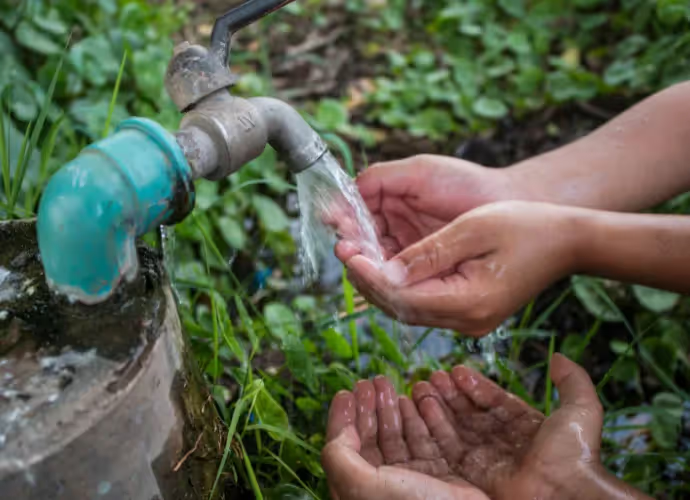
In a world facing the growing challenges of climate change and overpopulation, access to fresh water is becoming crucial to humanity's survival and to protecting our planet. Water stress is a reality for many countries, and it is one of the major challenges we must face. According to the United Nations, around 2.3 billion people live in countries where the available water resources are not enough to meet their needs all year round. And by 2025, almost two thirds of the world's population will be affected by water stress. Let's take a closer look at an issue that is making the news more and more often.
What is water stress?
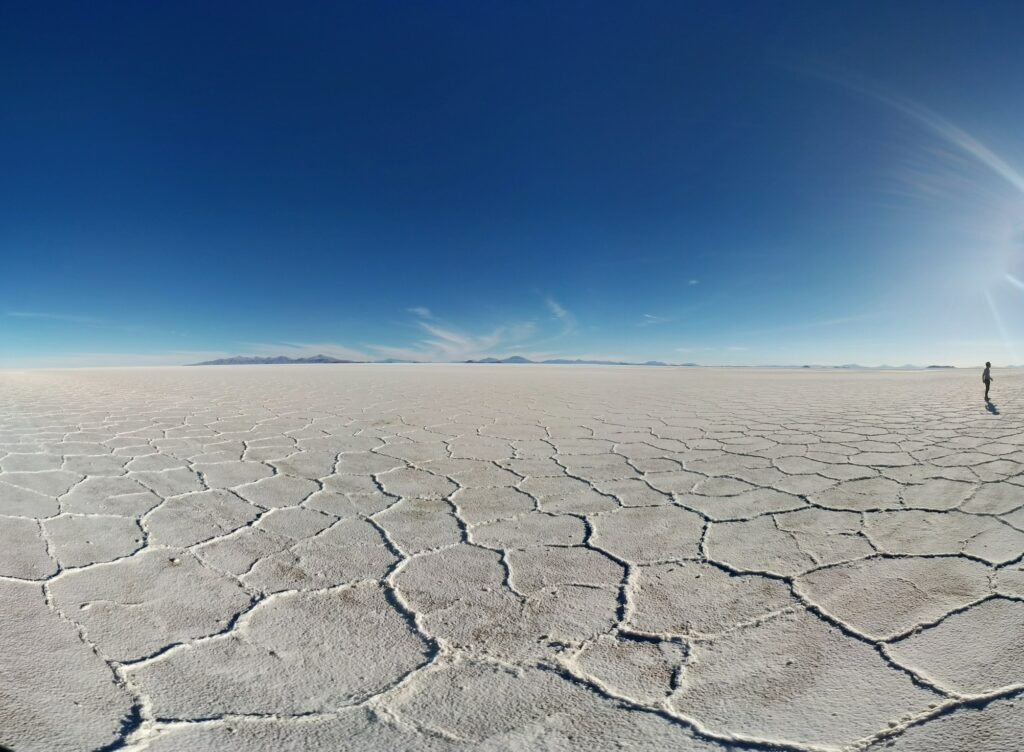
Water stress happens when the demand for water outstrips the ecosystem's ability to supply enough water, of good enough quality, to meet human and environmental needs. The term is therefore used to describe a critical situation.
When do we talk about water stress?
Water stress can be measured as the amount of water available per person per year (in m³). It can also be measured as a percentage: the ratio between water needs and available water resources. These indicators show how much pressure is being put on the water resources of a given region or country, and whether those resources can meet the water needs of its people and its ecosystem.
The World Health Organization (WHO) sets the water stress threshold at 1,700 m3 per person per year. Between 1,700 m3 and 1,000 m3, we speak of scarcity. People in France enjoy plentiful water, with a reserve of 3,265 m3 per year.
Water stress is not only a threat to hot countries. Cold countries face it too. Freezing temperatures can limit access to liquid water: in these regions, frost turns water into ice, cutting off the fresh water people need for daily life. What's more, in cold regions rain often falls as snow and ice, making water supply even harder. Melting snow and ice is also essential to replenish water reserves. But when temperatures stay low for long periods, the thaw is delayed, and so liquid water remains scarce.
What causes water stress?
Water stress is mainly caused by a combination of factors, such as:
- population growth: the world's growing population puts ever more pressure on water resources, driving up demand for drinking water, farm irrigation, industry and other uses.
- urbanisation: rapid urbanisation concentrates people in towns and cities. As a result, demand for water for household, industrial and municipal needs rises sharply. Urban areas often struggle with problems such as overuse of water resources, contaminated water sources and inadequate water infrastructure.
- climate change: the effects of climate change, such as rising temperatures, irregular rainfall and more extreme weather, have a significant impact on water resources. During more frequent and intense droughts, the supply of fresh water shrinks.
- deforestation and ecosystem degradation: destroying forests and degrading natural ecosystems reduces the soil's ability to hold water and regulate its flow. This can mean groundwater is replenished less and soil erosion increases, making water stress worse.
- unsustainable farming practices, such as intensive agriculture with crop irrigation.
Together, these factors put growing pressure on fresh water resources and threaten the long-term sustainability of our water supply.
What are the consequences?
Water stress has devastating consequences for ecosystems and biodiversity. Rivers dry up, natural habitats deteriorate and aquatic species are put at risk. On a social level, the most vulnerable communities bear the brunt of water stress. Lack of access to water undermines people's health and increases the risk of waterborne diseases. The economic repercussions are major too. The hardest-hit communities face daily struggles to meet basic needs such as personal hygiene and watering their crops. This leads to worsening living conditions and social tensions. Access to water becomes a matter of survival and deepens the inequalities that already exist between regions and peoples.
How can water stress be prevented?
Many initiatives are being put in place to ease water stress, all working to promote sustainable water management.
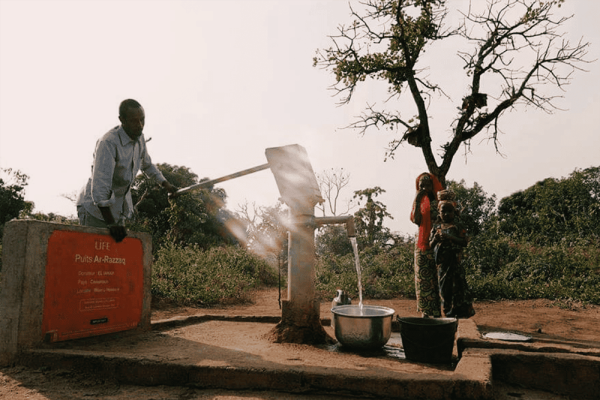
LIFE is at the forefront of these efforts, working to ensure access to clean drinking water for people in need. We act wherever the need is felt. We build water towers and wells to provide an adequate water supply and help communities become more resilient to water stress.
According to the UN, as many as 1.4 million lives a year could be saved through better access to drinking water, sanitation and hygiene.
Each of us also has a part to play in protecting water resources. Simple habits such as using less water, reusing greywater and choosing water-saving gardening methods can make a real difference.
Water stress is a major challenge that we must tackle urgently and together. By understanding its causes and consequences, we can help secure a sustainable future for generations to come. It is vital to support water conservation initiatives and to adopt responsible habits. Together, we can protect our water resources and ensure fair access to this vital resource for everyone.
Ready to help?
I start a fundraiser
Support the causes close to your heart by starting an online fundraiser with LIFE.
Raising funds for a charity has never been easier!