Traditional knowledge and community resilience
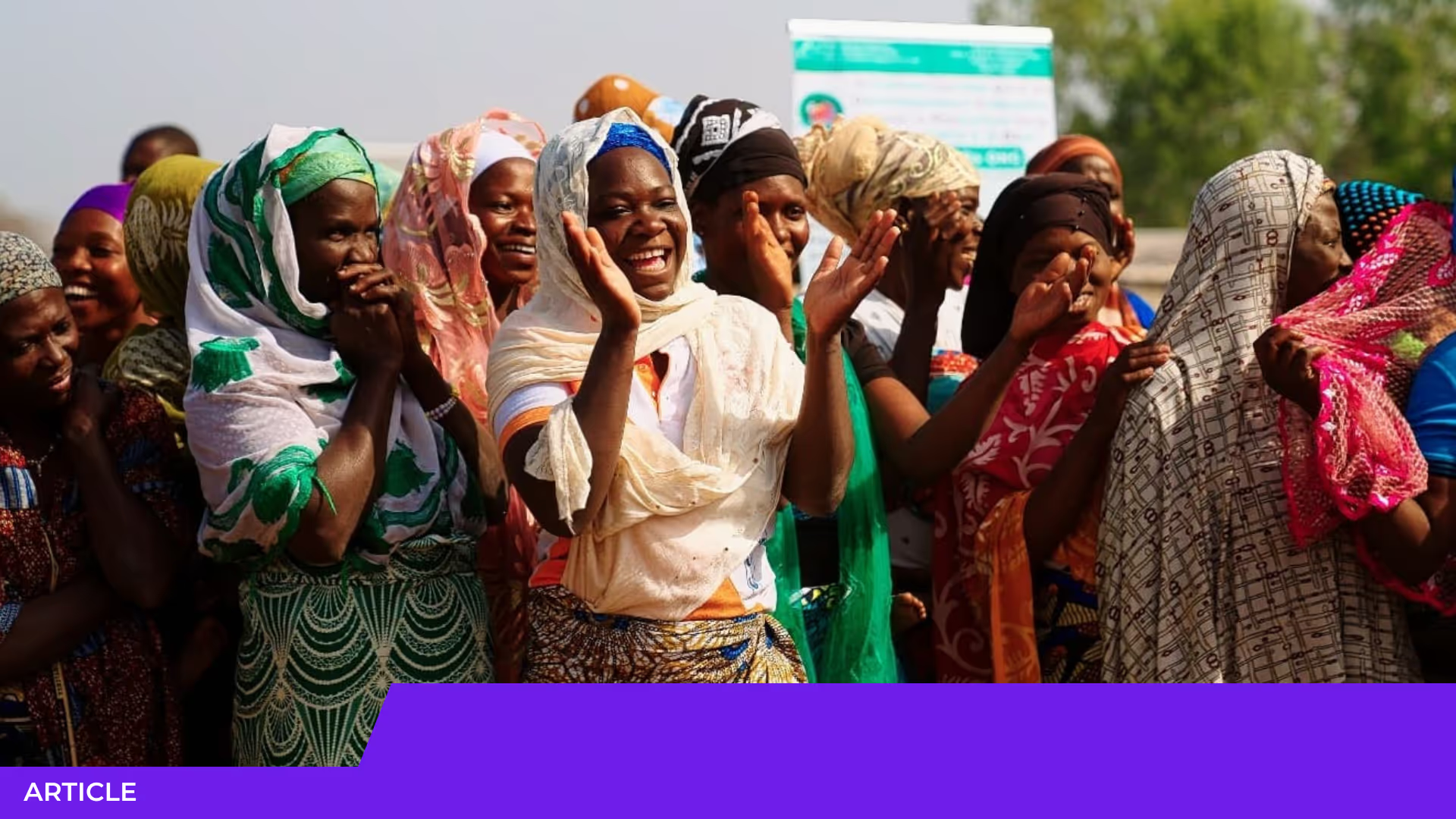
There is a treasure woven through the ages, shaped by generations of observation, experience and shared community wisdom: traditional knowledge. Deeply rooted in local cultures, it is a precious heritage to cherish and protect, one that helps communities adapt and thrive. Today, in the face of challenges such as climate change, it offers sustainable and innovative solutions. Let's explore together how this knowledge enriches and strengthens our ability to overcome hardship: our resilience.
The wealth of traditional knowledge
Traditional knowledge is a true goldmine of wisdom and practice. Passed on by word of mouth and from hand to hand, it is far more than a set of customs. It reflects humanity's ability to adapt, innovate and live in harmony with nature.
Rooted in local cultures, it covers a vast range of fields: from natural medicine to farming techniques, as well as crafts, water management, eco-friendly building and spiritual rituals. Every aspect of this knowledge is steeped in a deep understanding of local ecosystems and natural cycles.
Every country and every region of the world has its own, quite distinct traditions.
In Asia, for example, terrace farming techniques, such as the rice terraces of China, are part of this heritage.
In Iran, so are the qanats. These ancient underground irrigation systems supply around 11% of the water currently used in the country (mainly for irrigation). Close to 37,000 kilometres are still in operation. The old city of Yazd, set in the desert at the very heart of the country, is a wonderful example of how a city can adapt to extreme conditions, thanks to the qanats and the architecture of its buildings.
Traditional medicinal knowledge is just as fascinating. Herbs, plants and ancestral practices have healed entire generations. In South America, healers have used medicinal plants for centuries. In Africa, up to 80% of the population turns to traditional medicine for its healthcare needs, while in China this approach accounts for 40% of treatments given. These natural remedies are often as effective as modern medicines. What's more, they are accessible and affordable for local communities.
Community resilience and traditional knowledge
Community resilience is a community's ability to adapt to change and rebuild after crises such as natural disasters, conflicts and more. It rests on pillars such as solidarity, mutual aid and the passing on of traditional knowledge, which plays a key role in this process. Such knowledge strengthens identity and social cohesion. In it, communities find the courage to overcome challenges.
Examples abound around the world.
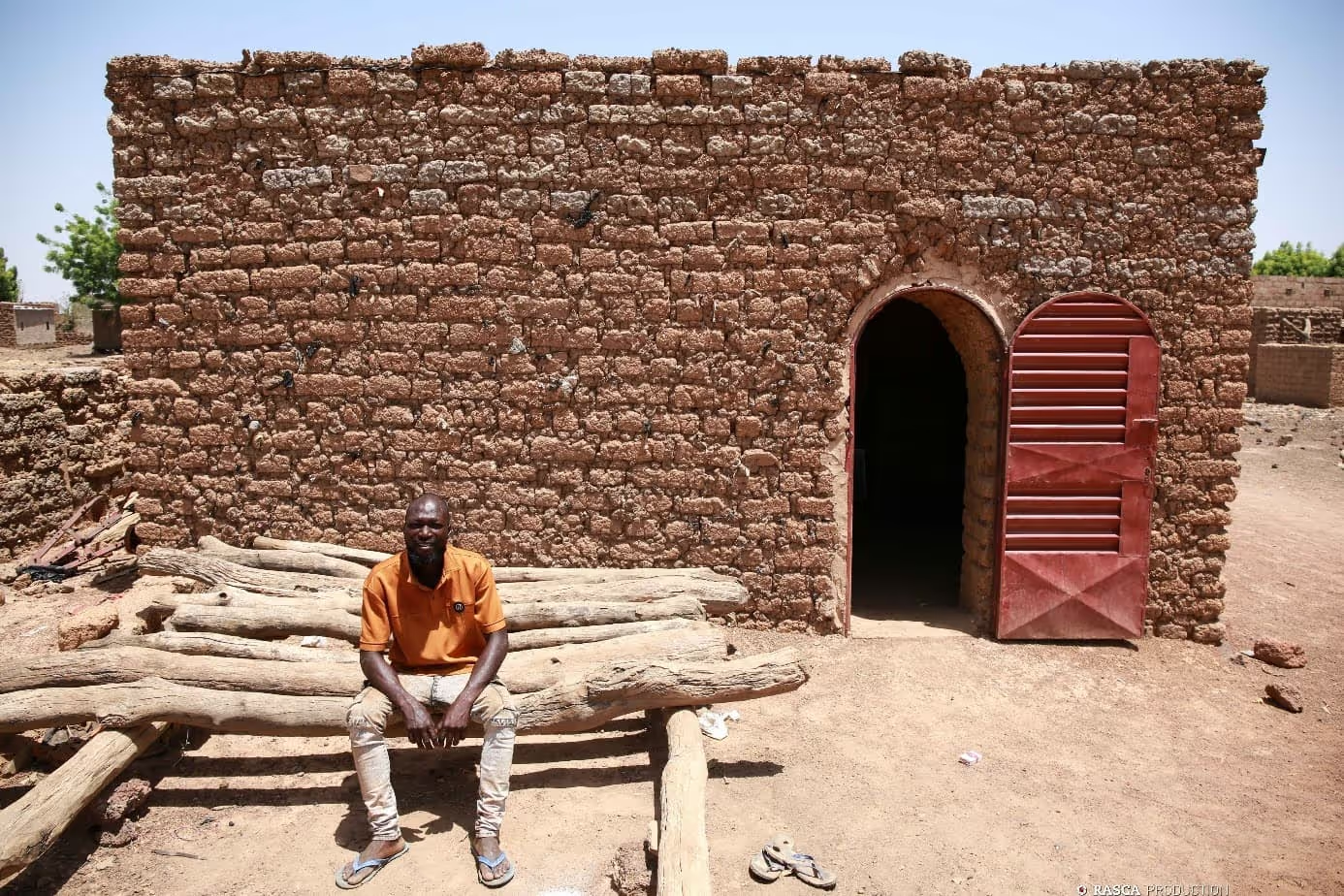
Traditional earthen houses in the villages of Morocco offer excellent thermal insulation, keeping homes cool in summer and warm in winter. With temperatures rising ever higher, this building method is ideal. It also uses plentiful local materials, cutting both costs and carbon footprint.
In Indonesia, the traditional stilt houses (tongkonan) of the Bugis people in Sulawesi protect against floods, which are becoming ever more frequent with climate change. They also offer protection from wild animals and insect-borne diseases. The stilts improve ventilation, which is essential in hot, humid climates.
At LIFE, we draw on ancestral building techniques to provide a roof for families in need in sub-Saharan Africa. In countries such as Mali, Benin, Senegal, Burkina Faso and Ghana, we build earthen houses. They are eco-friendly, affordable and durable.
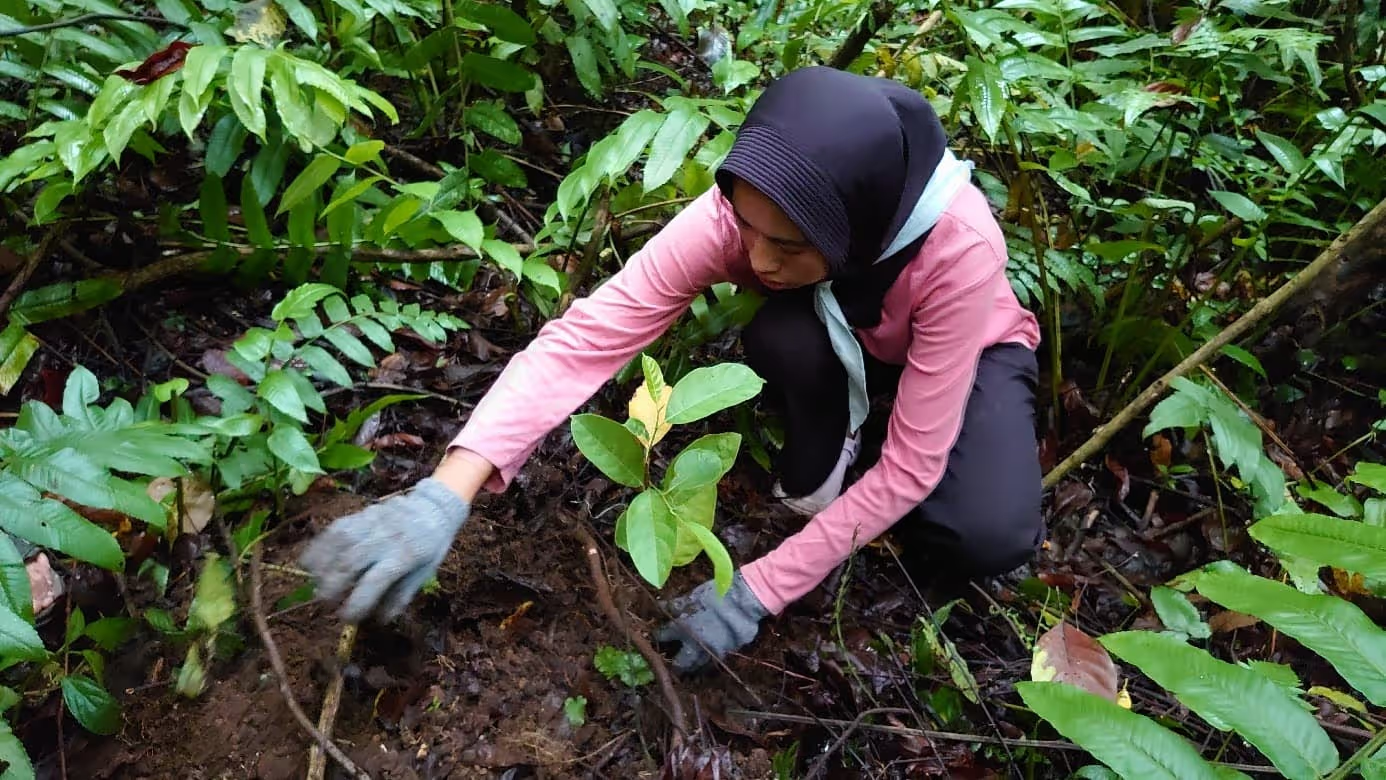
Through our SAPOUSSE campaign, we are also restoring historic mangroves in Indonesia. Devastated by urban development and agriculture, these mangroves help local people better withstand soil erosion and flooding.
Ancestral knowledge that adapts and innovates
The future rests on the wisdom of the past. Traditional knowledge is not set in stone. It evolves and adapts to new realities, building even greater resilience. This blend of past and present produces innovative, lasting solutions.
A telling example is the use of modern technology to preserve traditional knowledge in farming and the environment.
In Africa, and in many other countries, traditional seed-saving practices have been modernised to create community seed banks that strengthen food security and community resilience. They store and preserve endangered local varieties while bringing in modern methods of seed conservation and sharing. In Tajikistan, a local association, the Mountain Seed Bank, works with researchers to help communities develop strategies for adapting wheat growing to the challenges of climate change.
When traditional knowledge meets innovation, it also helps communities earn an income. In cosmetics, for example, argan oil from Morocco is increasingly in demand. Cooperatives have been set up to help Amazigh women add value to it by developing infrastructure, improving quality and creating finished products such as creams, soaps and shampoos, which are far more profitable than selling the raw oil.
Did you know? Protecting traditional knowledge is vital to preserving the ancestral wisdom of Indigenous and local communities. International initiatives, such as the Convention on Biological Diversity and the work of the World Intellectual Property Organization (WIPO), aim to protect it and ensure that communities can benefit economically from their heritage while having their rights recognised.
Why passing on traditional knowledge matters
Passing on traditional knowledge is essential to its survival. Elders play a crucial role in teaching younger generations ancestral practices and values. This strengthens the bond between generations and keeps traditions alive.
Community schools are another important channel. They build traditional knowledge into their curriculum.
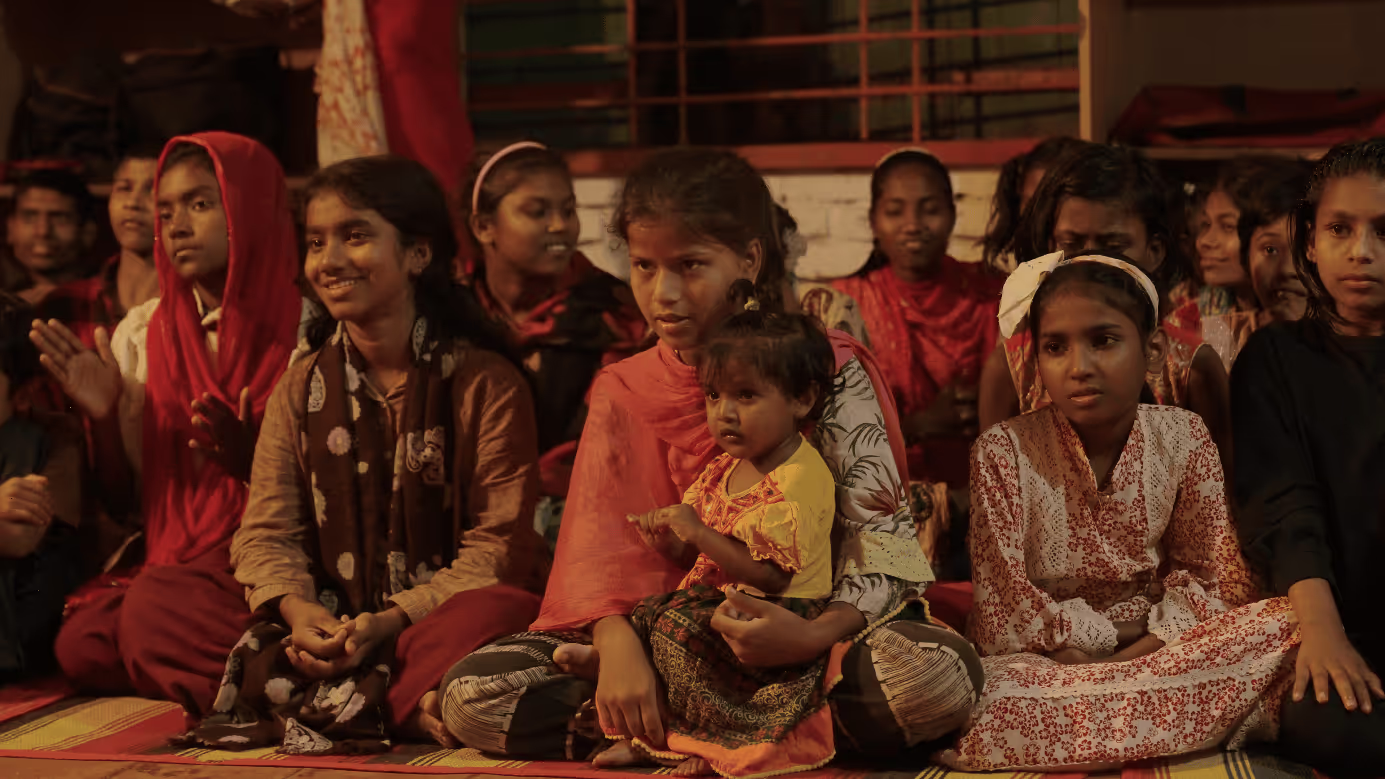
For almost fifty years, the Indigenous peoples of Latin America have been reinventing their societies by drawing on their ancestral institutions and traditions. Having won the right to bilingual education from primary through to secondary level, the most dynamic communities are now setting up university courses. For them, educating adults is a vital step in reviving and preserving their culture.
Traditional knowledge still under threat
Despite its immense value, traditional knowledge is often under threat. Rapid modernisation, urbanisation and globalisation can overshadow it. It is crucial to preserve and promote this knowledge for future generations. Governments and international organisations have a role to play.
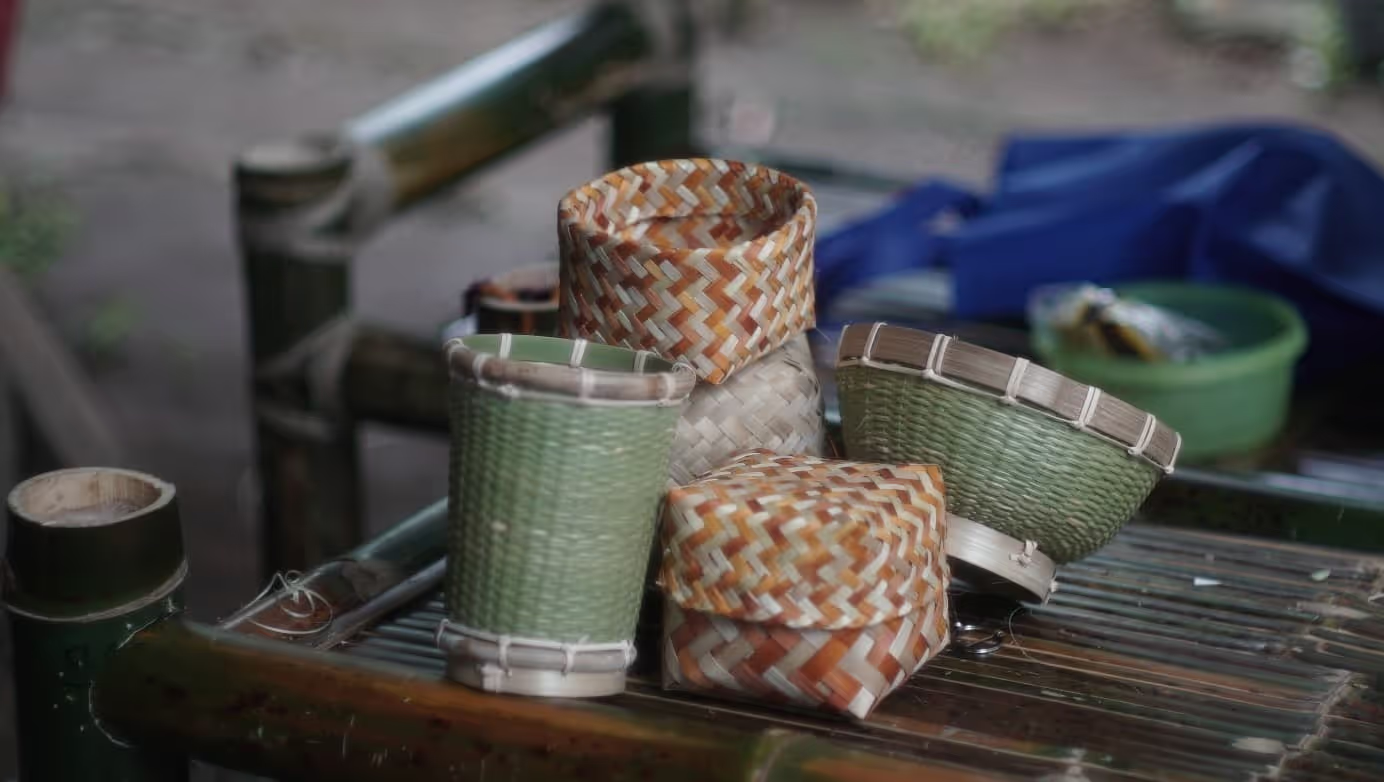
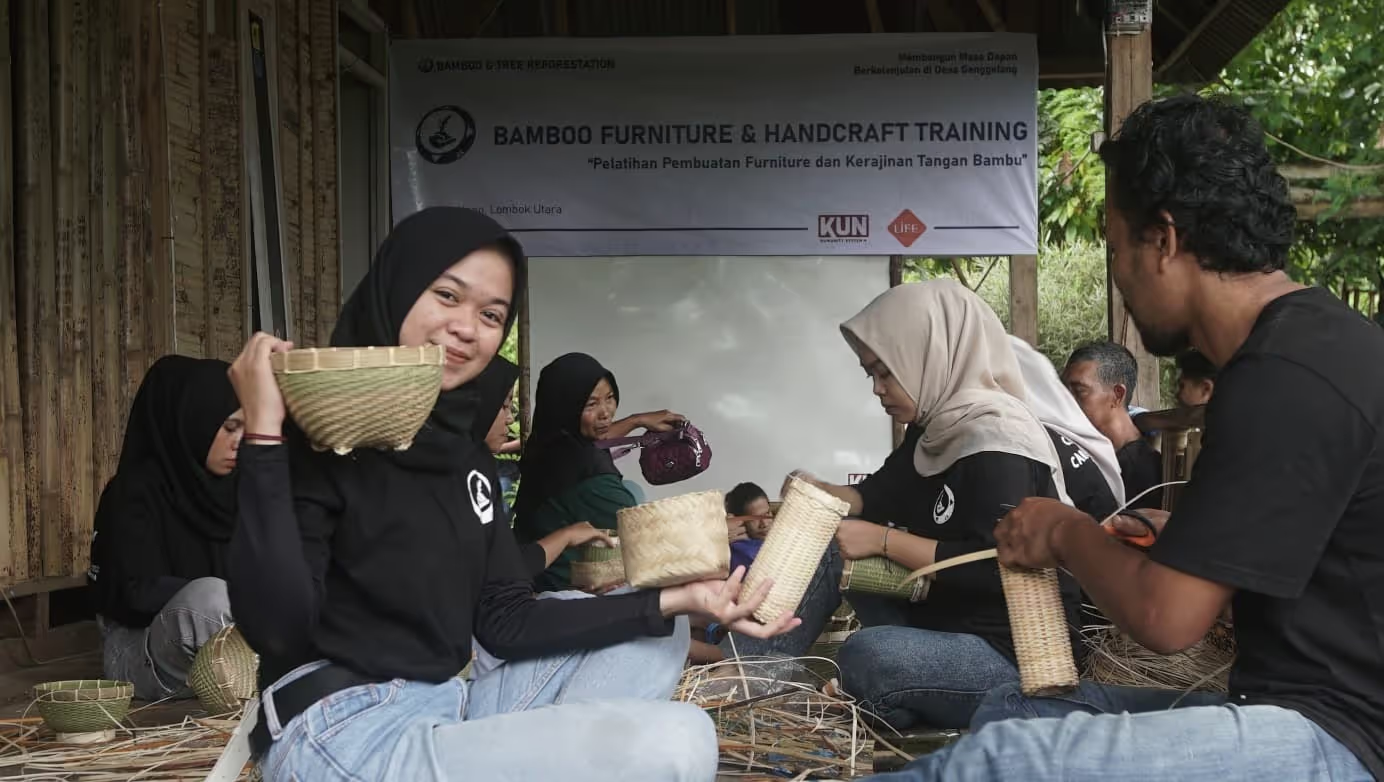
At LIFE, we support ancestral skills. In Indonesia, particularly in Lombok, we are replanting bamboo forests to supply raw material for traditional local crafts and building. We also run training so that these traditions are not lost.
Traditional knowledge is a priceless asset that deserves to be preserved and celebrated. It strengthens community resilience by offering lasting solutions that fit local realities. By supporting it and building on it, we can create stronger, more united communities.
Together, let's help communities flourish and thrive while respecting and protecting our planet.
Ready to help?
I start a fundraiser
Support the causes close to your heart by starting an online fundraiser with LIFE.
Raising funds for a charity has never been easier!