Empowering young women in Conakry, Guinea, through sewing
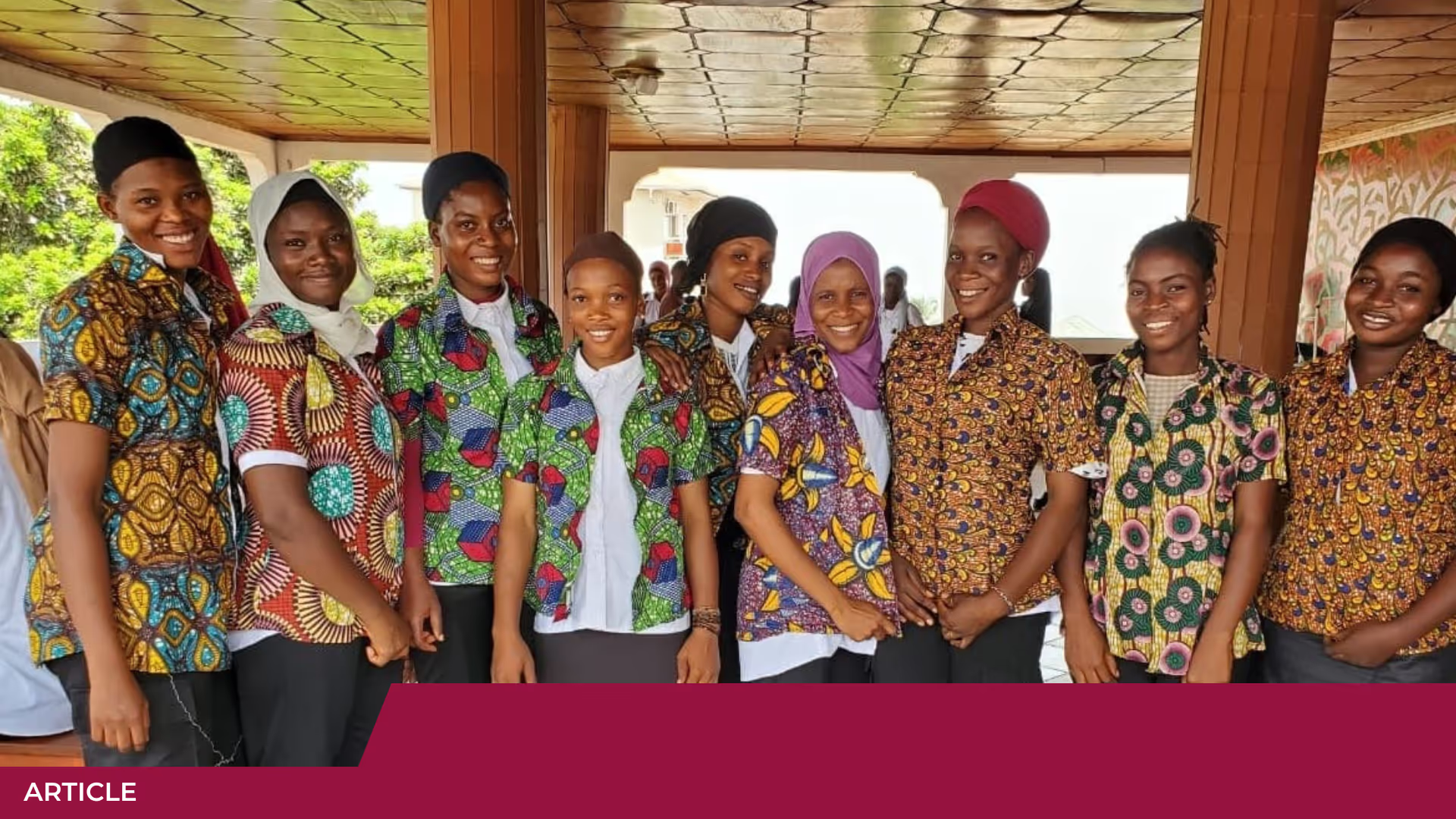
Guinea, in West Africa, faces many challenges: economic, political, social and environmental. Its young people, who make up more than half the population, are at the heart of them all. Poor access to education, unemployment, economic insecurity: the obstacles are many. Yet young Guineans carry the hope of a better future, and with the right support they can drive positive change for their nation. That is what LIFE is working towards, with a vocational sewing course for young women from disadvantaged areas of Conakry.
Guinea today: a brief overview
Guinea is at a turning point in its history, shaped by political, economic and social change. Political instability has remained a major challenge since independence in 1958. In 2021 the country saw another military coup, which overthrew President Alpha Condé and opened a period of transition led by Colonel Mamadi Doumbouya. This transition brings both hope and uncertainty about the country's future, particularly about a return to stable, democratic government.
Guinea's economy
Despite its rich natural resources, notably bauxite, the main ore of aluminium, of which it is the world's leading producer, Guinea remains one of the poorest countries in the world. Its economy depends heavily on mining, a sector largely controlled by multinationals, which limits the benefits for the national economy and for local people. Meanwhile agriculture, which employs most of the population, is largely unmechanised and has low productivity. To make matters worse, it is hit by the effects of climate change, which is making droughts more frequent and shrinking water resources. Basic infrastructure, such as electricity and access to clean drinking water, remains inadequate, especially in rural areas.
Did you know? According to the authorities, nearly 44% of Guineans live below the national poverty line, set in 2019 at 16,423 GNF per person per day, or around EUR 1.6.
Guinean society
Socially, inequalities persist between the country's regions, and ethnic tensions, inflamed by political crises, hold back national cohesion. Access to basic services such as education and healthcare is limited, especially in rural areas. The education system lacks resources and quality, while the health system is underfunded and under-equipped, as the difficulties faced during health crises such as the Ebola epidemic and the recent COVID-19 pandemic showed.
And where does this leave Guinea's young people?
Although affected by the country's economic, social and political challenges, Guinea's young people remain a symbol of hope for building a better future.
Unemployment and economic insecurity
Job opportunities for young Guineans are extremely limited. The lack of prospects leaves many feeling frustrated. Some try to migrate to other countries in search of better opportunities, sometimes at the risk of their lives.
Rural exodus and migration
With no economic prospects in rural areas, many young people leave the countryside to try their luck in the cities, hoping to find work. But Guinean cities such as Conakry are already overcrowded and lack the infrastructure to cope with this growing population. This exodus is making living conditions in urban areas worse.
Limited access to education
Although progress has been made in school enrolment, the quality of teaching is poor. School facilities are often inadequate, particularly in rural areas, and teachers are poorly trained and poorly paid. Limited access to good-quality education narrows young people's future opportunities and makes it hard for them to enter the job market.
A lack of support for entrepreneurs
Many young Guineans are enterprising and creative, but they often lack the support to develop their projects. Access to the funding, training and resources needed to start and grow a business remains limited. This holds back local entrepreneurship, which could otherwise drive economic growth and job creation.
Fostering hope and opportunity for Guinea's young people
Despite these difficulties, Guinea's young people have enormous potential to play a key role in the country's development. They are dynamic, resilient and hungry for change. Several initiatives and opportunities are emerging to support them and help them meet the challenges they face. Among them, LIFE and its local partner FAG-HDF are supporting girls and young women in Conakry who have dropped out of school or never attended.
Let's take a closer look at the project.
The aims of the sewing course for young Guinean women
Helping to improve the lives of women in Guinea
Despite growing recognition of their rights, Guinean girls and women often face deep-rooted gender inequality. It is made worse by cultural practices such as early marriage, female genital mutilation and discrimination in access to education and economic opportunities. Female literacy remains low compared with that of men, limiting women's active participation in political and economic life. For those with qualifications, unemployment remains fairly high, owing to a lack of jobs or a mismatch between training and the needs of the job market.
And although progress has been made in legislation to protect their rights, it is often poorly enforced. The fight for women's empowerment in Guinea also comes up against structural challenges such as poverty and political instability, making the improvement of their status a complex but essential priority for the country's development.
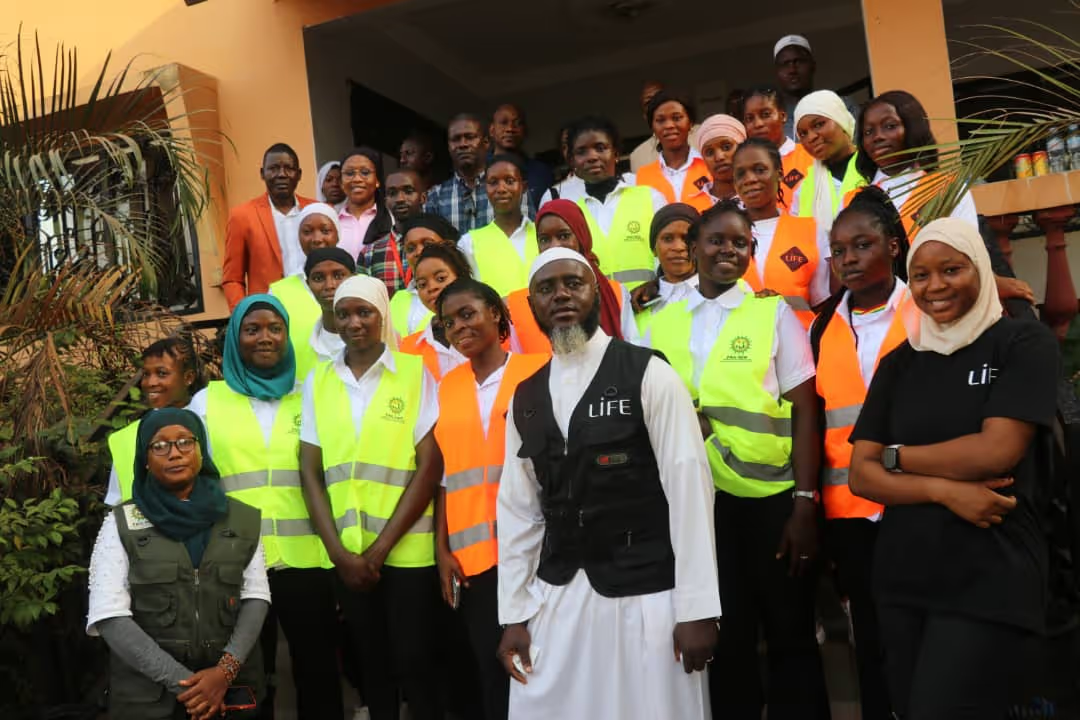
It was to meet this need that the project « Vocational training and empowerment of girls and young women from disadvantaged backgrounds in the Republic of Guinea » was set up. It gives the women on the course the chance to succeed, thrive and become self-reliant, and to increase their purchasing power by creating a coworking network and a professional success lab for women in Guinea.
How the sewing project works
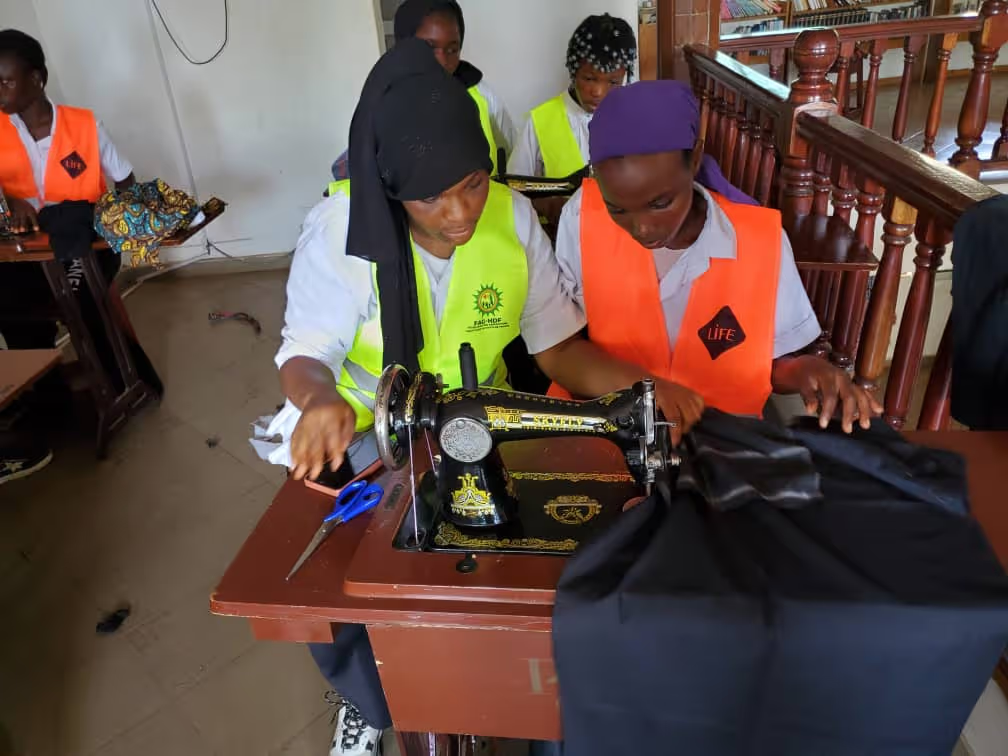
20 disadvantaged young women from Conakry are selected to follow the course for 1 year and set up their own business in the sewing trade. A flexible fund is made available to help them launch their sewing business, with follow-up support after the course. This support covers workshop rent and a fund of 5 million GNF per beneficiary for equipment and business set-up costs, ensuring the project lasts. A bank account is opened in each beneficiary's name, and each receives individual follow-up for a year to secure solid, positive results.
Our partner on the ground
To meet the needs of the women we serve as closely as possible and make sure the project lasts, LIFE works with a well-established local association that knows the context inside out: FAG-HDF, an association registered under France's 1901 law, set up as an organisation founded by people from migrant communities (OSIM) in France. It works mainly for Guinea's social and economic development, for better health and education for Guineans in France and in Guinea, and to promote Guinean culture internationally. Since it was founded in 2018, the organisation has carried out several humanitarian and development projects with its partners, mainly in France and in the Republic of Guinea.
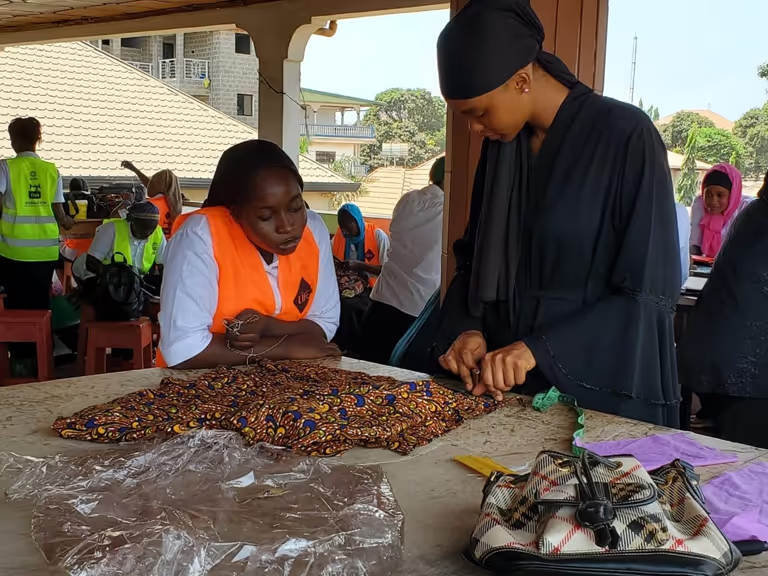
By giving girls opportunities to learn, protecting them from gender-based violence and helping them become financially independent, we are helping to shape a generation of young women able to transform their own future and that of their country. Ongoing support for projects like this one is vital if Guinea's young people, and girls in particular, are to reach their full potential and play an active part in building a more prosperous and fairer future for everyone.
Together, let's support access to education and training for young people everywhere.
Ready to help?
I start a fundraiser
Support the causes close to your heart by starting an online fundraiser with LIFE.
Raising funds for a charity has never been easier!