Reforestation: what do 6 forest and tree experts think?
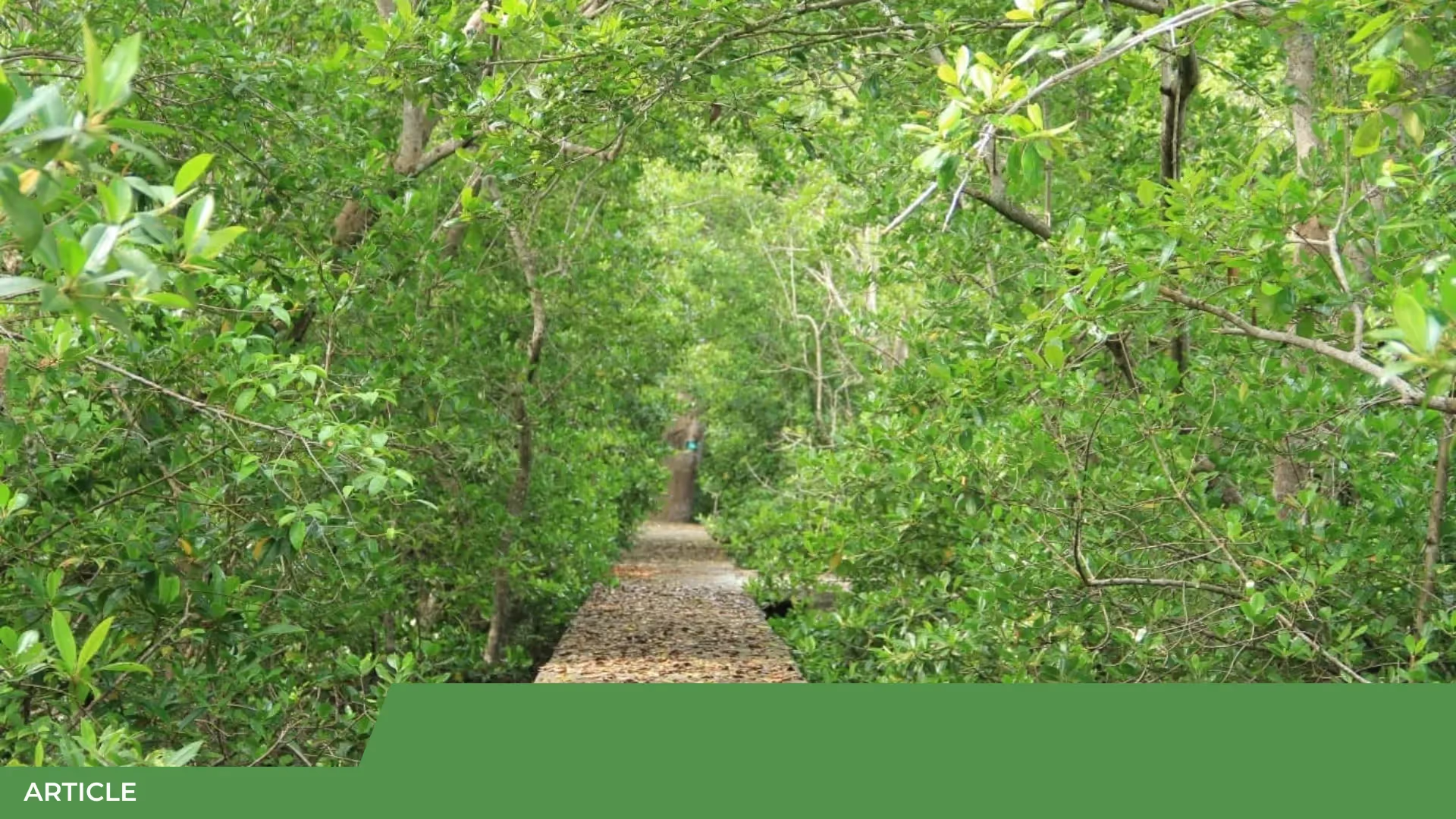
The climate crisis is deepening, and ecosystems around the world are under unprecedented pressure. Could reforestation be a powerful way to restore the balance of our environment? And if so, how should it be done to make it work? What does good practice look like?
To shed some light on the question, we are bringing you a series of interviews. Experts in forests, trees, biodiversity and ecological restoration share their knowledge and expertise. They give us an in-depth look at the ecological, economic and social benefits that reforestation brings, and they also highlight the challenges we face!
So let us guide you through some fascinating conversations that explore the many sides of this vital environmental work, and the ways it can shape a more sustainable future for generations to come.
To open the series, we spoke to David Happe.
David Happe is an arboriculture expert. He is also a member of the Société Française d’Arboriculture and of the ARBRES association. A nature writer, he has written many books about trees, including « Arbres en péril » (winner of the prix de l’Arbre 2021), published by Le mot & le reste. His next book, « Gardiennes de la nature », will be published by Le pommier next April.
1. Why are reforestation programmes essential today? What challenges do they address?
It all depends on the scale you look at:
In mainland France
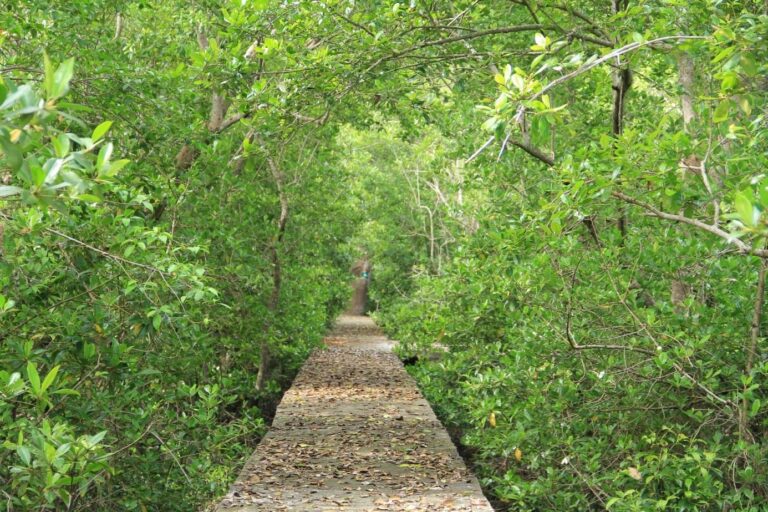
Forests cover almost 17 million hectares, a third of the country, and their area has not been this large for more than four centuries. Reforestation work therefore needs to meet specific needs, such as renewing plots devastated by pests. Elsewhere, wherever possible, forests should be renewed through natural regeneration, unless the existing species is no longer suited to the site because of climate change. As for first-generation planting, it is useful, for example, to safeguard water catchment protection zones, or to help biodiversity recover in areas under heavy pressure from the spread of intensive agriculture.
Worldwide
Here the picture is different. Forest cover has shrunk by more than one hundred million hectares in twenty years (twice the size of mainland France!). And scientists predict that half of the 3,000 billion trees on Earth could disappear by the end of the century unless strong action is taken to halt the decline of the world’s forests. In many parts of the planet the situation is deeply worrying, and large-scale reforestation is essential to combat soil erosion, fight climate change and more. But above all, the most important thing is to protect existing forests, because no plantation can ever match the ecological quality of native forests.
2. What are the key good practices for making a reforestation project succeed?
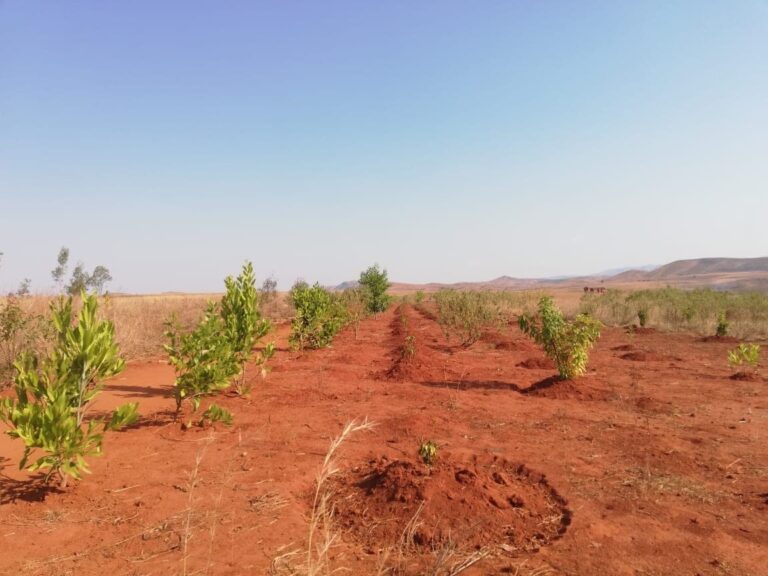
Whether planting new woodland or reforesting, rule number 1 is to plant the right tree in the right place. That means choosing species suited to the site (soil, climate, topography and so on) as it is today, but also as it will be tomorrow. Climate change over the next 50 or 100 years will have a major impact on the environments in which trees will have to grow. In mainland France, for example, we know that some species very common in our forests, such as beech, will decline considerably by 2100 because they are poorly suited to climate change. These changes must be taken into account too.
3. Why is mass tree planting a poor way to tackle climate change?
It depends what you mean by mass planting. Are we talking about planting density or planted area? At the moment, the « trend » is for very dense plantings of trees and shrubs on small sites, known as micro-forests. In mainland France and more widely in Europe, I think that in most cases this kind of project is very expensive and delivers results that do not live up to the investment. It would seem more useful to me to put that money into other, more relevant greening projects.
As for mass planting in terms of area, I don’t have a firm view on the question. It all depends on the local context.
4. What roles do native species play in reforestation projects?
Their roles are essential, because many species of fungi, plants and animals only thrive in woodland made up of native species. In my first book, « Arbres en péril », I mention for example the crucial ecological role of Morocco’s cedar forests, which are home to around thirty nesting bird species, making them one of the country’s forest ecosystems with the highest concentration of bird species.
5. What role do local communities play in the long-term success of reforestation projects, and what are the most effective ways to involve them?
I think that, worldwide, involving local communities really is a guarantee of a project’s success!
The best-known project, and certainly the most impressive, is the one led by Wangari Maathai in Kenya through the Green Belt Movement. The NGO she founded in 1977 is still very active. It mobilises women from more than 4,000 villages in a programme of tree planting around towns and villages. Its aim is to fight deforestation, secure their supply of wood, restore the fertility of the land, stop soil erosion and generate income. This collaboration between local people and the NGO has produced some ten million forest seedlings. More than 51 million trees have been planted in under 50 years. What’s more, 30,000 women have been trained in activities that give them extra income while protecting their land and resources.
6. What lessons have been learnt from failures or challenges in reforestation projects, and how can they be used to improve future approaches?
Why varied strategies matter
I don’t necessarily have a global overview of these projects to draw lessons from. I would simply stress how important it is to vary strategies to prevent plantations failing in the long term as the climate changes. At forestry school we were taught the « peasant common sense » of « not putting all your eggs in one basket ». I fully support that approach. We certainly need to plant « new species » from drier, hotter regions to anticipate the local effects of climate change. But we must also take care not to « write off » the species that grow naturally in the area. Local populations of these tree species usually have high genetic variability, and it is often possible to select individuals that are better able to withstand droughts and the water stress they cause in plants.
The quality of planting is also essential to a project’s success. Quality, more than quantity, is what must come first to ensure long-term success.
Why planting in towns and cities matters
Finally, we also need to bear in mind the importance of planting in urban areas, in Europe and elsewhere in the world. More and more people live in cities, and we need to make them far more resilient to climate change, all the more so because heatwaves are worse in cities. Yet a recent scientific study [1] showed that, worldwide, nearly two thirds of the species planted in 164 cities across 78 countries are unsuited to the climate expected in 2050. In New Delhi or Singapore, almost all the species planted in the city are unsuited to the future climate.
7. Could you tell us a little about agroforestry and its benefits?
All over the world, agroforestry is a path to the future. In many regions hit hard by global change, it is the best guarantee of preserving soil fertility and restoring biodiversity on farmland.
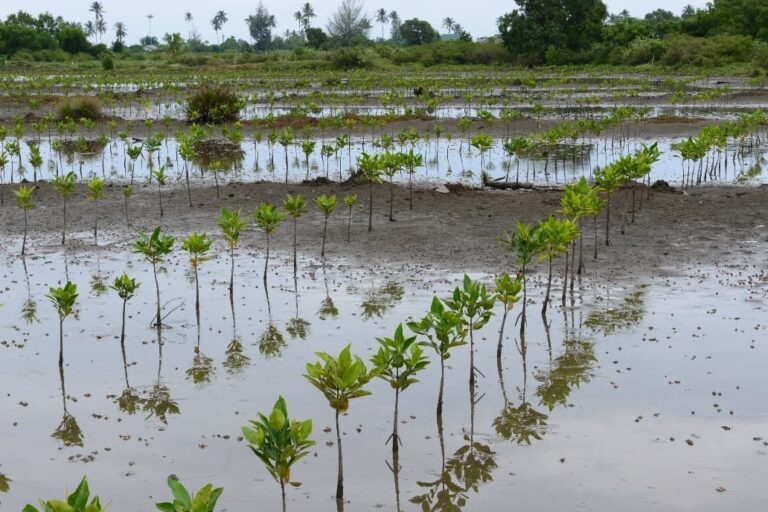
Want to take action for the environment? Would you like to help protect forests and biodiversity, and support the sustainable management of resources, land and water?
Join our Sapousse campaign. Our planting projects fight deforestation and help restore biodiversity, while giving local people a livelihood.
[1] Esperon-Rodriguez, M., Tjoelker, M.G., Lenoir, J. et al. Climate change increases global risk to urban forests. Nat. Clim. Chang. 12, 950–955 (2022).
Ready to help?
I start a fundraiser
Support the causes close to your heart by starting an online fundraiser with LIFE.
Raising funds for a charity has never been easier!