The role of NGOs in the fight against world hunger
From the busy streets of big cities to the most remote corners of the countryside, hunger robs people of their most basic right: the right to eat properly. Against this backdrop, NGOs stand as guardians of hope. Their role in the fight against hunger is both vital and many-sided, spanning a wide range of missions and strategies, driven by unwavering dedication.
1. Emergency humanitarian aid
When natural disasters, conflicts or economic crises strike, NGOs are often the first on the scene, delivering emergency food aid to people in need. Their teams head into crisis zones, bringing life-saving food supplies, clean drinking water and medical care. Acting quickly and effectively, they can save lives and help affected communities recover faster.
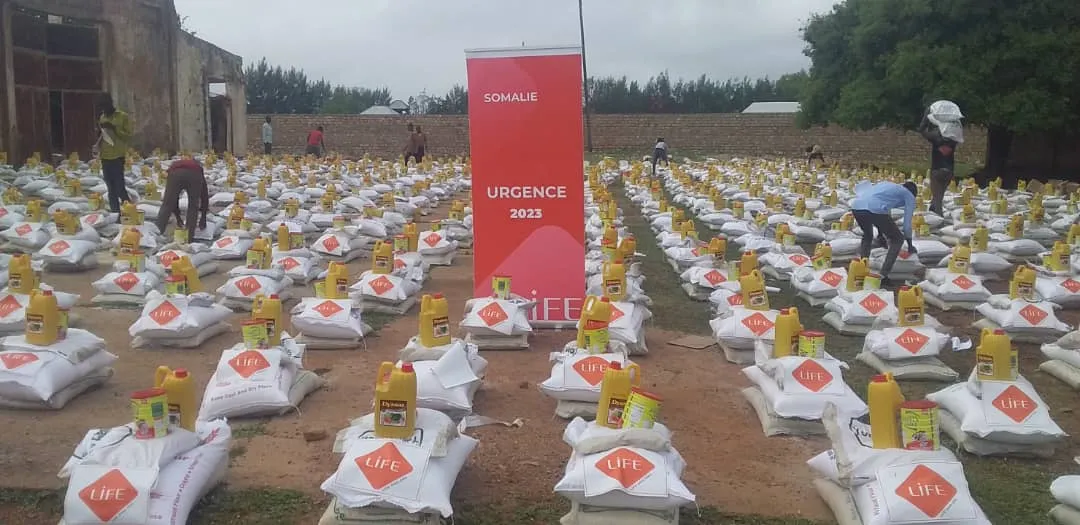
For example, in November 2023 LIFE carried out an emergency response to the floods in Somalia. As a result, 1,522 families in the Mogadishu and Beidoa region received food parcels.
In protracted crises, NGOs can also set up longer-term food support programmes to help communities regain their independence. This worldwide effort is essential to secure food for millions of people, including in France.
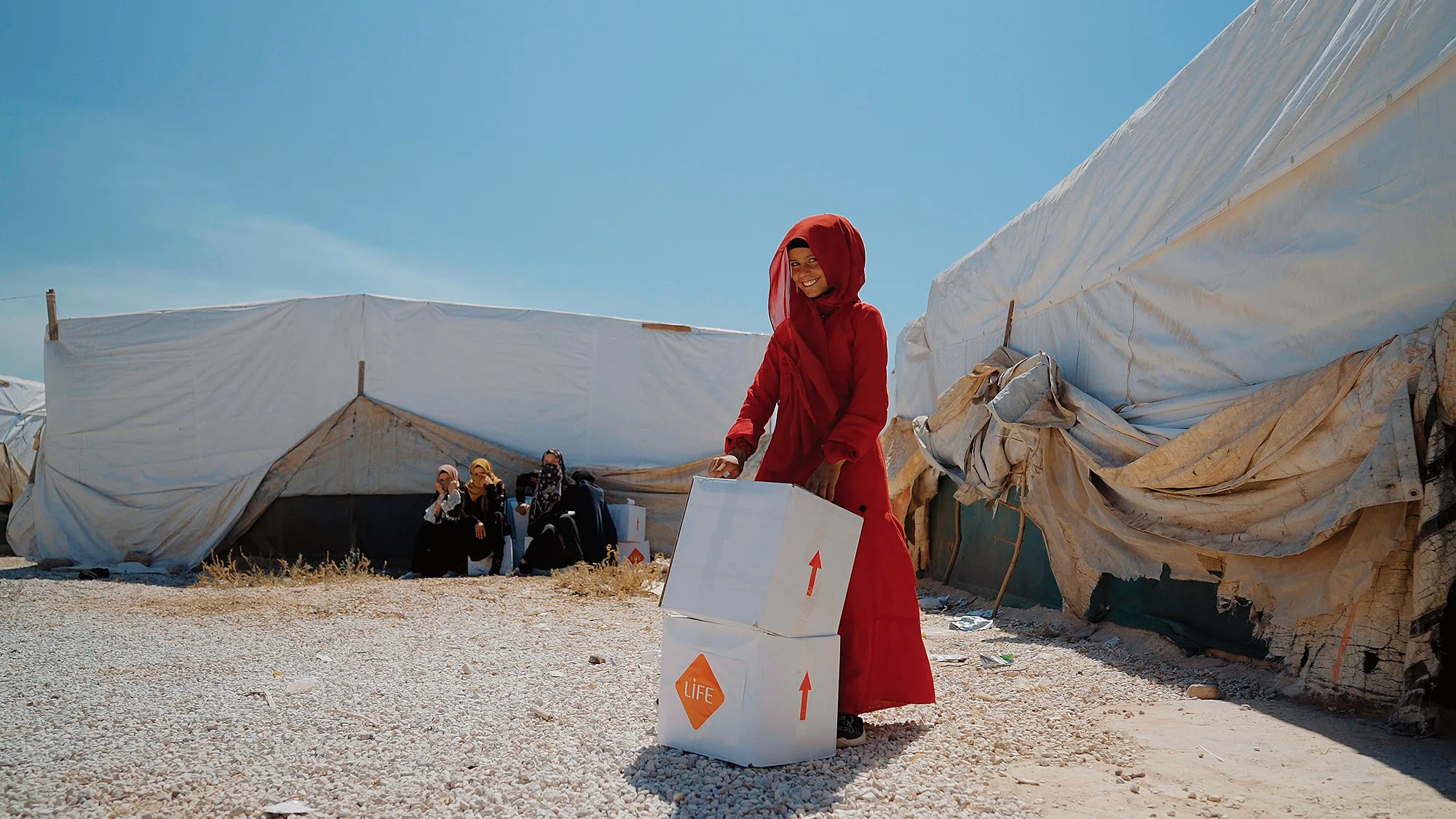
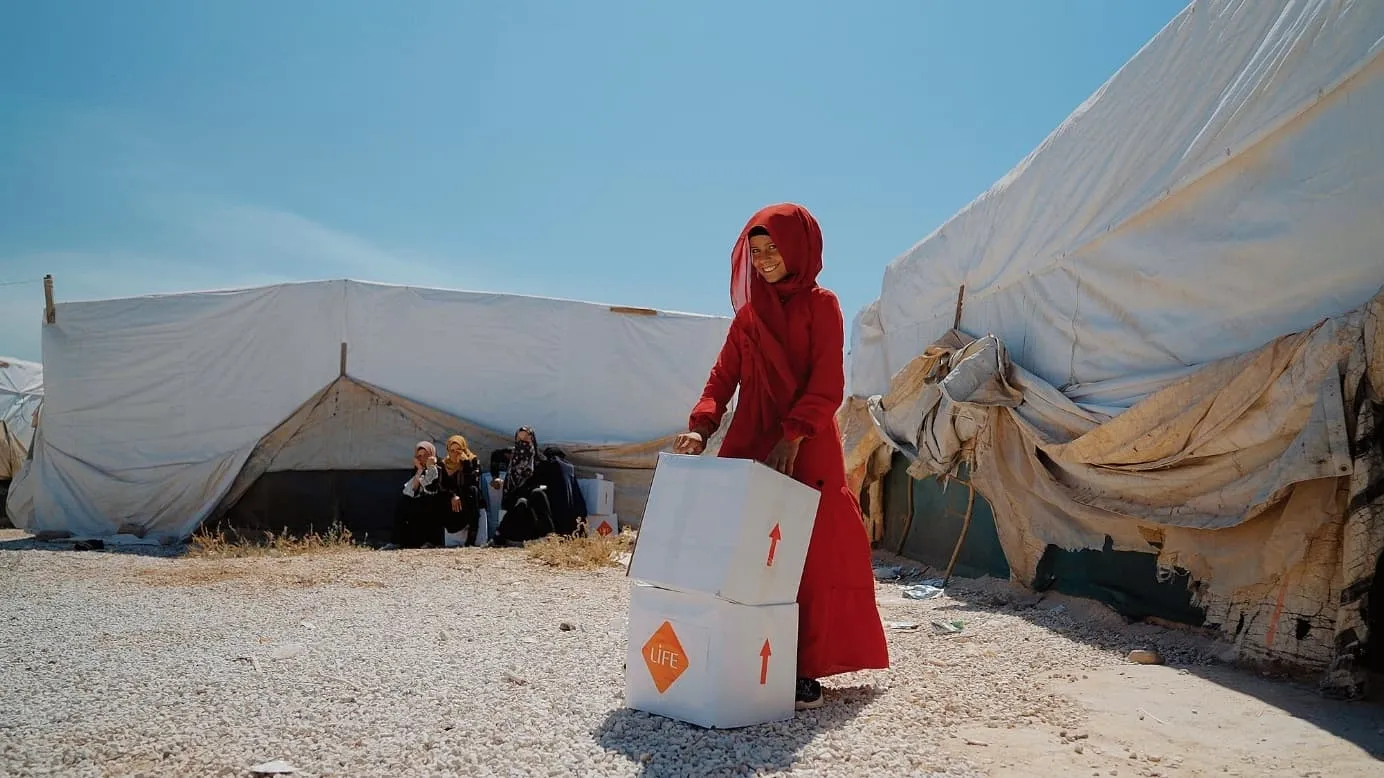
In Akkar, northern Lebanon, we were able to bring smiles back to hundreds of people – refugees and Lebanese families alike – who have been living through an economic and social crisis since 2019. In total, 411 food parcels were distributed in the Abu Ibrahim and Al-Imna camps and in the Rihaniya area.
2. Adapting to climate change
Droughts, floods, more frequent and more intense storms, and more. NGOs help people adapt to climate change and, in doing so, fight hunger. Here is how they go about it:
Promoting sustainable farming practices
LIFE, CARE, OXFAM, AVSF and more: many NGOs like LIFE run programmes that encourage farmers to adopt sustainable farming practices such as agroforestry and crop rotation. These help preserve the soil, make crops more resilient to extreme weather and keep farms productive despite climate disruption. NGOs often work hand in hand with governments, international organisations and, of course, local communities.
Through our SAPOUSSE programme, we support communities in setting up Green Initiatives. These might include organising responsible market gardening, promoting green manures to revitalise the soil, or training in farming and sustainable resource management, among others.
Introducing resilient crops
NGOs also work to identify and promote climate-resilient crop varieties that can thrive in increasingly unpredictable conditions. More resistant to drought, soil salinity and other environmental stresses, they provide a more reliable source of food for vulnerable communities.
Reforestation
Reforestation led by NGOs plays a crucial role in the fight against hunger. Planting trees on degraded land protects the soil, prevents erosion and improves fertility – all essential for farm productivity and therefore food security. Trees also give people alternative sources of income.
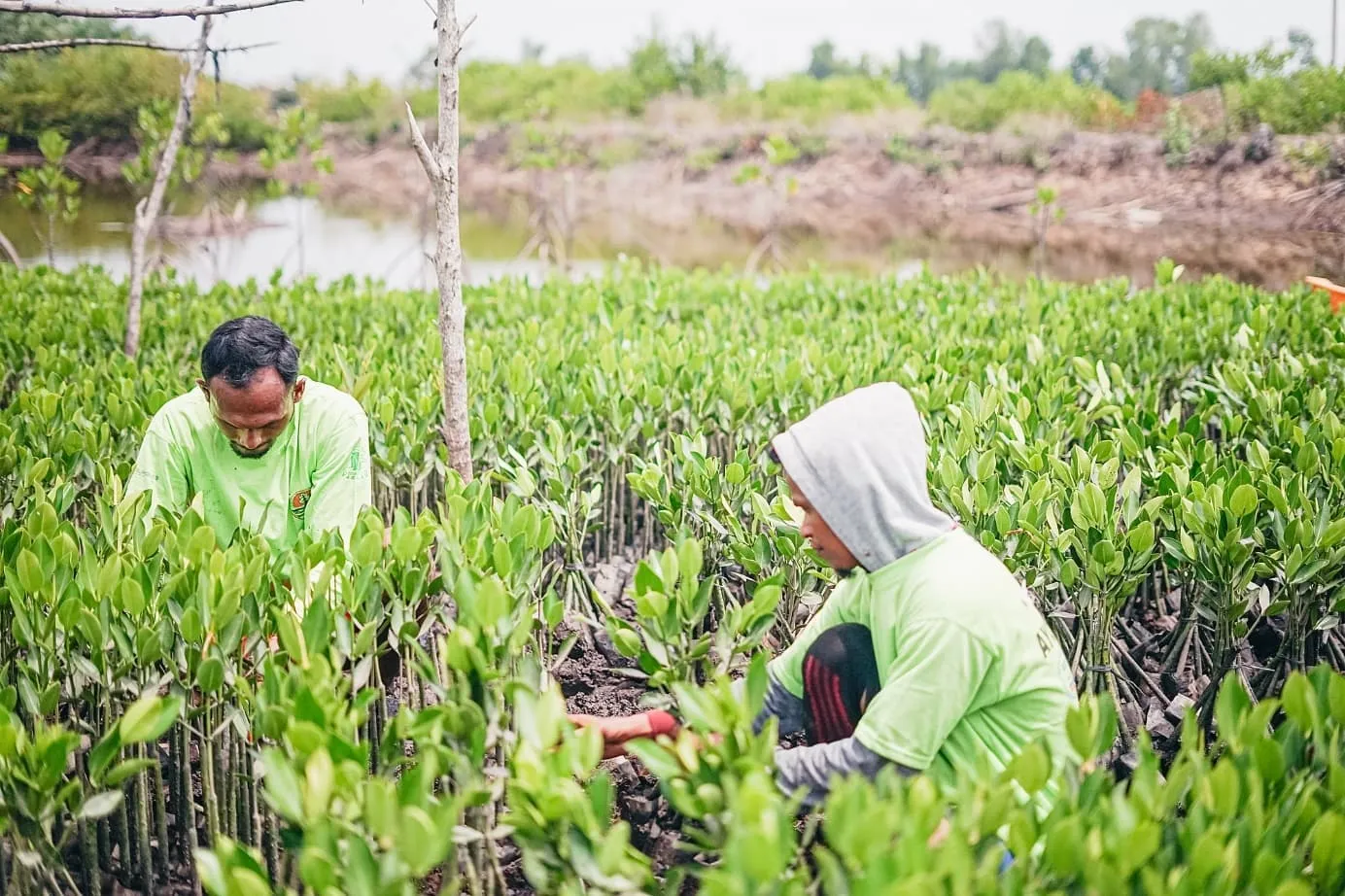
At LIFE, we make sure the trees planted during our reforestation campaigns bring many benefits to communities : environmental, economic, social and more. We plant so-called economic trees that generate extra income (fruit, nuts and so on), and we train people to use some of the raw materials they provide. In Indonesia, in North Sumatra, in the Aceh region – specifically in the villages of Sungai Pauh, Seurige and Kuala Langsa – we have restored mangrove ecosystems. Alongside this, we have developed income-generating activities for local people: forestry, production of mangrove fruits, batik dyeing and more.
Managing water resources
Better management of water resources, especially in drought-hit regions, has become essential. It can boost the harvests of millions of smallholder farmers around the world, and NGOs contribute to this day after day. This may involve building more efficient irrigation systems, harvesting rainwater and promoting water-saving irrigation techniques to make as much water as possible available for farming.
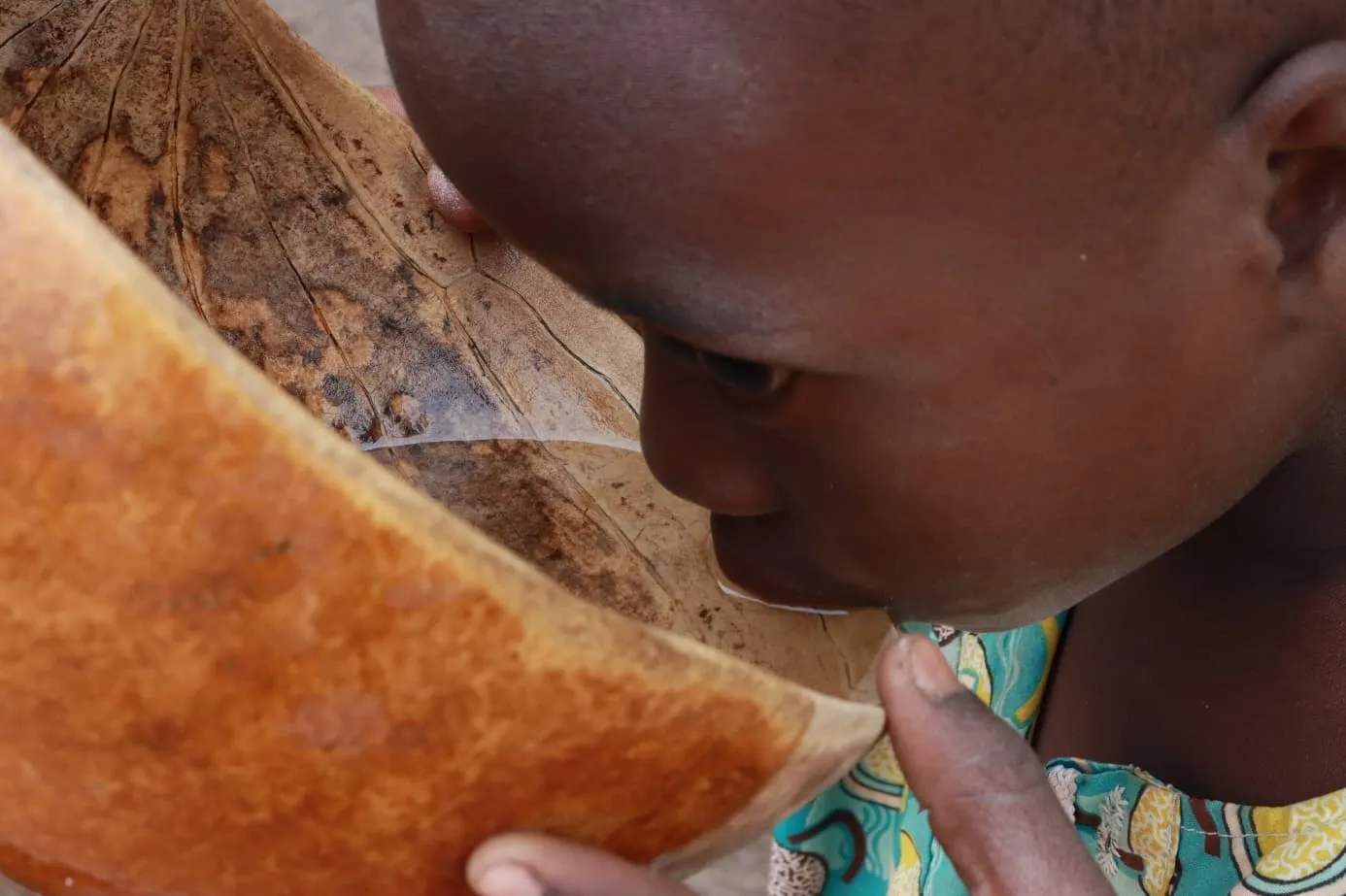
Among its many projects around the world to improve access to clean drinking water, LIFE has installed a simplified drinking water supply system in the village of Wibga, Burkina Faso, benefiting 2,000 people. In Cambodia, in the Banteay Mean Chey region, 50 water towers have been built. They are transforming the lives of almost 46,000 people!
3. Empowering communities
NGOs don't just treat the wounds of hunger; they also strive to tackle it at the root. Through community development programmes, they strengthen local skills in farming, livestock rearing and natural resource management. They give people the tools to cultivate their own future, sowing the seeds of independence and resilience.
4. Promoting gender equality
Hunger knows no gender, but its effects are often made worse by social inequality. NGOs are firmly committed to promoting gender equality, giving women and girls the means to become economically independent, access education and play an active role in food production. Empowering women is a cornerstone of the fight against hunger.
5. Raising awareness and education
At the heart of the battle against hunger lies the vital need to raise awareness and educate. Through campaigns in traditional media (television, radio, newspapers) and on social media, NGOs open people's eyes around the world. They also work closely with communities, offering advice on nutrition, sustainable farming, managing food resources and other useful skills. La Leche League, for example, runs training on infant nutrition, with a focus on breastfeeding.
6. Advocacy and political action
In the political arena, NGOs amplify the voices of people who go hungry. They champion fair and equitable food policies, fighting corruption, inequality and vested interests. Their powerful campaigns mobilise the public, putting pressure on governments and international institutions to take decisive action against hunger.
7. Innovation and research
Innovation is an indispensable ally in countering hunger. NGOs invest in researching and developing new solutions, such as drought-resistant crops, sustainable farming techniques and food preservation technologies. They keep pushing the boundaries of science to nourish bodies and minds hungry for hope. To do so, they work closely with experts and scientists.
8. Working together!
In the fight against hunger, unity is our greatest strength. NGOs build strong ties with other civil society players, charities, businesses, governments and international bodies. Together, they form a global network of solidarity and action, sharing resources, knowledge and best practice to maximise their impact.
NGOs are building a world where food insecurity is no longer inevitable, but a challenge we can overcome. Their work embodies hope and resilience, lighting the way to a future where every human being can truly flourish. Their commitment and expertise are essential to achieving Sustainable Development Goal 2, which aims to end hunger by 2030.
Join this noble cause and our 1 euro 1 meal campaign against hunger. Together, we can feed the world and change lives.
Ready to help?
I start a fundraiser
Support the causes close to your heart by starting an online fundraiser with LIFE.
Raising funds for a charity has never been easier!