Marine pollution: 8 ways to save our oceans
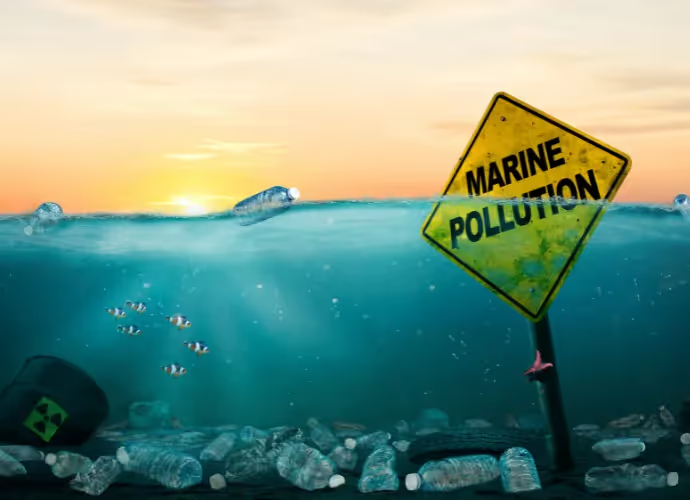
In a world where nature and humanity are inseparable, protecting our oceans matters more than ever. Marine pollution is now so widespread that we must act responsibly to protect these precious marine ecosystems. Here are 8 simple, effective actions that anyone can take to fight marine pollution. Together, we can become the oceans' guardians and inspire others, securing a sustainable future for generations to come.
1. Use less plastic
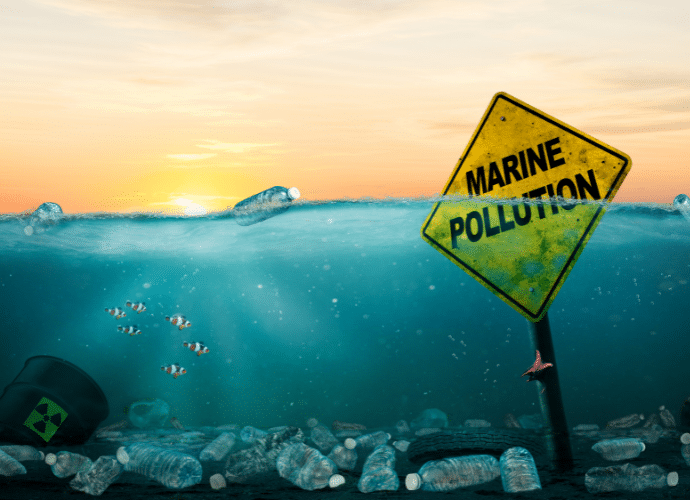
Plastic pollution has become one of the most urgent challenges facing our planet. Every year, millions of tonnes of plastic end up in the oceans, threatening marine life, damaging marine ecosystems and harming the health of the oceans. To turn this alarming trend around, we all need to take practical steps to use less plastic. By living in a more eco-friendly way, you can help keep our oceans healthy and protect their unique biodiversity.
Choose reusable products such as stainless steel water bottles, canvas shopping bags and glass food containers. That way, you avoid single-use plastic, which takes hundreds of years to break down once thrown away and pollutes our environment for a very long time. Choose products with recyclable or compostable packaging, and avoid over-packaged items that create far too much plastic waste.
By cutting out products that harm the environment, you also help shield our oceans from toxic waste. Many plastic products contain hazardous chemicals which, once released into the environment, can contaminate the oceans and harm marine wildlife. By using fewer of these products, we lower the risk of pollution and help protect marine life.
2. Join coastal clean-ups:
Every tide brings its share of rubbish: plastics, cigarette butts, discarded packaging... These pollutants spoil our beaches and threaten marine life. Yet one simple act can make a big difference.
These group clean-ups have an immediate, visible impact. By picking up the litter strewn along our coasts, you stop it ending up in the ocean, where it would harm marine ecosystems and wildlife. Turtles, seabirds, fish and other creatures can become trapped in this debris or swallow it, putting their survival at risk.
By taking part in coastal clean-ups, you become a real force for change, helping to protect our fragile marine ecosystems.
3. Support coastal reforestation projects:
Mangroves and coastal forests play a vital role in protecting coastlines from erosion and regulating water. Support coastal reforestation projects to restore these vital ecosystems and make them more resilient to climate change.
At LIFE, through our Sapousse programme, we plant life and hope. We run reforestation projects that also give local people a livelihood. Trees and oceans are closely bound together in a delicate balance on our planet. So by planting mangroves and bamboo in Indonesia, and mangroves in Bangladesh, among other work, we are helping to protect our oceans.
4. Raise awareness and educate:
Education is the key to change. By taking the lead in raising awareness of the issues around marine pollution among the people around you, you become a true ambassador for the oceans. You can share powerful, engaging information that opens people's eyes and inspires them to act.
By raising awareness and educating others, you sow the seeds of change for healthier, more sustainable seas. Every person who is informed becomes a vital link in a shared chain of positive action for the oceans.
5. Choose sustainable fishing:
Supporting sustainable fishing practices is a cornerstone of protecting the oceans and safeguarding our marine resources for the long term. By choosing certified seafood from responsible sources, you actively help protect marine life and the fragile balance of ocean ecosystems.
Overfishing and destructive fishing practices have a devastating impact on fish populations and marine ecosystems. By choosing environmentally friendly fishing, you help restore and preserve fish stocks. Sustainable methods such as line fishing, selective fishing and responsible management of fishing grounds protect vulnerable marine species and keep unwanted catches to a minimum.
By choosing sustainable fishing, you play a key part in protecting marine biodiversity. You protect not only fish but also the complex marine ecosystems that are home to countless marine species, from colourful corals to majestic whales.
6. Get involved in government initiatives:
Be a force for change by getting involved in government initiatives to strengthen ocean protection. Take part in public consultations, raise your concerns and make your voice heard for more ambitious environmental policies.
The oceans belong to all humanity, and it is crucial that governments take decisive action to protect them. By getting involved in these initiatives, you act as a guardian of our maritime heritage, and your voice becomes a powerful lever for shifting political decisions in favour of the environment.
Together, by standing united, we can inspire leaders to act more ambitiously to safeguard the health of our oceans and of the whole planet.
7. Support renewable energy:
The shift to renewable energy is essential to reducing marine pollution linked to greenhouse gas emissions.
Solar power has huge potential to meet energy needs cleanly and without CO2 emissions. Wind power is also a major force in the fight against marine pollution. Wind turbines, whether on land or at sea, produce clean, renewable energy without releasing greenhouse gases or toxic substances into the air or water. Hydropower, meanwhile, harnesses the force of rivers to generate electricity. This environmentally friendly technology provides constant, reliable energy without CO2 emissions.
Let's make the energy transition a reality, because every step towards clean energy is a step towards saving our oceans and our planet.
8. Garden responsibly
It is essential to limit pesticide pollution, which ends up in rivers and then the sea, upsetting the ecological balance of marine life. By adopting environmentally friendly practices, we help improve the quality of bathing water and protect marine biodiversity. There are alternatives to chemical weedkillers, such as copper sulphate or nettle tea, offering effective solutions for responsible, sustainable gardening.
By choosing these methods, we become inspiring guardians of our gardens, mindful of our impact on marine ecosystems.
Together, let's make protecting the oceans a shared priority. Every small step towards more mindful, responsible consumption brings us closer to preserving our oceans and safeguarding our planet for future generations.
Ready to help?
I start a fundraiser
Support the causes close to your heart by starting an online fundraiser with LIFE.
Raising funds for a charity has never been easier!