How to calculate Zakat al-Fitr
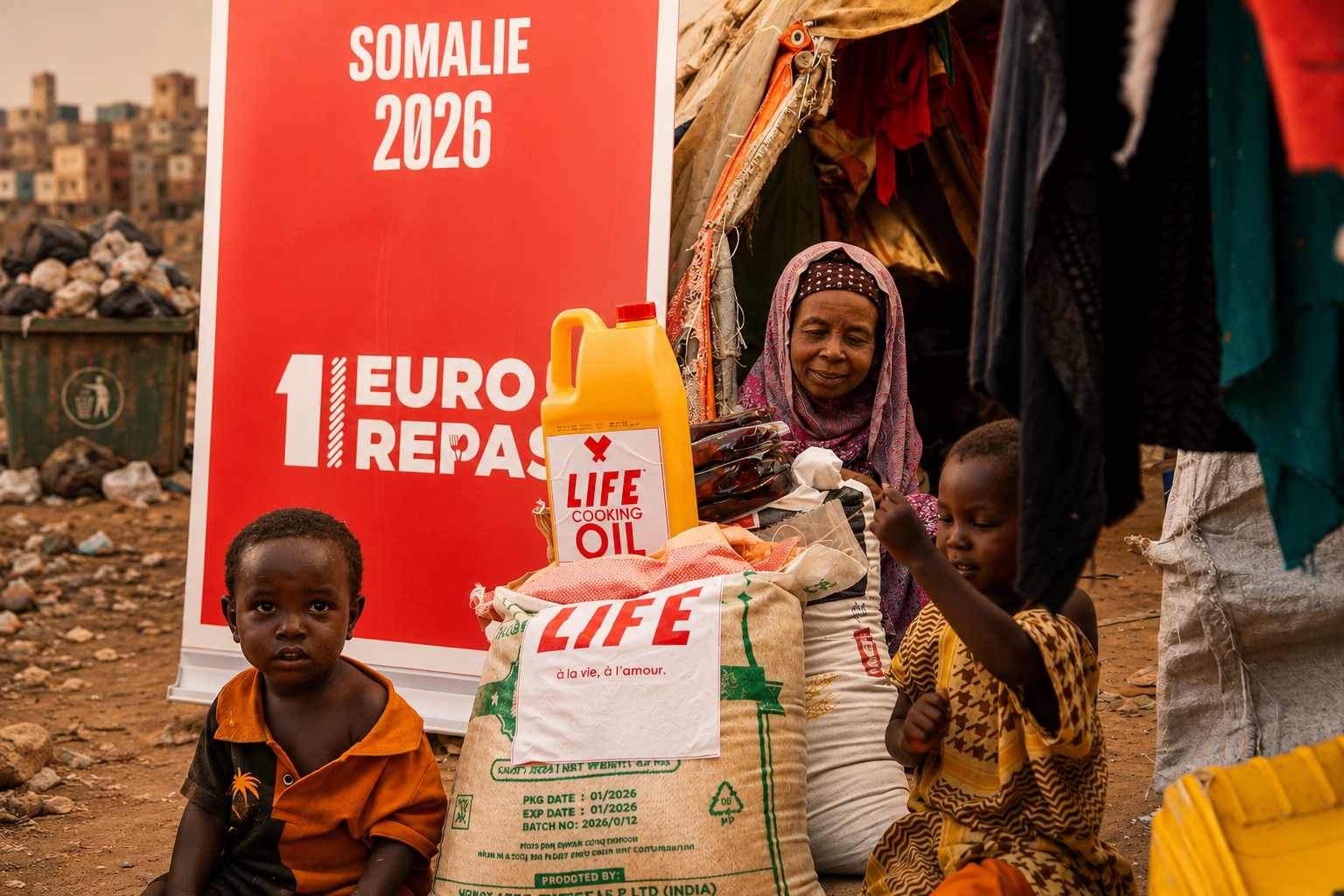
Rooted in the teachings of Islam, Zakat al-Fitr embodies generosity, solidarity and compassion towards people in need. At the end of the holy month of Ramadan, every Muslim is called upon to pay this obligatory charity. It validates and purifies the fast, and allows the poorest to celebrate Eid al-Fitr with dignity.
Grounded in the commands of Allah and handed down by the Prophet, this act offers a unique opportunity to contribute to the wellbeing of all. Let's look at what Zakat al-Fitr is, how to calculate it accurately and meaningfully, and the good it brings.
Do you know the foundations and purpose of Zakat al-Fitr?
Zakat al-Fitr (the charity of breaking the fast) is prescribed by Allah in the Qur'an and taught by the Prophet Muhammad. It stands out for its deep spiritual foundation. Every year, it reminds us of the need to purify the souls of those who fast from the sins committed during Ramadan, and to feed the poorest. Ibn Abbas, a companion of the Prophet, highlighted this purifying nature, linked to prayer and spiritual connection.
When should you give your Zakat al-Fitr?
Zakat al-Fitr can be given from the 1st day of Ramadan (Hanafi school) or from the 26th day of Ramadan (Maliki school), and before the Eid al-Fitr prayer. That way, those who receive it can benefit during the celebration: the money helps bring them happiness and comfort over the festival. If it is paid after the prayer, it counts as ordinary charity.
This proactive approach, ensuring timely distribution, underlines the positive impact of Zakat al-Fitr. It deepens the joy and gratitude shared during Eid al-Fitr.
How Zakat al-Fitr is calculated
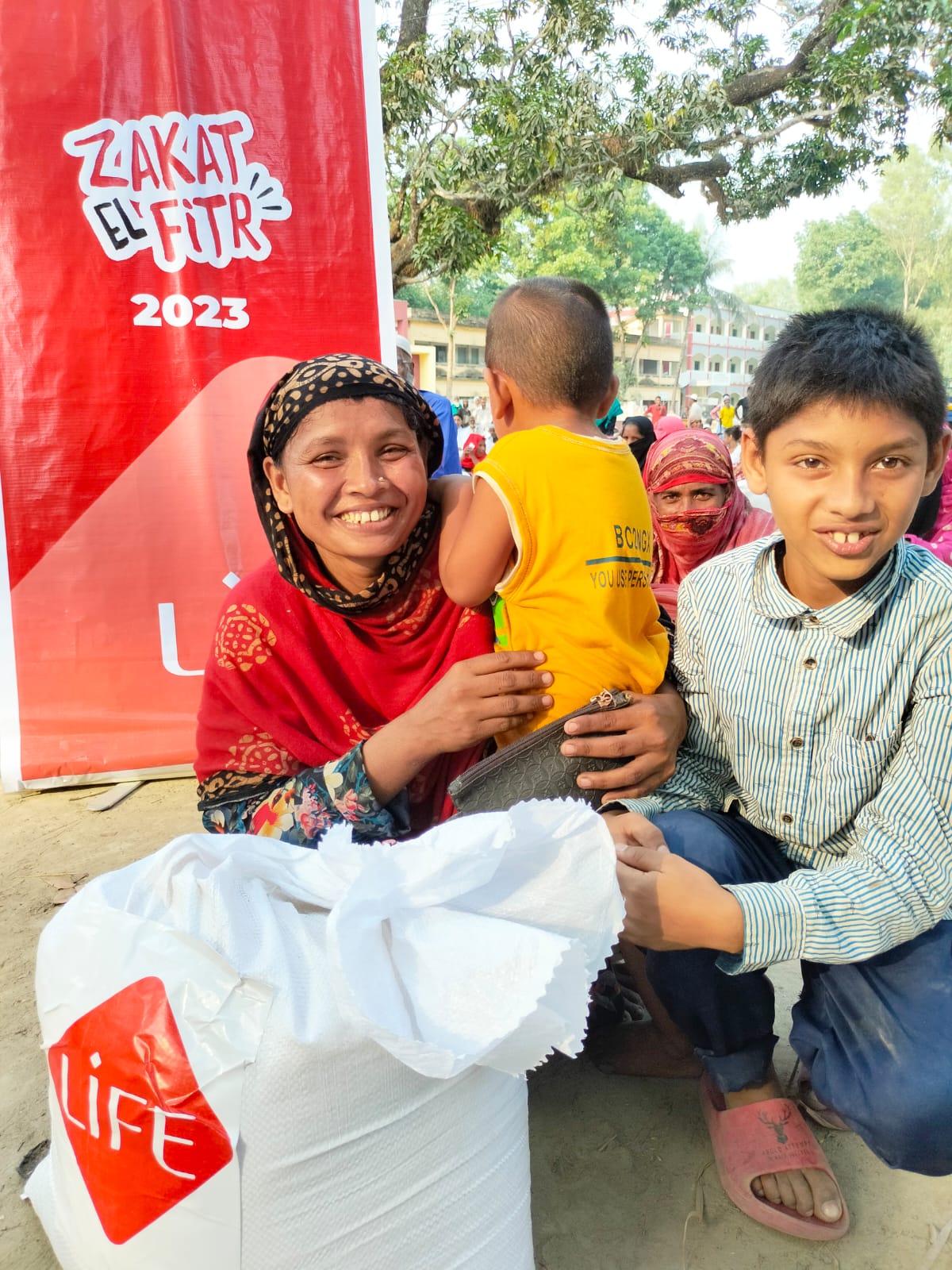
Zakat al-Fitr does not depend on the wealth you have built up over the year. It is equal to the value of a set amount of staple food per person (wheat, barley, dates, lentils, rice, etc.).
To calculate it, we use an Islamic measure called the saa or sâ'. The Prophet mentioned it, as reported by Abou Boukhari. It is equal to 4 times the contents of two cupped hands filled together, or about 2.5 to 3 kg of food. For example, a sâ' of rice is 2.3 kg, and a sâ' of dates 1.8 kg
What kind of food should your Zakat al-Fitr be made of?
The food varies with country and custom: wheat, barley, soult, raisins, dates, maize, rice, millet, powdered milk, etc. Whatever you choose, make sure it is non-perishable (food that keeps for a long time at room temperature). It must also be something the people of the receiving country actually eat. Depending on the school, processed products such as flour may or may not be allowed.
Can you give your Zakat al-Fitr in money?
Most Muslim scholars hold that Zakat al-Fitr cannot be paid as a gift of money. However, those who do allow it put it at around 9 euros.
Moreover, it is permitted to give your charity in money to a charity or NGO that buys food for those in need. Rather than handing your money to a shop where you would buy the food, you go through this intermediary, which distributes the food on the ground before the Eid salat.
At LIFE, we take care of passing your charity on to those who need it most. We do so with respect for Muslim tradition and humanitarian principles. By entrusting your Zakat al-Fitr to our NGO, you help change lives all over the world.
Who receives Zakat al-Fitr?
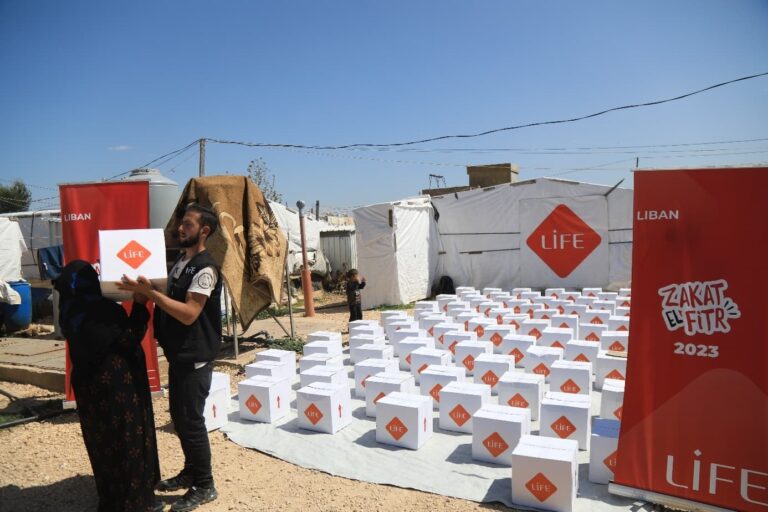
People in need, including relatives in need, can receive this charity. You can also send your Zakat al-Fitr to another country, where people are most vulnerable.
Why is Zakat al-Fitr inclusive and universal?
Every Muslim able to give, whatever their sex, age or social standing, must pay this charity. In line with the teachings of the Prophet and the categories mentioned in the Qur'an, the fixed quantity of food is paid for each member of the family, which underlines how inclusive this practice is. If you are head of the household, you must pay it (if you have the means) for yourself and for everyone who depends on you: wife, children, parents, etc.
This universal nature of Zakat al-Fitr highlights the shared responsibility of the Muslim community towards its most vulnerable members. In this way, it fosters a harmonious, caring society. The blessed month of Ramadan, the celebration of Eid al-Fitr and the breaking of the fast strengthen the bond between prayer, festivity and the duty to help the poor.
Zakat al-Fitr and Zakat al-Maal: the difference
It is essential to distinguish between Zakat al-Fitr and Zakat al-Maal.
- Zakat al-Fitr is a gift of food made during Ramadan.
- Zakat al-Maal requires Muslims whose wealth reaches a certain threshold (Nissab) to give a portion of its value to people in need.
Zakat al-Fitr is an act of faith, solidarity and compassion. It is a unique opportunity to strengthen community ties and make a meaningful contribution to society. By fulfilling this obligation wholeheartedly and generously, every Muslim can help build a stronger, more caring community, sharing the joy of Eid al-Fitr with all its members, wealthy and less fortunate alike. May this good deed become a pillar of the Eid celebration, reflecting the deep values of Islam and of God, and the importance of helping the poor all year round!
LIFE also collects Fidya and Kaffara during Ramadan.
Together, let's help people in need celebrate Eid al-Fitr with dignity and joy
Ready to help?
I start a fundraiser
Support the causes close to your heart by starting an online fundraiser with LIFE.
Raising funds for a charity has never been easier!