How can drilling a well transform a community?
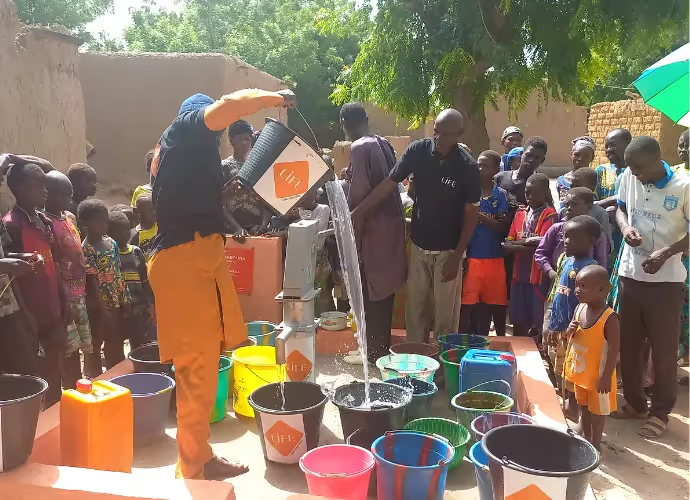
Drilling a well is far more than simply installing a water supply. In many countries, where access to safe drinking water is a major challenge, it stands for hope. It plays a crucial role in transforming the communities that benefit from it, and it can work miracles. A well improves people's living conditions in many different ways. Let's explore its positive impact together!
Drilling a well: access to a source of health
Safe drinking water for everyone
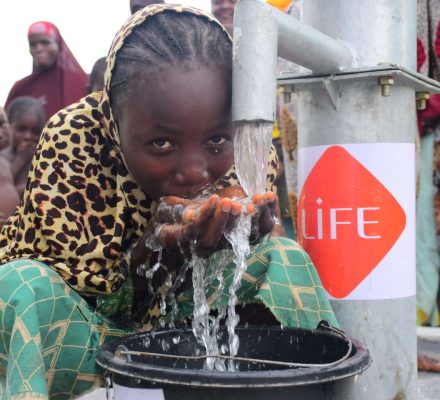
Drilling a well in a village gives people access to a precious treasure: clean, safe drinking water close to home. Without it, communities often rely on potentially contaminated water sources such as rivers, ponds or shallow wells. Drinking from them exposes people to serious risks, waterborne diseases in particular. Yet in 2022, at least 1.7 billion people worldwide were still using a contaminated source of drinking water !
Preventing disease
Diarrhoea, dysentery, cholera, polio and more. Every year, more than 500,000 deaths worldwide are caused by waterborne diseases. Thanks to safe drinking water wells, these diseases are in retreat. Drilling a well means building strong defences against illnesses that all too often devastate communities.
Hygiene within reach
Access to a clean water source in a village becomes a powerful tool for transforming its residents' hygiene.
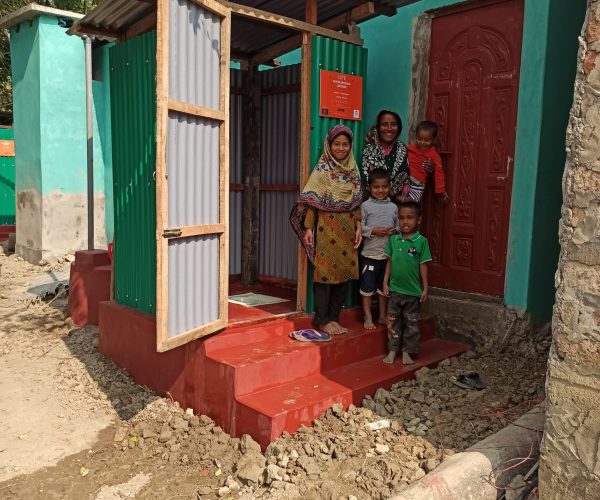
Simply being able to wash your hands, cook with clean water and take a shower profoundly changes communities' everyday lives! What's more, a well-drilling project often comes with hygiene education initiatives. All of this helps prevent infectious diseases and also improves people's wellbeing. And not to forget: well drilling frequently goes hand in hand with sanitation projects such as building latrines and sanitary facilities.
The well: a driver of social change
Empowering women
Most of the time, it is women and children who spend long hours fetching water from sources far from the village where they live. So for these women, a well in the heart of the village means extra time. They can put it into more productive activities, such as education, paid work or any other initiative that contributes to the prosperity of their household and community. That makes the well a powerful catalyst for promoting gender equality.
Time freed up for education
Thanks to a safe drinking water well in their village, children can go to school regularly. Absenteeism falls and school enrolment rises.
A well for food security
Water for the land and for livestock
Clean water is vital for people, but it is just as vital for farming and livestock. Well-drilling projects allow the communities they serve to consider irrigating their crops regularly. They can develop healthy, productive local agriculture and even diversify their crops. Drilling a well means fighting food insecurity.
Towards self-sufficient communities
With water from wells, harvests grow ever more plentiful and hunger recedes in the villages. Communities gradually become self-sufficient and their resilience to climate change grows stronger. And to keep the drinking water well working year after year, it is important that local people can maintain it and keep it in good condition.
At LIFE, we do everything we can to ensure the families we support take ownership of the project and get involved in looking after the well. Our teams organise the setting up of a Water Management Committee made up of villagers, and we train its members. To ensure the well can be managed fully independently, a system of financial contributions from users is agreed. For more than 10 years, we have installed more than 2,000 wells in 10 different countries!
Drilling a well to boost the local economy
Drinking water wells clearly have a positive impact on farming and livestock. But that's not all! They also contribute to local economic development in another way.
Businesses that rely on water in their production processes can indeed spring up in the village. And thanks to a stable water supply, their output can increase, along with the quality of their products and their competitiveness in the market.
This diversification of a community's economic activities reduces its dependence on a single sector and makes it more resilient to economic ups and downs.
Towards stronger social cohesion
Easing tensions
Drilling a well is far more than a simple source of water: it is an instrument of peace.
In countries under high water stress, such as North Africa or the Middle East, tensions can flare up as climate change threatens groundwater. Water can be a trigger for conflict, adding to a host of other factors, whether ethnic, political, religious or economic. Clan disputes over a water source, or on a larger scale over a hydroelectric dam, are increasingly common. They are often driven by the water needed for farming and livestock. Bringing safe drinking water close to villages and communities eases these tensions. Drilling a well is the promise of a more peaceful future, where water is no longer a source of conflict but a symbol of unity and prosperity.
A culture of sharing
As more wells are drilled, giving fair access to groundwater, conflict gives way to sharing and cooperation between residents. Less competition for resources, more collaboration in maintaining and managing wells, values of sharing better passed on to future generations, and more. Social bonds and solidarity grow stronger. The well becomes the glue that binds people together and makes them more resilient.
There's no doubt about it! Drilling a well is a powerful catalyst for change within a community. It unlocks its potential and opens the way to a future where health, food security and social cohesion can finally take root and flourish. Every drop of water drawn from a well becomes the promise of a better future. A promise that comes true every day for the people of these villages.
Join us in a well-drilling project that changes lives!
Ready to help?
I start a fundraiser
Support the causes close to your heart by starting an online fundraiser with LIFE.
Raising funds for a charity has never been easier!