Global water security: challenges and opportunities
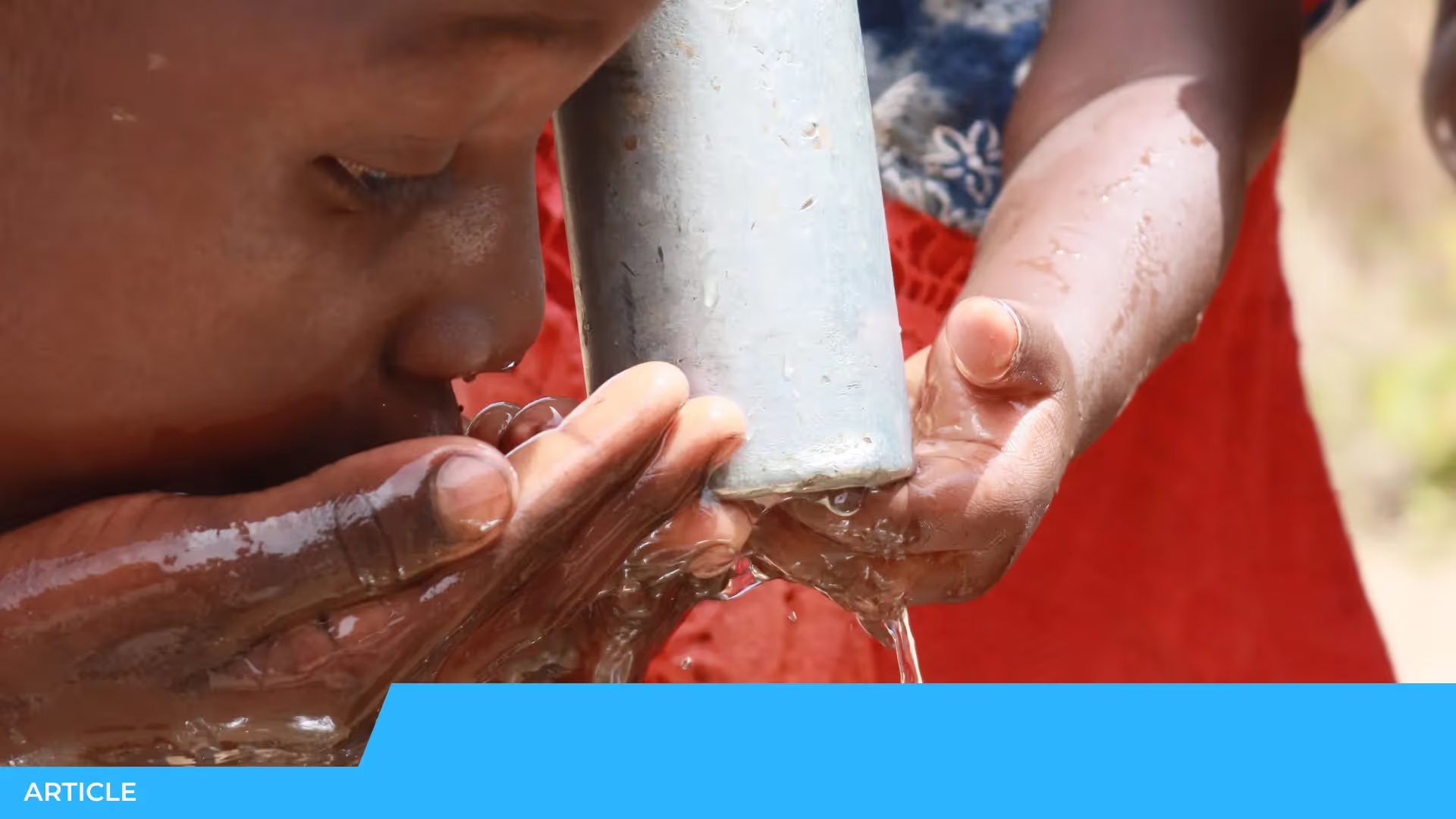
Without water security, human health and the environment are at risk. Access to clean, safe water is essential, yet this right is increasingly under threat around the world. Competition for water is growing ever fiercer, as population growth, rapid urbanisation and climate change all put pressure on it. Yet amid these challenges, there are promising opportunities. Through innovative initiatives and stronger international cooperation, together we can shape a future where water is a source of abundance and hope for everyone.
What is water security?
Water security is a population's ability to access enough safe, clean water to meet its domestic, agricultural, industrial and environmental needs. Drinking, washing, preparing food, keeping proper hygiene, supporting economic and environmental activity, and more: water security makes all of this possible. It is therefore essential to people's health, food security, poverty reduction and sustainable economic development.
The challenges of global water security
Although water security is crucial to humanity's survival and wellbeing, it faces many threats. What are they?
Shortage of drinking water
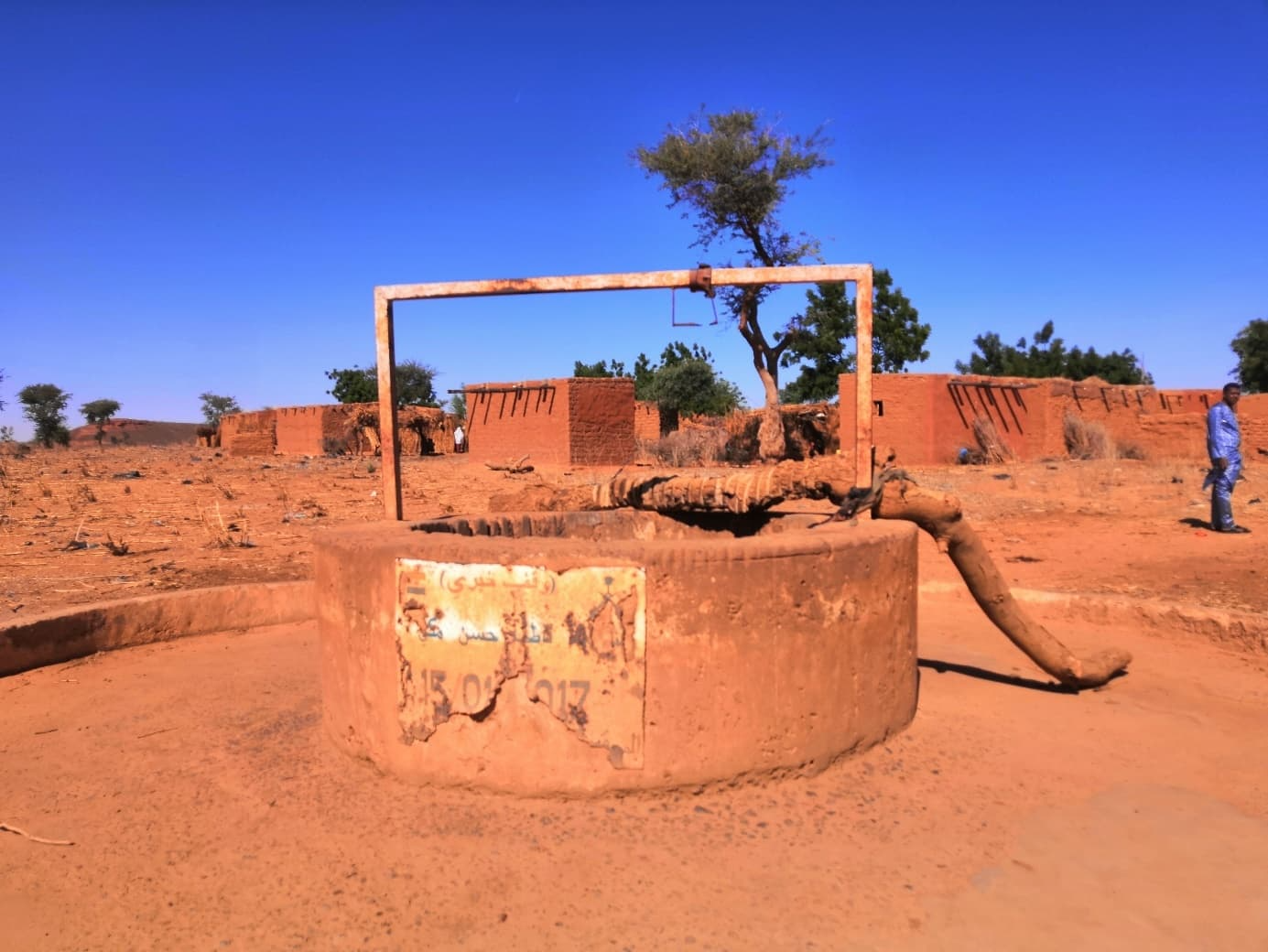
Water scarcity is a growing global challenge affecting every continent, especially sub-Saharan Africa, Central Asia and the Middle East. In sub-Saharan Africa, only 24% of the population has access to drinking water! It affects billions of people in towns and cities as well as in rural areas. According to a United Nations report, more than 2 billion people live in countries experiencing high water stress. This crisis is caused by a combination of factors, including climate change, population growth and rising demand for water in agriculture, industry and energy. And if nothing changes, global water demand is expected to rise by 55% by 2050, according to the UN. This will make managing water even harder.
Climate change
Climate change has a significant impact on the availability and quality of water around the world. Droughts, floods and storms are becoming more frequent and more intense, making water management harder. According to an IPCC report, it could reduce freshwater availability by 20% in some regions by 2050. On top of this, melting glaciers and rising sea levels can disrupt freshwater sources and increase water salinity in some areas.
Population growth
The world's population is forecast to reach 9.6 billion by 2050. With such sustained growth, demand for water for human consumption, agriculture and industry will keep rising. The pressure on available water resources is not about to ease, which highlights the urgent need for effective water management policies.
The rise of cities
Rapid urbanisation is also driving up demand for water. Cities, already home to more than half the world's population, use vast amounts of water to meet the needs of their residents, industry, services and agriculture. To make matters worse, urbanisation can increase pollution of water sources as waste and wastewater build up. Water sanitation is, in fact, another major global challenge! Together, these factors make sustainable water management increasingly difficult, especially where water resources are already limited.
Water pollution
Water pollution is a major problem in many parts of the world, particularly in developing countries. Industrial and agricultural waste, wastewater and chemicals are all sources of pollution that threaten water quality and human health. According to a WHO report, around 2.2 million people worldwide die each year from diarrhoeal diseases linked to contaminated water and poor sanitation. Water pollution can also harm the environment and biodiversity.
Opportunities to improve global water security
Improving global water security is a complex challenge, but innovative and sustainable approaches offer promising ways to achieve it. Each of us, in our own way, can help.
Building wells and sanitation
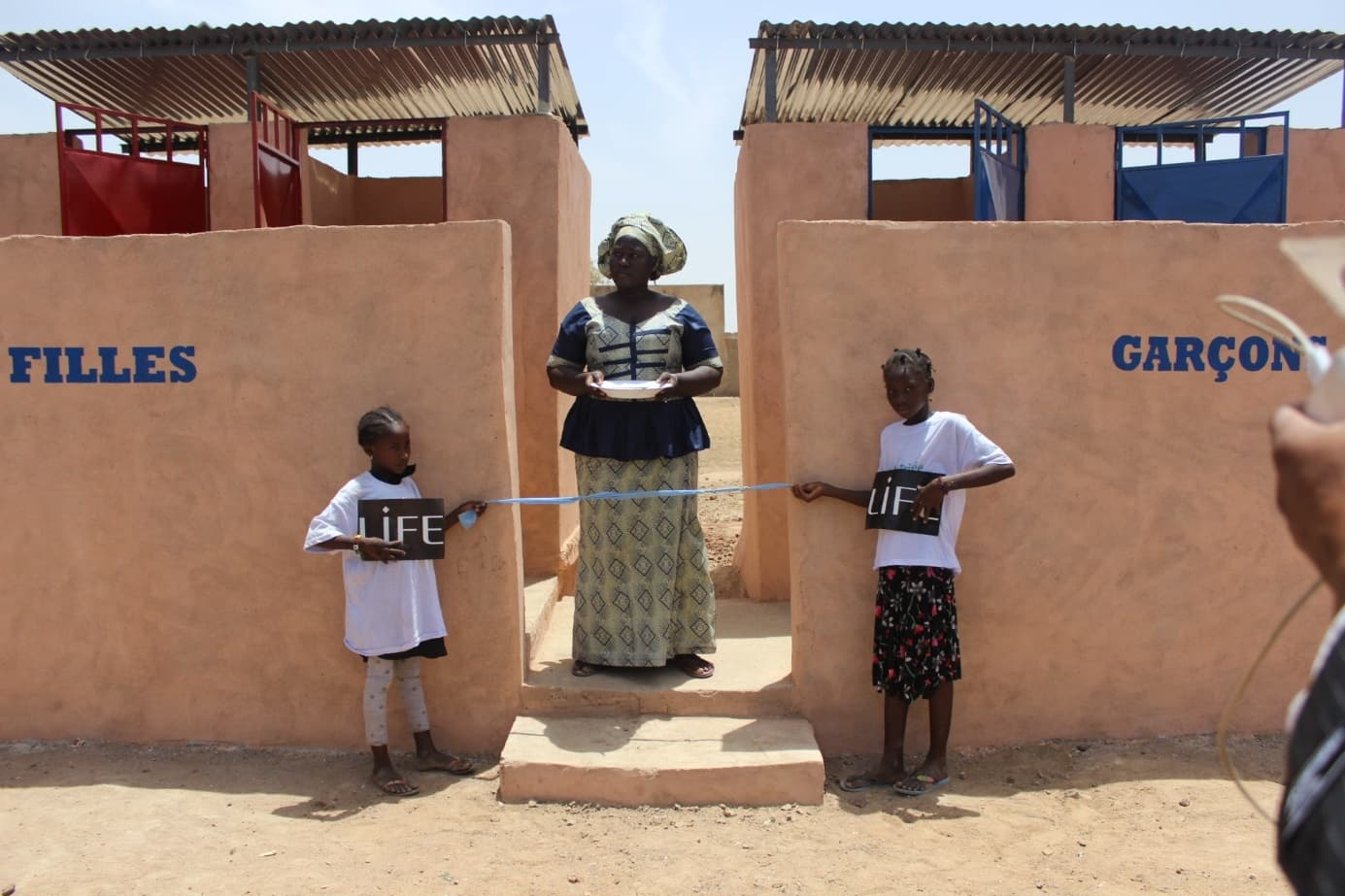
Building wells and sanitation facilities is essential to securing water. They provide access to safe drinking water, improve hygiene and support food production and people's wellbeing. They also help communities become more self-reliant and develop, giving them greater control over their water resources. Communities with proper water and sanitation systems are better equipped to cope with challenges such as droughts, floods and waterborne diseases.
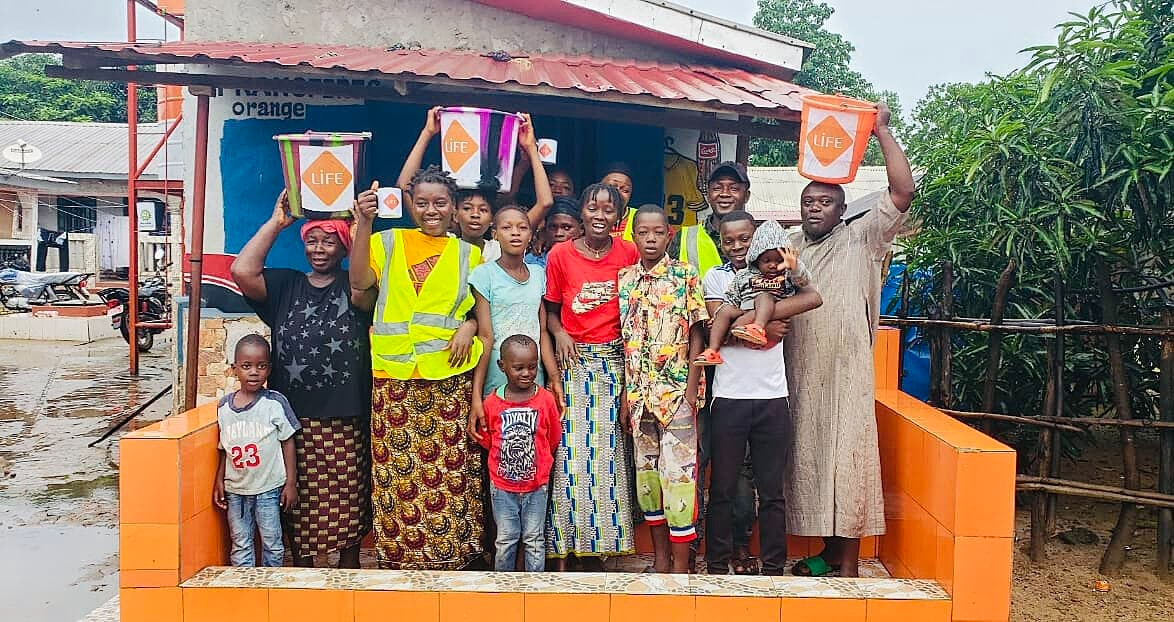
At LIFE, through our OASIS programme, we build drinking-water wells, water towers and sanitation facilities around the world. In emergencies, such as droughts, we also deliver water to communities in need. In Kenya, in the Kimini district of Trans-Nzoia, we have installed a water purification and bottling plant. These facilities are improving daily life for 4 villages and Upendo school. More than 2,500 families will have access to drinking water. The bottling plant will provide an income for the school and supply water to the arid and semi-arid counties of Turkana, Samburu and Eyen, as well as to the Kakuma and Daadab refugee camp areas.
Collecting and storing rainwater
Setting up infrastructure to collect and store rainwater is vital in arid regions. It not only increases the amount of water available but also helps meet growing needs for irrigation, drinking water, sanitation and other services.
Sustainable agriculture
Agriculture is one of the most water-intensive sectors in the world, accounting for around 70% of freshwater use. Turning to sustainable practices can help reduce demand for water, using techniques such as drip irrigation, crop rotation and growing drought-resistant plants.
Technological innovation
Technologies for desalinating seawater or reusing wastewater help make more water available worldwide. Digital tools also help conserve resources and optimise water management. How? Through real-time data. Precision irrigation, for example, uses sensors and automated irrigation systems to deliver exactly the amount of water crops need, reducing waste and maximising irrigation efficiency. Satellites and drones can monitor water resources and measure the levels of lakes, rivers and groundwater. Connected probes and sensors also make it possible to detect leaks in water distribution networks.
Sustainable water resource management
Sustainable water resource management is an integrated approach that aims to ensure the availability and quality of water for current and future generations, while protecting the integrity of aquatic ecosystems. It draws on practices such as water conservation, integrated water resources management (IWRM), protecting water sources and restoring aquatic ecosystems. Involving local communities is essential to its success.
Education and awareness
Education and awareness-raising are essential tools for improving water security worldwide. They help inform the public about the vital importance of water, the challenges we face and the solutions available. Many different organisations work to raise awareness and educate people about water security, including WaterAid, Project WET (Water Education for Teachers), Global Water Partnership, Water, Peace and Security (WPS), Global Water Security (GWS) and, of course, LIFE. All of them help drive effective policies and strategies to secure lasting access to water for everyone.

Public-private partnerships
Public-private partnerships can help improve water management, widen access to drinking water and sanitation services, and promote environmental sustainability. Businesses can contribute technical and financial expertise, while governments can ease the process by providing a suitable regulatory framework and infrastructure.
International cooperation
International cooperation is essential for effective water management, especially in cities and countries facing complex water challenges. It plays a crucial role in resolving water-related conflicts and in sharing water data and information. It also underpins policies and governance that support the sustainable management of water resources. This spirit of cooperation and shared governance is key to managing the world's water resources fairly and in a balanced way.
Global water security is a complex challenge that calls for an integrated, collaborative approach. The challenges we face are significant, but there are also many opportunities to improve the availability and quality of water for all. By working together, we can support sustainable development and build a thriving future for today's generations and those to come.
Let's work together to bring drinking water to more people around the world
Ready to help?
I start a fundraiser
Support the causes close to your heart by starting an online fundraiser with LIFE.
Raising funds for a charity has never been easier!