8 questions for Randolph, borehole drilling technician
For almost 2 years, Randolph has worked at LIFE as technical coordinator and technical lead on our "water and sanitation" projects. His role? Supporting our local partners in the field as they drill their boreholes.
Technical know-how may be at the heart of his work, but he never loses sight of what matters most: people. Today, he has kindly agreed to answer the 8 questions you've been asking.
1. How do you find out about a particular village's water needs?
Every country has its own context. But what they have in common is that our local partners have community liaisons: people who are in constant contact with the community. They know the area and the context well, and they hear from villages facing water problems. So information flows up to us. We also rely on village chiefs.
The local partner and the community liaisons are vital links in the chain, because every request comes through them. The partner is closest to the people we serve, so it is best placed to see what they really need.
2. What happens once a request for a well is made?
As soon as a well is requested, a process begins with the local partner. We send them a procedures booklet, including a diagnostic form for a field survey known as an "exploratory mission". This leads on to further stages covering questions such as land ownership, the number of people who will benefit, and so on.
Once our local partner has submitted the field diagnosis, the members of our projects team step in to read and study the various diagnoses under way in that area.
Once all the documents needed to launch the requested works have been received and approved, the projects team keeps a close eye on the work, making sure the conditions set out in the specifications are met and the agreed deadlines respected, right through to the proper handover of the finished works. When the form is approved, there's another very important step: the answer is passed all the way down to the beneficiaries. The aim is to make sure they accept the project, so that it runs smoothly.
3. What kind of relationship do you have with your local partners?
We have worked hand in hand with our partners for many years, and we make a point of boosting the local economy this way. Over time, a relationship of trust develops between us. A partner you can truly call reliable is the result of many years of working together.
Our partnership is collaborative. Each side brings its own expertise. At every stage of the project, from design to delivery and even the audit, there are three players: LIFE, the partners and the beneficiaries.
When we're in the field and we see that it's needed, it's also important to us to train the local teams, so they have all the skills they need.
We work with people. The human side is very important in this kind of collaboration. Again, we are only there to support them in carrying out their project.
4. What are the key factors for a successful water project?
In my view there are two, and they are very important: awareness-raising and a community approach. We explain the project to the beneficiaries, along with their role in it. For a project to succeed, it has to be accepted. That is what ensures it lasts and makes a difference to the beneficiaries' lives.
We need to help beneficiaries realise that they have to change their habits. For example, that means helping them understand why they should drink water from the new installation rather than from their usual source. It's the same when we want to set up a management committee and plan to put a woman at its centre. We then have to be sure how committed the beneficiaries really are, and that they won't withdraw from the management committee once the work is finished. They need to understand why, and that takes a shift in mindset and new habits. It all takes time, but it's essential.
5. What are the technical features of a borehole?
A borehole is a drilled hole about 20 centimetres in diameter, its walls held in place by a long column of pipes (usually PVC) that can reach very great depths (150 to 200 metres). This lets us tap water from the groundwater table. The water is then drawn up by electric or hand pumps. It is very reliably safe to drink.
6. What are the advantages of a borehole over a well?
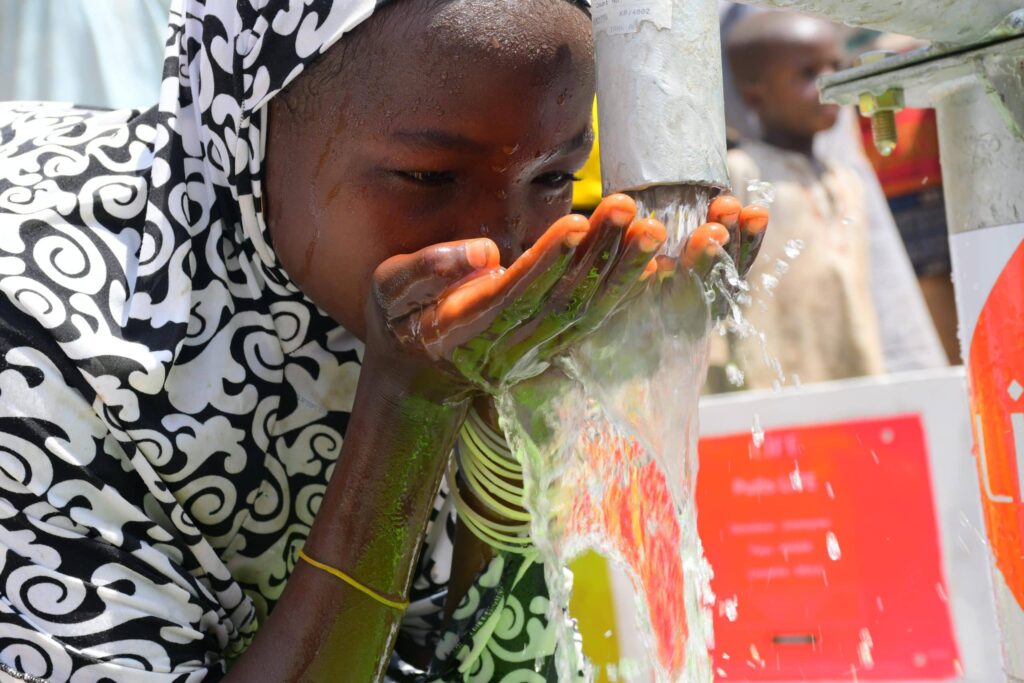
The advantage of a borehole is that it lasts: it has a longer lifespan than a well. Its water comes from underground, so large quantities are available. If the borehole is well built, the amount of water isn't affected; it's almost inexhaustible. The installation is also protected from outside contamination, such as surface water seeping in.
7. What is the average lifespan of a borehole?
The answer to this question varies a great deal. In principle, as long as the materials have been chosen carefully, maintenance is carried out, the local people are made aware of the need to look after the borehole, and there's no major environmental problem, a borehole can last many years. I'd say the average is between 30 and 50 years. Hence the importance of raising awareness and supporting the communities we serve. This stage is by far the most important in any development project.
8. How do you carry out audits once the borehole is finished?
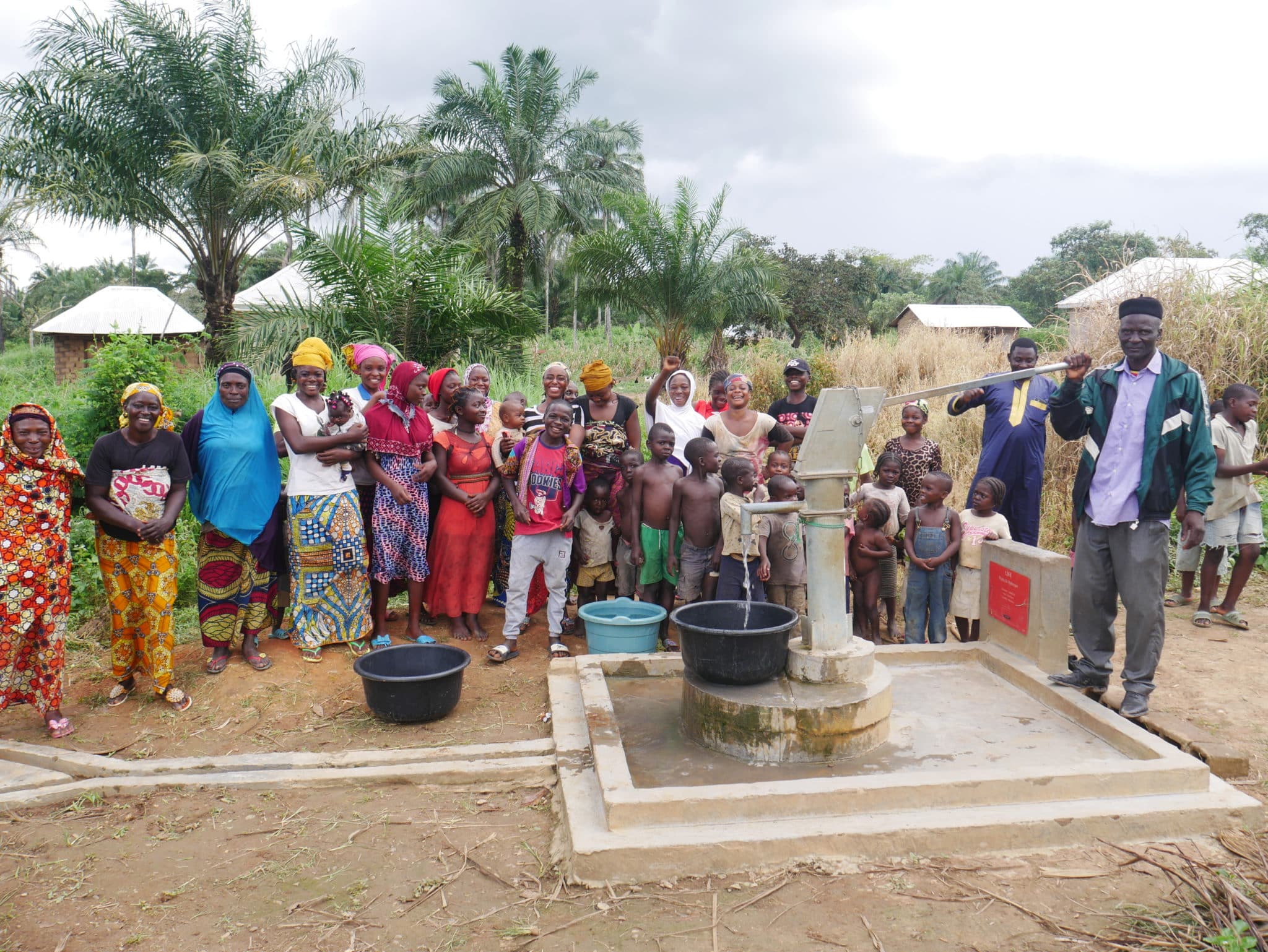
Once again, the human side comes first. Beyond the results of physico-chemical and bacteriological tests and so on, it's very important for us during an audit to take time to talk with the local people.
During an audit, we check 3 essential things. First, the quality of the water, which we test with a kit we have at LIFE. But also the quantity of water, by checking the installation's flow rate. Second, the quality of the infrastructure. We check that everything meets the specifications: dimensions, quality of the concrete, and whether there are any cracks. The aim is to make sure the installation will stand the test of time.
The World Health Organization (WHO) sets out the standards for water quality. So we make sure our installations meet WHO standards or the national standards of the country where we work.
All of this is part of supporting the beneficiaries. It's not just about funding and building installations, then leaving the way we came. We try to look ahead and invest in the future.
Would you like to give water to a village and change lives? Join us and become a LIFEchanger!
Ready to help?
I start a fundraiser
Support the causes close to your heart by starting an online fundraiser with LIFE.
Raising funds for a charity has never been easier!