Eid al-Adha 2026: date, meaning and how to celebrate
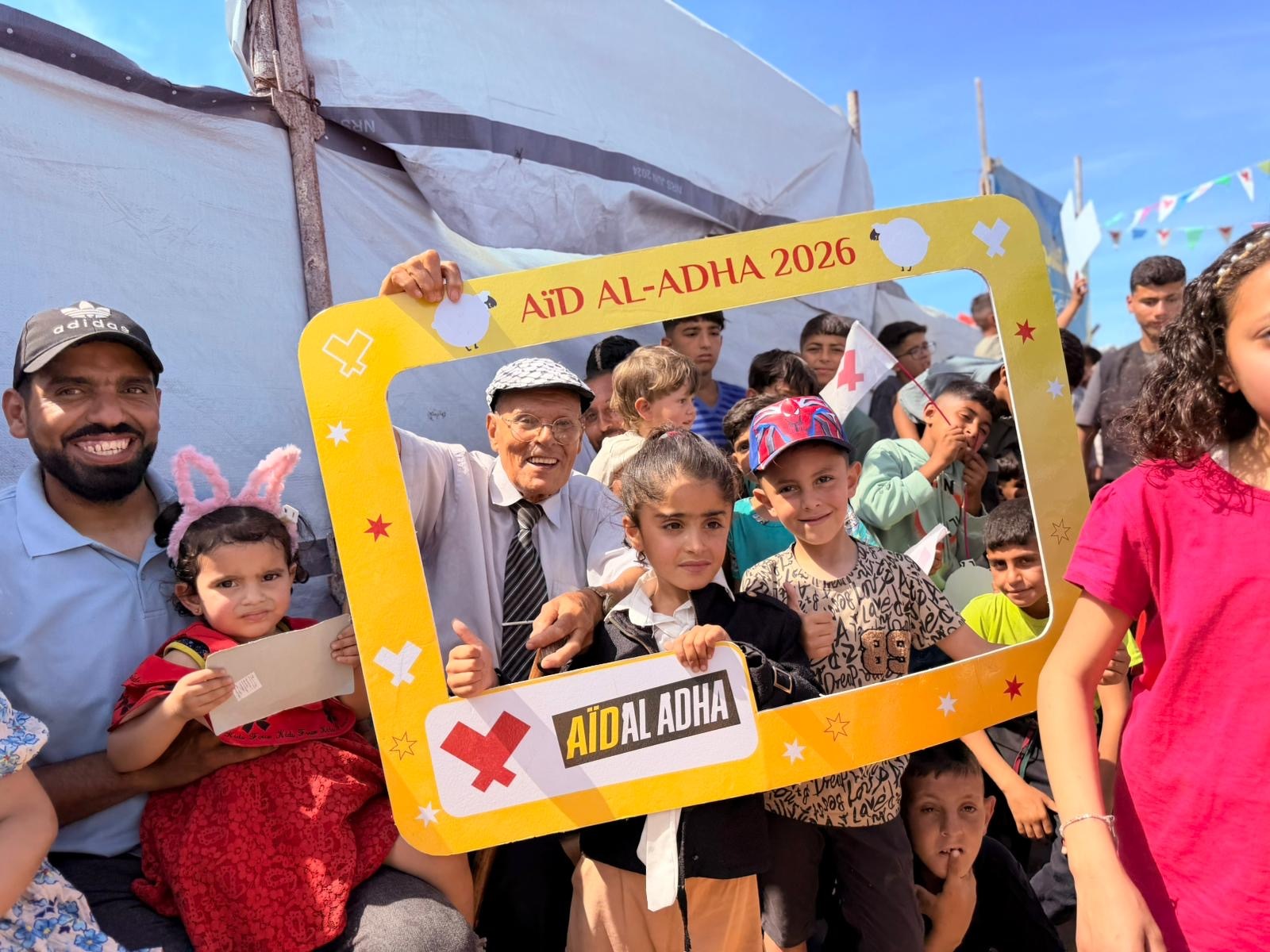
At a glance
- Eid al-Adha 2026, also known as Eid el-Kebir or the Festival of Sacrifice, is expected on Wednesday 27 May 2026 in France (subject to confirmation by sighting of the crescent moon). The Day of Arafat falls the day before, on Tuesday 26 May.
- It is the more important of Islam's two major festivals. It commemorates the submission of the Prophet Ibrahim, who was ready to sacrifice his son in obedience to Allah, before a ram was put in his place at the last moment.
- The festival lasts four days (27 to 30 May 2026) and is marked by three moments: the communal morning prayer, the ritual sacrifice (Qurbani), and the sharing of the meat with family, neighbours and people in need.
- The sacrifice can be carried out in person or delegated by proxy (Al-Wakala) to an NGO such as LIFE, which performs it and distributes the meat to vulnerable communities.
- LIFE's donor relations team is on hand to answer all your questions about sacrifice by proxy.
Every year, Eid al-Adha brings millions of Muslims around the world together in one shared celebration of faith, sacrifice and sharing. In 2026, the festival is expected on Wednesday 27 May in France. Whether you want to understand its meaning better, prepare for the rites, or share your sacrifice with communities in need, this guide gives you everything you need to know.
Eid al-Adha, Eid el-Kebir, Tabaski: why so many names?
The festival goes by different names in different parts of the world, but it always refers to the same celebration.
Eid al-Adha (عيد الأضحى) means "festival of sacrifice" in Arabic. It is the name most widely used in the Arab world and in religious texts.
Eid el-Kebir (عيد الكبير) means "the great festival", as opposed to Eid al-Fitr, known as "the lesser festival", which marks the end of Ramadan. It is the most common name in France and North Africa.
Tabaski is the name used in West Africa (Senegal, Mali, Guinea, Côte d'Ivoire, the Gambia). Kurban Bayramı is its Turkish equivalent. Qurbani refers more specifically to the ritual sacrifice at its heart.
These different names reflect the diversity of Muslim communities around the world, but they all point to one and the same founding event: the trial of the Prophet Ibrahim.
When is Eid al-Adha 2026 in France?
Eid al-Adha 2026 is expected on Wednesday 27 May 2026 in France, according to the calculations of the Muslim Theological Council of France (CTMF). The month of Dhul-Hijjah should begin on Monday 18 May, which places the 10th day on 27 May.
The Day of Arafat, the most sacred moment of the pilgrimage and a recommended day of fasting for those not performing Hajj, will fall the day before: Tuesday 26 May 2026.
Important
Date subject to confirmation: like all Islamic festivals, the date of Eid al-Adha depends on sighting the crescent moon (hilal). It may differ by one day between countries and local religious authorities. The official date will be confirmed a few days beforehand by representative bodies. In France, it is advisable to follow announcements from the Grand Mosque of Paris and the CTMF.
Why does the date change every year?
Eid al-Adha follows the Islamic lunar calendar, which is around eleven days shorter than the Gregorian calendar. The festival therefore moves forward by about ten days each year, travelling right round the solar calendar over roughly thirty years.
| Year | Expected date in France |
|---|---|
| 2025 | 6 June |
| 2026 | 27 May (CTMF estimate) |
| 2027 | 16 May (estimate) |
| 2028 | 5 May (estimate) |
The story of Ibrahim: the heart of Eid al-Adha
To understand Eid al-Adha, we need to go back to one of the most powerful stories in Islamic tradition, told in Surah As-Saffat (chapter 37 of the Qur'an).
Allah tests the faith of the Prophet Ibrahim by commanding him, in a dream, to sacrifice his beloved son Ismail. After consulting his son, Ibrahim resolves to obey. Ismail accepts too, with a faith and serenity that lie at the heart of the story's message. Just as Ibrahim is about to carry out the sacrifice, Allah puts a ram in his son's place, rewarding their complete submission.
In Islamic tradition, this story teaches several essential lessons: complete trust in Allah even in the hardest of trials, the value of sincere submission, and the importance of sharing with those most in need through the distribution of meat.
Good to know
A shared story: the account of Ibrahim and the sacrifice appears in all three major monotheistic religions. In the Bible (Genesis, chapter 22), it is Abraham and his son Isaac. In the Qur'an (Surah As-Saffat, 37), it is Ibrahim and Ismail. All three traditions agree on the essentials: one man's absolute faith in the face of the ultimate test, and the divine mercy that spares his son at the last moment.
How is Eid al-Adha celebrated? The rites day by day
The morning of 27 May: the Eid prayer
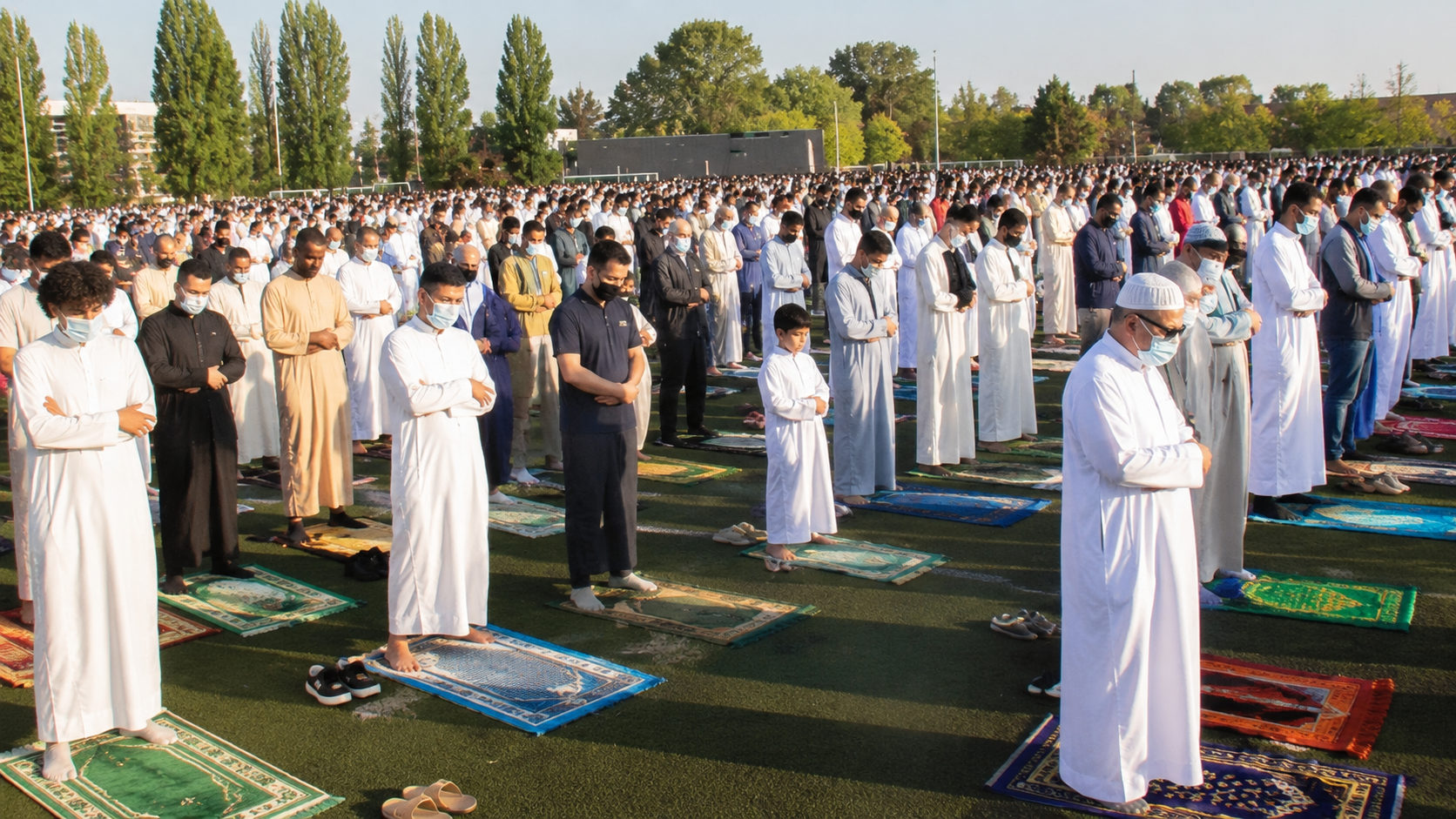
The day begins with the communal prayer, after sunrise. It is Sunna to purify oneself (Ghusl), wear perfume, put on one's finest clothes, and not eat before the prayer, so that the first thing eaten is the meat of the sacrifice.
The Eid prayer consists of two units (rak'at), with no call to prayer (adhan). It is followed by a sermon (khutba) from the imam and is usually held at the mosque or in a large open space.
After the prayer: the sacrifice (Qurbani / Udhiya)
This is the central moment of the festival. The sacrifice of an animal (sheep, goat, cattle or camel) commemorates Ibrahim's act. The meat is then divided into three parts: one third for the family, one third for relatives and neighbours, and one third for people in need.
The sacrifice must be carried out on the day of Eid or during the three days of Tashriq that follow, that is, up to 30 May 2026.
The following three days: the days of Tashriq (28–30 May)
These days are devoted to family visits, shared meals, acts of generosity and the takbirat (glorifications of Allah recited after each obligatory prayer).

Sacrifice by proxy: entrusting your Qurbani to an NGO
For those who cannot or do not wish to carry out the sacrifice themselves, Islamic tradition permits sacrifice by proxy, known as Al-Wakala. You entrust the amount corresponding to the price of the animal to a trusted organisation, which carries out the sacrifice on your behalf.
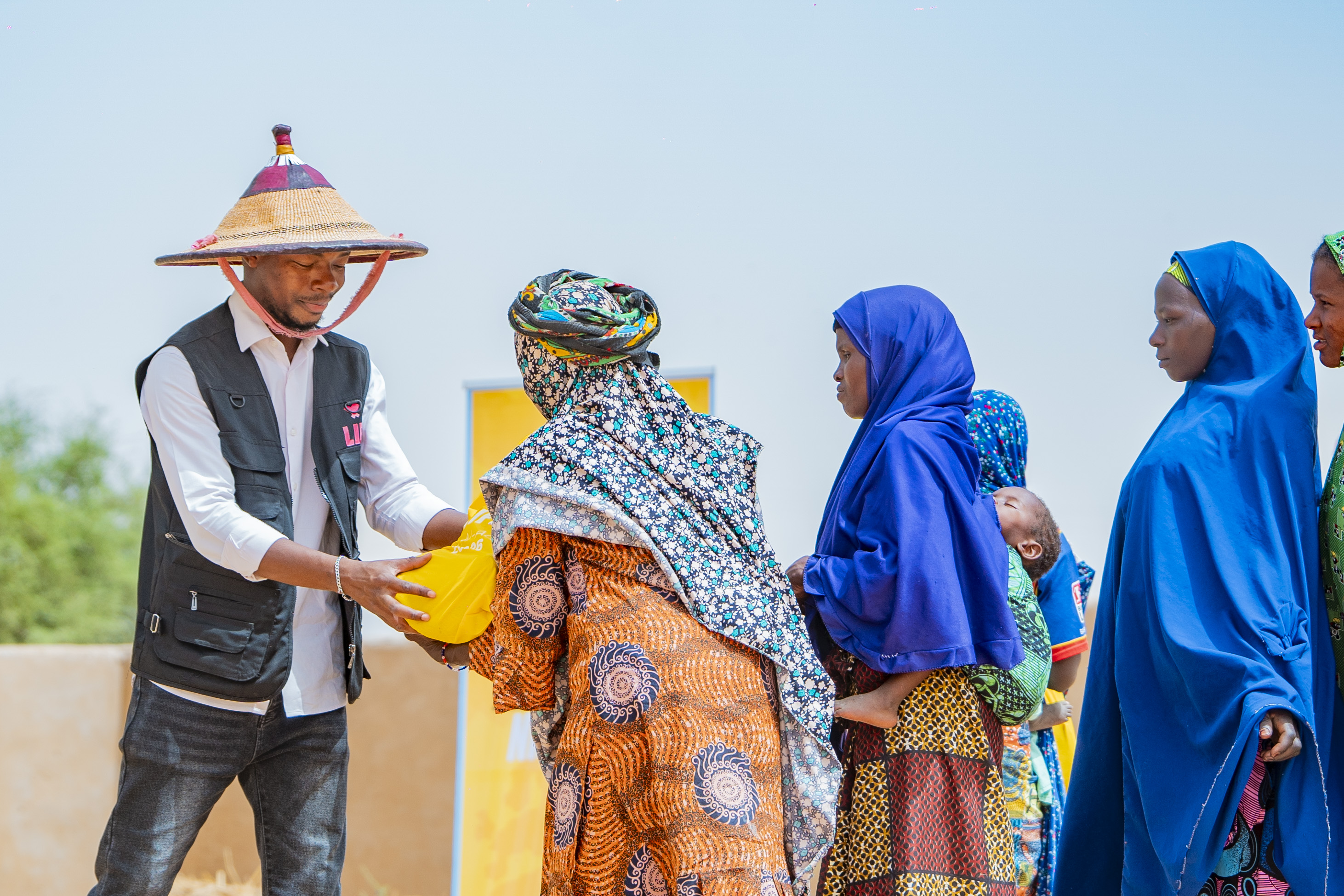
This practice takes on its full humanitarian meaning when the sacrifice is carried out in a country where people lack food. The meat is then distributed directly to families in need, just a few hours after the Eid prayer.
LIFE offers this sacrifice-by-proxy service in several of the countries where it works, including Palestine, Sudan, Mali and other humanitarian crisis zones. All operations are documented and can be viewed at life-ong.org/aid-al-adha.
To understand the rules of Qurbani, the conditions the animal must meet, and how to choose the right beneficiary country, our article Qurbani 2026: sacrifice rules, prices and how to give by proxy guides you step by step. And to make the most of the blessed day that precedes Eid, our article Day of Arafat 2026: meaning, fasting and virtues explains how to multiply your rewards on 26 May.
Eid al-Adha in France: some practical pointers
Eid al-Adha is not a public holiday in France. Some employers nevertheless give their Muslim employees a day off. Employees can take a day of leave or RTT (time off in lieu) to celebrate the festival.
Prayer times vary between mosques and regions. It is best to check directly with your local mosque from mid-May 2026.
In France, the sacrifice must be carried out in an approved slaughterhouse that complies with French health regulations. It is advisable to book ahead, ideally from early May, to avoid delays.
To see how your sacrifice by proxy can help families in need, our article Eid el-Kebir 2026: how to share your sacrifice with communities in need explains everything in practical terms. And to explore the meaning of the Day of Arafat and the recommended fast on 26 May, read our article Day of Arafat 2026: the meaning, fasting and virtues of this blessed day.
Would you like to entrust your Qurbani to LIFE for Eid al-Adha 2026?
Sacrifice carried out in your name. Meat distributed directly to families in need. Donor relations team on hand.
Give my Qurbani donation →Frequently asked questions
When is Eid al-Adha 2026 in France?
Eid al-Adha 2026 is expected on Wednesday 27 May 2026 in France, according to the calculations of the Muslim Theological Council of France (CTMF). The Day of Arafat falls the day before, on Tuesday 26 May. These dates are estimates based on astronomical calculations and may differ by one day depending on the official sighting of the crescent moon.
What is the difference between Eid al-Adha and Eid al-Fitr?
Eid al-Fitr marks the end of the Ramadan fast and falls about two months before Eid al-Adha. Eid al-Fitr is often called the "lesser festival" and Eid al-Adha the "great festival", the latter generally being considered the more important theologically. Eid al-Adha focuses on sacrifice, sharing and remembering Ibrahim's trial.
Is Eid al-Adha a public holiday in France?
No. Eid al-Adha is not a public holiday in France. Employees can take a day of leave or RTT (time off in lieu) to celebrate the festival, but there is no national legal provision for it.
Can I delegate my sacrifice to an NGO?
Yes. Islamic tradition permits sacrifice by proxy (Al-Wakala). You entrust the amount corresponding to the price of the animal to a trusted organisation, which carries out the sacrifice on your behalf and distributes the meat to communities in need. LIFE offers this service in several of the countries where it works. LIFE's donor relations team can tell you more about how it works.
Until when can I make my sacrifice for Eid al-Adha 2026?
The sacrifice can be carried out on the day of Eid (27 May 2026) and during the three days of Tashriq that follow, that is, up to 30 May 2026. For a sacrifice by proxy through LIFE, you can donate up to the last day of Eid.
Ready to help?
I start a fundraiser
Support the causes close to your heart by starting an online fundraiser with LIFE.
Raising funds for a charity has never been easier!