Education in times of war
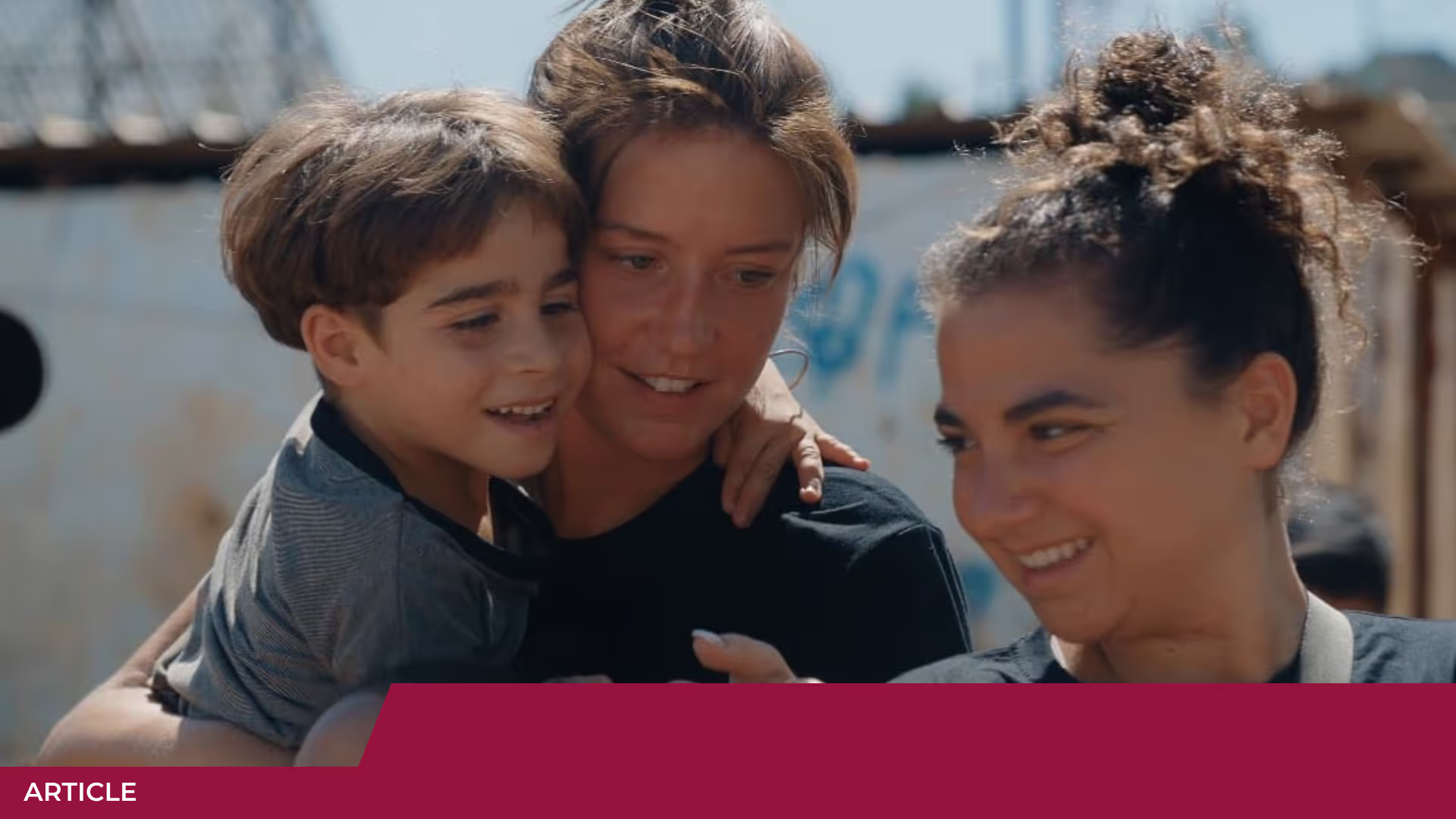
Education is a cornerstone of every society. But what happens when that society is plunged into war? Armed conflict upends every part of daily life, schools included. The consequences run deep and affect millions of children around the world. Yet despite the hardship, inspiring and often heroic efforts keep the flame of learning alive.
Schools under the bombs
Destruction and terror
In war zones, schools become targets. In recent years, in Syria, Yemen, Ukraine and so many other countries, they have been bombed, destroyed or occupied by military forces. Children find themselves trapped in a nightmare.
In Ukraine, more than 3500 schools have been destroyed or damaged, according to UNICEF.
In Gaza, Israeli attacks on schools have become “almost daily”, according to UNRWA (the United Nations Relief and Works Agency for Palestine Refugees). According to UNICEF, 92% of schools there are unusable, and more than 600,000 children have been out of school during these 6 months of war.
Children in danger
On top of the physical destruction, the constant fear of attack makes learning impossible. Parents hesitate to send their children to school, afraid they may never come home. Children feel unsafe everywhere, and you need to feel safe to learn and to concentrate… Children living through war suffer deep psychological trauma. The sound of explosions, the loss of loved ones and the devastation around them leave lasting scars. In some war-torn countries, many never return to school, even after the fighting ends. According to the World Bank, in Iraq, six years after the government declared the defeat of the jihadist group Islamic State, tens of thousands of children remain out of school.
Fleeing to survive
Mass displacement
Faced with violence, families flee. Mass displacement creates humanitarian crises. In 2023, according to UNICEF, 43.4 million children were displaced worldwide, a sadly record number… Today there are 14.8 million refugees of school age!
Education for refugee children
Teachers and education staff working with refugee populations or in refugee camps often lack proper training (particularly in dealing with trauma…) and suitable teaching materials. On top of that, overcrowded classrooms and scarce resources in the camps undermine the quality of teaching and make it hard to adapt lessons to pupils’ specific needs. 48% of refugee children are out of school.
And yet, even a few hours of school a day can change children’s lives and open up new horizons. Many volunteers are stepping up to make it happen. In Gaza, for example, people are organising to give them “a moment of normality”.
Did you know? The lack of safety and access to education in the camps exposes girls to a greater risk of sexual violence, prostitution and early marriage.
Why education matters in times of war
Bringing stability and normality
Why is education so vital in times of war? It offers a refuge, a sense of normality in a chaotic world. The longer a child is out of school, the more they are affected by the climate of violence. Education also prepares children for post-conflict reconstruction. Without it, an entire generation risks losing its future opportunities.
Preventing radicalisation
Education also protects against radicalisation. Without it, children are more vulnerable to recruitment by armed groups. Giving them access to school gives them a future far from violence.
Vital initiatives in times of war
Mobile schools
Local communities, NGOs and governments are putting innovative solutions in place to keep education going during war. Makeshift classrooms are set up in buses or tents, as in South Sudan. Tents are easy to transport and can be put up quickly in camps for refugees or internally displaced people. They offer a safe space to learn.
In Port Sudan, a city so far spared by the war, thanks to the efforts of many volunteers, 120 children can attend a few hours of school in tents each day, 5 days a week.
In Nigeria too, NGOs support mobile schools that travel from village to village.
Technology and online learning
Modern technology offers solutions too. Online learning and digital education platforms allow some children to keep learning despite disruption. In White Nile State, in south-eastern Sudan, children can resume their studies at their own pace using tablets in 42 temporary learning centres set up by UNICEF and its partners.
Teachers’ resilience
Courage and dedication
Teachers play a crucial role in times of war. They are not only educators but also a source of emotional support, offering children comfort and stability. They often risk their lives to keep their pupils learning. In Afghanistan, many women teachers continue to work in secret despite the bans. They know that education is a powerful way to resist oppression and build a better future.
Their courage is an inspiration. In Nigeria, despite the threat from Boko Haram and its mass abductions of pupils, teachers band together to hold lessons in secret locations, determined not to leave children without an education. Going to school and teaching have become acts of resistance against these terrorists.
Did you know? According to UNICEF, since 2009 Boko Haram has killed 2,300 teachers and destroyed more than 1,400 schools.
The financial challenges
Not enough funding
Funding education in wartime is a huge challenge for affected countries. Resources are often diverted to the war effort. Schools lack everything: books, supplies, buildings. Teachers are poorly paid, or not paid at all.
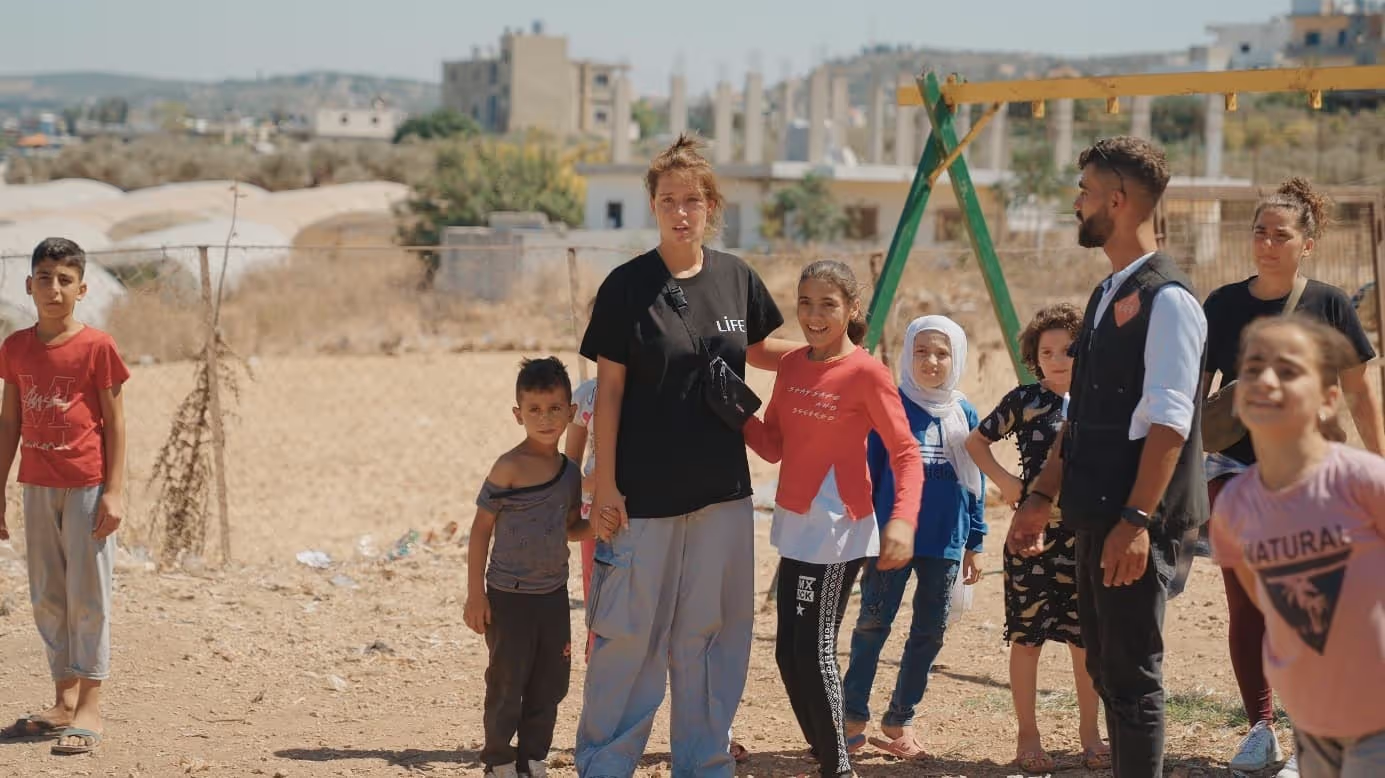
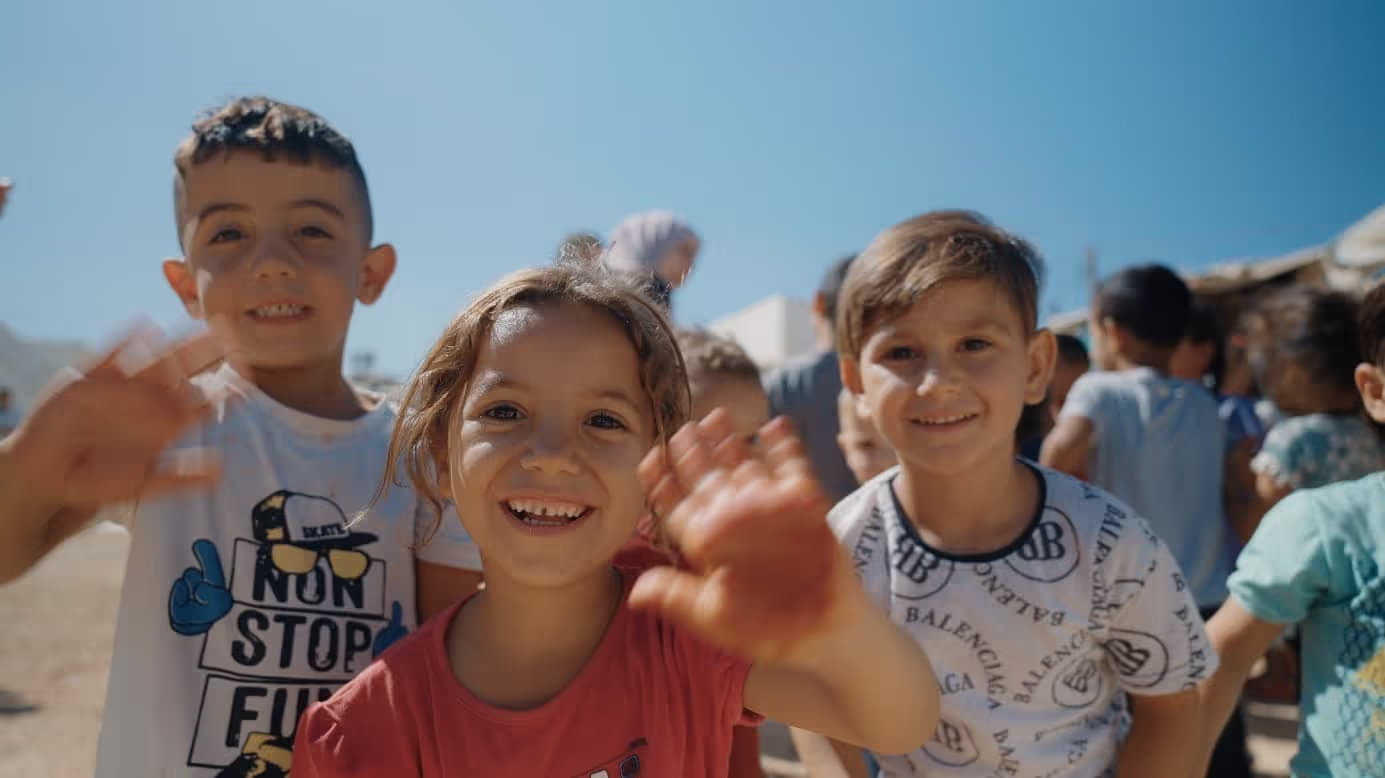
LIFE brings hope back to children and families in need, including in Abu Ibrahim refugee camp, home to Syrian refugees in northern Lebanon. In September 2023, through our “School for All” campaign, we organised 3 days of fun activities there, a trip to the swimming pool and a distribution of school kits for children both in and out of school.
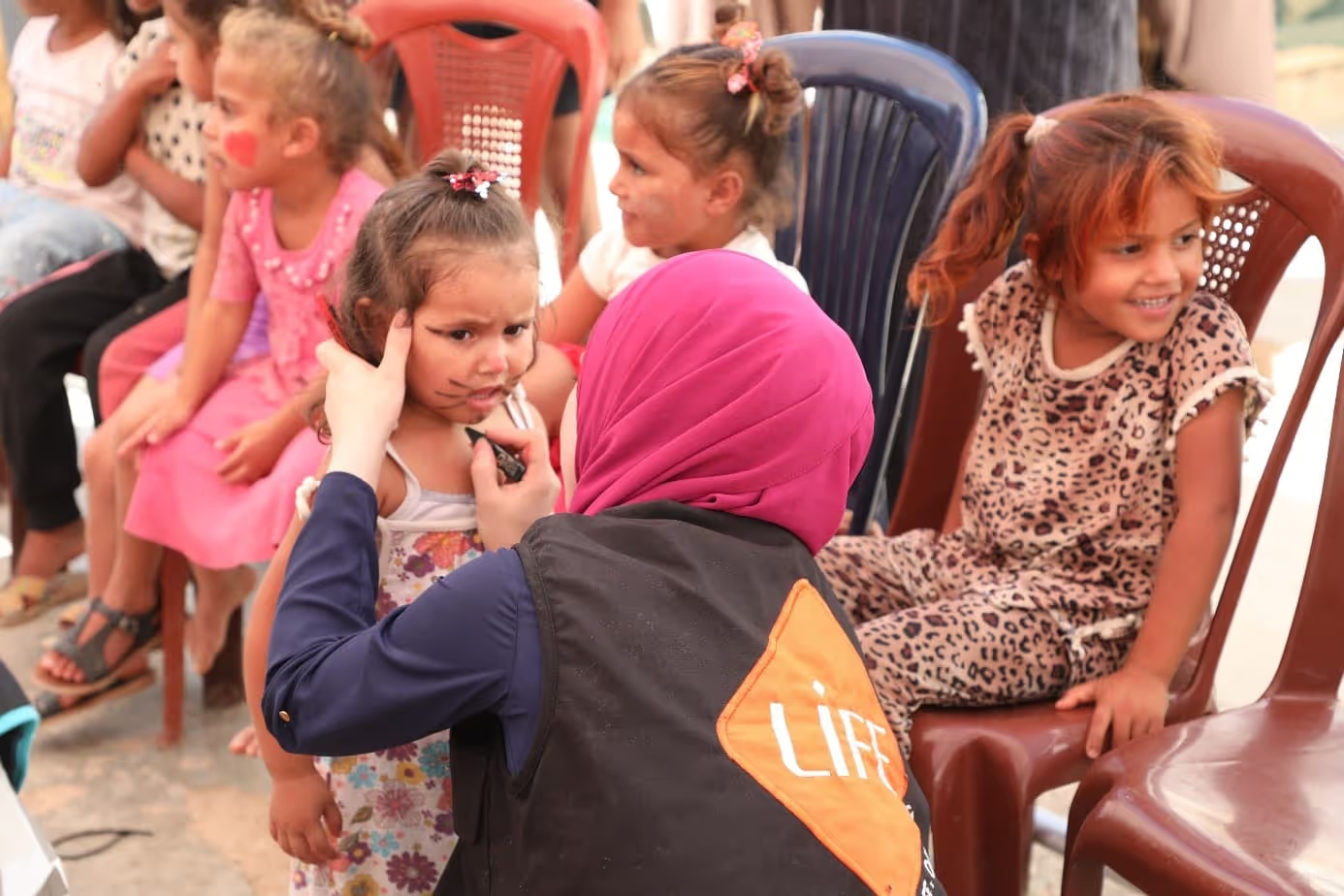
In Gaza too, we distributed 200 school kits for the 2023-24 school year.
The role of international organisations
International donors play a crucial role in supporting education in times of war. But the funds are never enough. In 2023, only 3% of global humanitarian aid went to education. Priorities must change. Investing in education in times of war means investing in future peace and stability.
A call to action
Protecting schools
The international community must act. Protecting schools is a priority. UNESCO launched the Safe Schools Declaration, calling on states to protect schools during conflict.
Stepping up our efforts
Efforts must be stepped up to ensure that every child, even in wartime, has access to a quality education. Awareness campaigns, financial support and diplomatic pressure are essential tools.
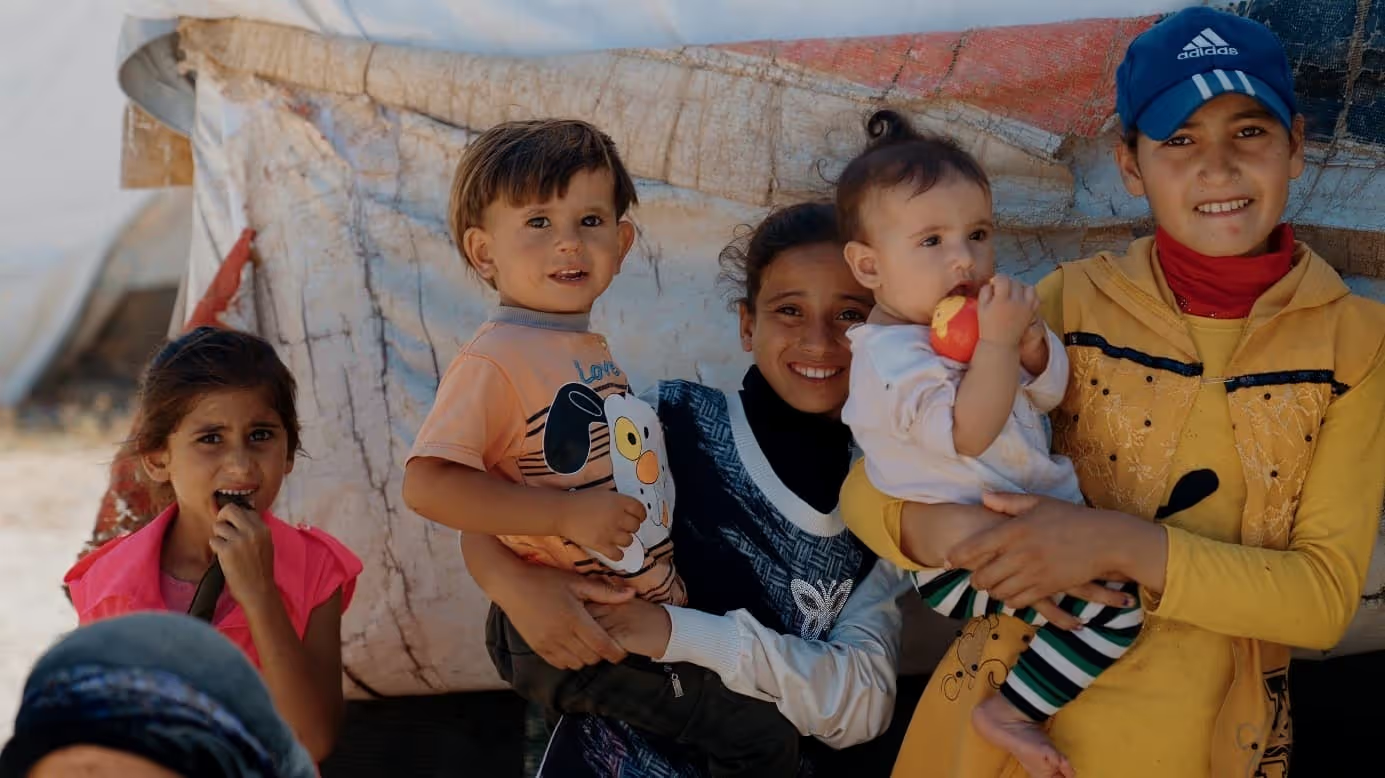
Education in times of war is a fight for the future. It is an act of resistance against destruction and chaos. It is the promise of a better, more stable and more peaceful future. Children and teachers in conflict zones show remarkable courage and resilience. Their determination to keep learning against all odds is a lesson for us all. Let’s stand with them and invest in education!
Let’s act together for a world where every child can learn in peace.
Ready to help?
I start a fundraiser
Support the causes close to your heart by starting an online fundraiser with LIFE.
Raising funds for a charity has never been easier!