Together, let's bring education to everyone in the world
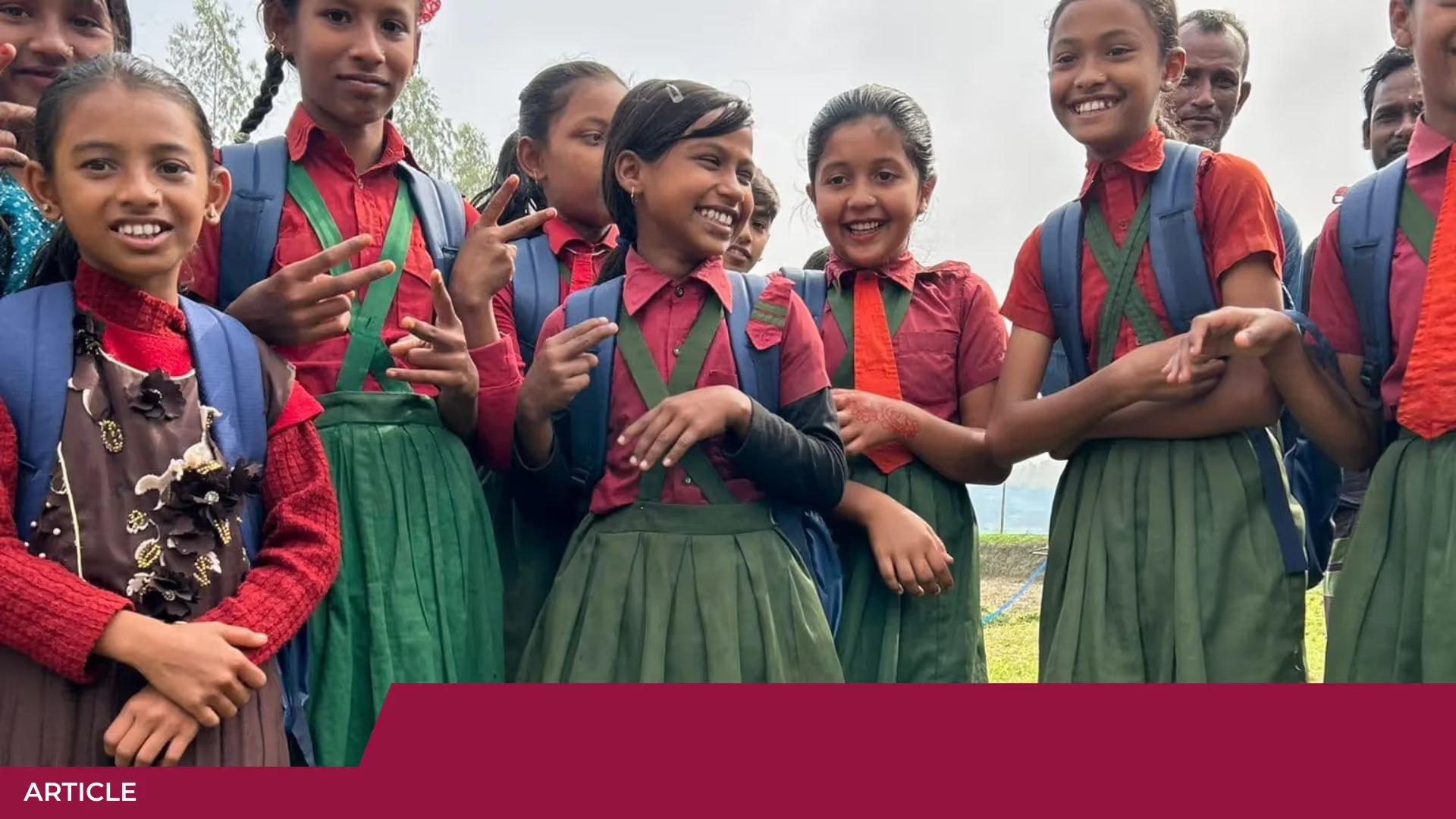
Education is far more than a right: it is the unshakeable foundation on which the life and future of every person, every community and every nation rest. Yet, for all its vital importance, millions of people, mostly in developing countries, still go without it. Determination, innovation and collaboration! Together, we can help open the doors to quality education and learning in every corner of the globe.
A worrying picture of education worldwide
Some figures
According to UNESCO, more than 250 million children and adolescents around the world are out of school. 1 child in 10 has no access to primary school. Girls make up 48% of children out of school. In Africa, 1 child in 5 does not go to school. Pakistan and Nigeria have the worst figures, followed by Ethiopia and the Democratic Republic of the Congo.
And the numbers have been rising in recent years!
What's more, being in school doesn't necessarily mean learning. Again according to UNESCO, 617 million children and adolescents worldwide lack adequate reading and maths skills even though they attend school.
There can be many causes. Teachers are not trained well enough, and teaching materials are unsuitable. It can also come down to unsanitary schools, overcrowded classrooms, or how hard it is for young people to do their homework in decent conditions (poverty, hunger, tiredness from household chores or from working alongside school, and so on).
Did you know? In Malawi, a large class can have up to 120 pupils for a single teacher!
Access to education worldwide: goals not yet met
This situation puts at risk the United Nations' Sustainable Development Goal (SDG) 4, which aims to guarantee education worldwide and quality teaching for all by 2030. According to UNESCO, if countries fully committed to reaching their own national targets, the impact would be dramatic: 6 million more children of pre-school age would now be enrolled in pre-school, 58 million more children, adolescents and young people would be in school, and at least 1.7 million additional teachers would be trained for primary schools. These figures show the scale of the task, but also the incredible potential this could bring to transform our world.
Did you know? At present, there is a shortfall of 100 billion dollars a year for countries to meet their education-for-all targets. This funding gap must be closed quickly, and it's time to roll up our sleeves!
Overcoming the financial barriers to education worldwide
In many developing countries, education remains an unaffordable luxury for thousands of families. School fees, transport, uniforms and school supplies are often a heavy financial burden for low-income households.
We need to support these communities as much as we can, all of us together, to make education and learning more accessible and fairer.
Initiatives do exist, such as scholarship programmes funded by global philanthropic or government organisations. NGOs and the governments of developing countries also play a crucial role. They invest in affordable, inclusive education systems, making sure that every child, whatever their socio-economic background, has the chance to go to school and succeed in life by fulfilling their potential. But more still needs to be done, and we must keep acting on every front.
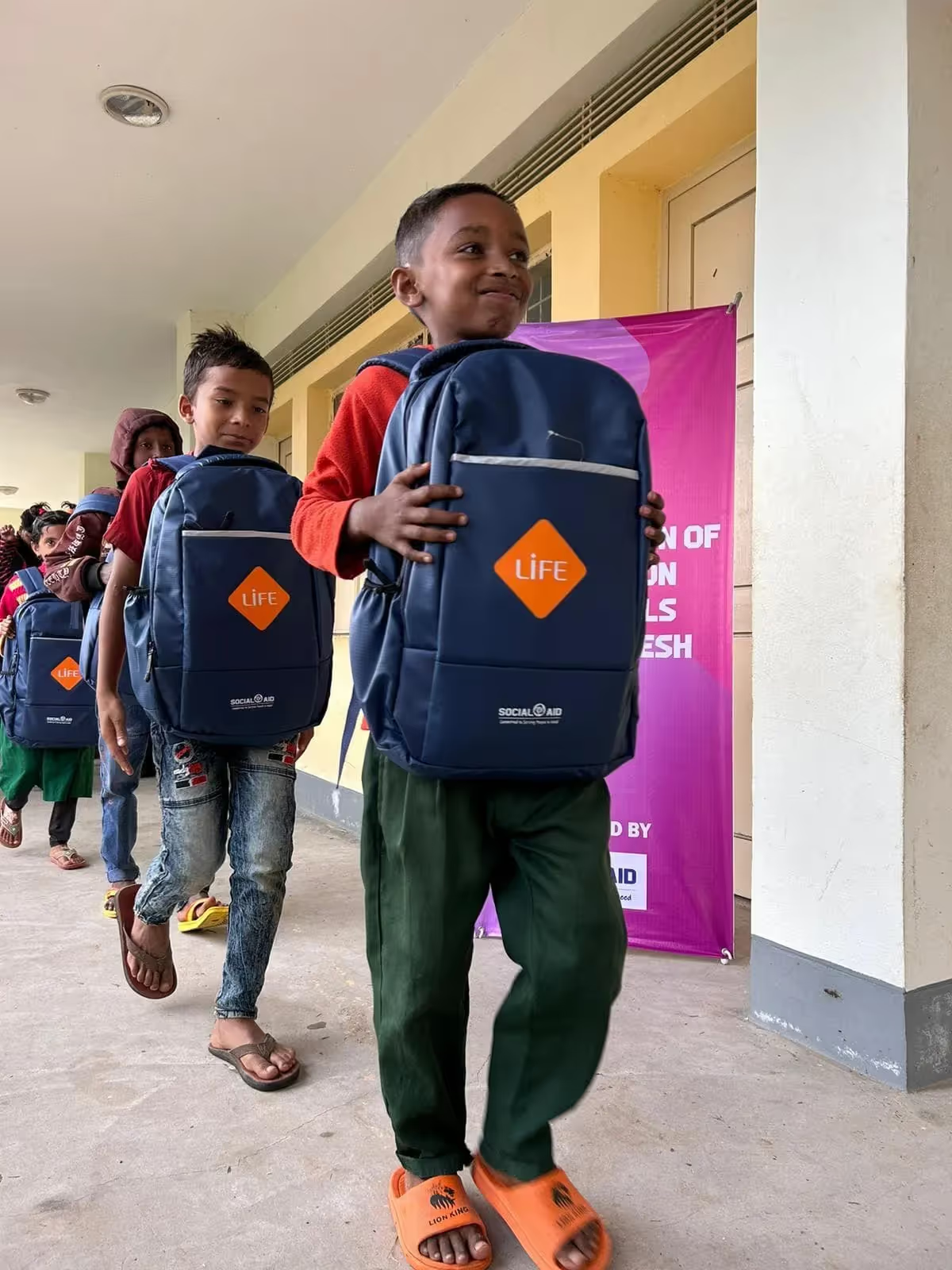
At LIFE, we work on several levels. We distribute school supplies in many developing countries, and we invite our generous donors to sponsor children so that they are no longer in need and can go to school and receive a quality education.
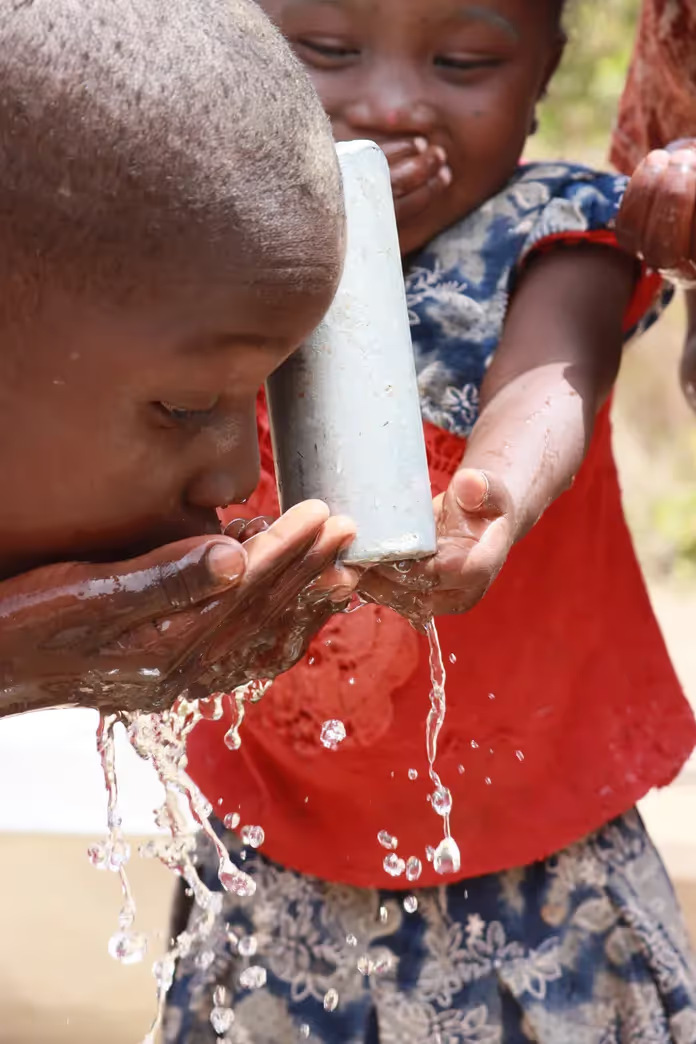
Indirectly, the clean water wells we build in villages around the world also help young people, girls in particular, return to school. Girls are often the ones who must walk long distances every day to fetch water. In Africa, in Asia, in many countries, wells bring hope into their daily lives.
Tackling discrimination in education
Social inequalities persist in many countries. Access to education is often difficult for children with disabilities, girls and Indigenous peoples. And discrimination happens everywhere, not just in developing countries! In France, for example, more than 100,000 children are thought to be out of school because of disability and poverty.
Girls being kept out of school is a particularly worrying issue. Worldwide, 129 million of them do not go to school. The reasons are many: poverty, early marriage, gender-based violence and more. On top of this, school facilities often fail to meet their safety and hygiene needs. Girls' access to education is severely limited in countries in conflict, or where their education is seen as less important than boys'. Sudan, Central Africa, Niger, Mali and Afghanistan have very poor figures. It is crucial to raise awareness and involve local communities, encouraging them to recognise the value of education for their children and to actively support them through school.
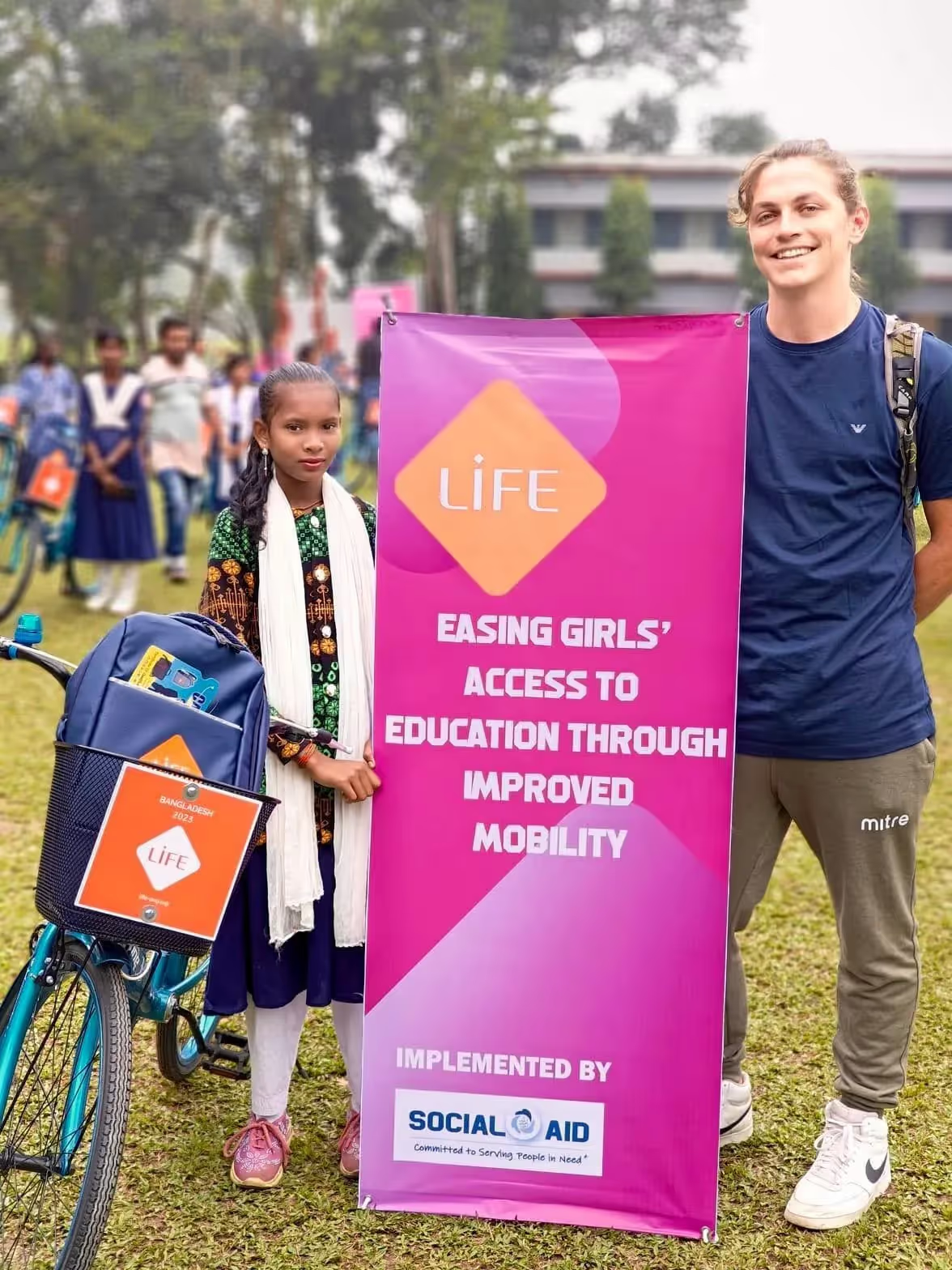
LIFE works to make daily life easier for girls and young women around the world. In Bangladesh, for example, in the Moulvibazar district, we have provided bicycles to girls aged 12 to 15 living in rural areas, who can now get to school safely.
Did you know? In Afghanistan, since the Taliban took power in 2021, girls and women have been excluded from education on a massive scale. Thanks to the work of many organisations, including UNESCO, their enrolment at every level of education had increased tenfold between 2001 and 2018, before these new restrictions…
The vital role of teachers
Without teachers, there can be no education. They inspire, guide and encourage young people to reach their full potential, build their skills and thrive in their learning. Yet teachers are in short supply in many countries.
In 2016, UNESCO reported a critical shortage of teachers worldwide, with an estimated shortfall of 69 million. In a recent analysis presented on World Teachers' Day in 2023, it noted that the situation had improved. The shortage now stands at 44 million, but that is still not enough to meet the world's educational needs.
It is essential to invest in teacher training and professional development, giving teachers the tools and resources they need to provide quality teaching to their pupils.
Their role in society must also be recognised and valued everywhere, with proper financial and social support. By strengthening the teaching workforce, we can guarantee a quality education for every child, regardless of their background or socio-economic circumstances.
Together, we can build a world where every child, every young woman and young man, whatever their birthplace, gender or social background, has access to teaching. Everyone must be able to benefit from learning, a quality education and training that helps them plan for their future. By investing in education in developing countries, we invest in the future of our world, creating more prosperous, more inclusive and more resilient communities.
Ready to help?
I start a fundraiser
Support the causes close to your heart by starting an online fundraiser with LIFE.
Raising funds for a charity has never been easier!