Overcoming digital exclusion in developing countries
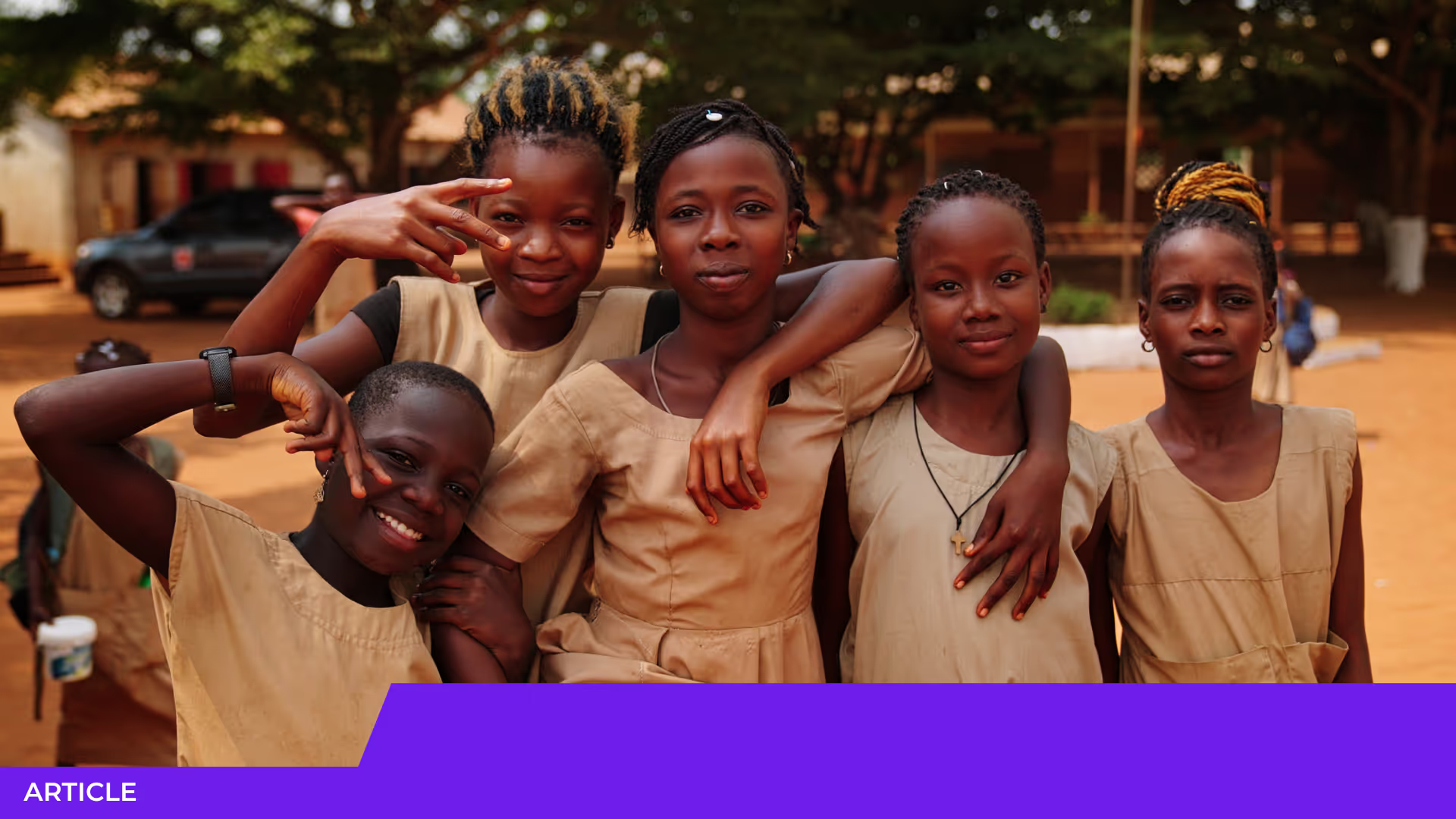
Digital technology is transforming our lives – but not everyone's! 2.7 billion people are still offline, most of them in developing countries. This digital exclusion keeps inequalities alive. Yet far from being an insurmountable obstacle, it is a tremendous opportunity for change. By closing the gap, we have the power to transform individual lives, energise entire communities and drive economic growth on an unprecedented scale. The time to act is now.
What is digital exclusion?
Digital exclusion can be defined as unequal access to information and communication technologies (ICT), together with the inability to use them effectively. It takes several forms: no internet access, a lack of devices such as smartphones or computers, or digital skills too limited to put these technologies to productive use.
In developing countries, this exclusion is especially stark. In 2023, for example, only 37% of Africa's population used the internet. The digital divide is widened by a number of factors, including limited infrastructure, poverty, gender inequality and political instability. And beyond simply getting online, there is also a gap in connection quality: even when people are connected, speeds and reliability are often too poor for essential uses such as online learning or remote working.
Did you know? 33% of the world's population were not connected in 2023.
The consequences of digital exclusion
The impact on education
Internet access opens up knowledge to everyone, giving pupils – even in the most remote regions – a wealth of educational resources. They can take online courses, browse digital libraries and join discussion forums, broadening their horizons and building their skills. Internet access also makes international collaboration between students and teachers easier, encouraging the exchange of ideas and innovative practices. It helps reduce inequality by offering disadvantaged people the chance of a quality education, and so supports the wider development of communities.
During the pandemic, for example, we saw remote learning become a necessity for millions of children. In developing countries, it laid bare the scale of the digital divide. Only a third of the world's children were able to access remote learning while schools were closed in 2020. In Eastern, Western, Southern and Central Africa, 49% of pupils missed out. In North Africa and the Middle East, 40%! Children from the poorest households and rural areas were hit hardest.
Being unable to access digital platforms puts far too many children's futures at risk. Education is one of the most powerful ways to break the cycle of poverty, and a lack of internet access stops many people from seizing that opportunity.
A brake on economic development
According to a World Bank report, a 10% increase in broadband access could raise GDP in developing countries by 0.5 to 1.5% on average. Yet in many parts of the world, internet access remains a luxury. Small businesses, the backbone of local economies, cannot reach their full potential without access to online markets and digital technologies.
A lack of digital inclusion also holds back job opportunities. In India, for instance, where 70% of the population lives in rural areas, limited access to digital skills prevents many workers from benefiting from the jobs created by a booming digital economy.
A major impact on gender equality
Women in developing countries are particularly affected by digital exclusion. In 2023, 90% of adolescent girls and young women in low-income countries had no internet access, according to UNICEF. Boys of the same age are twice as likely to be online. And even when they can get online, girls and women often lack digital skills. The causes include sexist norms and stereotypes, concerns about online safety and more.
This digital inequality widens the gender pay gap and limits women's access to economic and educational opportunities.
How can we reduce digital exclusion?
Investing in infrastructure
The first step in bridging the digital divide is investing in telecommunications infrastructure. That means expanding mobile networks and providing good-quality internet access at a reasonable price. In Africa, for example, programmes such as the Alliance for Affordable Internet (A4AI) aim to cut the cost of internet access for low-income communities.
Did you know? Africa is connected to the internet mainly through undersea cables. Their fragility leaves them vulnerable to damage from ships' anchors, underwater landslides and seismic activity. When one or more cables are damaged, it can cause widespread internet outages across several countries on the continent. Alternatives such as satellite internet have been put forward to strengthen Africa's digital resilience. Elon Musk's Starlink project, for example, aims to provide high-speed access via satellite, especially in remote areas. However, the service is expensive and not yet available everywhere.
Improving access to digital tools
An internet connection is not enough if people don't have the devices they need to use it. Governments, NGOs and private companies must work together to make smartphones, tablets and computers affordable for the most vulnerable.
Building digital skills
Access to technology must go hand in hand with building digital skills. That means training programmes that teach people how to use these tools effectively for learning, work and communication.
Initiatives such as TechLit Africa are models to follow. Founded by Nelly Cheboi, the NGO recycles companies' unused computers and sends them to rural schools in Kenya. It also offers computer training to many children aged 5 to 14.
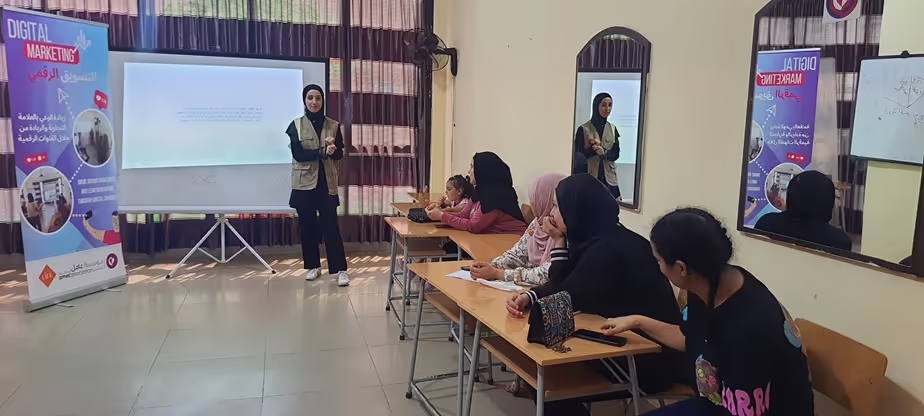
LIFE also helps young people and adults build their digital skills. In Beirut, Lebanon, for example, around a hundred people aged 18 to 35 are offered a 6-month digital marketing course and work placements. Working with the Amel association, we help them improve their employability.
Digital exclusion in developing countries is a major challenge, but it is also an immense opportunity. By working together to improve access to digital technology, we can transform lives, economies and entire societies. The road to digital inclusion is complex, but with smart investment and targeted policies, a future where everyone has a place in the digital economy is within reach.
Together, let's help bring hope back to communities in need.
Ready to help?
I start a fundraiser
Support the causes close to your heart by starting an online fundraiser with LIFE.
Raising funds for a charity has never been easier!