The impact of climate change on women
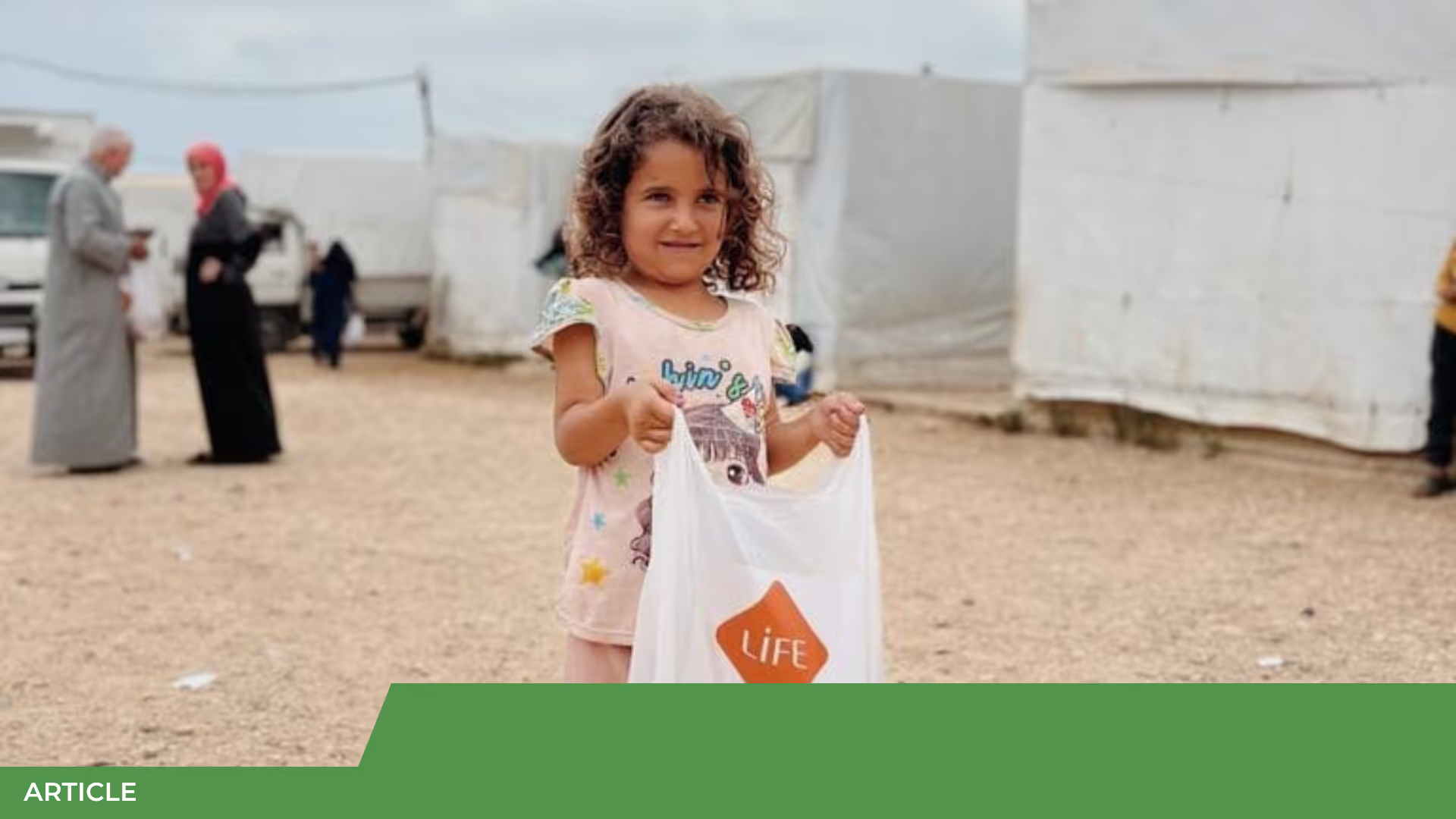
Climate change affects everyone, but not all of us are affected in the same way. Girls and women are hit far harder, especially in developing countries. The UN estimates that 158 million of them will be pushed into poverty as a direct result of climate disruption. That is 16 million more than men and boys. Yet women are far from being mere victims of this crisis. They are also at the heart of the solution. What new challenges do they face? And how can this situation open the way to their empowerment?
Women's health at risk
Air pollution, rising temperatures and natural disasters all increase health risks, and women's health is especially affected. Pregnant women are at risk, with possible complications such as premature births during heatwaves. Physiological differences from men leave women more vulnerable. Beyond that, as we will see, their social roles expose them more to exhaustion and malnutrition.
Fetching water, firewood and food
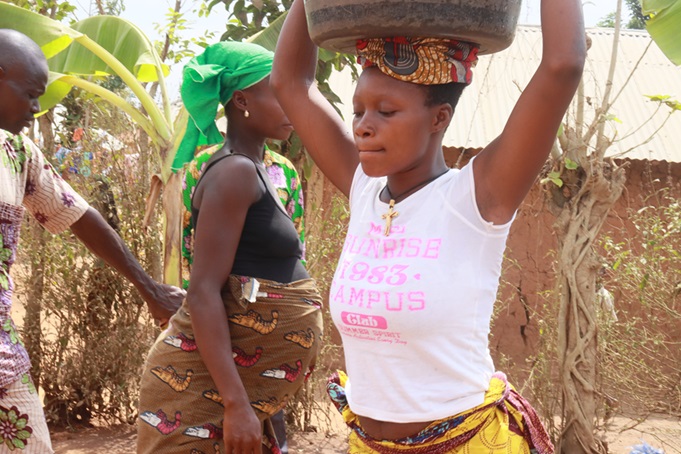
En effet, dans de nombreux pays par exemple, elles sont chargées de la collecte de l’eau et du bois de chauffage. Lorsque ces ressources naturelles deviennent plus rares en raison de la sécheresse ou des inondations, elles doivent affronter toujours plus de kilomètres chaque jour. Leur charge de travail et le spectre de l’épuisement augmentent. Par ailleurs, elles sont davantage exposées à des risques de violences physiques ou sexuelles. Selon l’ONU, d’ici 2025, 1,8 milliard de personnes vivront dans des zones souffrant de pénurie d’eau complète…
At LIFE, through our OASIS projects, we build water towers and safe drinking water wells in many communities across Africa and Asia. With water close to home, girls can go back to school and women can take up income-generating activities. These projects open the way to their empowerment.
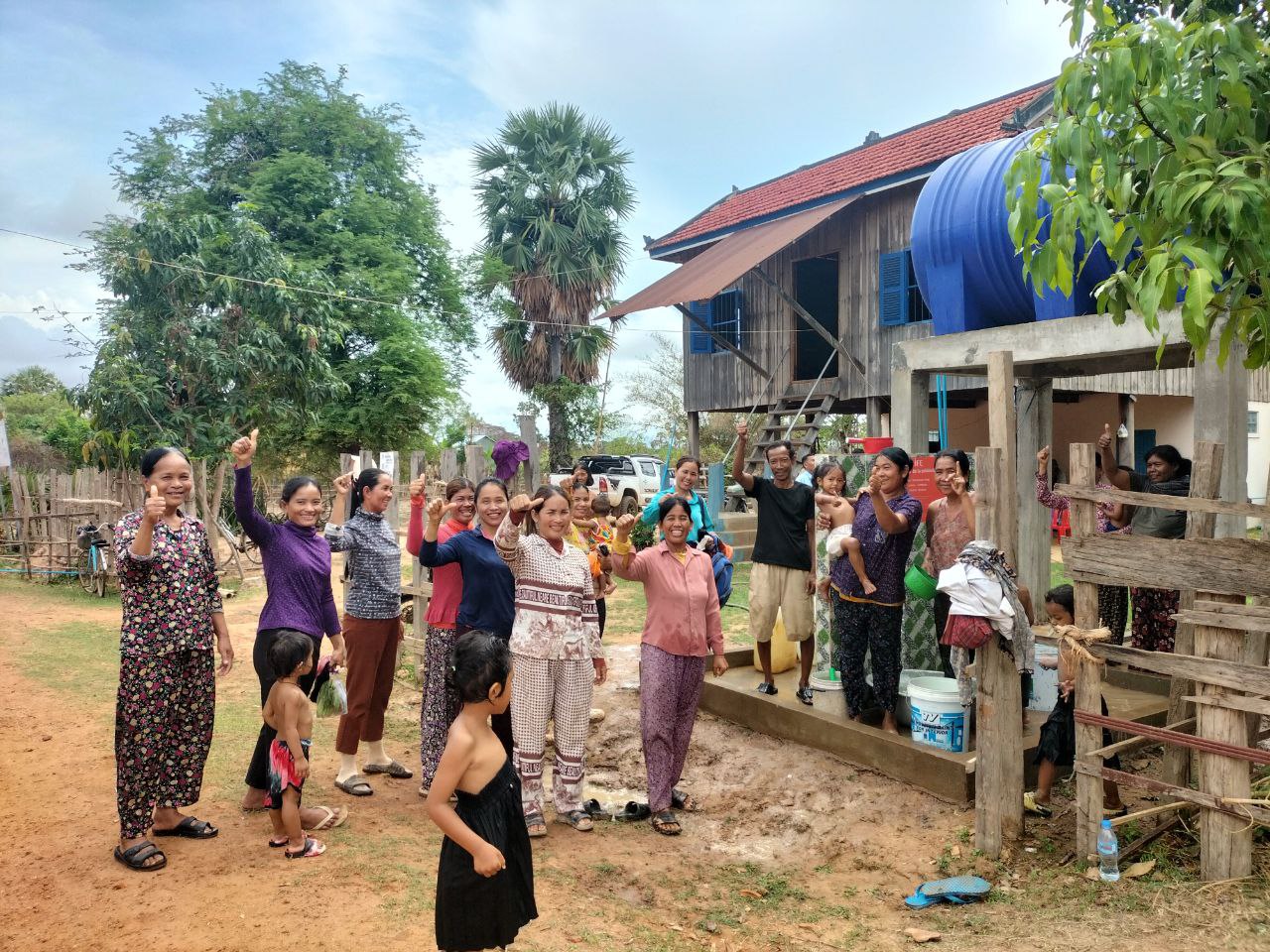
During extreme weather events such as cyclones, droughts, floods and storms, women are more exposed, especially those living in rural areas. Once again, restrictive social norms and limited mobility help explain why they are so vulnerable. For example, during the 2004 tsunami in Asia, 4 times as many women as men lost their lives in Sri Lanka. Many stayed behind to save their children or relatives, or could not swim…
At the heart of food production, and yet…
In many rural communities, women are at the heart of food production, mainly through subsistence farming. They play a central role in food security and make up as much as half of all food producers in developing countries. Yet they are among those hit hardest by hunger and the lowest paid for their farm work. Despite their vital contribution, they have limited access to resources. In the poorest countries, only 13% of them own the land they farm.
Extreme weather events and soil degradation ruin harvests and lead to food shortages. Women suffer most from the resulting malnutrition, because they often go without so that their children and families can eat first.
Unequal access to healthcare
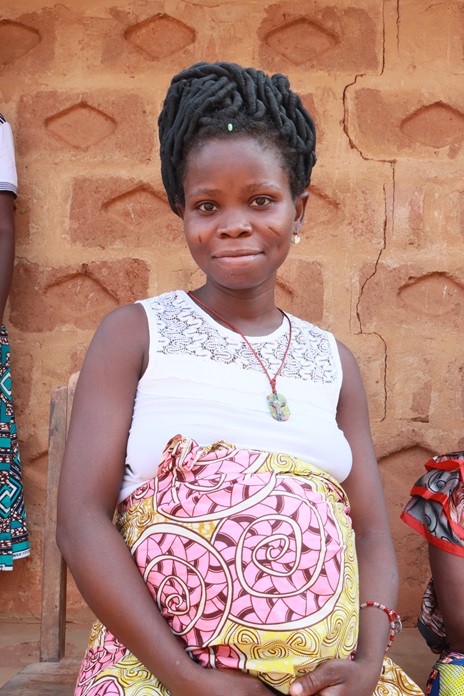
Women often have limited access to good-quality healthcare, especially in rural or poor areas. The causes include poverty, cultural barriers, gender discrimination and, in some cases, financial dependence on men. During extreme weather events, health facilities are often overwhelmed or damaged. Women, who already have less access to care, bear the consequences.
Climate change and girls' education
When extreme weather plunges families into financial crisis, girls are often taken out of school to help provide for the household. According to a study published in the journal International Social Work, climate disasters increase the risk of early marriage. Families see it as a way to ease the financial pressure, and this keeps the cycle of poverty and vulnerability going.
Yet women have a key role to play in climate action. That is why it is so important to support their education and empowerment all over the world. Education gives them the skills to understand climate challenges and tackle them in an informed, proactive way. It also helps them shape policy and lead local initiatives.
In Cameroon, women's organisations, gender equality experts and decision-makers have drawn up a national strategy to bring a gender perspective into efforts to reduce emissions from deforestation (REDD+). The project trained women in forest management, launched pilot projects led by women and gave them a stronger voice in decision-making.
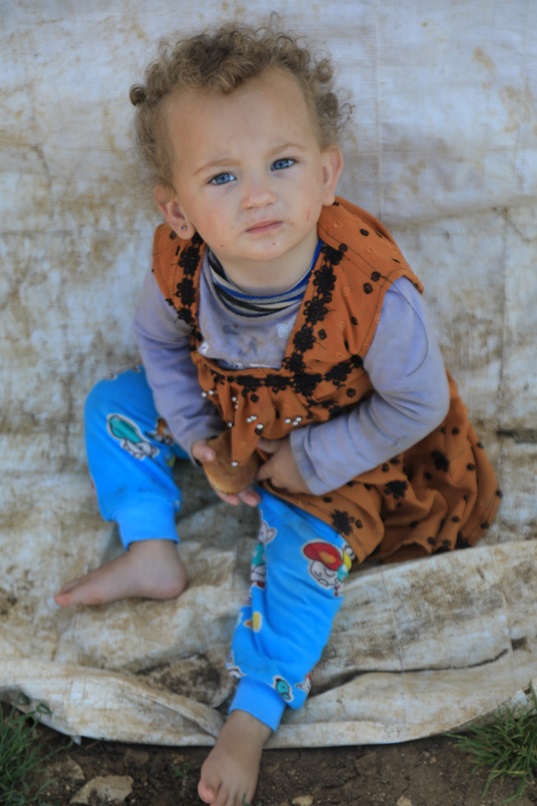
Women: guardians of the environment and drivers of change
Although climate change leaves women vulnerable, they play a crucial role in building resilience. In many regions, they are key players in sustainable development, in protecting natural resources and in promoting biodiversity. They know the ecosystems they live in deeply and have experience in managing natural resources, which makes them effective leaders of adaptation initiatives. They hold vital ancestral knowledge and knowledge gained through experience.
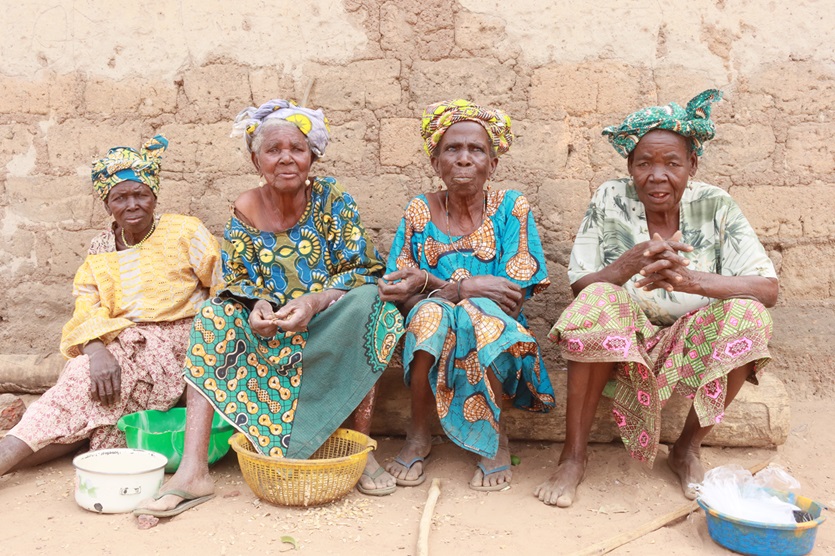
UNESCO-backed projects such as Saathi and Poder y Luz Maya understand this well. They make sure women take a full part and draw on their expertise to develop innovative solutions. Their aim is to help empower women while tackling environmental challenges.
The Saathi project in India, launched in 2015, makes 100% biodegradable sanitary pads from banana fibre, a local farm waste product. As well as promoting the circular economy, it improves waste management, gives farmers extra income and empowers women from disadvantaged communities through employment. Working with NGOs, Saathi has taught thousands of women and girls in rural areas about menstrual hygiene and has cut plastic waste while helping to reduce CO2 emissions.
The Poder y Luz Maya project provides climate-friendly solutions, such as solar power systems and water filters, to rural communities in the Western Highlands of Guatemala. Women are trained in solar technology, which strengthens their role in the energy transition and sustainable development.
In Kenya, women lead reforestation and conservation work in the Green Belt Movement, founded by Wangari Maathai. They plant trees to fight deforestation, restore ecosystems and improve local livelihoods. The movement has enabled thousands of women to become guardians of the environment. Running tree nurseries and environmental education has also strengthened their economic and social independence.
Women are inspiring examples of resilience. By recognising and supporting their role in climate initiatives, we can speed up progress towards a more sustainable future.
Giving women a greater role in climate policy
As more people recognise the role women play in fighting climate change, more women are taking part in international climate negotiations and environmental policy. Even so, women are still largely missing from decision-making roles in this field. At COP 28, only 15 of the 133 world leaders present were women!
Women leaders, whether elected officials, activists or scientists, bring unique perspectives and innovative solutions to climate issues. When we support them, we help create fairer and more effective policies.
Did you know? Worldwide, just 1% of climate finance goes to organisations led by women.
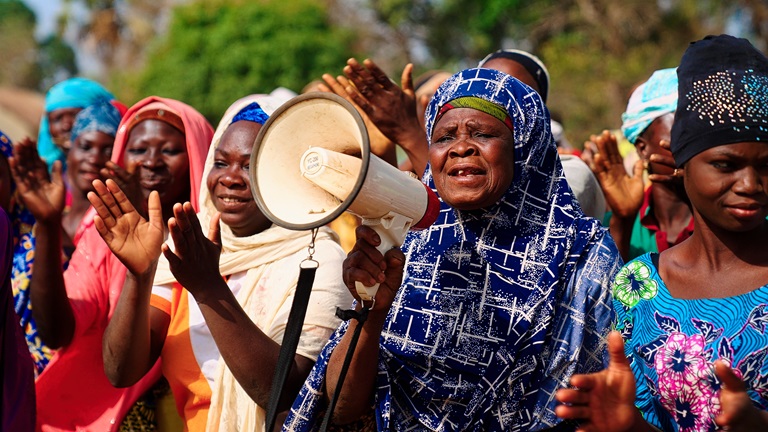
The impact of climate change on women calls for a global and inclusive response. When we invest in women's education, support their leadership and include their perspectives, we advance gender equality and find more effective climate solutions. Thanks to women, the climate crisis can become a chance to build a sustainable and fair future.
Together, let's give girls and women all over the world hope and a future.
Ready to help?
I start a fundraiser
Support the causes close to your heart by starting an online fundraiser with LIFE.
Raising funds for a charity has never been easier!