The impact of climate change on food security
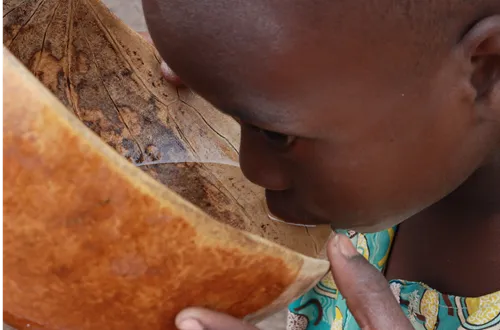
Climate change is real. Its devastating effects can already be seen on the environment, and on farming, food production and global food security too. But there are ways to tackle it! Working together, each of us doing what we can, we can build a more resilient and sustainable future: one where everyone has enough to eat.
How climate change affects farming
Farming is the cornerstone of food security. Cereals, fruit, vegetables, meat and dairy: it produces the food needed to feed people all over the world. Yet by disrupting traditional weather patterns, climate change is helping to cut yields and destroy crops.
Extreme weather events
Droughts, floods, storms and heatwaves are becoming more and more frequent in many countries. These events disrupt farming and reduce crop yields.
Rising temperatures
Crops need just the right temperature to grow, so rising temperatures can reduce their yields. Maize, wheat and rice are especially sensitive, which could have disastrous consequences for global food production. According to the IPCC, global warming could reduce worldwide production of staple crops such as maize, rice and wheat by up to 2% every decade until 2100.
Changing rainfall
Long droughts can leave less water available for irrigation, while floods can damage crops and farm infrastructure. Erratic rainfall can also affect water quality, creating health risks for local people.
Diseases and pests
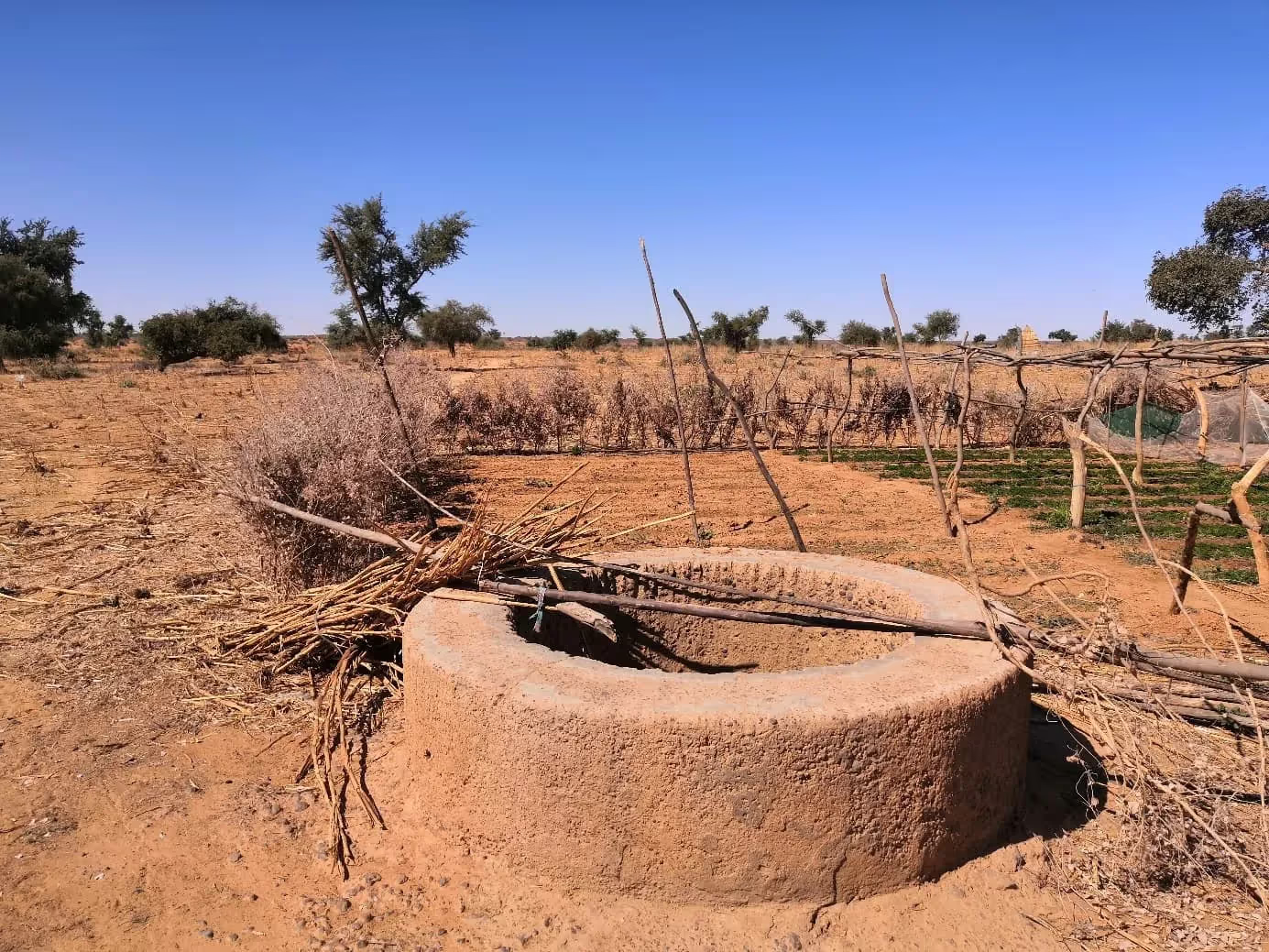
Crops stressed by extreme weather can become more vulnerable to diseases and pests. On top of that, insects and fungi spread more easily in warmer, wetter conditions. This drives greater use of pesticides and other chemicals that harm the environment and the safety of our food.
Shifting growing zones
Climate change is pushing traditional growing zones beyond their usual boundaries. Once-fertile regions are turning arid, while areas that were previously unsuitable for farming may become viable. Moving to new farmland requires major investment in infrastructure and technology, and many vulnerable communities simply don’t have the resources to adapt.
Disrupted marine ecosystems
Climate change doesn’t just threaten farming on land; it affects marine ecosystems too. Ocean acidification, rising temperatures and the loss of coastal habitats are undermining the health of fish and other marine resources. For communities that depend on fishing, this disruption threatens both their food security and their way of life.
Pressure on livestock
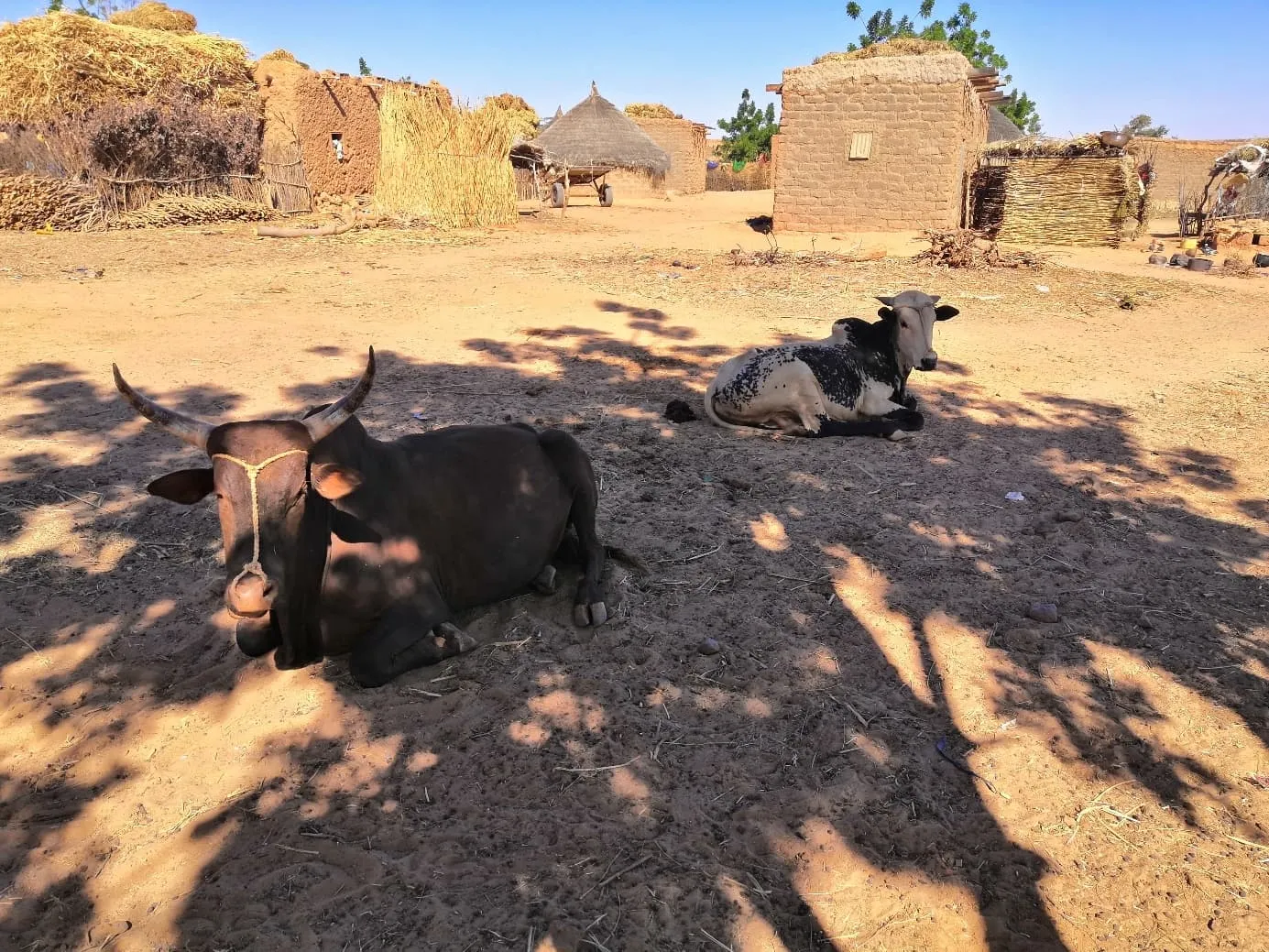
Global warming is disrupting the feed and water available for livestock. This leads to lower productivity, more disease among animals and greater vulnerability for herders.
The consequences of climate change for global food security
On land and at sea, the sources we depend on for food are being hit hard by climate change. Shortages are looming and global food security is under threat, especially in the countries most vulnerable to its effects, where getting safe, healthy food is becoming ever harder.
Falling yields and rising prices
When crop yields fall, so does the amount of food available. Food shortages also push prices up, putting food out of reach for people on low incomes. According to the Food and Agriculture Organization of the United Nations (FAO), the number of people going hungry worldwide has risen in recent years, largely because of the effects of climate change on farming.
Poorer food quality
Le changement climatique et ses phénomènes météorologiques extrêmes peuvent affecter la qualité des denrées alimentaires. En effet, les inondations peuvent entraîner une contamination des cultures, tandis que les sécheresses peuvent réduire la teneur en nutriments des aliments. Ces changements dans la qualité des aliments peuvent avoir des conséquences sur la santé humaine, en particulier chez les enfants et les personnes âgées. Selon l'Organisation mondiale de la Santé environ 600 millions d'individus – soit près d'une personne sur dix dans le monde – tombent malades chaque année après avoir ingéré des aliments contaminés. Plus de 400 000 personnes meurent chaque année à cause des maladies d'origine alimentaire.
Solutions to support global food security
Cutting greenhouse gas emissions
Cutting greenhouse gas emissions is essential to tackle climate change and secure global food security. Governments, businesses and individuals can all help reduce emissions by adopting more sustainable practices
Building ecosystem resilience
Protecting and restoring natural ecosystems such as forests, wetlands and soils helps soften the effects of climate change on farming and maintain the biodiversity that food security depends on.
Adopting sustainable farming practices
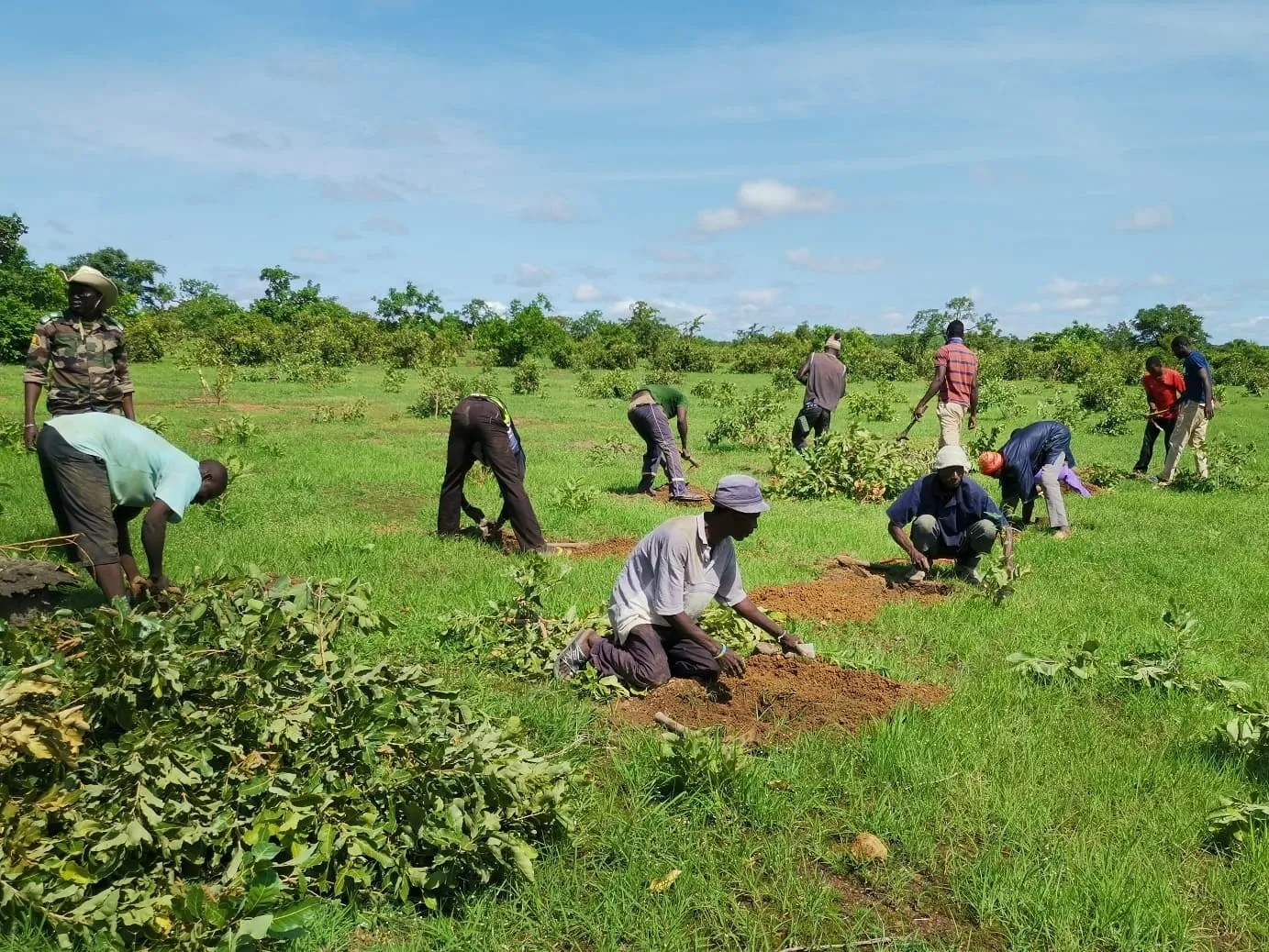
Sustainable farming practices such as organic farming, agroforestry and conservation agriculture help reduce greenhouse gas emissions. They make farming systems more resilient to climate change, and also improve soil quality, reduce erosion and protect biodiversity.
Managing water better
Promoting efficient irrigation, wastewater reuse and water conservation helps farming use water resources more sustainably.
Supporting developing countries
Developing countries are the most vulnerable to climate change. Their farming is dominated by smallholders, who depend heavily on the weather and are poorly equipped to cope with climate disasters. Helping these countries adapt their farming sector is vital, and solutions exist: crop diversification, improved varieties, agroecological practices, the sustainable expansion of irrigated land and more.
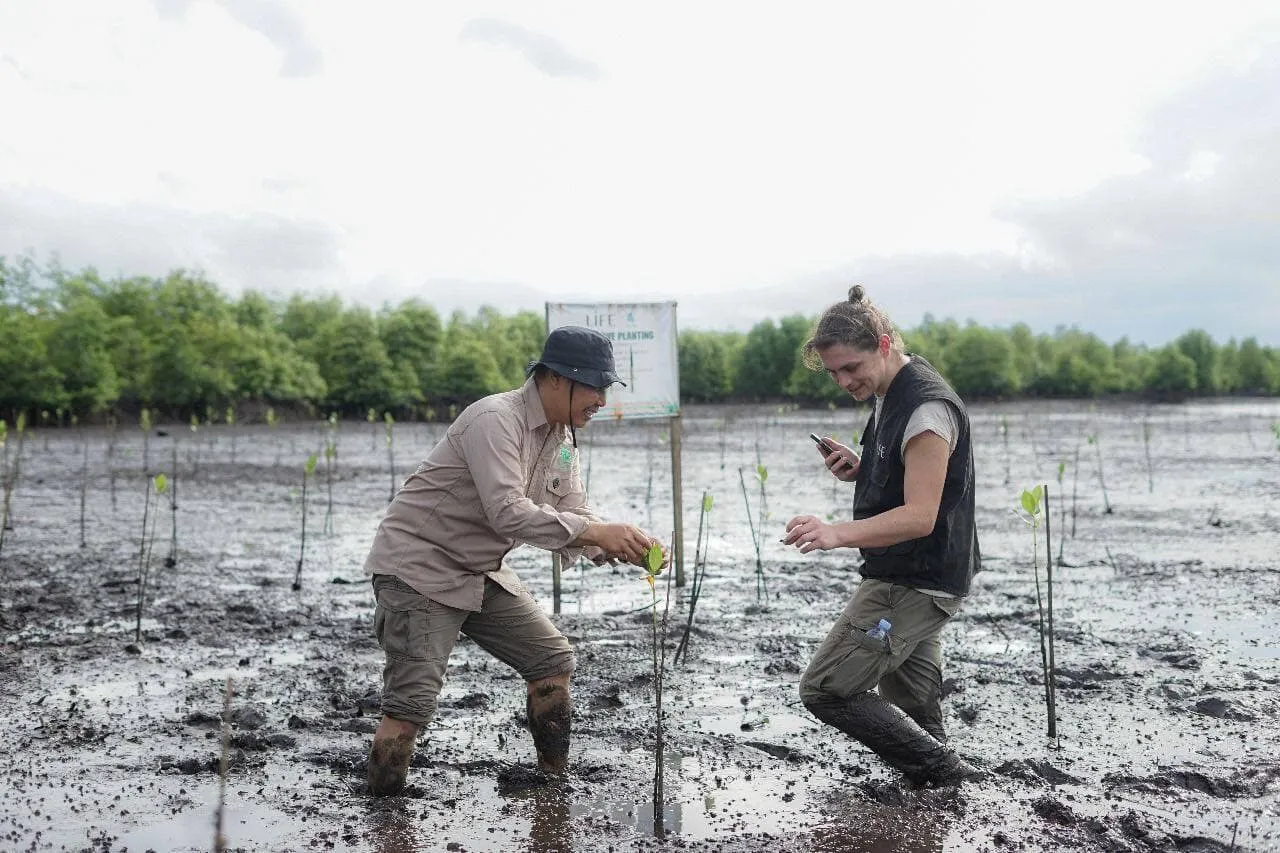
At LIFE, through our SAPOUSSE programme, we help the local communities we support become self-reliant. We plant ‘economic’ trees that help rebuild the ecosystem while giving local people valuable resources (fruit, durable materials and more). We also run Green Initiatives, such as supporting sustainable fish farming, responsible market gardening, renewable energy and more.
In Indonesia, in the West Nusa Tengarra region and more specifically in the village of Genggelang, we are planting no fewer than 20,000 trees. 15,000 are fruit trees (rambutan, nangka, durian, avocado, mango and more) and 5,000 are bamboo. This reforestation will improve the local environment and also boost the community’s income. 100 families will benefit directly, and 30 people will be trained to use bamboo for furniture and crafts.
Investing in research and development
New farming technologies such as drought-resistant crops, efficient irrigation systems and accurate weather forecasting help make farming systems more resilient to climate change. Meanwhile, new protein sources such as edible insects and plant proteins are diversifying food supplies and easing pressure on limited natural resources. New technologies can also help reduce the use of pesticides and other chemicals that harm the environment. These advances will play a crucial role in the food security of millions of people worldwide, boosting food production and ensuring reliable access to nutritious, affordable food.
Towards a more sustainable diet
Choosing a diet based on local, seasonal and minimally processed food helps reduce greenhouse gas emissions and improve global food security. Eating sustainably produced food can also benefit human and animal health, as well as the environment.
Climate change is one of the greatest threats to global food security, with devastating consequences for the most vulnerable communities. But by working together – individuals, businesses and governments – we can overcome these challenges and build a sustainable food future for everyone. Now is the time for decisive action to limit the effects of climate change and secure food for generations to come. Let’s join forces for a greener, fairer future.
Ready to help?
I start a fundraiser
Support the causes close to your heart by starting an online fundraiser with LIFE.
Raising funds for a charity has never been easier!