Access to clean drinking water worldwide: essential in the fight against hunger
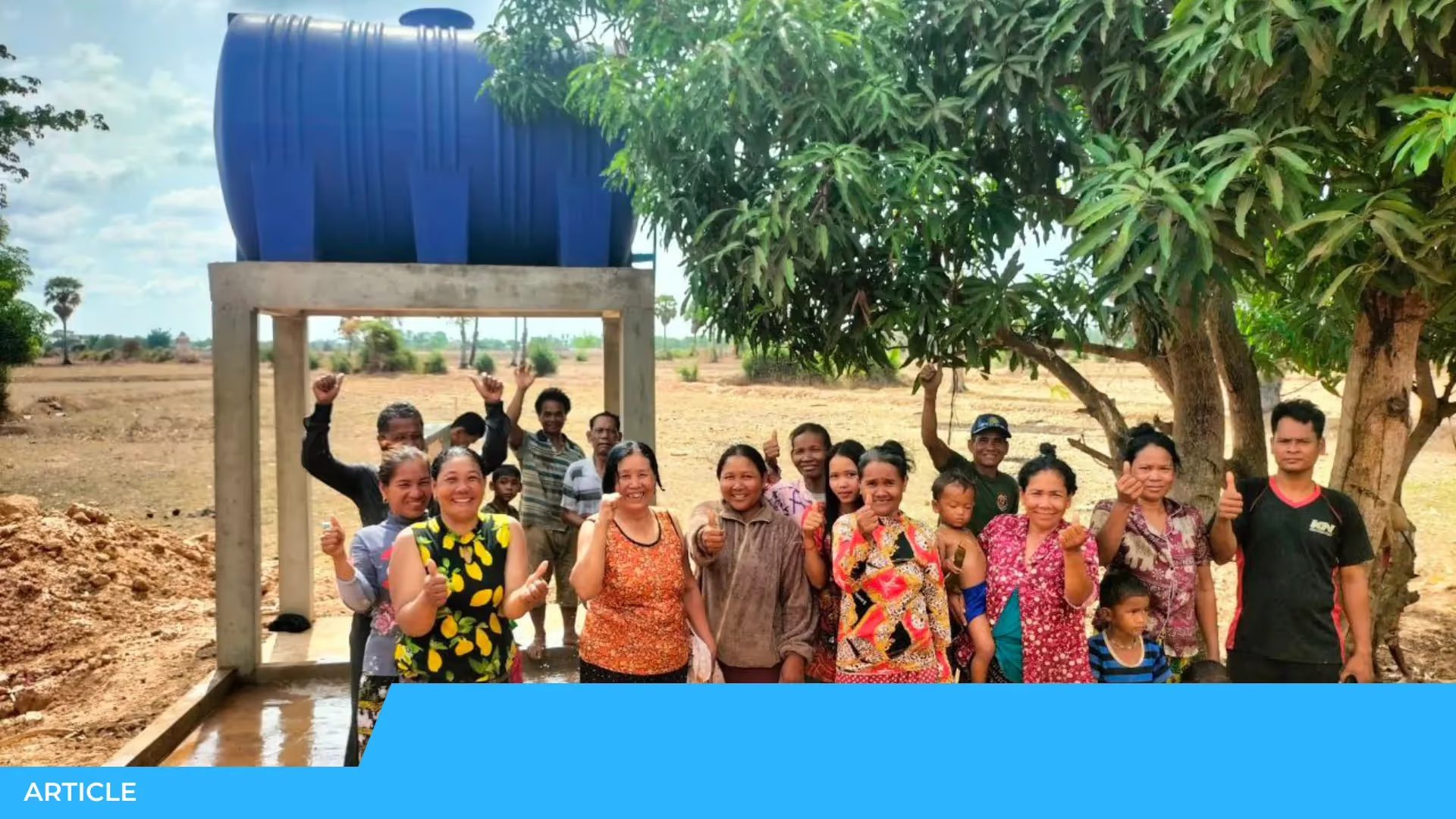
Imagine a world where everyone had access to clean drinking water. Sadly, that is not the reality for more than 2 billion people around the world, according to the UN. Either the water is far from their homes, or it is unsafe to drink. This water crisis affects health, education and the economy. It also holds back the fight against hunger, because without enough water, it is hard to grow crops and keep people fed. But it doesn't have to be this way. Governments, NGOs, charities, local authorities and individuals can all work together. Our goal: fair access to clean drinking water for everyone, and less hunger in the world.
The challenges around a vital resource: clean drinking water
Our food depends on water
Agriculture cannot do without water. According to the Food and Agriculture Organization of the United Nations (FAO), around 70% of the fresh water drawn worldwide goes to farming. Producing healthy, nutritious food therefore depends on having enough water. That food is essential to meet the needs of an ever-growing population and to fight hunger.
Where water is scarce, crop yields are often poor. This pushes up food prices and leaves millions of people more food insecure. Smallholder farmers are hit especially hard, as they often lack the means to invest in the costly irrigation systems that would guarantee a good enough harvest.
What's more, poor access to clean water around the world also harms the health of livestock. It reduces their productivity and their ability to provide products such as milk, meat and eggs, which people need for a balanced diet. Making sure there is enough clean water is therefore crucial not only for people but also for the welfare of animals.
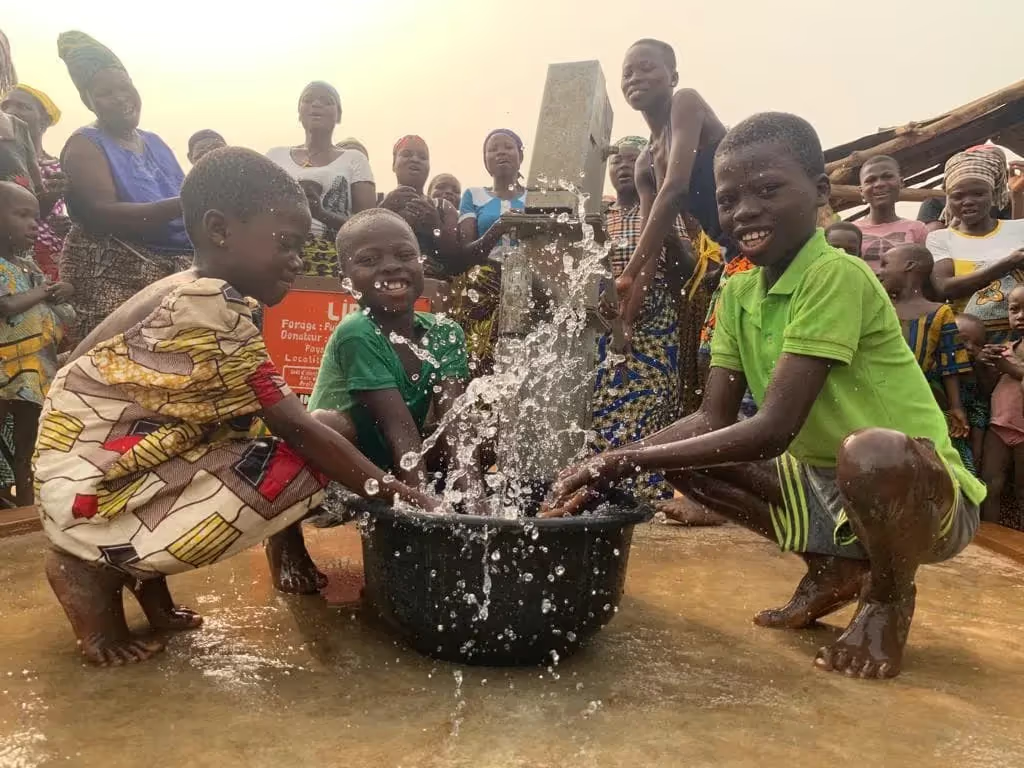
Did you know? In developing countries, 90% of available fresh water is used to irrigate land, compared with 40% in industrialised countries. The gap comes from lower rainfall and from rapid population growth, which drives up demand for farm produce.
Unsafe water and undernutrition
When we think of famine, we naturally think of a lack of food. But access to clean water and toilets matters just as much! Drinking unsafe water, and living without sanitation or good hygiene, can lead to undernutrition. The body goes short of essential nutrients and cannot absorb them because of repeated bouts of diarrhoea and the many infections caused by the bacteria, viruses and parasites that contaminate water sources. According to the WHO, around 50% of cases of undernutrition in children are linked to infections caused by unsafe water, poor sanitation and unhygienic practices, including not washing hands with soap. So to tackle this scourge, it is crucial to improve access not only to clean water around the world but also to sanitation.
In Bangladesh, in the village of Fulzanmura (Cox’s Bazar district, Matarbari), LIFE installed 92 latrines as part of its OASIS campaign, making daily life better and healthier for the village's 984 residents. 2 of them are adapted for people with disabilities. In Moulvibazar district, we installed 10 latrines, giving 551 people proper sanitation facilities.
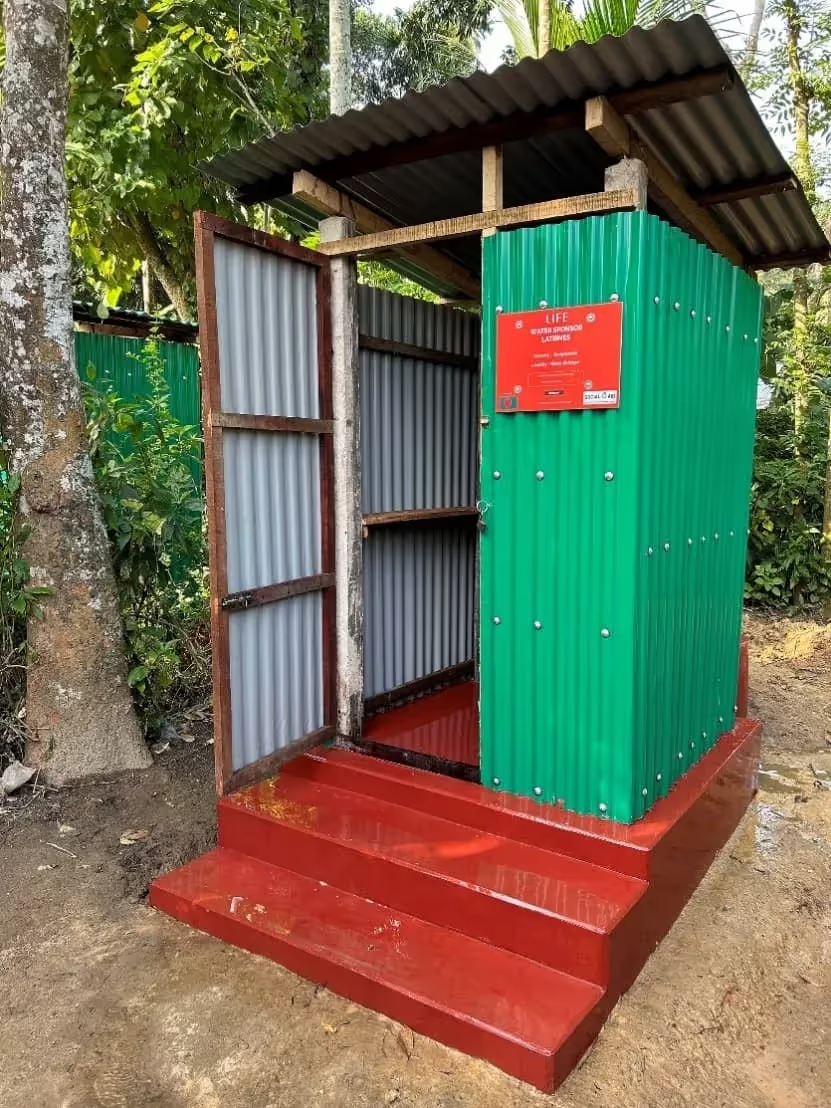
Worth knowing: according to UNICEF, more than 2.3 billion people have no access to proper toilets!
The challenge of climate change
Climate change and extreme weather such as droughts and floods are a growing threat to water resources. They put at risk both the quality and the quantity of the water that whole communities depend on. Families living in regions under severe water stress struggle more and more to find clean water. This endless search often forces them to leave their homes, leaving them more exposed to disease and food insecurity.
More than 1.42 billion people, including 450 million children, live in areas at high risk of water shortage. According to a UNICEF report, the Horn of Africa, for example, is facing its worst drought in 40 years. Thousands of people are leaving their villages, abandoning their crops and livestock. In these conditions, the risk of malnutrition rises.
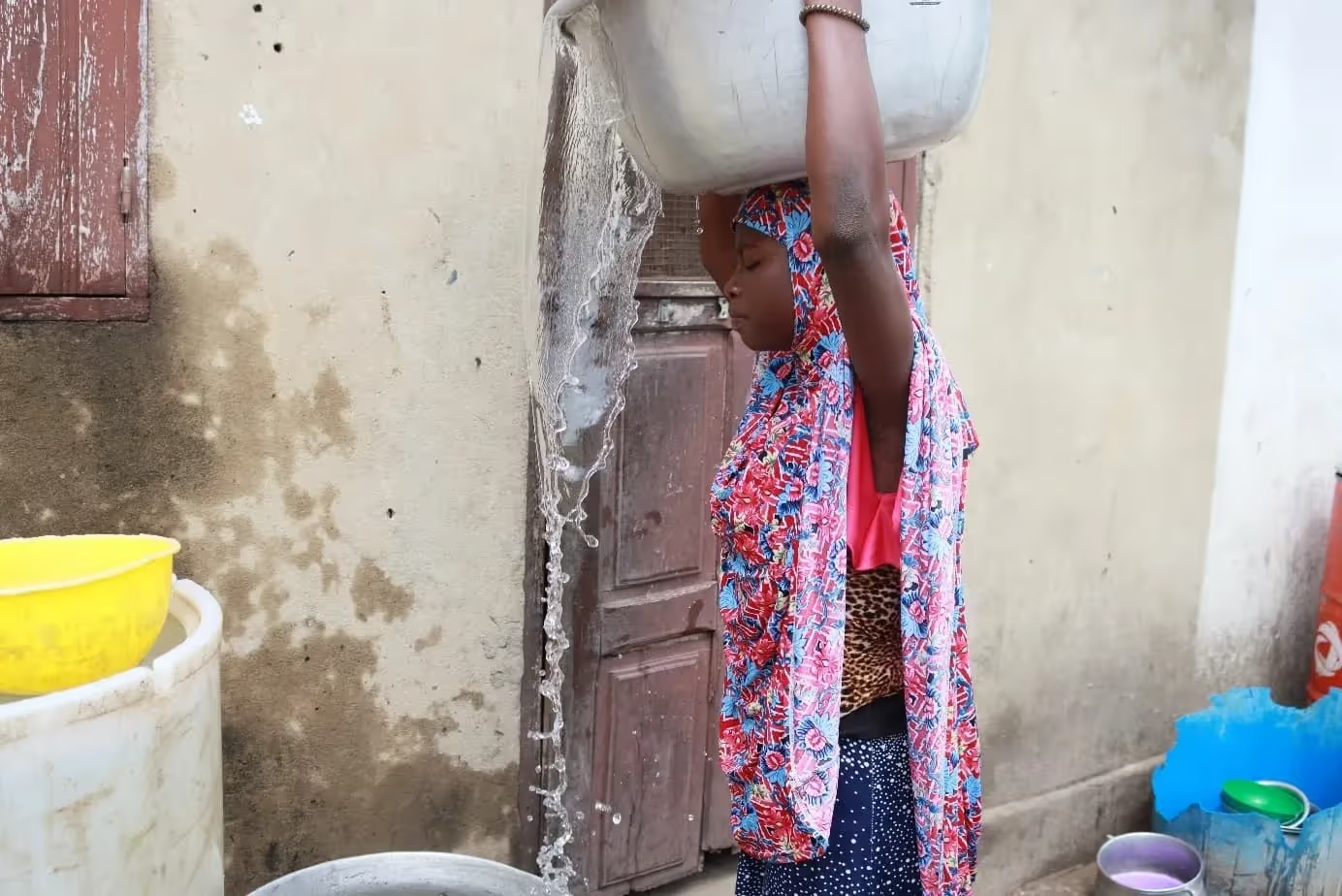
Population growth, urbanisation and industrialisation
The world's population is growing exponentially. An ever-larger population has to be fed, which means farming needs more water. On top of this, living standards are rising significantly, so each person uses more water, especially in developing countries. There, consumer habits are becoming more Western, in food as well as material goods. Diets are changing, with a growing taste for foods that take a great deal of water to produce (coffee, beef and so on). This rising demand for water is all the more worrying given that millions of people already have no safe, clean source of drinking water.
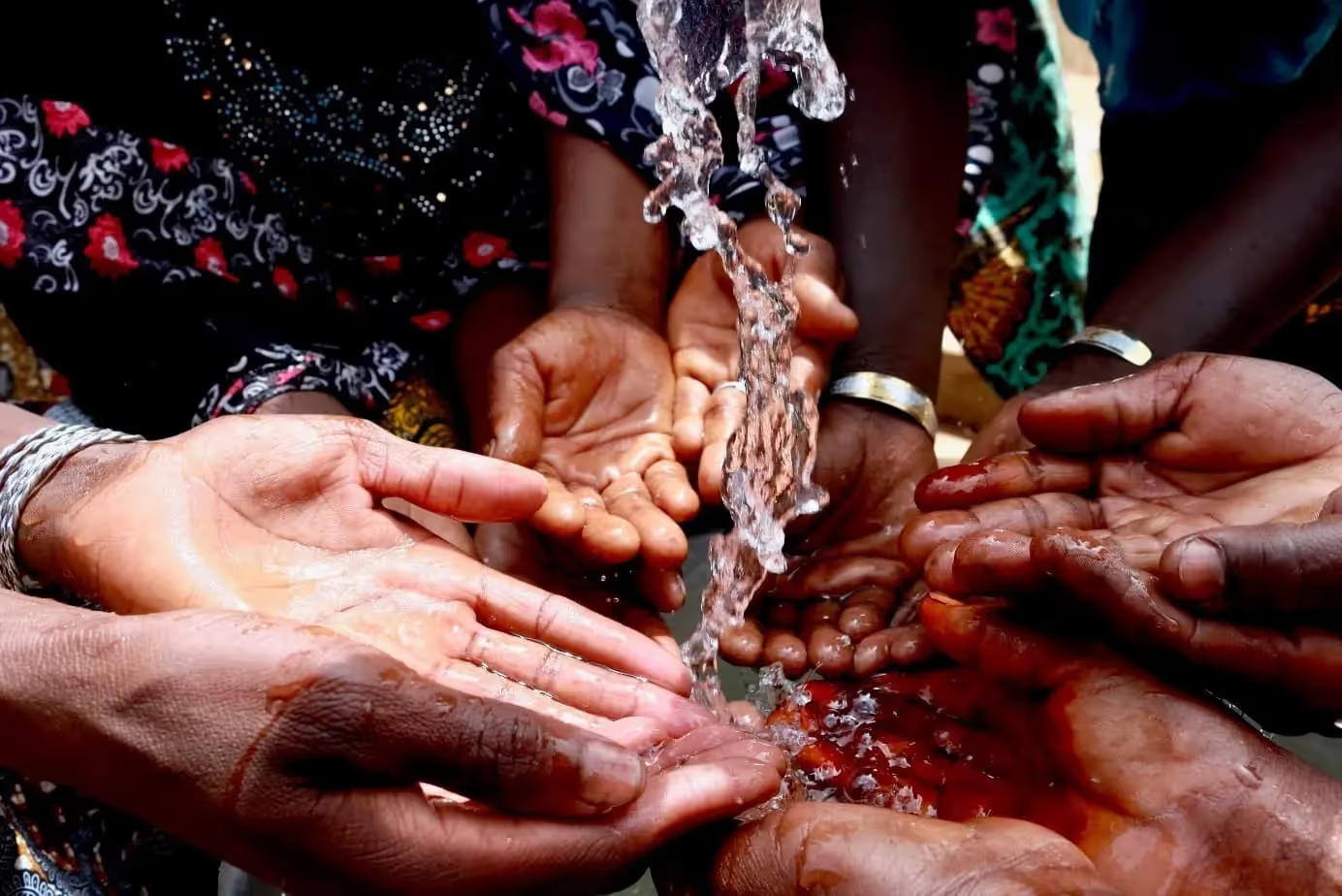
Solutions to improve access to clean water and reduce world hunger
Investing in water infrastructure
By building wells, boreholes and irrigation systems, we can give communities around the world reliable access to clean water. These investments can also create local jobs and boost economic development.
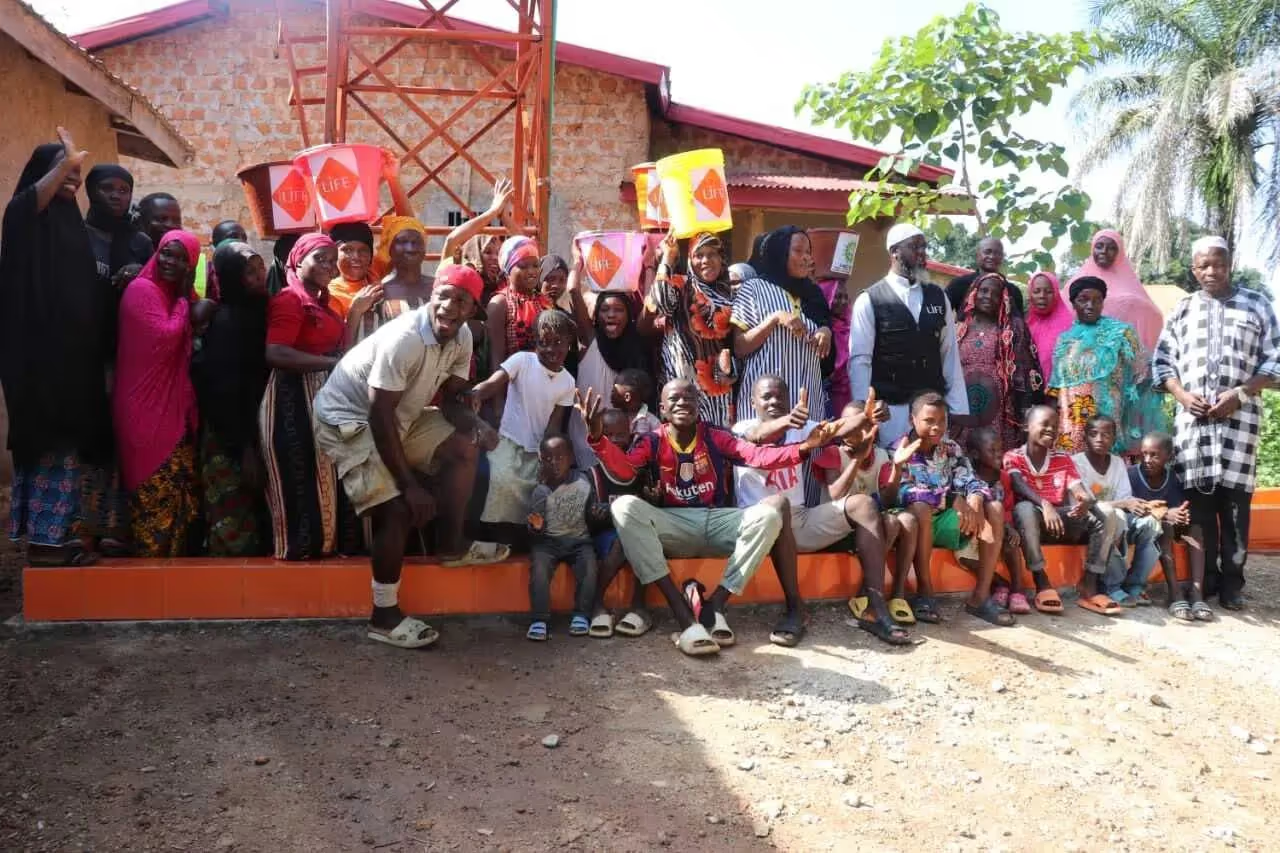
At LIFE, we are building more and more wells. In 10 years, more than 2,000 projects have been carried out in 10 different countries. In Guinea, for example, in the villages of Kindia, Boké, Kaporo and Koyahnotre, we have installed 4 electric boreholes with water towers. This programme improves access to clean water for nearly 11,500 people, which will help increase food production and reduce hunger in the area.
Promoting innovative technologies
Water filters, rainwater harvesting systems and dry toilets are all innovative technologies that can help improve access to clean water and sanitation around the world. When more people adopt them, diseases linked to unsafe water fall and communities enjoy a better quality of life.
Promoting sustainable agriculture
Sustainable farming practices such as agroecology and organic farming improve soil quality. They also reduce the use of chemical fertilisers and pesticides, and make it possible to grow food while protecting water resources.
Teaching communities about hygiene and sanitation
Teaching communities basic hygiene and sanitation practices, such as handwashing and water disinfection, can reduce diarrhoeal disease and undernutrition in children.
Improving water governance
Water must be managed sustainably and fairly. To achieve this, the institutions in charge of water management need to be strengthened, transparency and accountability promoted, and local communities encouraged to take part.
Strengthening international cooperation
By working together and sharing knowledge, technologies and resources, countries can strengthen their ability to uphold the fundamental right to a safe, clean source of drinking water around the world. According to a recent report on food security, greater international cooperation is essential to secure an adequate, sustainable water supply while tackling hunger and malnutrition. By joining forces on initiatives such as sharing best practice in water management, developing innovative sanitation technologies and improving infrastructure, countries can work hand in hand to meet these crucial global challenges.
Access to clean water around the world goes hand in hand with the fight against hunger. By giving every community reliable access to this vital resource, we can improve the health and wellbeing of millions of people and strengthen food security worldwide. Yet to truly transform people's lives, other key factors such as sanitation and hygiene must also be addressed. The international community must redouble its efforts to ensure fair access to these essential services, building a future in which everyone, whatever their circumstances, can live in good health and safety.
Ready to help?
I start a fundraiser
Support the causes close to your heart by starting an online fundraiser with LIFE.
Raising funds for a charity has never been easier!