Together, let's build wells in Africa
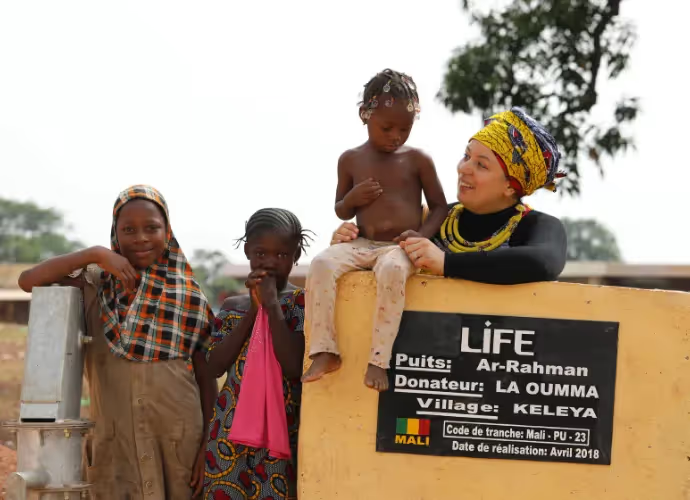
For us, turning on a tap for clean drinking water is something we barely think about. In some African countries, it's a very different story. There, 'blue gold' is a luxury. According to UNICEF, more than 263 million people still live over 30 minutes from the nearest water point. And yet this continent has water! Its groundwater holds more than 5000 billion cubic metres. So why the paradox? Africa suffers from poor management of this essential natural resource. But we have the chance to change that! There is a way to bring people clean drinking water close to where they live: drilling wells. Wells give them the essentials, and much more besides: real prospects for economic and social development.
So while the picture may seem worrying, we can join forces to turn these challenges into a victory. Together, we have the power to build a better future for these communities by building wells. Every gesture, every action counts!
The challenge of access to clean water in Africa
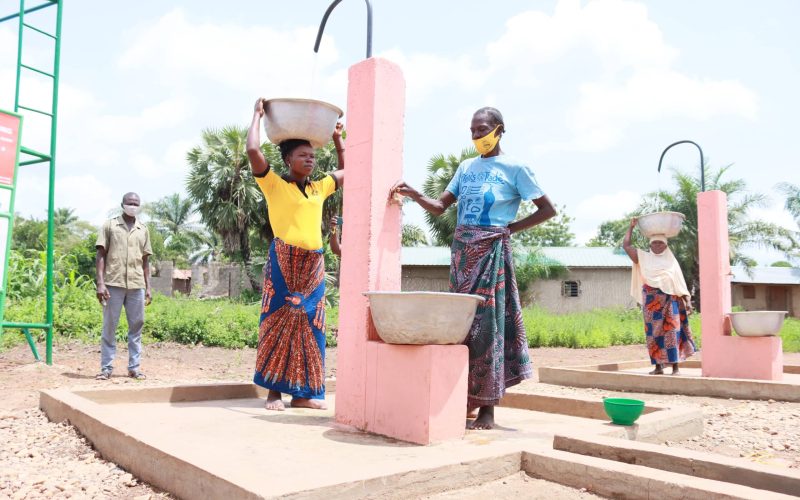
In Africa, access to clean drinking water is complex, but it is a battle many communities are fighting with courage. Yes, according to the United Nations, only 1 in 4 Africans currently has access to a safe water source, but this reality can change. The difficulties people face are very real. Let's always remember that within them lie opportunities for transformation, through collective awareness and concerted action.
Making water points accessible
Among the challenges, the distance to water sources is a major problem. Unthinkable for us? And yet every day, many Africans must walk for hours to reach a water point. In rural areas the situation is particularly worrying, and in towns and cities water supply infrastructure is lacking.
Making sure water is safe to drink
As well as being far away, water sources in Africa are often unsafe to drink. There are several reasons for this:
- A lack of suitable infrastructure: Many regions of Africa, particularly rural areas, lack facilities to treat water and distribute clean drinking water. Relying on natural sources such as lakes or rivers exposes villagers to water contaminated with pathogens.
- Microbiological contamination: Bacteria, viruses and parasites in water can cause so-called waterborne diseases such as diarrhoea, cholera, polio and typhoid fever. They are one of the leading causes of death worldwide. 2.6 million people, including 361,000 children under 5, die from them every year around the world!
- Chemical contamination: On top of microbiological contamination, many water sources contain agricultural chemicals or industrial pollutants.
Coping with drought and climate change
Many water sources are seasonal, available for only part of the year. As drought takes an ever firmer hold, access to clean water shrinks accordingly.
Reducing conflict and political instability
Water scarcity is a major driver of conflict. Around Lake Chad, for example, violence is common between those who need the water and those unwilling to compromise. These tensions and political instability disrupt water and sanitation infrastructure, making access to water even harder.
Planning for the population boom
Africa, especially sub-Saharan Africa, is experiencing rapid population growth, even though situations vary enormously between countries and between rural and urban areas. Demand for water is rising, both for household use and for agriculture.
Wells: a promise for the future?
In this context, drilling wells close to local communities does a great deal to improve their daily lives. And while easy access to clean water is the first benefit that springs to mind, it's only the starting point towards a better future!
More education, more opportunities
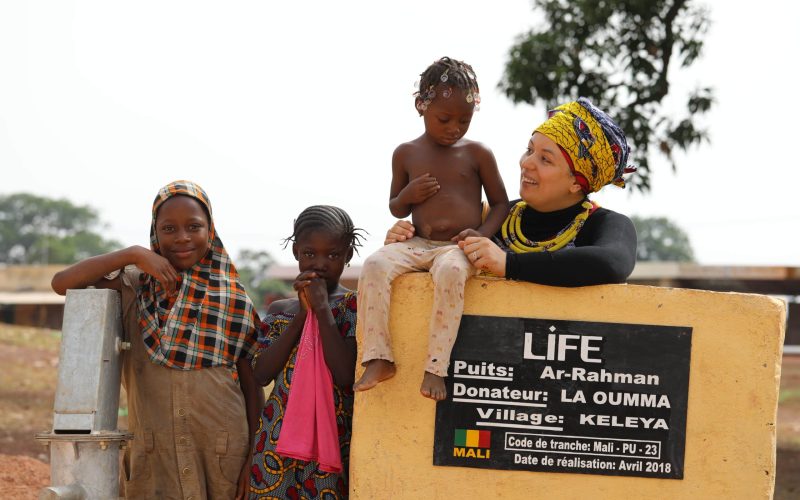
Did you know that fetching water for the family is mostly done by women and children, often at the expense of the children's education? Without those long hours of walking, children can finally get to school more easily. Women, meanwhile, have more time to work, take up job opportunities or engage in productive activities. A well therefore helps break the cycles of poverty and gender inequality. But that's not all! Wells also keep women safer, as they no longer have to take routes that can be dangerous for them.
A guarantee of better health
Drilling a well means digging deep into the ground to reach an underground water source, usually an aquifer. This water is less vulnerable to seasonal fluctuations, weather conditions and contamination. Drinking this clean, safe water helps people stay healthier, and infant mortality falls considerably.
Greater food security
Wells provide irrigation for farmland and, as mentioned above, their water is more stable and reliable. Thanks to them, villagers grow more food and their livestock can drink!
Drivers of economic development
Water is essential for farmers, craftspeople and entrepreneurs. It encourages local businesses to start up and stimulates economic development. Building a well is therefore an engine of growth for communities, opening the way to a more prosperous future.
How is a well built in Africa?
Not all wells are the same. The construction and drilling technique chosen depends on people's needs, local conditions, how deep the water lies and the funding available. Several types of well suit different local circumstances, but let's focus on the ones LIFE builds:
- The village well: dug to 20 metres and fitted with a mechanical or electric pump, it brings joy and hope to 500 villagers.
- The town well or water tower: dug to 60 metres, it has an electric pump powered by solar panels. Thanks to it, daily life for 1000 people can be considerably improved.
Let's act together, but with whom?
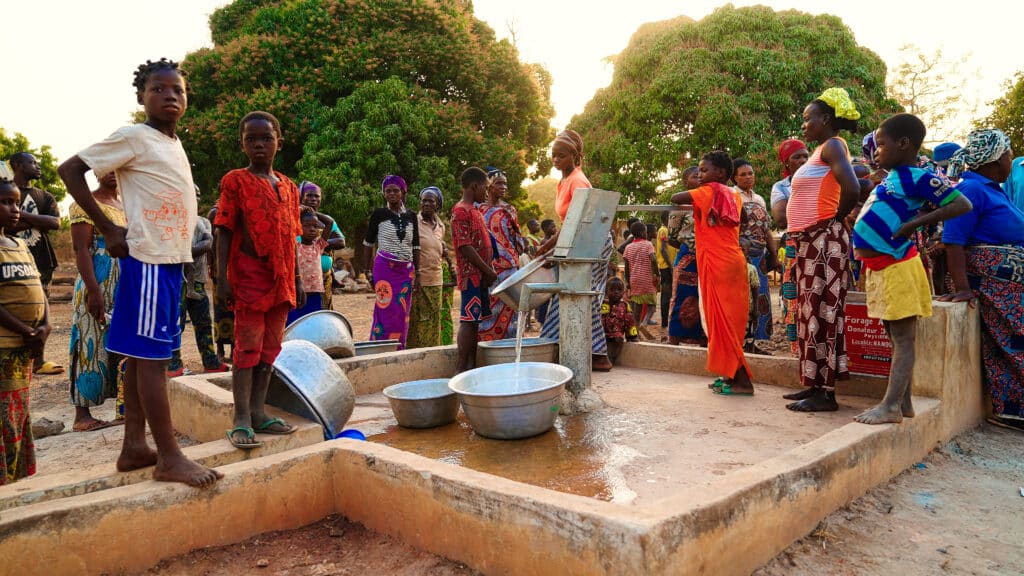
In this great mission to bring clean water to Africa, international organisations such as our NGO LIFE, UNICEF, the WHO and NGOs like Solidarités International are working to build wells. Local organisations are also actively involved.
Since 2009, our NGO has worked tirelessly to provide access to clean water, particularly in Africa. LIFE has already given thousands of people access to a source of life, drilling more than 2000 wells in 12 countries. When they give a source of life in Africa with LIFE, our Lifechangers receive the GPS coordinates of the water point, photos and videos of the work, and more. They are kept informed in real time of the project's progress, so they can joyfully see their generosity in action, changing lives.
Let's overcome the challenges
The efforts of all these organisations are paying off! Wells are multiplying across Africa and a great deal of progress has been made in recent years. Still, we clearly need to keep rolling up our sleeves and overcoming obstacles. Together, we can achieve the 17 Sustainable Development Goals (SDGs) by 2030, particularly when it comes to access to water!
Increasing financial resources
Many African regions cannot afford to undertake well-drilling projects. Some solutions and techniques help cut costs (rethinking the equipment usually used, the size of the well, etc.), but funding remains a challenge. That's why everyone's action and investment are vital. Every donation is a piece that helps close the funding gap!
Ensuring wells are maintained and last
essential. For local communities to take this on, they need training in well maintenance and hygiene. That's why at LIFE, every time we build a well, we do everything we can to help them become self-sufficient. We set up a water management committee of local people who look after the well's protection and upkeep. But that's not all! Future users are also taught good practices, and an audit system regularly checks that the installation is working and that the water is of good quality.
Managing water resources better
The more wells we build, the more we help water resources to be managed better. By supplying water from aquifers or underground sources, they ease the pressure on surface water. Drilling wells in Africa is far more than a simple initiative. It's a promise of hope, health and fulfilment. It's a commitment to improving the quality of life of local communities, an investment in education and a path towards a more promising future. There is still a lot of work to do but, together, we can be the change we want to see in Africa. Every gesture counts; every well dug is a step towards a brighter future for an entire continent. Join us to make a difference and become a Lifechanger! Every gesture counts. Together, we can make a difference by bringing clean drinking water to Africa.
Ready to help?
I start a fundraiser
Support the causes close to your heart by starting an online fundraiser with LIFE.
Raising funds for a charity has never been easier!