Building a well in Africa: steps, costs and testimonies
At a glance
- Building a well is about much more than drilling: it is a 7-step project, from the soil survey right through to training a village management committee.
- Depending on the region, the water table lies anywhere from 20 metres to sometimes almost 200 metres down. The drilling itself takes a few hours, but the whole project runs from several weeks to several months.
- At LIFE, a village well is dug to around 20 metres and fitted with a pump: it serves around 500 people.
- A well in Africa is funded for €2,650, which comes to around €901 after 66% French tax relief.
- Donors receive the GPS coordinates, photos and a keepsake booklet. The well can be named, including after a loved one.
People often picture a well as simply a hole dug until you hit water. The reality is richer, and far more interesting. Building a well that lasts for years takes a precise method, technical skill and genuine work alongside the community. Here, step by step, is how a well is built in Africa.
Before digging: why location changes everything
The very first question is not "how do we dig?" but "where do we dig?". Choose the wrong spot and you risk drilling for nothing, or finding water that isn't safe to drink.
That is why everything begins with a field survey carried out by a geologist. Using a device that measures the ground's resistance at different depths, they pinpoint where the groundwater is most accessible and most reliable. This step shapes everything else: the drilling depth, the equipment needed and therefore the cost.
Depth varies enormously from one region to another. In some areas, water lies around twenty metres down. In others, you have to go much deeper, sometimes almost 200 metres. The deeper the water table, the longer and more expensive the work.
Good to know
A drilled well reaches deep groundwater, which is naturally better protected from contamination than surface water from a river or pond. That is what makes all the difference to health between a well and an open water source.
The 7 steps to building a well
Once the location is confirmed, the work follows a precise sequence. Here are the 7 steps that turn bare ground into a lasting source of water.
- The soil survey. The geologist locates the water table and chooses the most promising drilling point.
- Drilling. A drilling rig bores down to the water table. This dramatic step often takes just a few hours once the machine is in place.
- Casing. Partly permeable pipes are inserted into the borehole, surrounded by fine gravel, to let water in while filtering out impurities.
- The pump. The system that brings the water up is installed: a hand, electric or solar pump depending on the village's circumstances.
- The well apron. A concrete base is poured around the well to stop dust and animals from contaminating the water.
- Water testing. A sample is sent to a laboratory to check the water is perfectly safe to drink before anyone uses it.
- The management committee. Villagers are trained in upkeep and minor repairs, often with a shared fund, so the well keeps working for years.
These steps show one thing: drilling, the image everyone remembers, is just one step out of seven. What makes a well last is everything that comes before and after.
The classic mistake
Thinking the project ends when the water gushes out. A well without an apron becomes contaminated, and a well without a management committee stops working the first time the pump breaks down. Lasting results depend as much on steps 5, 6 and 7 as on the drilling itself.
How long does it take to build a well?
It's a common question, and the answer often surprises people. The drilling itself may take only a few hours. But the full project takes much longer.
Between the field survey, transporting equipment to villages that are sometimes very isolated, drilling, installing the equipment, testing the water and training the management committee, you should allow anything from several weeks to several months. In the most remote or hard-to-reach areas, it takes longer still.
This is not time wasted: it is what guarantees a solid structure and a community able to keep it going. A well built too quickly, without support, is a well at risk of being abandoned.
What does your donation actually fund?
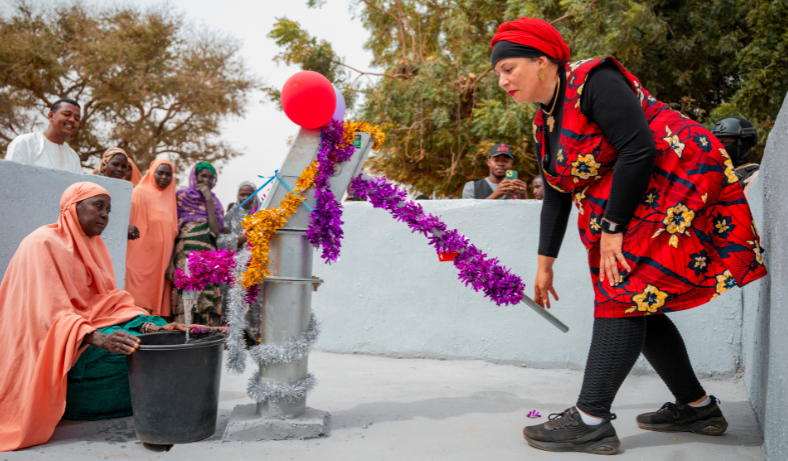
At LIFE, building a village well follows exactly this approach. The well is dug to around 20 metres and fitted with a mechanical or electric pump. On its own, it brings water to around 500 villagers.
Funding a well in Africa costs €2,650. This covers all 7 steps, from the survey to the management committee. And thanks to the 66% French tax relief on donations to public-interest organisations, your €2,650 gift actually costs around €901 after relief. For a line-by-line breakdown of this budget, our article How much does a well in Africa cost? explains every cost.
Once the well is finished, the donor receives its GPS coordinates, photos and a keepsake booklet. The well can bear a name: yours, a loved one's, or in memory of someone who has passed away. To give a well in tribute to someone, our article Give a well in a loved one's name explains how.
The impact of a single well
Around 500 people with safe drinking water just steps from home. Women and children freed from hours of walking every day. Farming and livestock become possible. A village that becomes more self-reliant.
A well, and then what? Water as a starting point
Building a well is never an end in itself. It is the starting point of a wider transformation for an entire village.
A steady, reliable water supply makes it possible to irrigate farmland: food production rises and livestock can drink. Water becomes an economic engine, encouraging crafts, small businesses and new local livelihoods. And because children no longer spend their days fetching water, they can go back to school.
It is this ripple effect that makes a well one of the most useful gifts there is. To understand why giving water offers such good value for impact, our article Donating clean water: the best value for impact explores the question in depth.
Would you like to fund the building of a well?
Discover LIFE's water programme. €2,650 for a well serving around 500 people, or €901 after French tax relief. GPS tracking, photos and a keepsake booklet. Our donor relations team is here to help.
Build a well →Frequently asked questions
How long does it take to build a well in Africa?
The drilling itself often takes just a few hours. But the full project, from the soil survey to training the management committee, including transporting equipment and testing the water, runs from several weeks to several months. In isolated areas, it takes longer.
What are the steps in building a well?
Seven main steps: a soil survey by a geologist, drilling down to the water table, casing (fitting filtering pipes), installing the pump, building a concrete apron, laboratory testing to confirm the water is safe to drink, and training a village management committee for upkeep.
How deep down is the water?
It depends entirely on the region. In some areas, the water table is around twenty metres down. In others, you have to drill much deeper, sometimes almost 200 metres. The deeper the water table, the longer and more expensive the work. At LIFE, a village well is usually dug to around 20 metres.
How many people does a well serve?
A LIFE village well, dug to around 20 metres and fitted with a pump, brings water to around 500 people. Beyond drinking water, it makes it possible to irrigate crops and water livestock, and frees women and children from long walks to fetch water.
How much does it cost to build a well with LIFE?
Funding a well in Africa costs €2,650, covering all 7 steps of the work, from the survey to the management committee. Thanks to 66% French tax relief, this donation actually costs around €901. The donor then receives the well's GPS coordinates, photos and a keepsake booklet.
Ready to help?
I start a fundraiser
Support the causes close to your heart by starting an online fundraiser with LIFE.
Raising funds for a charity has never been easier!