Agri-food training for young people in Senegal
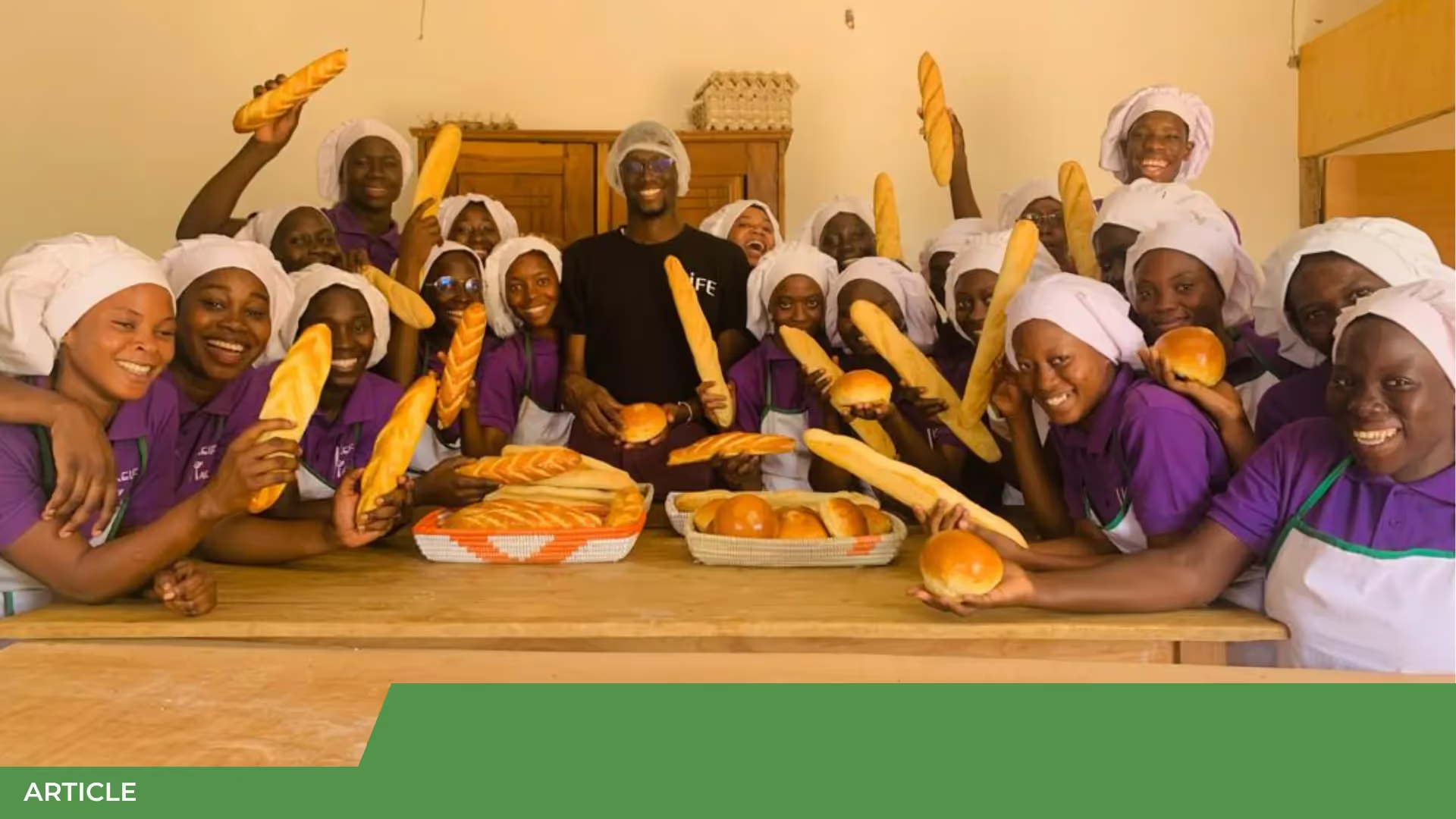
In western Senegal, the Sine-Saloum region is a patchwork of mangroves, winding rivers and fertile farmland. Yet amid this stunning natural setting, many young people face social and economic hardship. Many of them have no access to a good education, and job opportunities are scarce. The “From Field to Plate” project aims to give them training in the agri-food sector and to help drive the region’s economic development.
Let’s take a closer look at this wonderful programme, launched by LIFE in 2022 and already bearing fruit.
Young Senegalese people in the Sine-Saloum region
The social and economic context
Sine-Saloum is a largely rural region whose economy rests on farming, fishing and livestock. However, these sectors face several challenges.
- Agricultural productivity is hit by climate variability, soil degradation and land salinisation.
- Overfishing and environmental change are putting fishermen’s livelihoods at risk.
- The effects of drought and the lack of livestock infrastructure are cutting the incomes of the families who depend on it.
The challenges facing the region’s young people
Against this backdrop, the situation and prospects of young people in Sine-Saloum, as in many rural parts of Senegal, are difficult.
- The absence of industry and limited economic diversification lead to high rates of unemployment and underemployment.
- Educational facilities are often inadequate, and the training on offer does not always match what the job market needs.
- Because of the lack of local opportunities, many young people move to big cities such as Dakar, or abroad, in search of a better life. This migration can have harmful effects, such as the region losing its young, energetic workforce.
The aims of the “From Field to Plate” project
The “From Field to Plate” project aims to help reverse this trend and contribute to the economic development of this region of Senegal. How? By training young people facing social and economic hardship and supporting them into working life in a productive, sustainable sector: agri-food, with a focus on making the most of local produce and on agroecology.
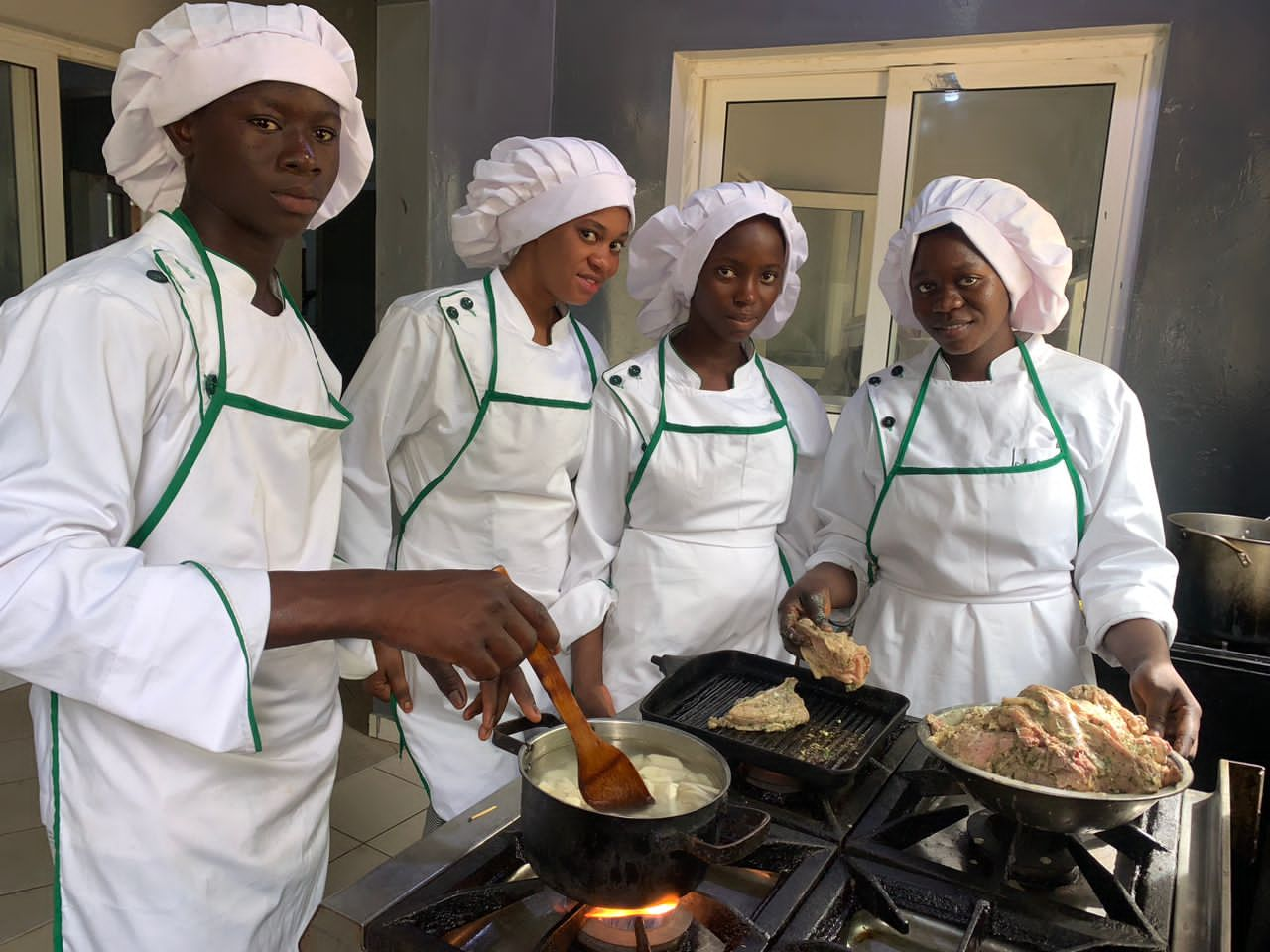
This 3-year project first aims to improve the social and economic situation of its direct and indirect beneficiaries. The latter are many: the families of those we support who depend on their income, but also the communities they come from. These communities can soon count on a boost to local productive sectors and on the benefits of raising awareness about protecting and valuing their natural and human heritage.
“From Field to Plate” aims to support the region’s agri-food sector by spreading the principles of agroecology and food sovereignty across the whole value chain. In doing so, it strengthens the sector’s economic and environmental sustainability, creating ideal conditions for the people we support to develop their activities.
What the training offers young people
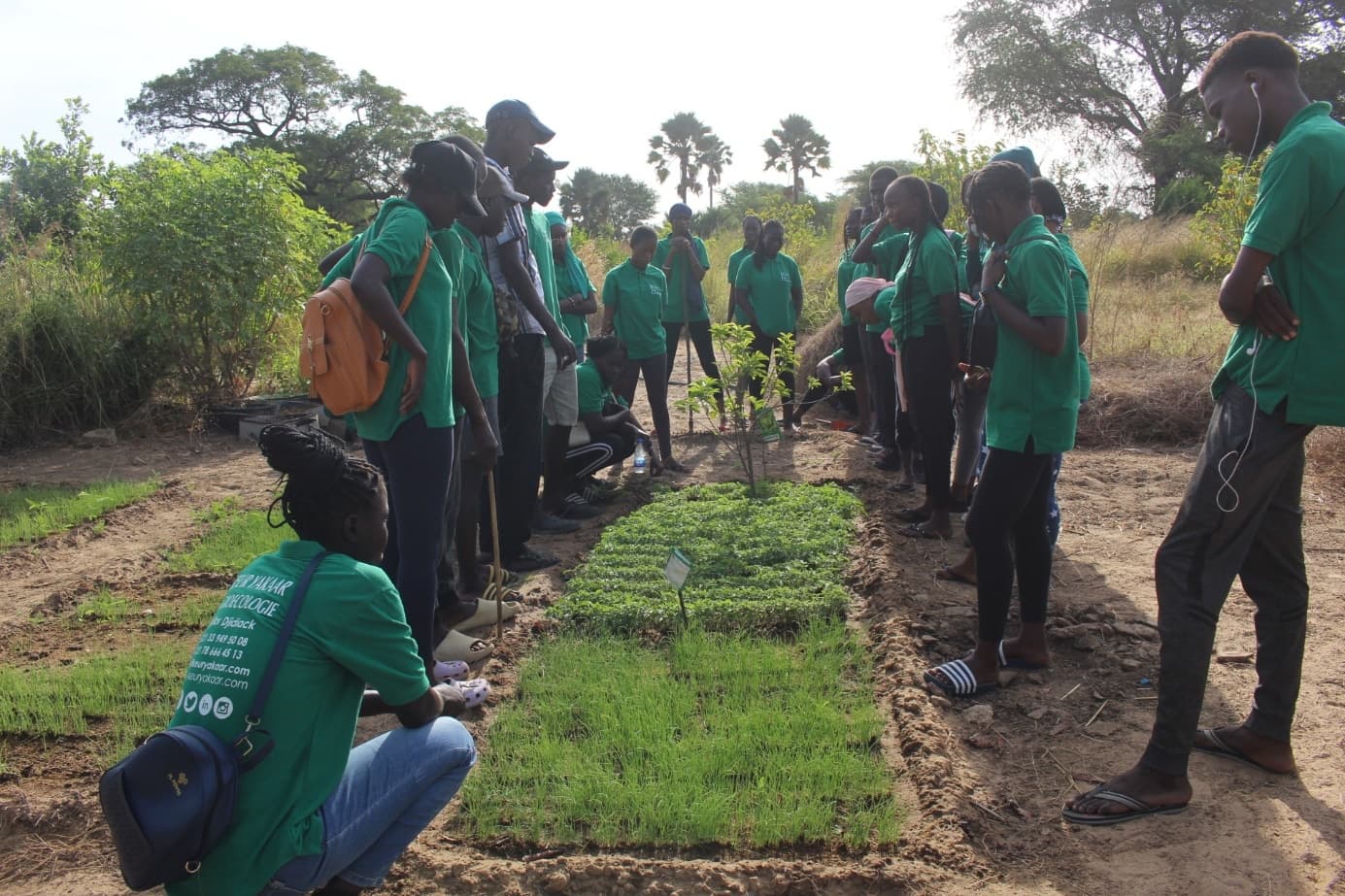
The training follows a skills-based approach and lasts ten months. Trainees are guided according to their aptitudes and follow a post-training integration pathway, with the goal of at least 90% of the young people becoming economically active and self-sufficient.
Some of the trainees are steered towards setting up small family agroecology businesses, while another group is placed in food processing and/or catering. The project plans to provide premises and tools to those who go on to become self-employed.
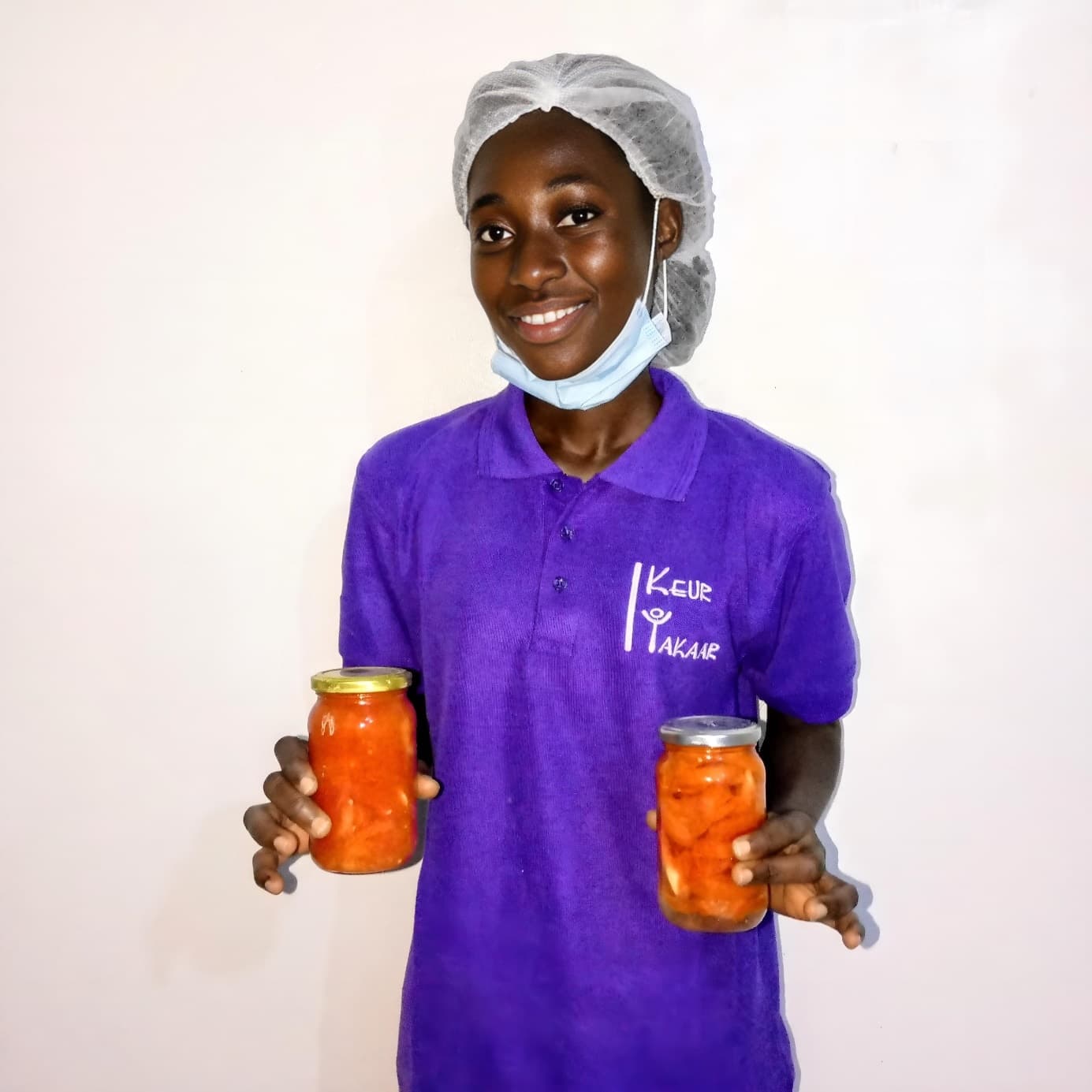
LIFE’s local partners
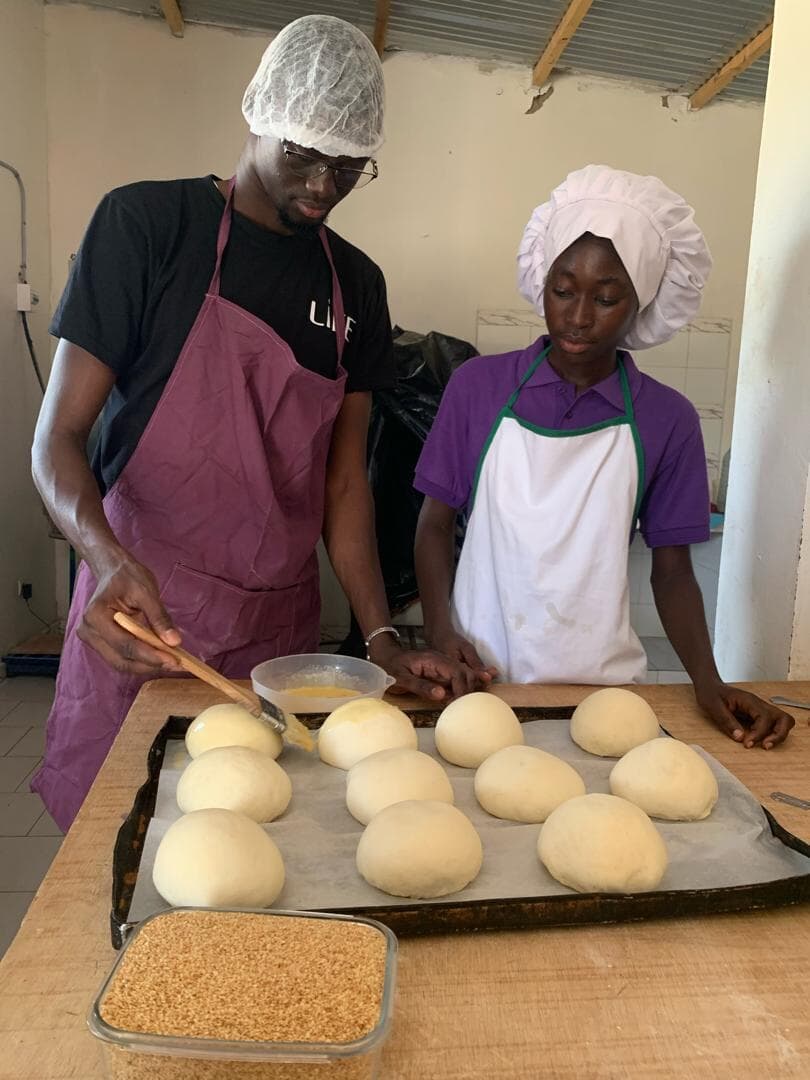
To ensure the project succeeds, LIFE works with partners who are well established in the area and know its particular features inside out. They have worked with local people for years and understand their needs and how they live and work.
- Tourism for Help is a non-profit association that promotes responsible tourism and food sovereignty, helping to support economic development in disadvantaged regions.
- Keur Yakaar training centre and hotel-restaurant
It was founded in 2014 to give a chance to young Senegalese people who want to enter the world of work through vocational training but have, for various reasons, been left out of the school system. Since it opened, it has supported more than 300 beneficiaries, with an average post-training employment rate of 83%. Over the years it has built a wide network of partners, including more than 70 tourism businesses that host trainees and work with the centre on recruitment.
In 2019, Keur Yakaar opened a second site in Djilor Didiak, home to its Agroecology and Food Processing course.
This is where the “From Field to Plate” project is taking shape, and where trainees enjoy a whole range of opportunities.
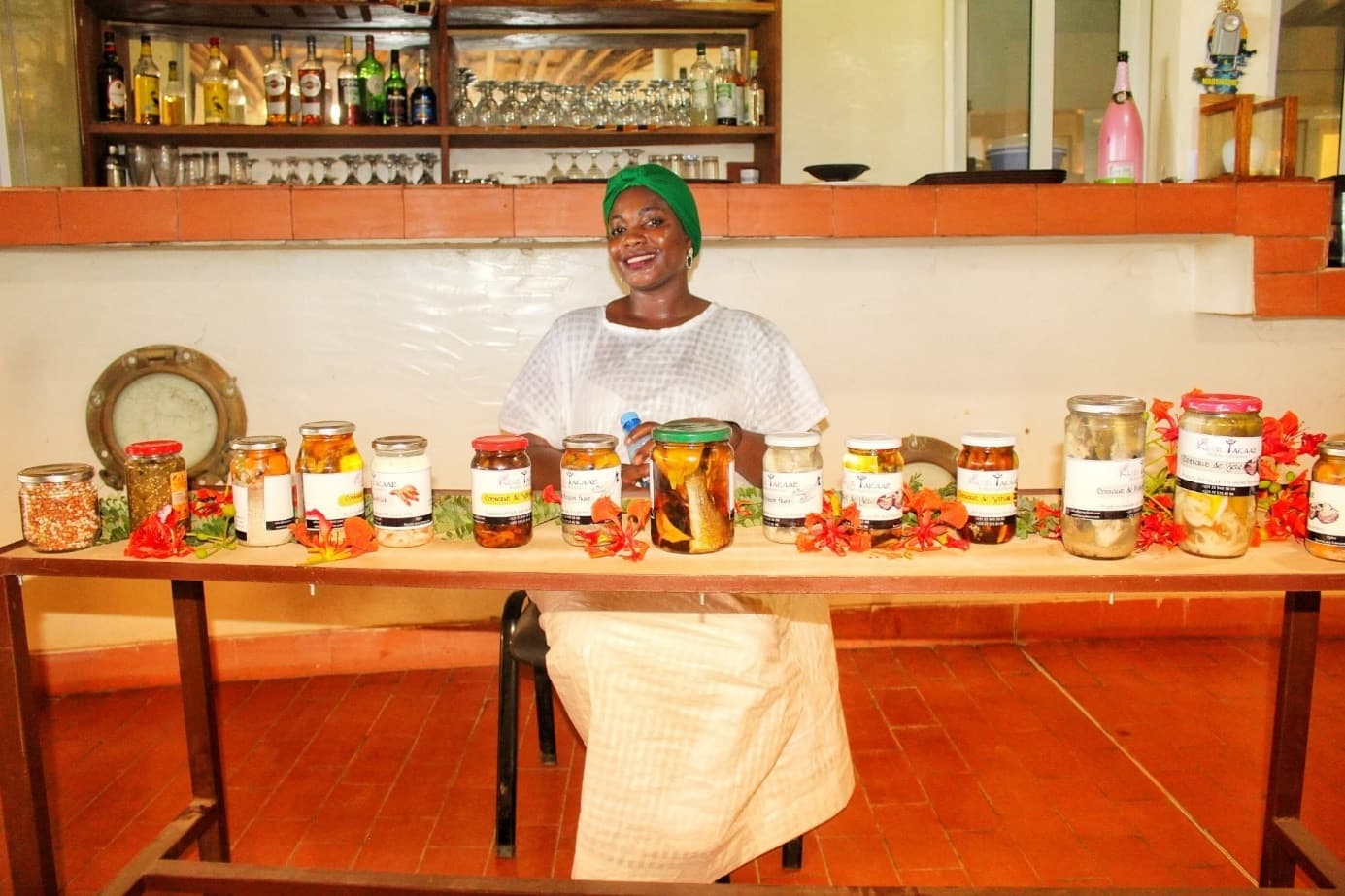
For example, 23 local organic producers run the annual Organic Market there with the Centre, giving the young people a chance to sell what they produce. They also benefit from its hotel-restaurant, La Source aux Lamantins, which already has regular customers. It serves as a springboard for generating income through the project’s practical activities.
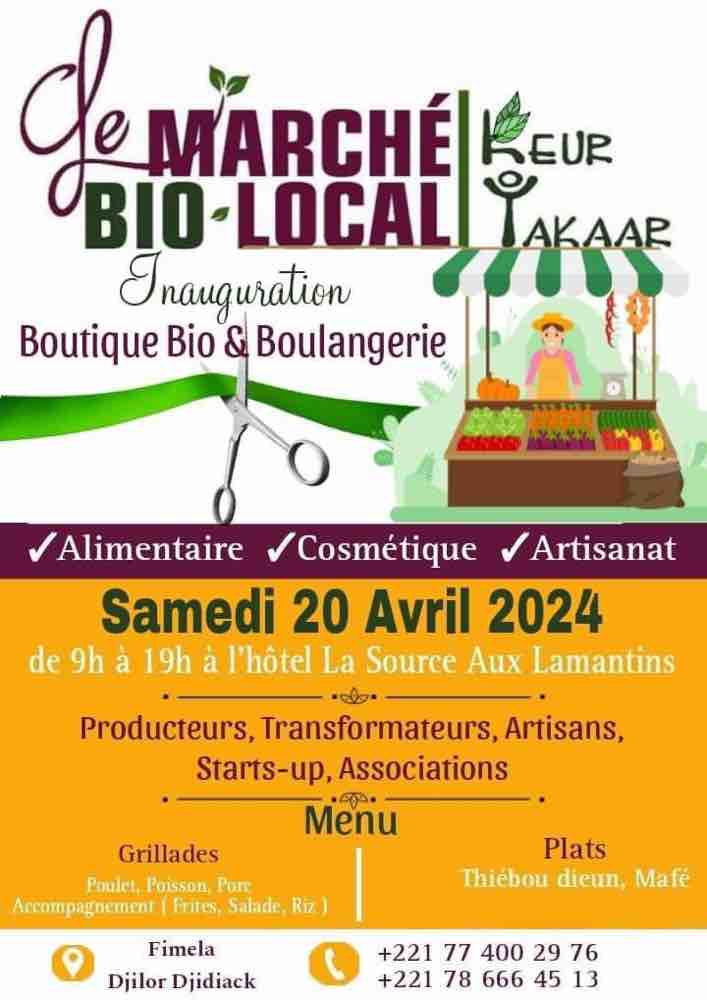
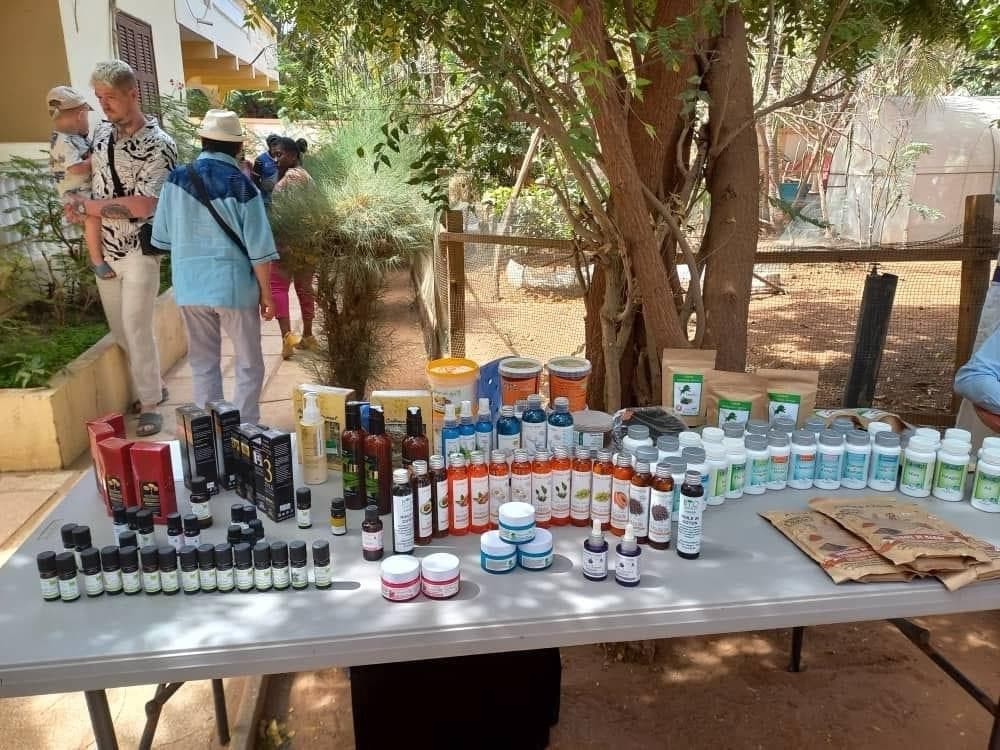
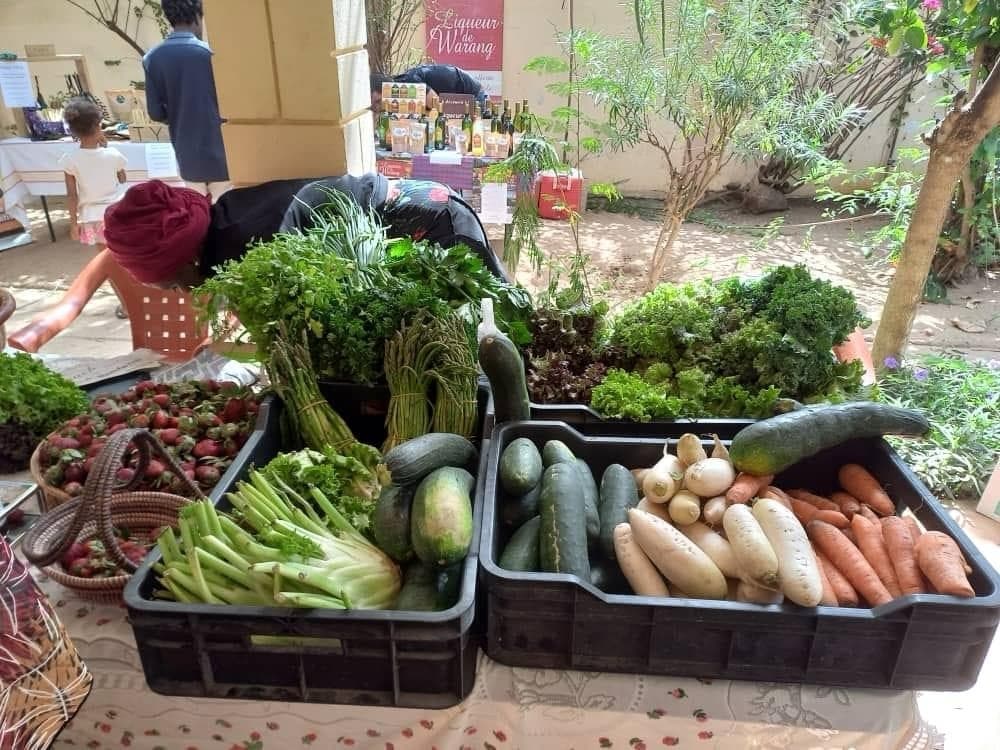
The stages of launching the project
Upgrading the facilities
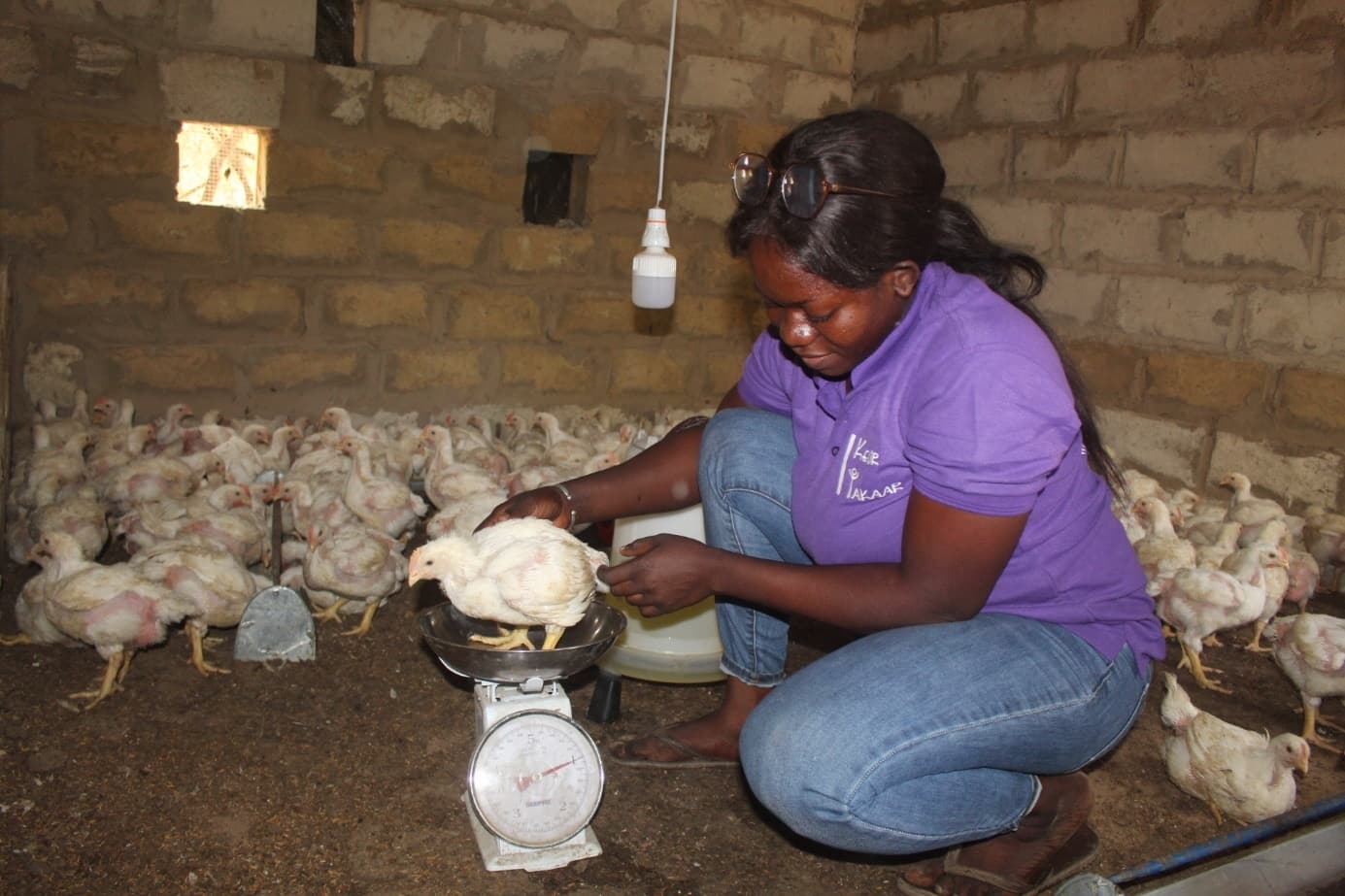
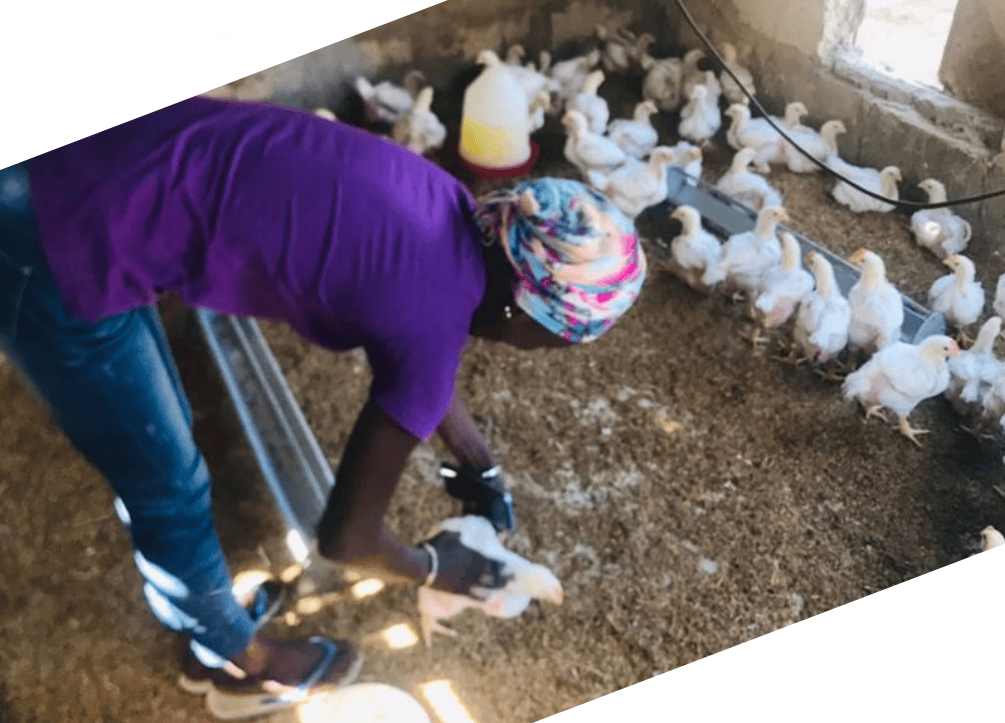
The technical premises and equipment of the Keur Yakaar Centre, located within “La Source aux Lamantins” in Djilor-Didiak, will be made available to the project. To strengthen the facilities, the laboratories have been improved to give better control over lighting and temperature. Teaching plots have been created within the Centre’s grounds for the practical agroecology modules. An efficient water supply system and crop protection also had to be installed on part of La Source aux Lamantins’ currently unused land. And to provide complete agroecology training, the team felt it essential to include responsible broiler chicken rearing. Before the henhouse was finished, 200 chicks were bought in Mbour so the activity could start at the same time as the poultry course, allowing the young people to combine theory and practice from the outset.
Selecting the people we support
90 young people (30 a year over 3 years) aged 18 to 29 are selected from the municipalities and villages in the rural area between Joal, Fatick, Foundiougne and Palmarin.
They have dropped out of school and are unemployed, or work in farming without earning enough to support themselves. The organisation sets no official gender quotas, but applications from young women are encouraged within the target communities.
So that no one is left out, the teams went to meet village chiefs to tell them about the project so they could spread the word among the young people in their communities.
Classes and shaping personal and professional plans
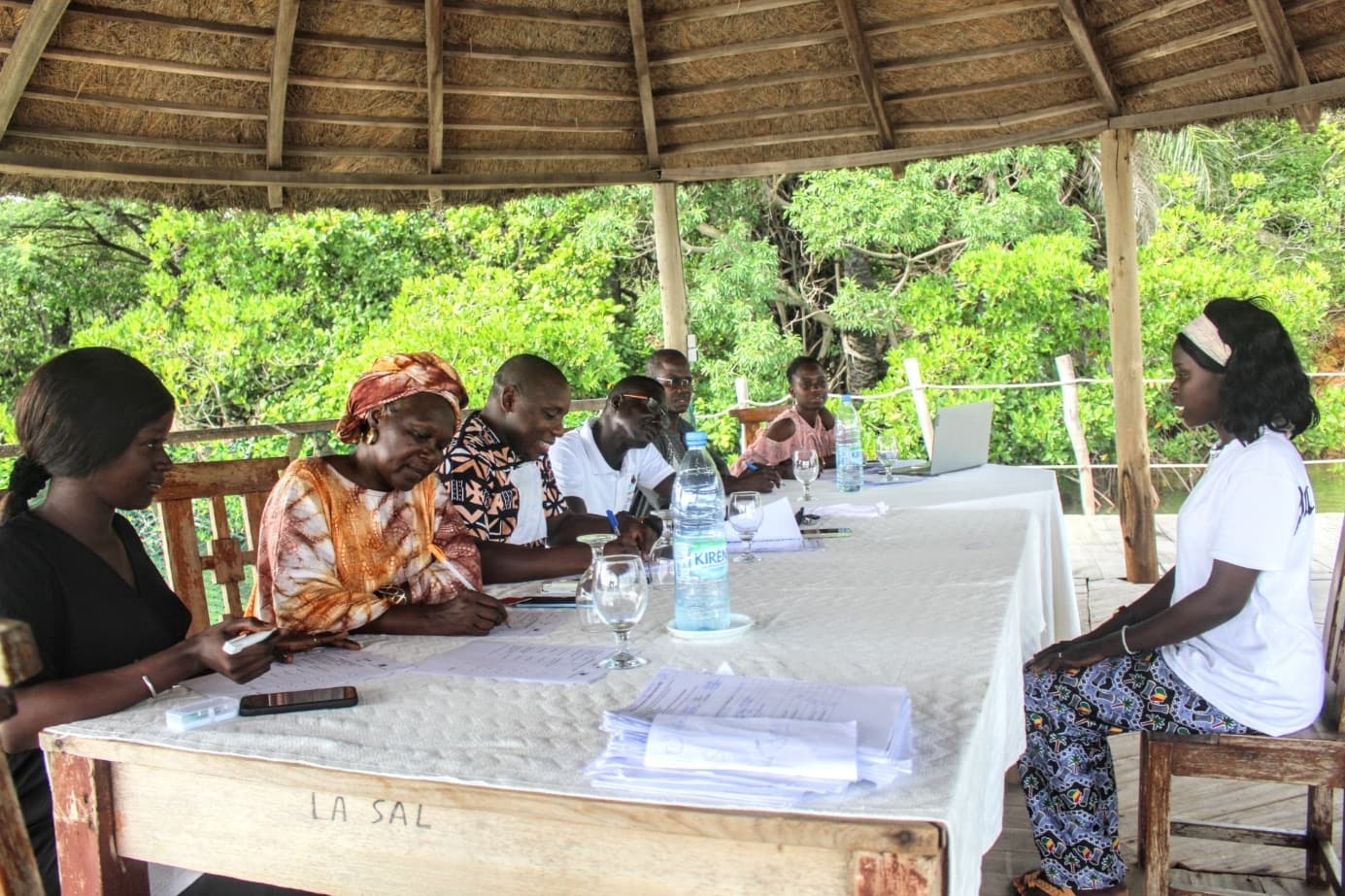
From the start of classes in November 2022, trainees presented their project ideas. As the aim is to support the young people in getting set up after the training, it is vital to help them shape and develop these ideas. It also makes it possible to redirect those whose plans seem too ambitious or unworkable in the short term.
Access to land is a major concern in the Serer region. The project therefore identifies young people whose families own land but who may struggle to use it because of family restrictions. In such cases, the teams talk with the families to draw up a memorandum of understanding guaranteeing the young person a plot. This allows them to run their business without land rights problems. The agreement will be signed by the family, the Keur Yakaar centre and the local authority.
News from the small businesses
Thierno Lô
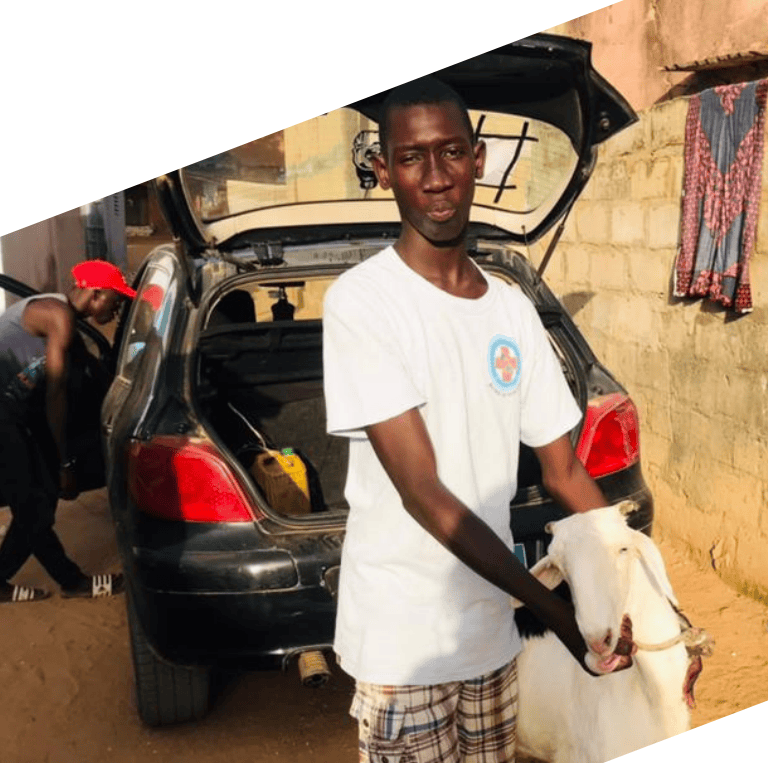
Is starting out in sheep rearing. He has bought 3 young sheep, which he will raise and then sell after a year to increase his number of lambs and help replenish the support fund. His project is based at home and financially backed by his father.
Ndeye Bineta Faye
She makes birthday cakes to order, loaf cakes and croissants, which she will sell in her neighbourhood. Her project is based at her home, and her father is her guarantor.
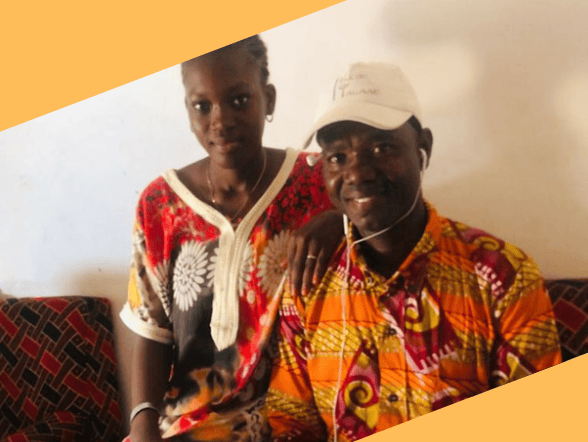
Binta Ndione
Has started producing and selling broiler chickens, and possibly laying hens. She is starting with a batch of 100 chicks and will gradually invest to increase her output. The henhouse and shop are at her home.
Does this project speak to you? Are you moved by these young people’s smiles and inspired by their personal and professional growth? We support them through our SAPOUSSE fund.
Together, let’s give children and young people in difficulty a bright future!
Ready to help?
I start a fundraiser
Support the causes close to your heart by starting an online fundraiser with LIFE.
Raising funds for a charity has never been easier!