Volunteering: a generation of committed young people
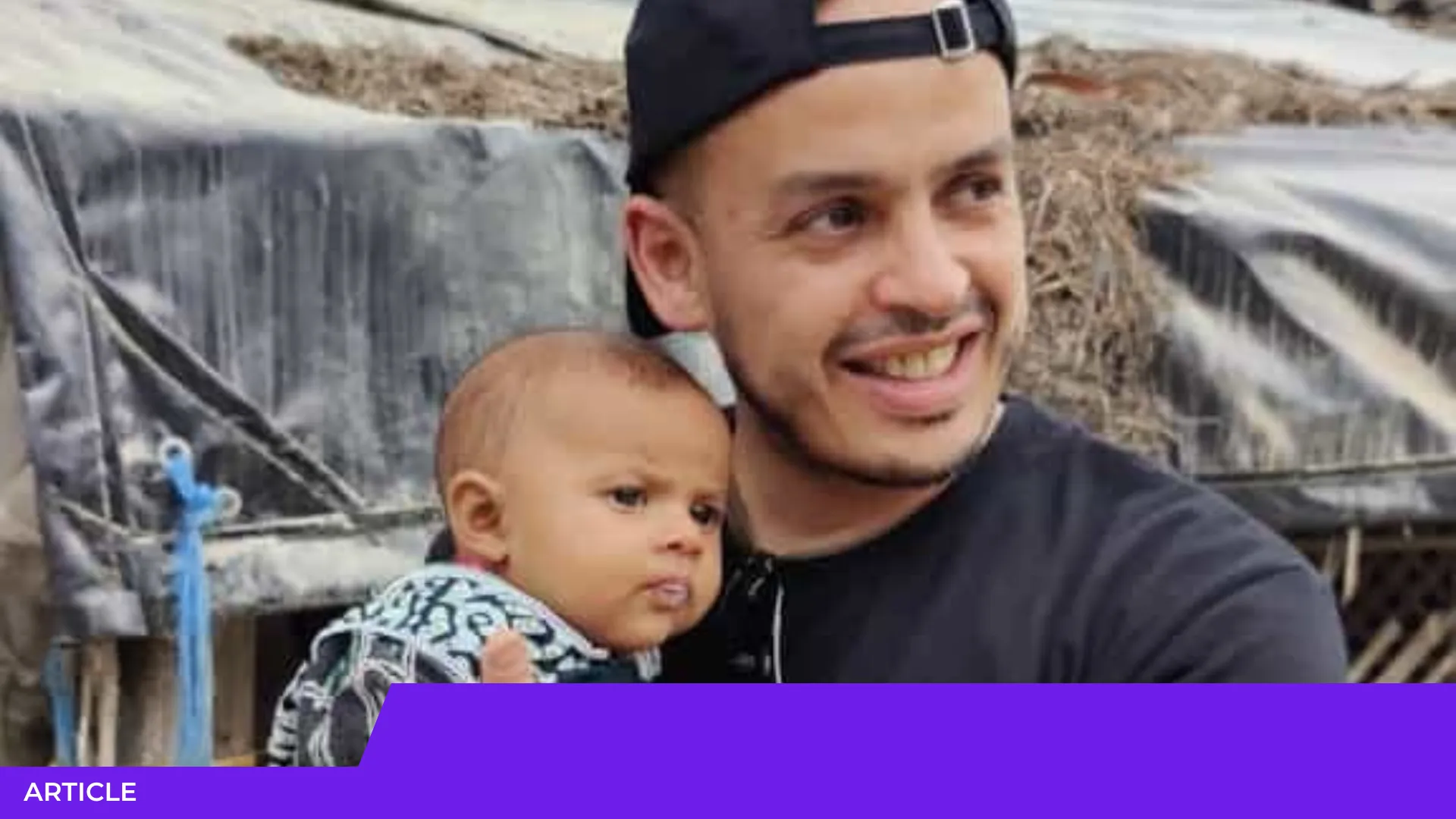
Young people are stepping up, and more and more of them are volunteering. They are ready to change the world with unmatched energy and passion. According to a study by the French Ministry of National Education and Youth, 45% of people aged 16 and over took part in volunteering in 2022, up from 36% in 2016. And 85% of secondary school pupils are thinking about doing so! This marked rise shows that younger generations are increasingly drawn to volunteering. Driven by a sense of solidarity, they want to make a positive contribution to society, build skills and shape their social identity. Charities need their energy and enthusiasm. So how do they attract them, and how do they keep them?
How do young people want to volunteer?
Their reasons vary. A survey by France Bénévolat, carried out in 2018, shows what draws them to volunteering, what they prefer and what they steer clear of.
Hands-on action rather than long-term projects
They overwhelmingly reject institutions, especially political ones, while valuing family and solidarity, which feel close to home. Their view of charities may be better than of other institutions, but often only by default. To win them over, charities must therefore remain places of concrete action that don't demand a long-term commitment. Young people want something tangible and responsive!
This preference is heightened by the culture of instant results that came with the digital revolution this generation was born into.
The aim of younger generations is to make the world around them liveable, not to change it radically. They want a tangible, immediate impact, and to tackle global issues through local initiatives.
A flat way of working
Flat structures in how organisations are run and governed motivate them. Autonomy and an informal setting encourage them to get involved. They thrive in an environment where everyone's influence and say depend on what they actually do. This approach encourages initiative and commitment.
Recognition and trust
Younger generations respond better to concrete requests and to projects where they feel needed and trusted. General talk about commitment has little effect on them! They need to feel heard, useful and recognised.
Why group projects matter
18 to 30-year-olds have a strong need to be part of a group. Charities need to adapt their approach by offering roles that let them get involved together rather than on their own.
How can a charity attract young volunteers?
Charities have clearly understood how important it is to involve younger generations in their work. They are developing specific strategies to win over this dynamic, motivated age group. What are they?
Rewarding roles that fit their lives
Many organisations highlight short, varied roles, tailored to each volunteer's availability and skills.
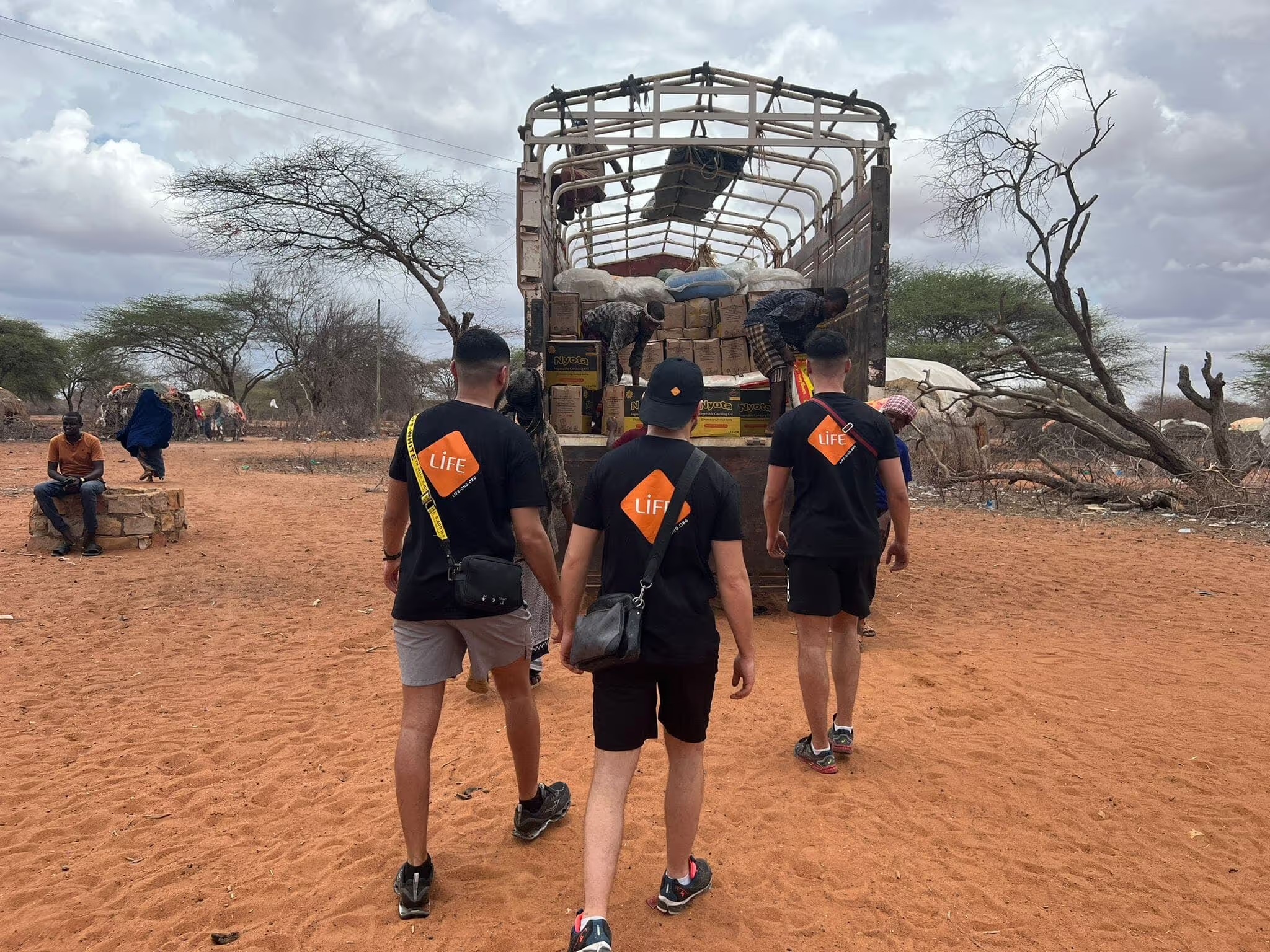
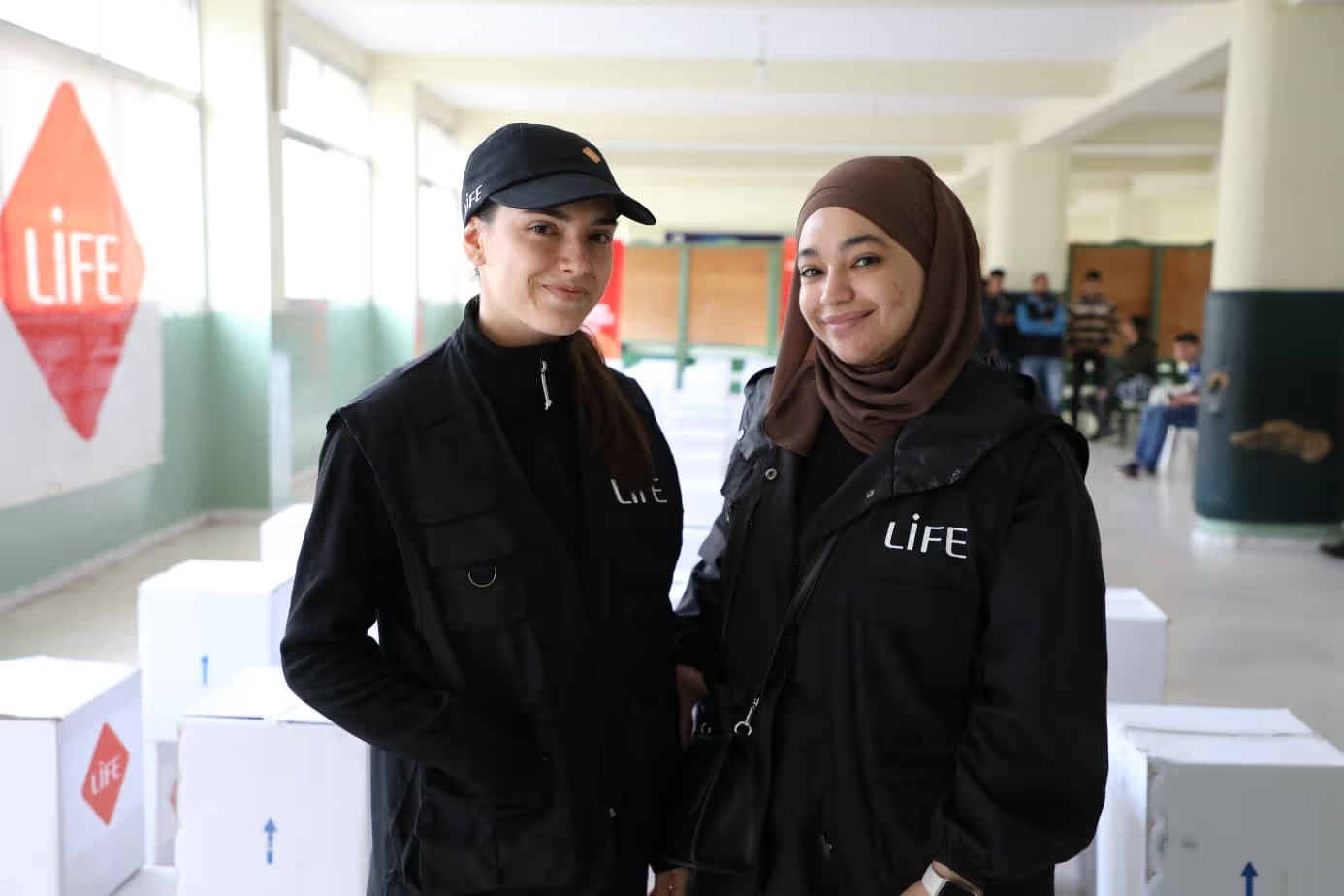
At LIFE, young volunteers can join us on short or longer operations across a wide range of complementary areas: environment, food security, education, water and sanitation. They can also take part in emergency responses. In Morocco, for example, they have always played a big part in our work, but especially during our recent emergency response after the earthquake in September 2023. Most of them were aged between 20 and 28.
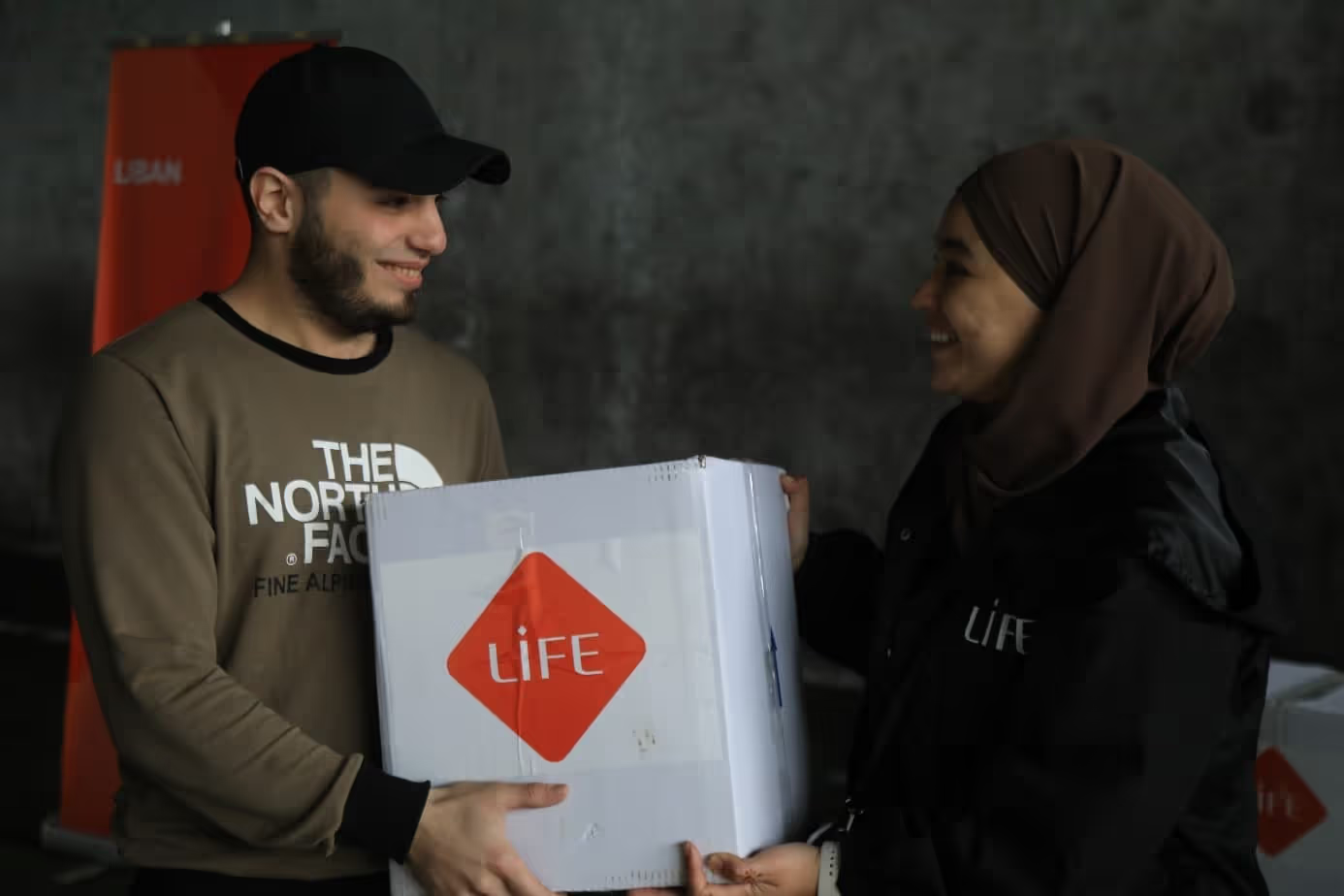
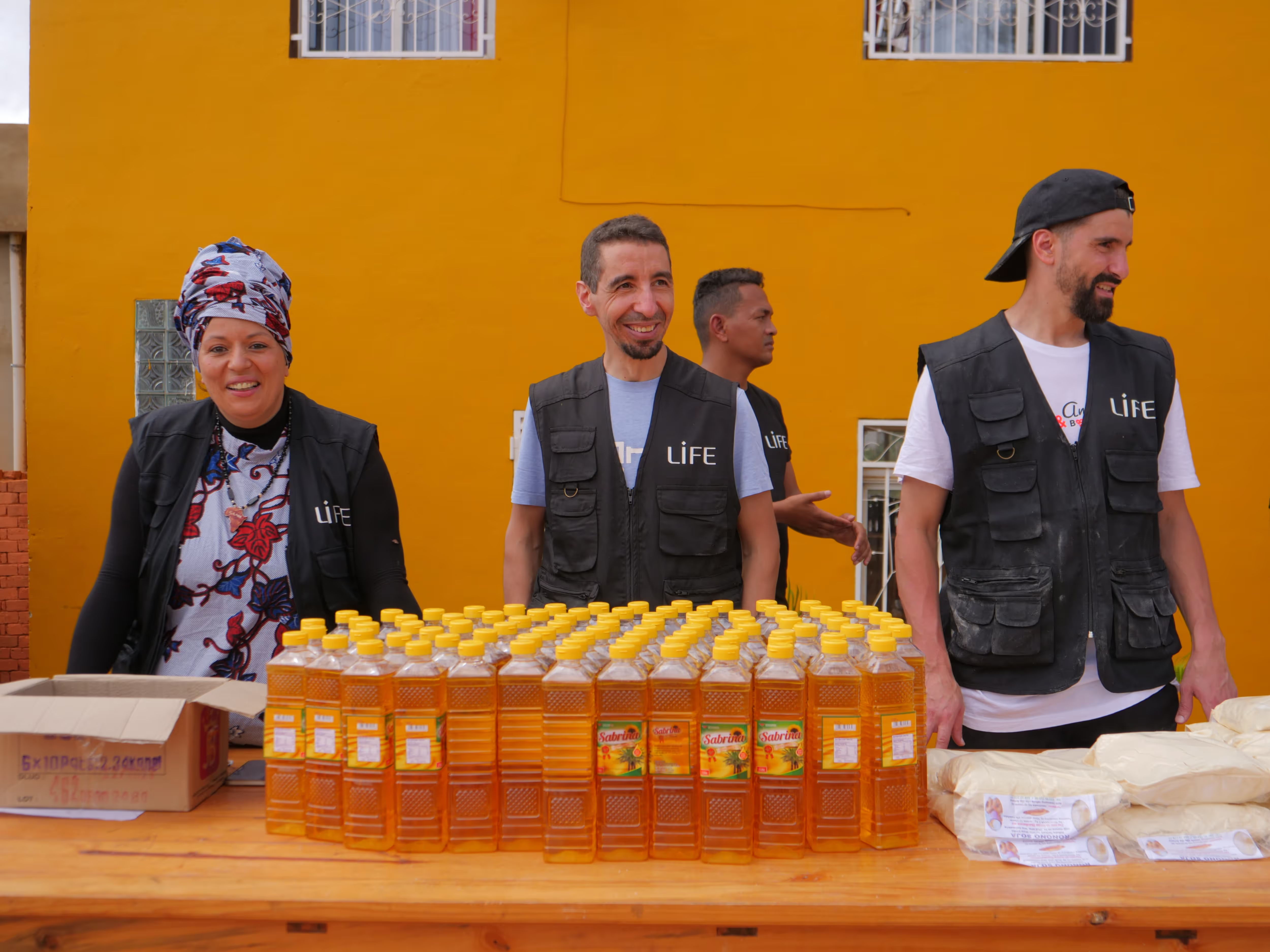
During our latest 1 €/1 meal campaign in France, many young volunteers also came to lend a precious hand distributing our food parcels and hot meals. Around thirty, mostly aged 18 to 26, took part in the campaign. Almost every day we receive applications from young people who want to come and help us and bring comfort to those in need. In France, as in other countries, the wave of solidarity during our various operations is real.
Training and support programmes
To keep volunteers on board, charities can set up free training and support programmes.
The French Red Cross, for example, offers training in first aid, project management, communication and other useful skills, alongside its rescue and humanitarian missions.
To support its volunteers in helping isolated older people, Les Petits Frères des Pauvres provides training in befriending, psychological support and managing social projects. Since 2007, several hundred sessions a year have been attended by several thousand people.
Using digital tools
Charities also use digital tools to recruit and coordinate volunteers, as well as for their training programmes. The government platform JeVeuxAider.gouv.fr lists one-off and short volunteering roles offered by various organisations. LIFE is listed there (LIFE – become a volunteer with LIFE – JeVeuxAider.gouv.fr.
Tous bénévoles does the same, as does the Benenova platform.
These tools make it easier to connect organisations and volunteers, making getting involved more accessible and appealing.
Supporting volunteers is essential!
To keep volunteers engaged, charities put various kinds of support in place:
Recognising their commitment
To recognise the commitment of younger generations, some charities issue volunteering certificates and skills certificates.
The « Passeport Bénévole » (Volunteer Passport) scheme, run by France Bénévolat, lets volunteers record their experience and the skills they have gained. This official recognition often comes in handy when job hunting or applying for courses.
Financial support
Financial help is also available to encourage younger generations to volunteer. In France, the Fund for the Development of Associative Life (FDVA) offers grants for projects led by young people.
Did you know? In 2023, the FDVA funded the work and projects of 16,138 local associations, 86% of them very small, and 1,640 regional or national organisations for volunteer training. In 2024, it is expected to reach almost 70 million euros, 10 million of which will go to volunteer training. These grants give young members the chance to carry out concrete, meaningful work in their communities.
Psychological support
Volunteering can sometimes take an emotional toll. To support young people through difficult moments, a charity can, like SOS Amitié, offer listening and psychological support services. This support is vital for their wellbeing and for helping them stick with their roles.
What are the challenges and prospects for youth volunteering?
Despite the progress, volunteering among younger generations still faces obstacles. What are the main barriers? Lack of time because of studies or job hunting is often mentioned. Some young people are also wary of charities, which they see as rigid or not very innovative. Indeed, some long-established organisations do sometimes struggle to integrate them effectively.
To overcome these challenges, charities must keep innovating. Flexible roles, using social media to communicate and recruit more effectively, and building partnerships with schools and universities are all promising avenues.
The partnership between LIFE and Sciences Po Saint-Germain gives first-year students the chance to work on concrete projects, strengthening LIFE's work on the ground.
Emmaüs Connect has teamed up with YNOV Campus to train students in refurbishing digital equipment and in digital mediation. They learn to help people facing digital exclusion use computers and the internet, and so contribute to digital inclusion.
Youth volunteering is booming, backed by a wide range of initiatives and strong commitment from charities. The figures show growing involvement, but also specific needs for support and recognition. To keep this momentum going, it is essential to keep adapting activities and roles to the expectations and constraints of younger generations, while valuing their invaluable contribution to society.
Charities, institutions and young people themselves all have a part to play in making volunteering a rewarding and lasting experience. Getting involved in volunteering and community life benefits not only young people themselves, but the whole community.
Join a dynamic, transparent and trustworthy charity! Let's act together for the planet!
Ready to help?
I start a fundraiser
Support the causes close to your heart by starting an online fundraiser with LIFE.
Raising funds for a charity has never been easier!