9 Key Decisions from the World Water Forum in Bali
Will we soon be running out of water all over the world? What solutions can we find to manage this vital resource sustainably?
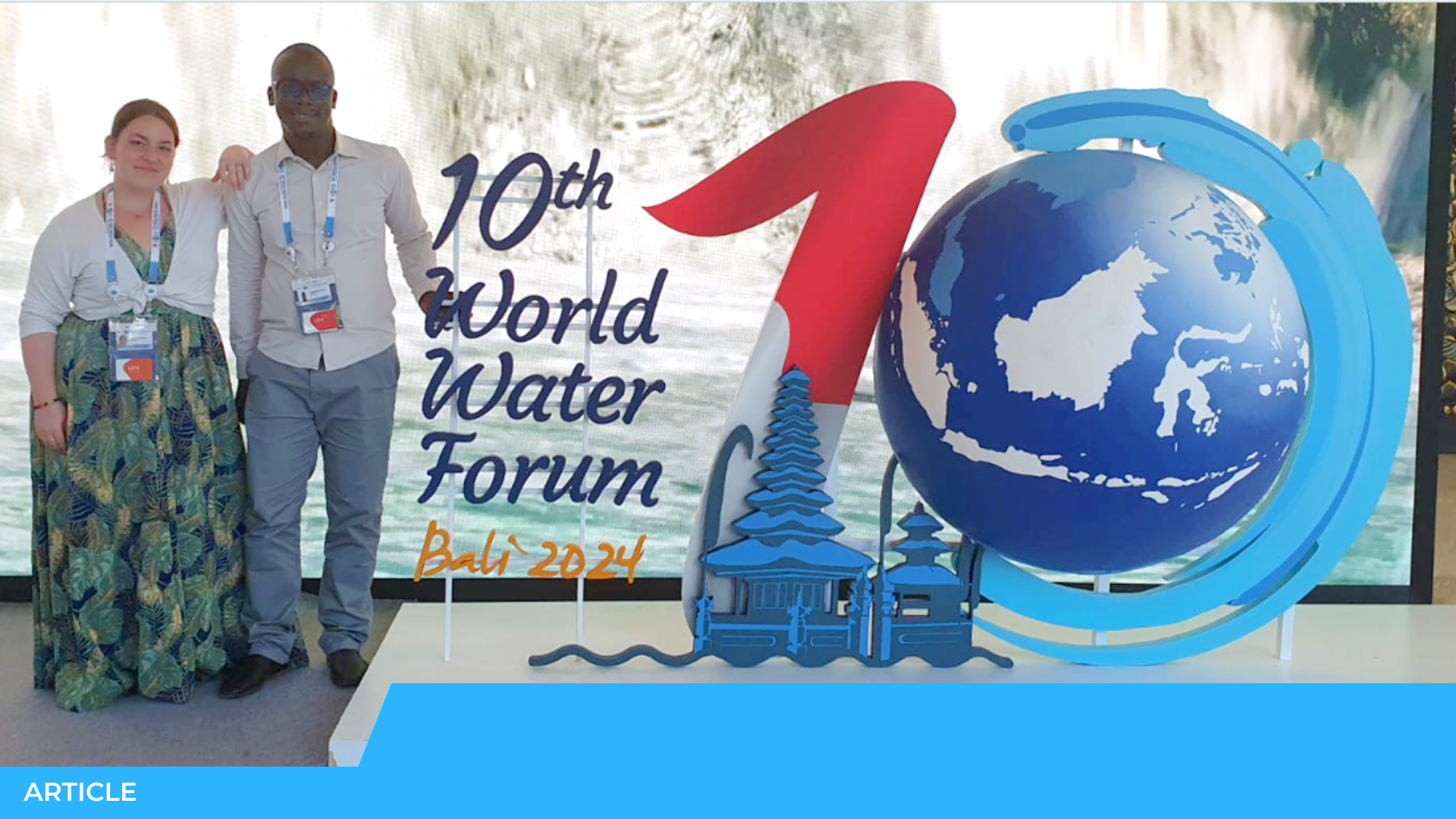
The 10th World Water Forum, held from 18 to 25 May 2024 in Bali, Indonesia, under the theme "Water for Shared Prosperity", brought together experts, policymakers, civil society representatives and other key players from around the world to discuss exactly that! LIFE took part in this event, which led to some important decisions. Tackling the complex, interconnected problems surrounding water, they cover a wide range of areas, from conserving water resources to international cooperation.
LIFE at the World Water Forum in Bali
This year, the 10th World Water Forum took place in Indonesia. This part of the world, and South Asia as a whole, has been hit hard by climate change. It has suffered many water-related natural disasters, one after another, and they are coming ever more frequently.
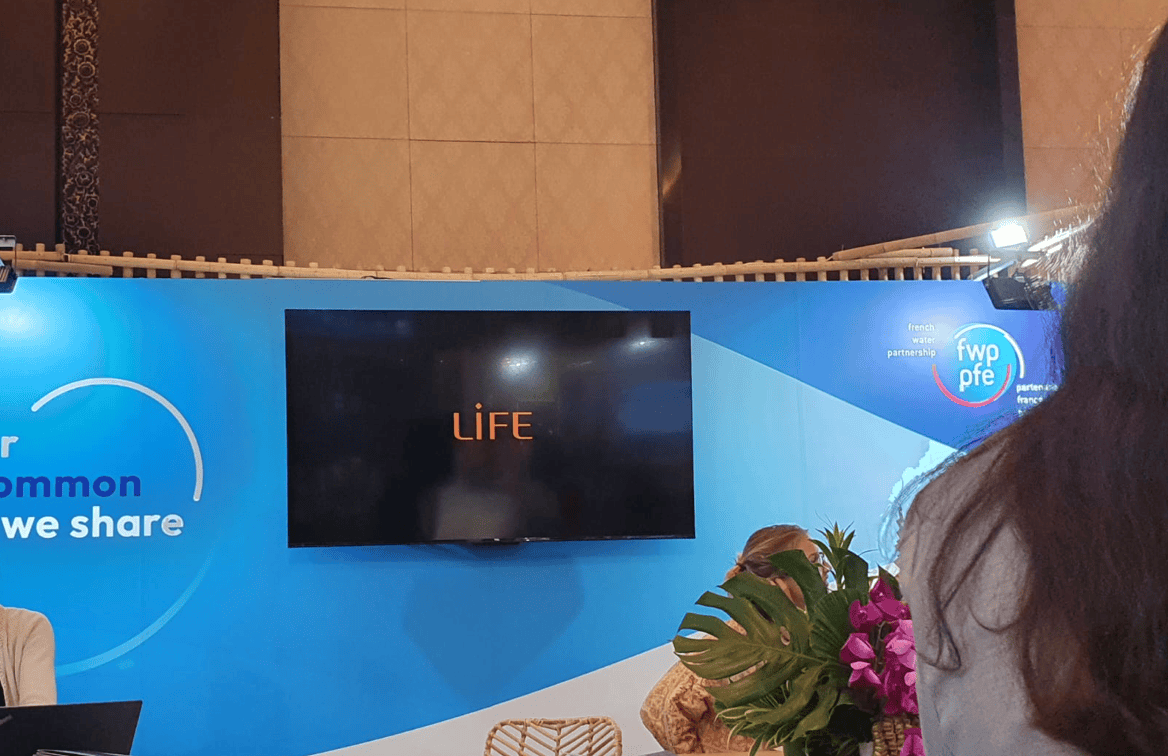
LIFE has been working in this region for many years, notably on 3 islands: Timor, Lombok and Sumatra. There we run projects specifically focused on water, as well as work to help preserve the mangroves, a remarkable natural barrier against flooding. Being at the World Water Forum gave us the chance to share our knowledge and experience, take part in the discussions at this global event and, of course, meet all our local partners.
The 9 headline decisions of the World Water Forum
1. Integrated Water Resources Management (IWRM)
One of the main decisions of the World Water Forum in Bali is to promote the conservation and sustainable use of water resources. Human needs must be met while ecosystems are protected. This means encouraging countries to adopt national policies for integrated water resources management (IWRM).
2. Building water issues into action plans
Every country must include water issues in its action plans to tackle climate change, pollution and biodiversity loss. This calls for an integrated approach that recognises the close links between water, climate and ecosystems. For example, policies and actions aimed at cutting greenhouse gas emissions, protecting catchment areas (geographical areas that collect rainwater or runoff and channel it into a river or groundwater) and encouraging sustainable industrial practices are essential to meeting this challenge.
3. Easing the pressure on water availability
It is important to ease the pressure on water availability. This can be achieved through sustainable management of water supply and demand, by diversifying water sources and by expanding sanitation. Using non-conventional water resources, such as reusing treated wastewater and harvesting rainwater, is an avenue worth developing.
4. Promoting World Lake Day
Another initiative is to promote World Lake Day, to highlight how important these ecosystems are as vital water resources. Lakes play a crucial role in regulating the water cycle, supplying fresh water and preserving biodiversity.
5. Improving access to water and sanitation
Improving access to drinking water, sanitation and hygiene services is essential for health, education and economic and social development. This requires investment in water and sanitation infrastructure, as well as in raising awareness among local communities.
LIFE has been working for many years to expand access to drinking water, sanitation and hygiene around the world. Over the last 10 years, we have built more than 2,000 wells in Africa and Asia. Thanks to them, children can go back to school and women, who once had to fetch water from sometimes very far away, can turn to income-generating activities.
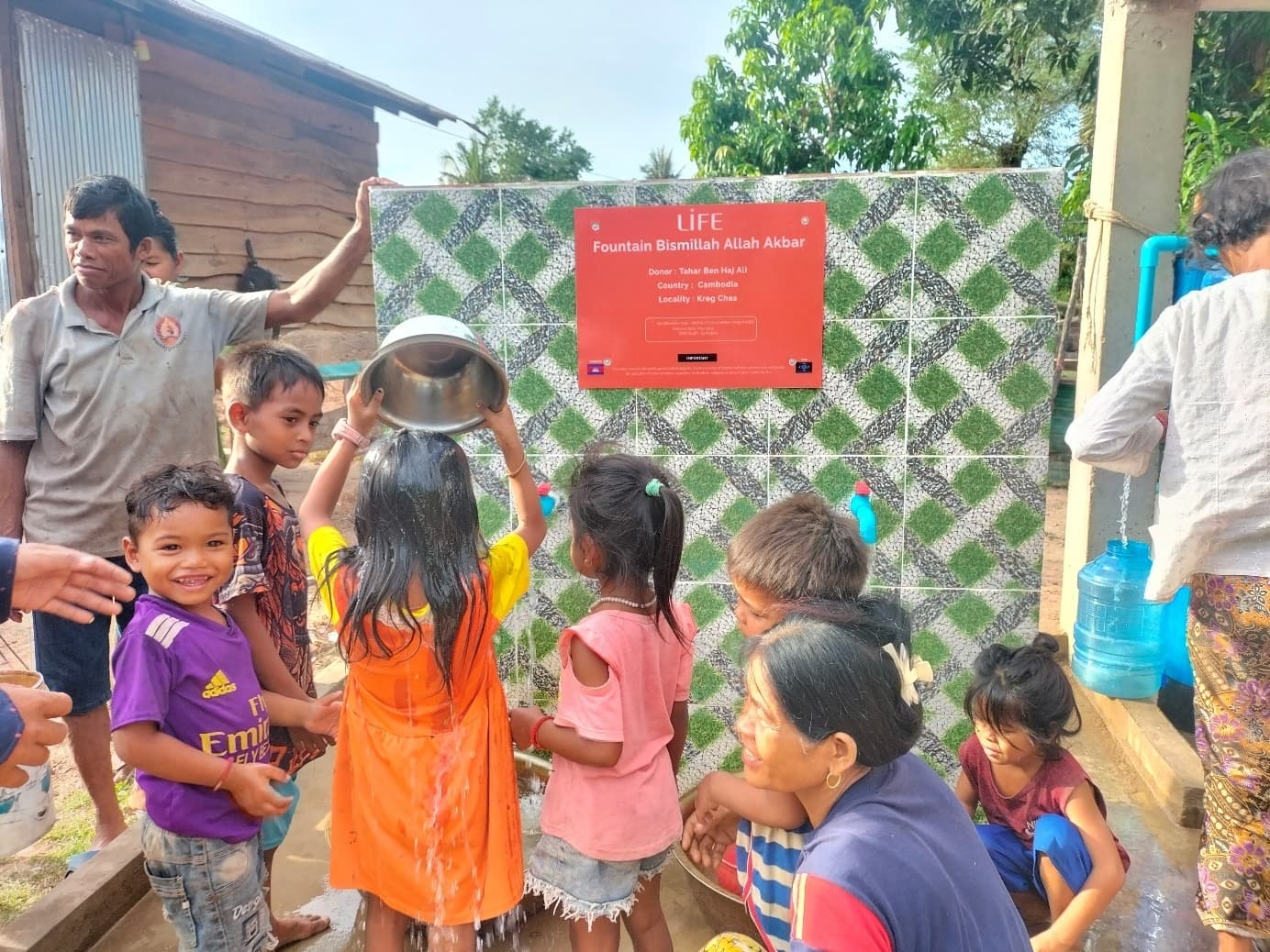
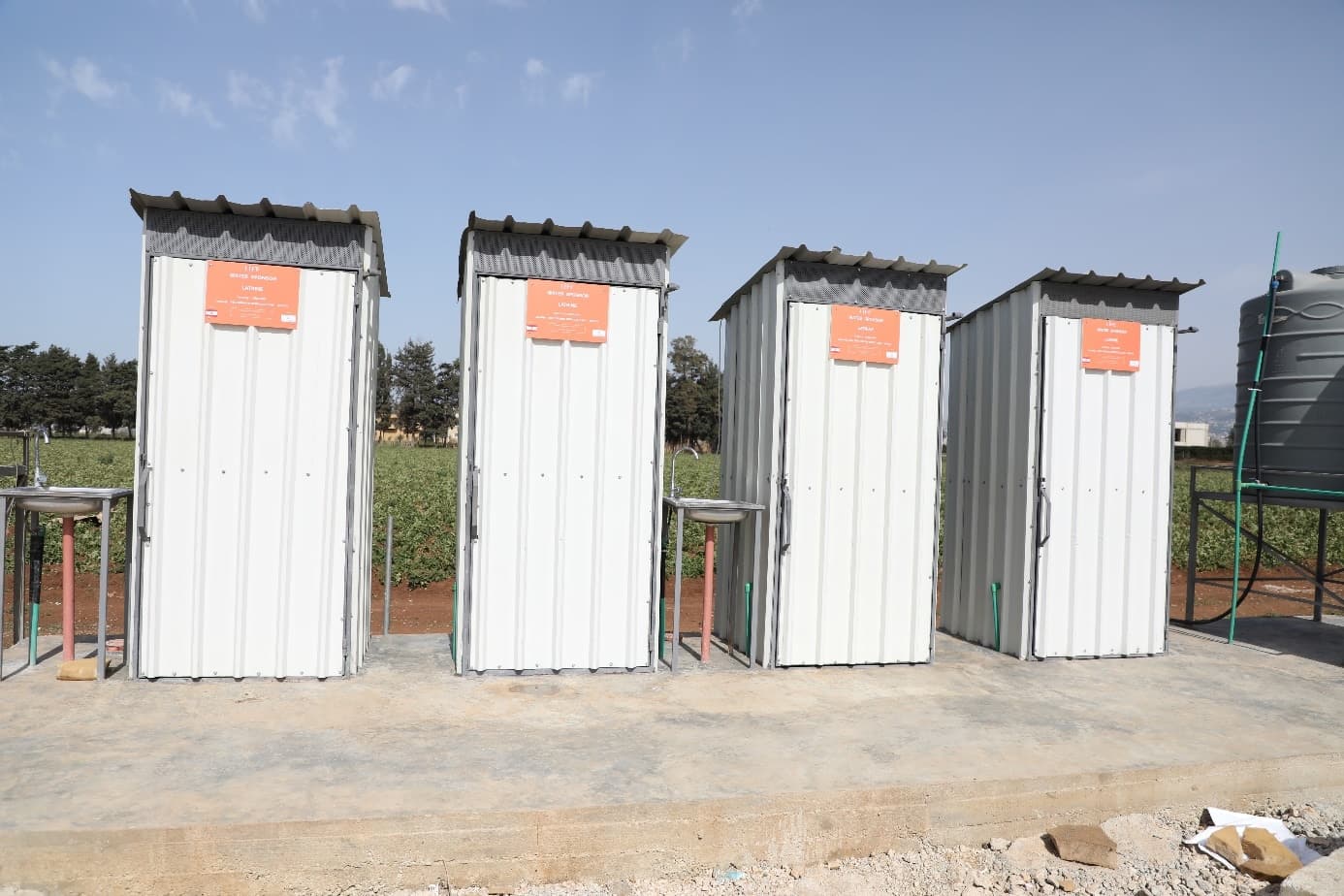
Building these wells, fountains and water towers goes hand in hand with sanitation work, especially the construction of latrines. The two are interconnected: safe drinking water prevents contamination from unsafe sources, while latrines reduce the spread of disease by keeping local surroundings from being contaminated. Developing both together is crucial to improving sanitation and health worldwide.
6. Disaster prevention and risk reduction
With natural disasters increasing as a result of climate change, it was decided to strengthen risk management measures. Water resource management plans for droughts, floods and storms will be drawn up and put into practice. They will include early warning systems, resilient infrastructure and awareness programmes for local communities.
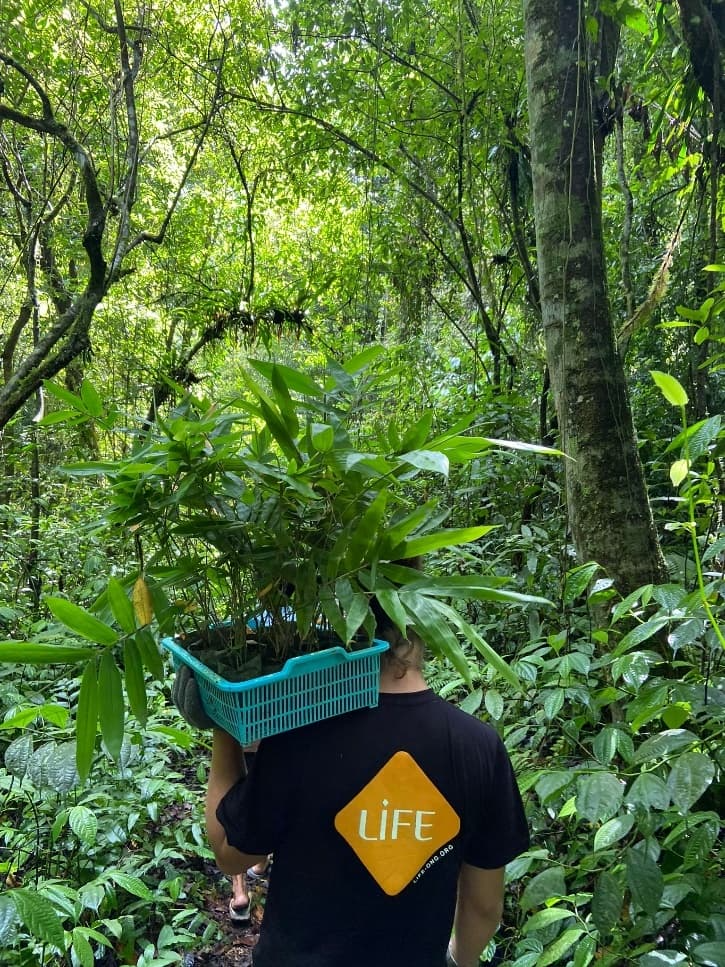
At LIFE, in all our projects, we encourage communities to protect their environment and the ecosystem that has always helped soften the impact of natural disasters. In Indonesia, for instance, in the West Tenggara region, in the village of Genggelang, we are working to bring the mangroves back to life. An ambitious reforestation project, including planting 20,000 mangroves and fruit trees, is under way. Alongside this, we are actively raising the community's awareness of how vital this ecosystem is to their environment and quality of life.
7. Encouraging cross-border cooperation
Another key initiative is to encourage cross-border cooperation in managing water resources. This means honouring international water agreements and working together to solve problems in managing shared catchment areas.
8. Education, research and innovation
The Forum also stressed the importance of education, research and innovation in the water sector. This includes promoting cooperation on capacity building and technology transfer to drive innovative, sustainable solutions in water management.
9. Creating a Centre of Excellence on Water
Finally, the Forum looked into creating a centre of excellence on water in the Asia-Pacific region. This centre would serve as a regional platform for generating knowledge, promoting the exchange of information and data, and advancing research and innovation in water management.
The World Water Forum in Bali, Indonesia, was marked by a shared awareness of the global challenges surrounding water and by the international community's determination to find sustainable solutions. The decisions taken are an important step towards fairer, more responsible management of water resources, securing a safer future for all.
Together, let's work for fairer, more equitable and more secure access to drinking water
Ready to help?
I start a fundraiser
Support the causes close to your heart by starting an online fundraiser with LIFE.
Raising funds for a charity has never been easier!