Women's rights: progress and challenges
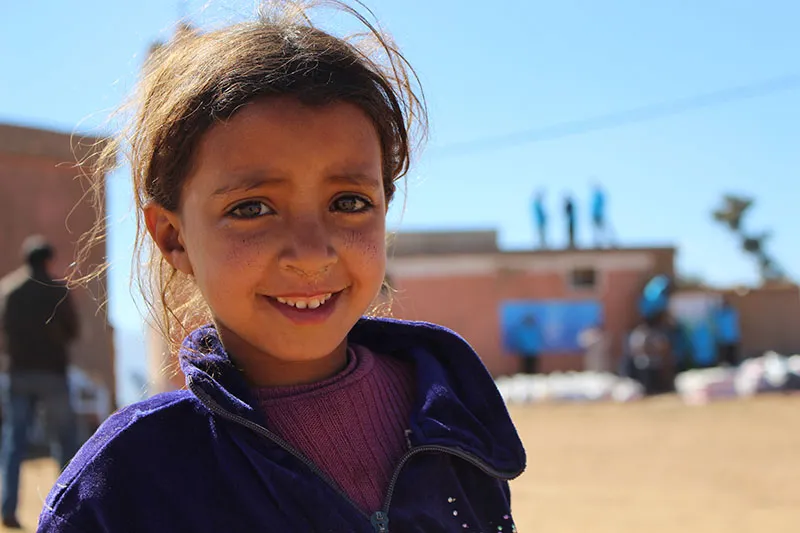
Women's rights around the world. We hear a lot about them, especially on 8 March, International Women's Day! But where do things really stand? The struggle for equality is a constant fight, and every step forward brings us closer to a fairer society, yet obstacles are never far away. And around the world, the gap in how fully these rights are realised is wide. Behind every advance lie many challenges, which should only strengthen our resolve to act and to stay vigilant. Together, we can help build a world where every woman can truly flourish.
What progress has been made on women's rights? The right to vote
Women have won the right to vote in many countries around the world, broadening their part in democratic life. This historic step lets them make their voices heard in political processes and help shape public policy. New Zealand led the way in 1919. In France, women had to wait until 1945. The most recent country to grant it was Saudi Arabia in 2015.
Access to education
Women's access to education worldwide is a cornerstone of social justice and economic progress. Undeniable advances have been made in this area.
Rising school enrolment
Over recent decades, school enrolment among girls has risen considerably in many countries. Almost everywhere, efforts have been made to remove the financial, cultural and social barriers that keep them out of education.
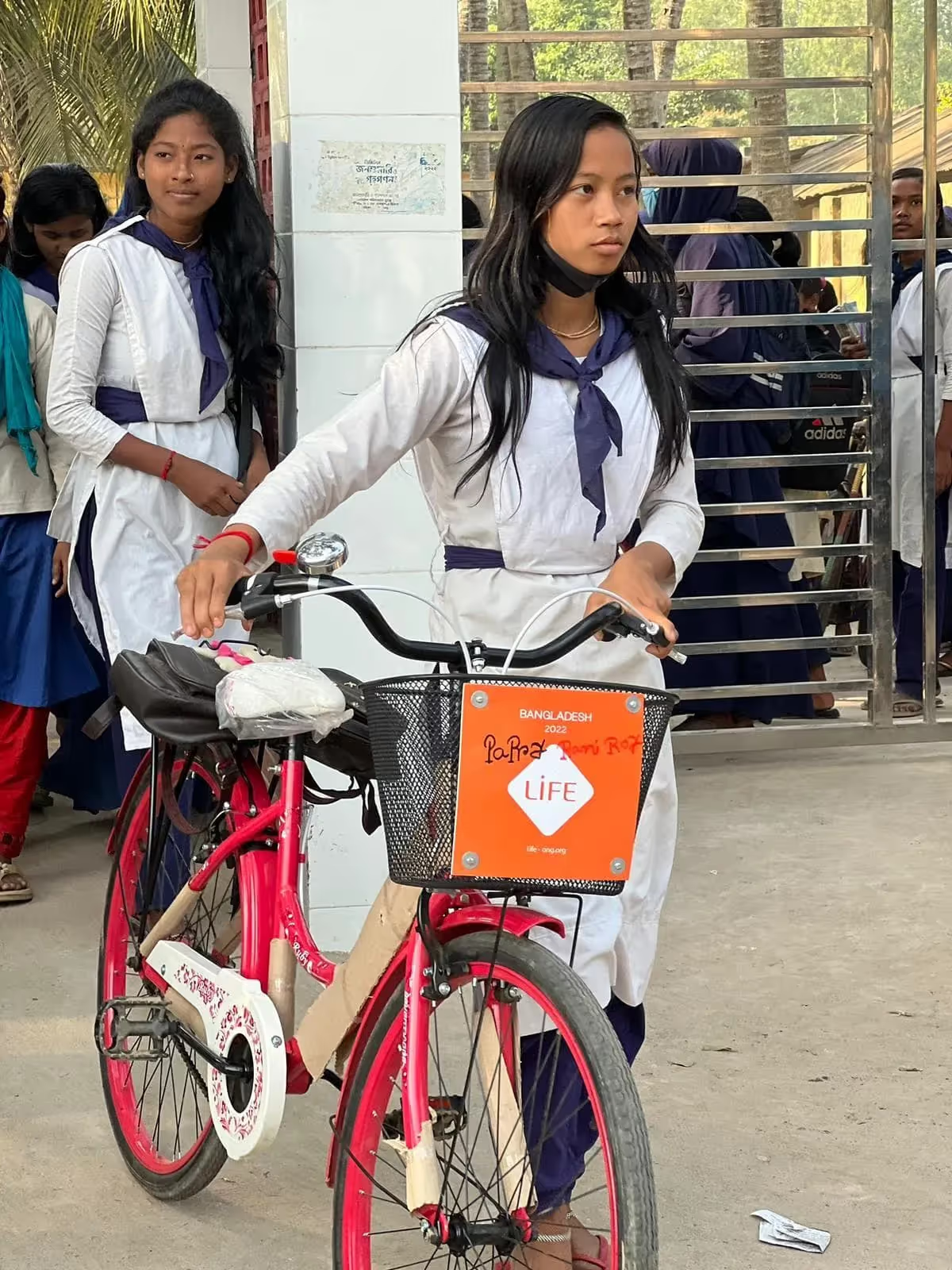
At LIFE, we work day after day to help girls and children all over the world get to school. In Bangladesh, for example, 100 bicycles were given to young girls in November 2022 so they could ride to school. Building drinking-water wells in villages also means they no longer have to walk kilometres to fetch water, a chore that usually falls to them. Thanks to these wells, more girls are going to school.
Laws supporting girls' education
Many countries have adopted laws and policies to promote girls' education and guarantee their access to school. These measures have helped narrow the gender gap in education. However, such laws can be hard to enforce, for lack of funding or of means of « pressure ».
∙ In 2004, Nigeria passed a law to guarantee free, compulsory education for girls up to secondary level.
∙ Ghana, Argentina, Indonesia and the Seychelles have adopted legal measures giving girls a legal right to free, compulsory education up to the age of 10.
Greater awareness
Awareness of the benefits of educating girls has grown almost everywhere. It is gradually changing attitudes and behaviour, encouraging families to invest in their daughters' education. Benin is one example worth noting: it has run community information campaigns on the importance of girls attending secondary school.
Women's leadership
Whether in business, politics, science, the arts, education or other sectors, women's active participation, influence and decision-making are growing ever more important.
These women inspire future generations and show that they can excel in every field, just as men can. They help promote gender equality and build a fairer, more inclusive society for all.
Sexual and reproductive rights
Progress in women's sexual and reproductive rights gives them control over their own bodies and reproduction, strengthening their autonomy. Access to quality health services ensures they can make informed decisions about their health and family life. But these rights are fragile in many countries. We must all stay vigilant so that we don't go backwards. In France, the Veil Law passed in 1975 is a landmark: it legalised abortion. Yet today, only 58 countries allow abortion without conditions!
Growing recognition of gender-based violence
Stronger action and stricter laws to tackle these forms of violence are increasingly being adopted around the world. They aim to protect women from domestic violence, sexual harassment, sex trafficking and other forms of gender-based violence. In France, the sexual harassment law was passed in 1992. In the United States, the « Violence Against Women Act » followed in 1994. In Spain, the « Ley Orgánica de Medidas de Protección Integral contra la Violencia de Género » came into being in 2004. In India, the « Protection of Women from Domestic Violence Act » was adopted in 2005. It aims to protect women from domestic violence and give them legal remedies.
Inclusion in decision-making
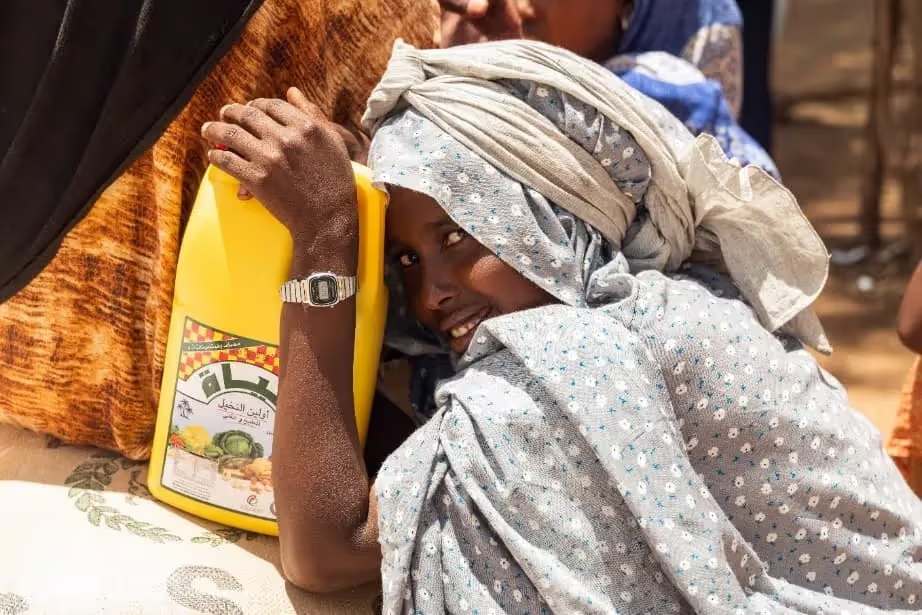
Efforts to bring women into decision-making have paid off. More and more women now hold senior positions in government bodies, on boards of directors and in other institutions.
The challenges ahead
While progress in the fight for women's rights is undeniable, there are still many battles to be fought, as well as wide disparities between countries, particularly between the Global North and South.
The pay gap
Women still face a pay gap, earning on average less than men for equivalent work. This gap persists despite progress on gender equality and limits women's financial independence.
Work-life balance
Social expectations and economic pressures can make it hard for women to balance work and family responsibilities. In the end, this keeps them from reaching their full potential in every area of their lives.
Gender stereotypes
Gender stereotypes persist in society, limiting career choices and opportunities for professional growth for many women. Traditional social expectations about their role and responsibilities continue to weigh on their personal freedom and fulfilment.
The fight for legal adulthood and the right to divorce
In far too many countries, women are still not allowed to do certain everyday things without permission from a male relative: husband, brother, father and so on. In Saudi Arabia, they cannot drive, travel or work without the approval of a male guardian. This is the case in at least 16 countries. Filing for divorce can also be extremely difficult for a woman: it may be banned outright, require the husband's permission, mean losing her rights, and more.
Gender-based violence
Violence against women remains endemic, with alarming rates of sexual harassment, domestic violence and sexual assault reported worldwide. These forms of violence threaten women's safety and restrict their freedom of movement and their part in public life. The UN estimates that 137 women are killed every day by a member of their own family. Some 200 million girls and women worldwide have undergone genital mutilation, according to UNICEF. Sadly, there is no shortage of shocking examples and figures.
Access to healthcare and social services
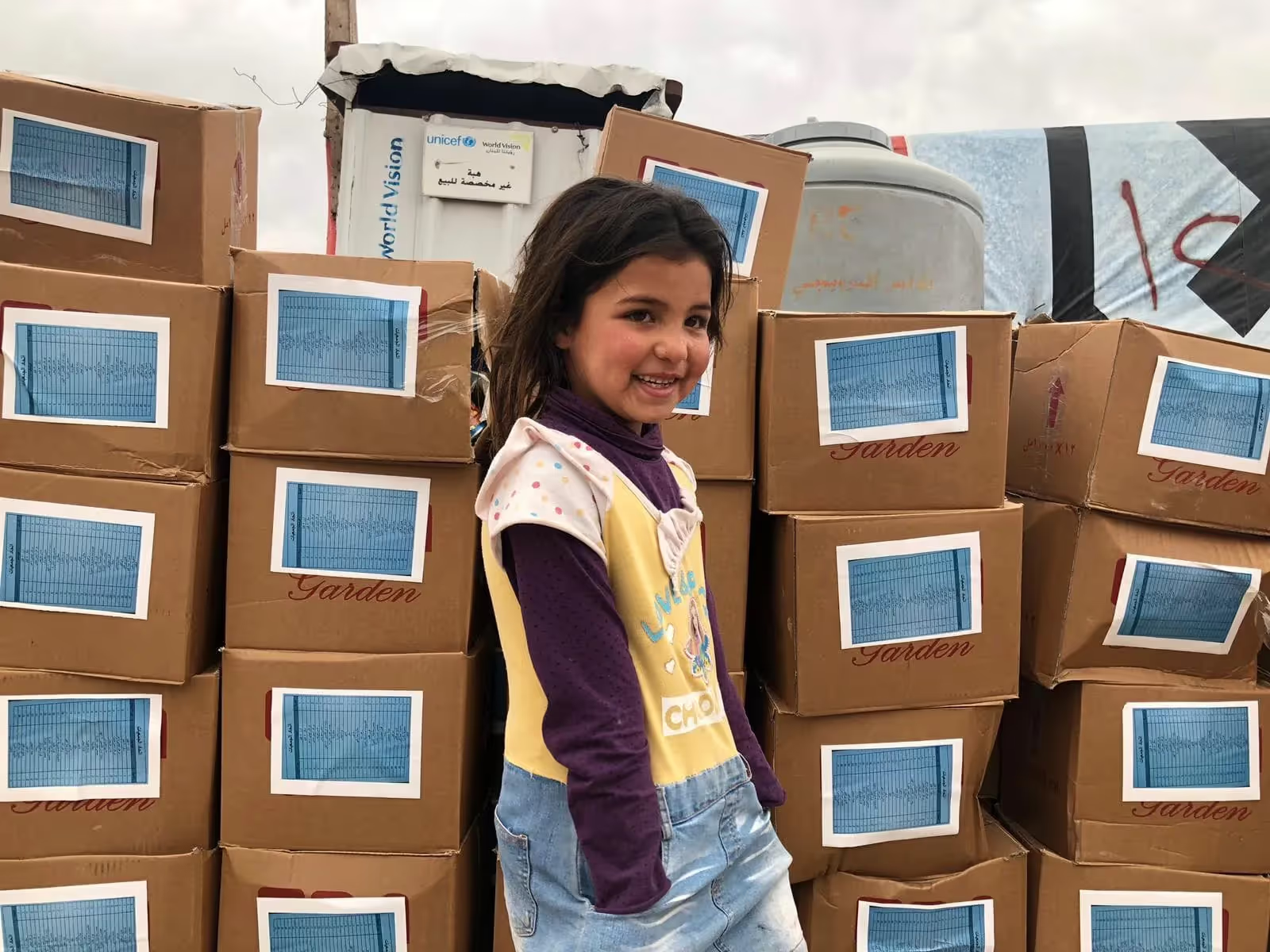
Women, especially in disadvantaged regions, still face obstacles in accessing quality health and social services. These inequalities harm their health and wellbeing, and that of their communities.
There's no denying the progress made in the fight for women's rights, but there is still a long way to go before true gender equality is achieved. These lasting challenges call for continued, concerted action from society as a whole. By working together, we can create a fairer, more equal world for all, where every woman, wherever she lives, can live freely and with dignity.
Ready to help?
I start a fundraiser
Support the causes close to your heart by starting an online fundraiser with LIFE.
Raising funds for a charity has never been easier!