Civic engagement: why does humanitarian work appeal to so many?
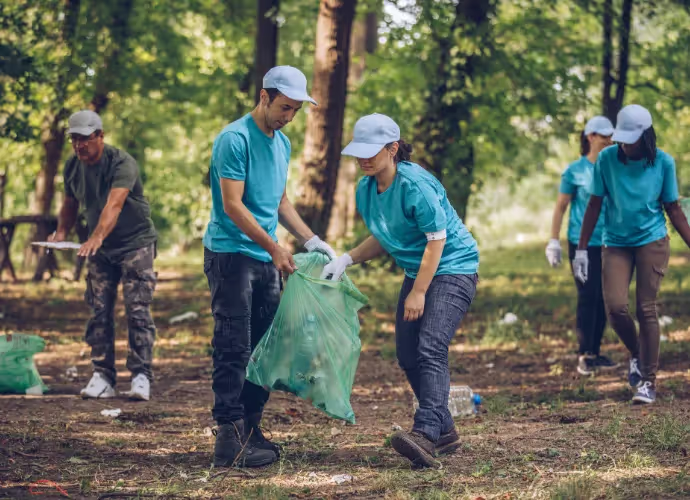
We all have the power to choose the world we want to build. What makes us angry? How would we like to help shape a better future? And how do we plan to go about it? Choosing civic engagement means refusing to give up. It means giving our time and energy to help society move forward. If you decide to take action, there are plenty of ways to do it. Trusted charities and NGOs can offer you a framework for action. Humanitarian causes are especially popular right now. Why? What motivates this commitment, and what are its psychological, social and ethical sides?
What is civic engagement?
Civic engagement isn't just about civil rights and politics. It's about far more than the ballot box! There are many other ways to influence decisions and help bring about change. You can stand up for your ideas and join forces with other motivated citizens who share your convictions, to build a better future together! And you're acting not only for yourself, but for others too. Because yes, civic engagement is never a solo effort. It's together that we make our voices heard!
And there are a thousand and one ways to get involved. You can do it through volunteering (bénévolat), formal volunteer schemes, paid work, civic service, and also by giving. There are countless causes. But humanitarian action, which aims to help vulnerable groups peacefully and without discrimination, is drawing more and more people who want to get involved. Why such enthusiasm?
The urge to show solidarity
Compassion and empathy are deeply rooted in human nature. As social beings, we are emotionally connected to one another, and seeing others suffer naturally stirs a desire to stand with them. Humanitarian civic engagement turns that compassion into practical action. It gives us a way to express our concern for the wellbeing of humanity as a whole. According to the barometer of civic and community engagement published in September 2023 by OpinionWay and Helloasso, 48% of French people take part in a charity or group activity. 10% of them do so in social, humanitarian and charitable work. One of the most popular causes is the environment.
Growing awareness of inequality
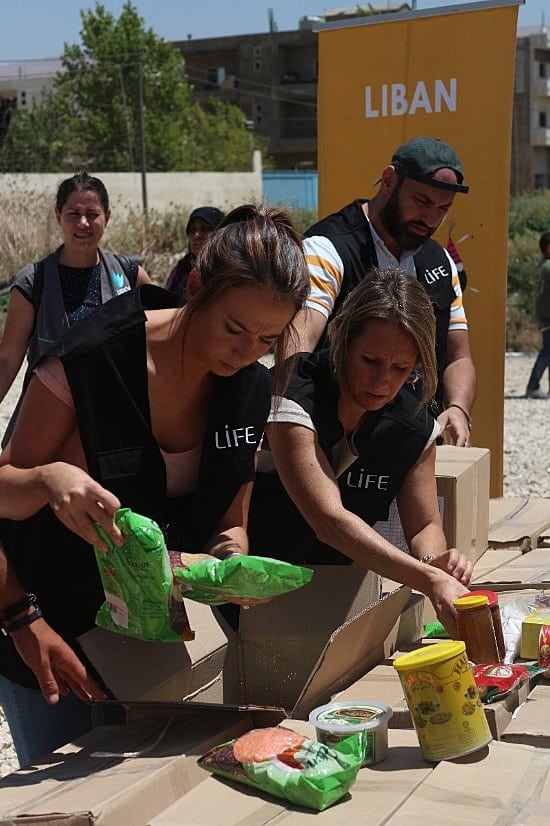
Inequality is growing around the world. Economic inequality, unequal exposure to resource shortages and environmental damage, discrimination of every kind, and more. Becoming aware of these injustices, and wanting to help build a fairer, more equitable world, leads many people to get involved in humanitarian action. For them, it is a way of putting their ethical values into practice.
Answering the call of international solidarity
The world is more connected than ever. Natural disasters, armed conflicts, pandemics: all the problems humanity faces cross national borders. Humanitarian charities and NGOs play a crucial role in raising public awareness of humanitarian issues by keeping people informed. They help create a sense of global solidarity. They inspire people to get involved and give them a chance to contribute to global causes.
A path to personal growth
Finding meaning in life, achieving personal fulfilment, becoming more open-minded, broadening your horizons. These goals have become increasingly important in recent years, and especially so since the COVID-19 pandemic. Volunteering or giving to a humanitarian charity brings real rewards. Giving of yourself, your time and your energy to improve other people's lives brings a sense of achievement and personal satisfaction. What's more, humanitarian civic engagement often involves developing practical skills: project management, teamwork, cross-cultural communication and so on. These prove useful in every part of personal and working life. And the icing on the cake: they look great on a CV and are highly valued by recruiters.
Civic engagement among younger generations
The need for a meaningful life is especially strong among young people. Thanks to unprecedented access to information, they are also acutely aware of global issues. In France in 2021, 64% of 18 to 30-year-olds said they volunteered with a charity or other organisation, compared with 51% in 2019. Unlike older people, young people were not put off by the pandemic. Their appetite for collective action makes them a truly committed generation.
Some examples of humanitarian civic engagement
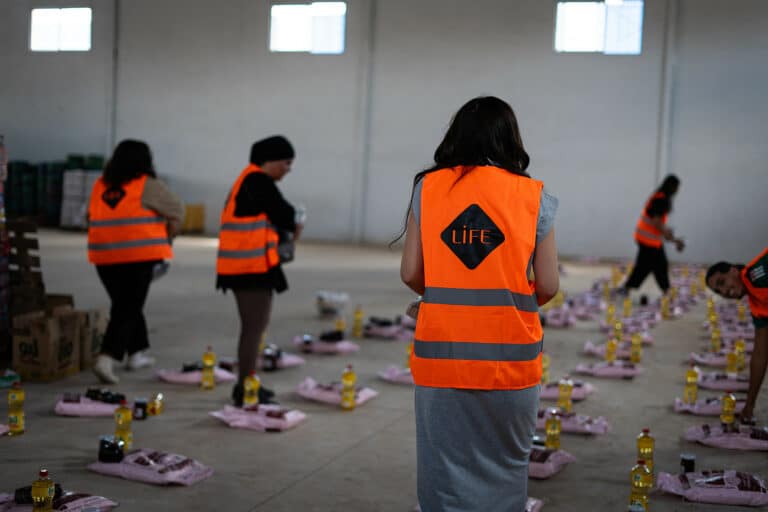
There are many ways to get involved in humanitarian action: in the field, remotely, financially or by raising awareness of the issues. Every one of them helps build a better future.
Volunteering in the field
People can volunteer with local or international charities and humanitarian organisations. Food distribution, helping to build wells, medical missions, reforestation programmes: there are plenty of causes to choose from.
Becoming a donor – a Lifechanger
If you don't feel ready to go out into the field, you can still make a real difference by supporting a charity with a donation that can change lives. Choosing a trustworthy organisation means you can be confident that every euro you give is put to good use.
Raising awareness
Raising awareness of humanitarian issues among the people around you, by sharing information or organising talks and educational workshops, is a vital form of civic engagement that can change lives. Social media, so easy to use for spreading the word, is especially powerful.
Psychosocial support
Anyone with the right skills, whether health professionals or trained members of the public, can offer psychosocial support to victims of humanitarian crises such as refugees, survivors of natural disasters and others.
Developing sustainable projects
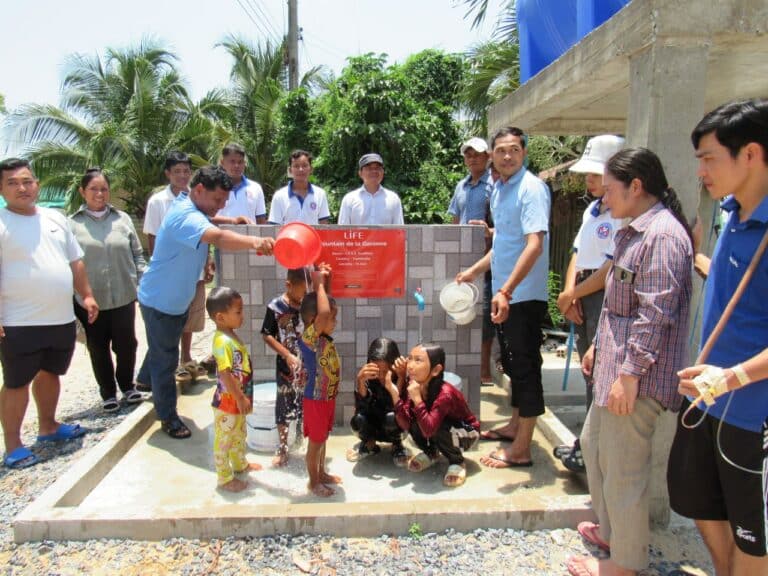
Taking part in sustainable development initiatives aims to improve the long-term living conditions of people affected by humanitarian crises. These can be clean water projects, such as drilling boreholes or building wells, or building schools, reforestation and more.
At LIFE, as a development NGO, we are actively involved in humanitarian projects such as building clean water wells in communities across Africa and Asia. Our Sapousse programme plants forests of « economic » trees. They help restore the ecosystem while providing essential resources (food, sustainable materials and more) to local people. Sapousse also sets up sustainable environmental projects such as green entrepreneurship, agroforestry, livestock farming, training and distribution of farming equipment, and aquaculture. Together with you, we want to create a world where every person can enjoy a dignified and fulfilling life.
Humanitarian civic engagement is not simply a one-off response to a crisis or an occasional act of generosity. It is a powerful affirmation of our shared humanity, a common quest for a world where compassion knows no borders. It is the conviction that we have the power to transform the world.
Join us, and together let's shape a future where human solidarity is a reality!
Ready to help?
I start a fundraiser
Support the causes close to your heart by starting an online fundraiser with LIFE.
Raising funds for a charity has never been easier!