School dropout in Africa: what are the solutions?
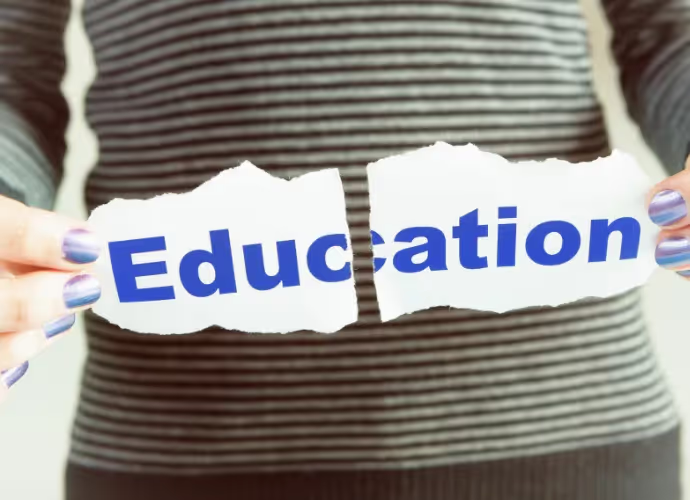
Education is a fundamental human right. According to UNICEF, on school days more than a billion children around the world set off for their school. But not every child has that chance, particularly on the African continent. School dropout is a major challenge affecting millions of young people in Africa. It jeopardises their future and the development of an entire continent. Faced with this alarming reality, we must commit to tackling school dropout so that everyone can have a quality education. What are the root causes of school dropout in Africa, and what are its devastating consequences? And what solutions can turn this worrying tide?
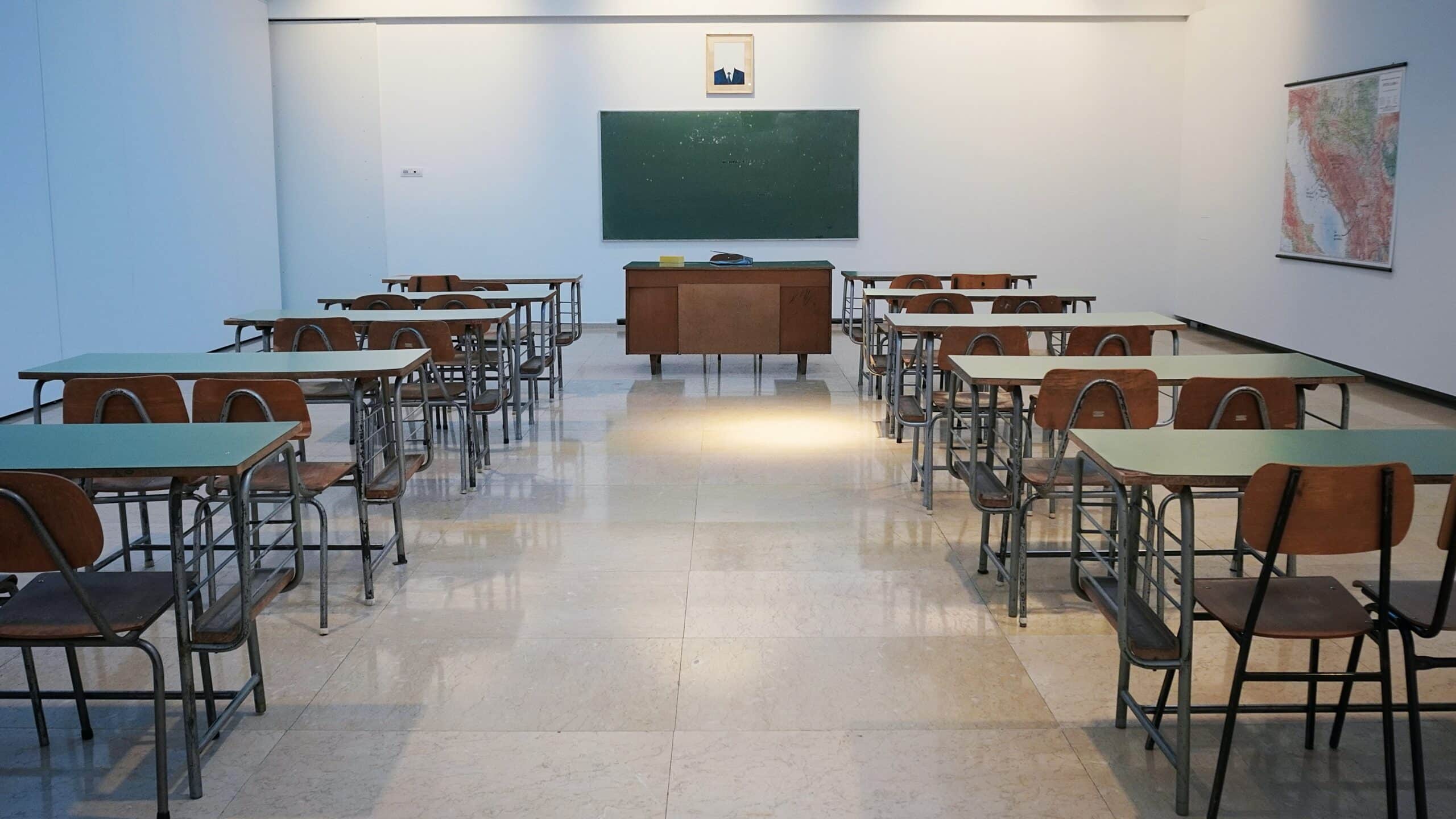
The causes of school dropout in Africa
Poverty is one of the main causes of school dropout in Africa. Low-income families face considerable financial hardship, which makes meeting their children's basic needs difficult, if not impossible. In many cases, these families are trapped in a cycle of persistent poverty, with generation after generation unable to escape their precarious situation. Sending a child to school demands great sacrifices that not every parent can afford. They simply don't have the money to give their children what they need to study in the best conditions. In the world's poorest regions, millions of children go to school empty-handed, because buying school supplies is a significant expense. Without the right materials, they cannot receive a quality education.
Africa holds a sad record: the highest number of child labourers. According to the International Labour Organization, almost 41% of children on the continent are involved in economic activity. Children are often forced to work from a very young age to contribute to the family income. Millions also have to help with household chores – fetching water every day, for example, or working in the fields. Some also take jobs to help support their families.
These financial obstacles are made worse by a lack of adequate school infrastructure. In particular, there are no school canteens to provide regular meals and no transport to make getting to school easier. In rural areas, for example, pupils have to walk kilometres every day to reach school, which leads them to drop out.
The consequences of school dropout in Africa
School dropout in Africa perpetuates a vicious cycle of poverty, with far-reaching effects on society and the economy. Without a proper education, these young people face insecure, poorly paid job prospects that keep them trapped in persistent poverty.
This social exclusion also leads to a range of social problems. Young people who drop out are more likely to feel marginalised, to suffer discrimination and to become potential targets of violence. They are also more prone to risky activities such as crime, drug abuse or illegal trafficking. This puts them in greater danger and keeps them vulnerable. There are no fewer than 300,000 child soldiers around the world, and the vast majority of them are on the African continent, for example in the Sahel.
Beyond the consequences for individuals, school dropout has a significant impact on the socio-economic development of African countries. Low school completion rates lead to a shortage of skilled human capital, which is vital for economic growth and innovation. Countries that fail to provide quality education for their people risk being left on the margins of the global economy and falling behind in competitiveness.
Solutions to turn the tide
To break the cycle of school dropout, it is essential to introduce measures that ease the financial pressures on low-income families. This might mean providing scholarships or financial aid to cover school fees and education-related costs. Microfinance programmes can also be set up to give parents access to additional funds and help them develop sustainable income-generating activities. Other initiatives exist too.
So that every child can get a quality education and build their future, we give pupils school kits. Each one contains a school bag, a pencil case, exercise books, pens, felt-tips, a ruler, a rubber and more – everything they need for a whole school year!
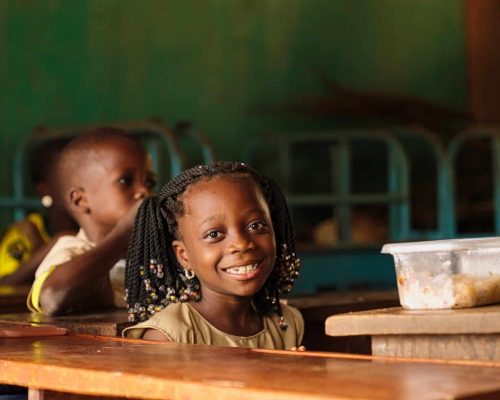
We also set up canteens in schools to give every child a full, balanced meal. Now children come to school knowing they won't go hungry, and can focus fully on their studies. For most of them, this is their only meal of the day. Our experience in Togo is a striking example of the positive impact of these school canteens. In just one year, the pass rate for the Certificat d'Etudes leapt from 38% to 100%! Beyond these encouraging results, school canteens also boost the local economy by supporting local farmers and creating jobs within communities.
Helping every child get to school increases their chances of escaping poverty for good. It gives them hope of a better future.
Why not change a child's life by giving them the chance to go to school?
Ready to help?
I start a fundraiser
Support the causes close to your heart by starting an online fundraiser with LIFE.
Raising funds for a charity has never been easier!