Refugee camps: causes, consequences and solutions
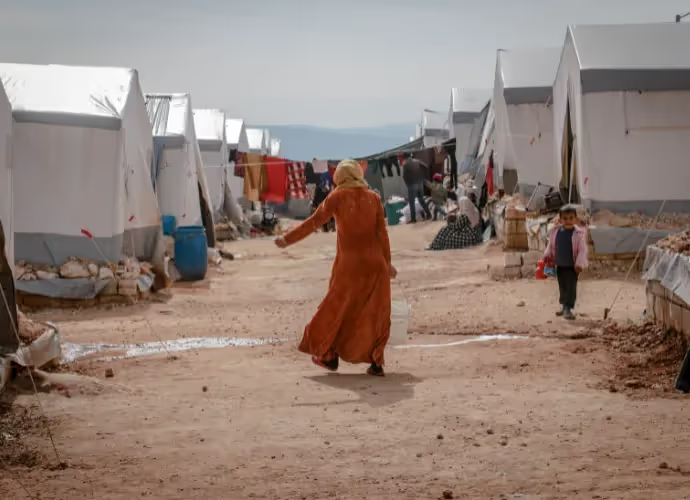
The refugee camp crisis is a profound human tragedy that reaches far beyond borders. At the end of 2022, the United Nations High Commissioner for Refugees (UNHCR) estimated that 108.4 million people worldwide had been forcibly displaced, including refugees, asylum seekers and internally displaced people. Behind this staggering figure are shattered lives and courageous people searching for a better future. Yet, complex as this reality is, hope is not lost.
The causes of the refugee camp crisis
To understand the refugee crisis, we need to look closely at its root causes. Several factors contribute to it, including:
1- Armed conflict
Many countries around the world are gripped by devastating wars. Civilians find themselves trapped in the fighting, forced to flee violence and insecurity. The Sahel region illustrates this grim reality. Violence by armed groups is driving people from their homes on a massive scale. Combined with the effects of global warming, it has forced families to leave behind their homes, their livestock and their livelihoods. The Sahel has nearly 5 million displaced people.
2- Persecution
Persecution based on religion, ethnic origin, membership of a social group or political opinion is a major factor driving many people to leave their home countries.
3- Natural disasters
Extreme weather events such as hurricanes, floods and droughts force millions of people to flee. Bangladesh is one of the countries hardest hit by global warming, which is causing mass displacement of its population. By 2050, it could lose up to 20% of its land to rising sea levels.
4- Poverty and political and/or economic instability
Regions affected by poverty and by economic and political instability often see mass displacement. People flee in search of a better life and economic prospects.
The consequences for refugees
Life as a refugee means facing enormous challenges. It is a struggle to survive.
1- A life of hardship
Refugees are often forced to live in precarious conditions, in overcrowded and unsanitary camps. Families may have to live in makeshift shelters, exposed to the elements and to extreme weather.
Access to medical care is also limited, leaving them more vulnerable to disease and infection.
Their access to food is limited too. Many families do not have enough to eat.
Safe drinking water is essential for survival, yet many refugees have no access to a clean water source. They have no choice but to drink contaminated water, putting themselves at risk of potentially deadly waterborne diseases.
2- Vulnerability to violence and exploitation
Refugees, especially women and children, often face a heightened risk of violence and exploitation. In overcrowded camps, a lack of security can create an environment in which abuse thrives. Sexual exploitation, forced labour and human trafficking are threats that weigh heavily on refugees.
3- The trauma they endure
Whole families leave their home countries, abandoning everything they know and cherish. They are thrown into the unknown, facing uncertainty. Fleeing and surviving in hostile conditions often leaves deep mental scars. Refugees go through traumatic experiences, and post-traumatic stress and other mental health problems are common.
The consequences for host countries
The refugee crisis has many consequences, affecting both refugees themselves and the countries that take them in.
1- Managing pressure on resources
Countries hosting refugees often face considerable pressure on their resources. The sudden arrival of large numbers of people requires efforts to provide shelter, food, water, healthcare and education. These extra responsibilities can strain national infrastructure and budgets.
2- Social and political challenges
Refugees bring with them diverse cultures and customs, which can create integration challenges and sometimes social tensions. Debates on immigration and refugees can become sensitive political issues. Governments must handle these challenges carefully to ensure smooth integration.
3- The economic impact
The economic impact of hosting refugees depends on several factors, including their level of education, their skills and job opportunities in the host country. In some cases, refugees can contribute to the local economy by bringing new skills and an available workforce.
Taking action to change lives
Although the refugee crisis is a complex challenge, there are solutions to improve refugees' living conditions. Whether as governments, NGOs or individual citizens, we all have a vital role to play in changing lives and building a brighter future for refugees.
1- International cooperation
Nations around the world must work together to find concrete, lasting solutions. Cooperation is crucial to saving lives. Governments can strengthen legal protection for refugees by guaranteeing access to fair asylum procedures and tackling discrimination. Proper legal support can make all the difference for those seeking refuge. Refugees often have valuable skills and talents to offer, and economic integration programmes can help them find work and make a positive contribution to their host society.
Access to education is also essential. It enables refugees to rebuild their lives and gain the skills they need to contribute to the development of their host country.
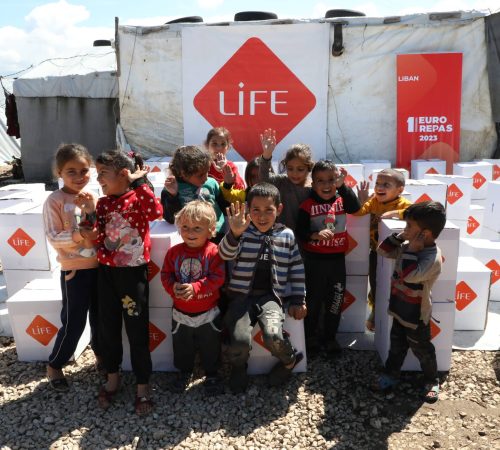
NGOs also play a crucial role in providing food, safe drinking water, shelter and healthcare. LIFE regularly supports these communities, notably through our €1 = 1 meal programme. We distribute food parcels to bring joy and comfort, for example in Somali and Lebanese refugee camps.
2- Citizen engagement
Educating people around the world about the reality of refugees' lives and living conditions can help fight prejudice and stereotypes. Raising awareness is a crucial first step towards empathy and support.
Many people choose to get involved as volunteers with organisations working with refugees. Fundraising for humanitarian initiatives can also provide invaluable help. Citizens can also press their political representatives to back fairer immigration policies and to promote refugees' rights at national and international level.
The refugee camp crisis remains one of the most pressing challenges of our time. Yet there are solutions that can make a real difference to the lives of those who need it most. Join us! Together, we can act to change lives and help build a world where solidarity and empathy prevail.
Ready to help?
I start a fundraiser
Support the causes close to your heart by starting an online fundraiser with LIFE.
Raising funds for a charity has never been easier!