The challenges of reforestation, with microbiologist Robin Duponnois
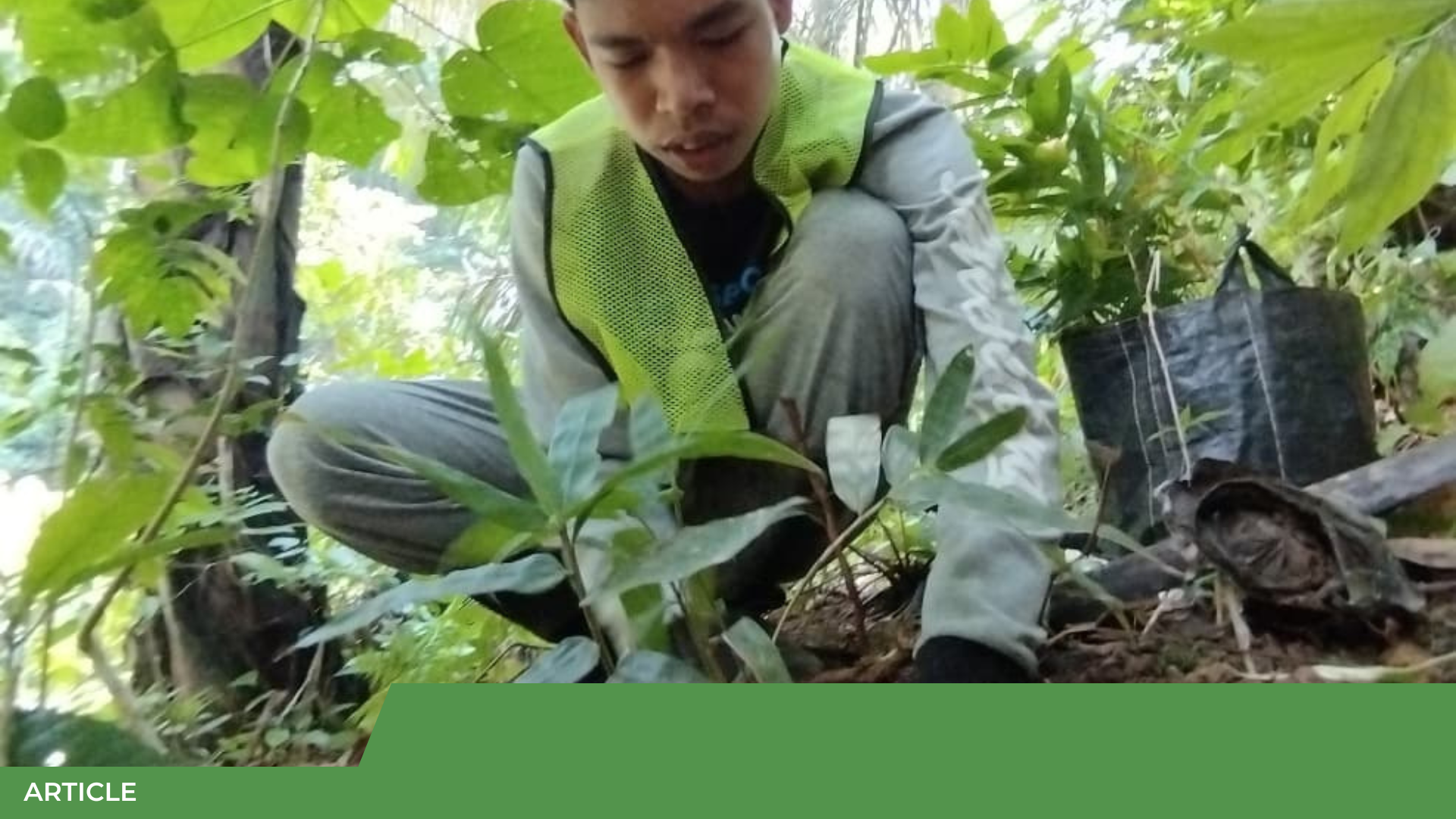
To close our series of interviews on reforestation, we contacted Robin Duponnois, who kindly agreed to answer our questions.
Robin Duponnois is a microbiologist and research director at the French National Research Institute for Sustainable Development (IRD). He leads the 'Symbioses and Ecosystem Resilience' team at the Laboratory of Tropical and Mediterranean Symbioses in Montpellier. He is the author of 'Des champignons symbiotiques contre la désertification' (Symbiotic fungi against desertification), published by IRD, and contributed to the collective work 'La Grande muraille verte' (The Great Green Wall).
1. How important are reforestation programmes, and what challenges do they address?
- There's the environmental side: trees themselves provide lasting protection for soil quality and health. They protect soil against water and wind erosion. They also encourage nutrient flows that benefit soil fertility and the plant cover beneath them. What's more, they capture CO2 and so help to mitigate climate change.
Trees are highly resistant to all kinds of climate hazards. During heavy rain, for example, they limit the stripping of the soil surface, the most fertile layer, and so prevent the soil from becoming impoverished. Forests provide a degree of resistance to these physical movements.
Trees and reforestation help to safeguard the planet's soil surface and to tackle the challenges linked to urbanisation.
- Trees are also a resource for biomass and non-timber products (mushrooms, oil-producing shrubs, etc.). They also provide countless ecosystem services.
and in terms of biomass resources,
- Trees are also part of our cultural heritage.
2. What strategies help a reforestation project succeed?
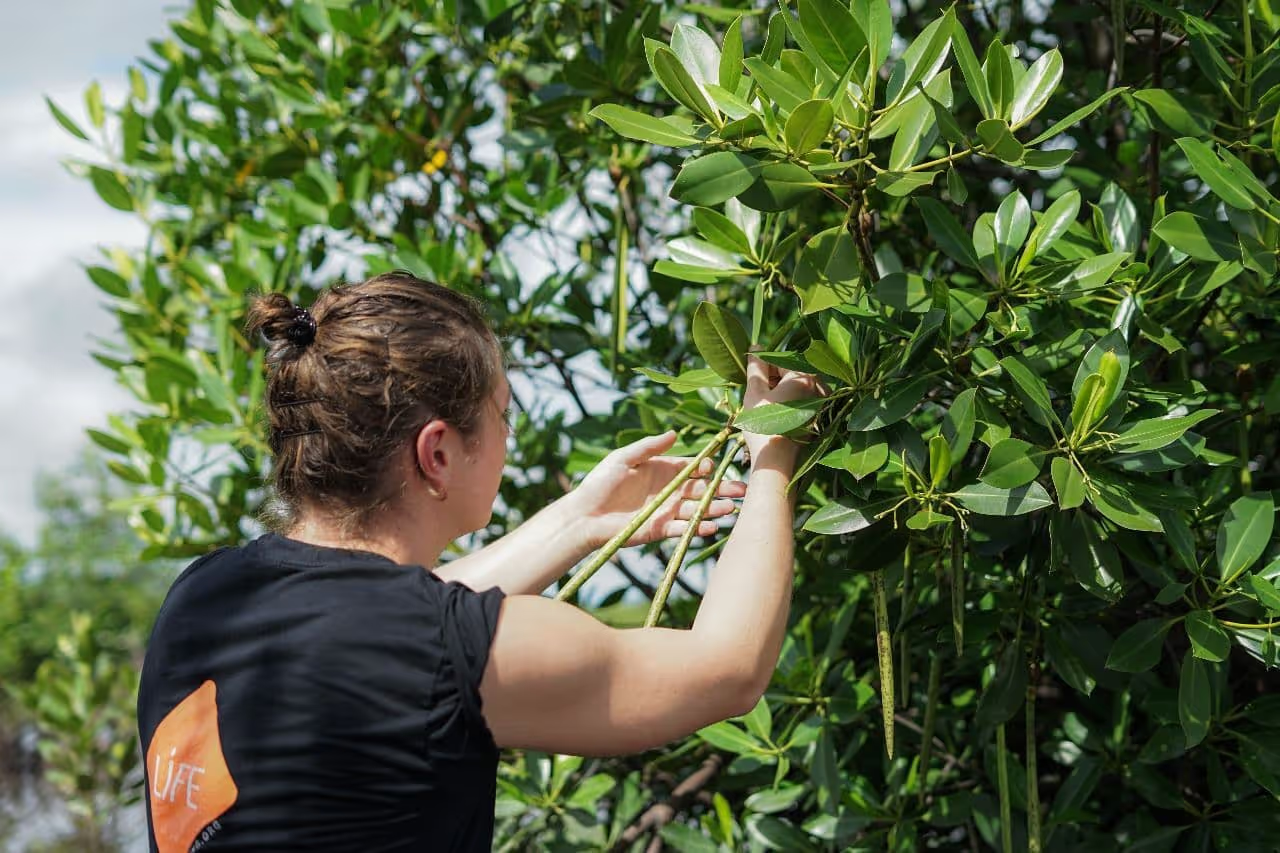
First of all, you have to take into account the initial state of the target area. If the soil is bare, you plant. If you have an old, somewhat degraded forest, you can use what has survived as a source of organic matter and of micro-organisms that will help the young regrowth. This is what's known as farmer-managed natural regeneration, or FMNR. This method supports the natural process by which young forest trees grow back.
3. Should reforestation projects use native species?
Native species are often slow-growing and have therefore been largely overlooked (I'm speaking about the African continent). On the other hand, they are very resistant to local environmental conditions. They have come back into favour, particularly with the planting of the Great Green Wall in Africa. Gum arabic acacia (Acacia senegal) and the desert date, for example, were preferred there.
4. Why isn't mass tree planting the ideal way to fight climate change?
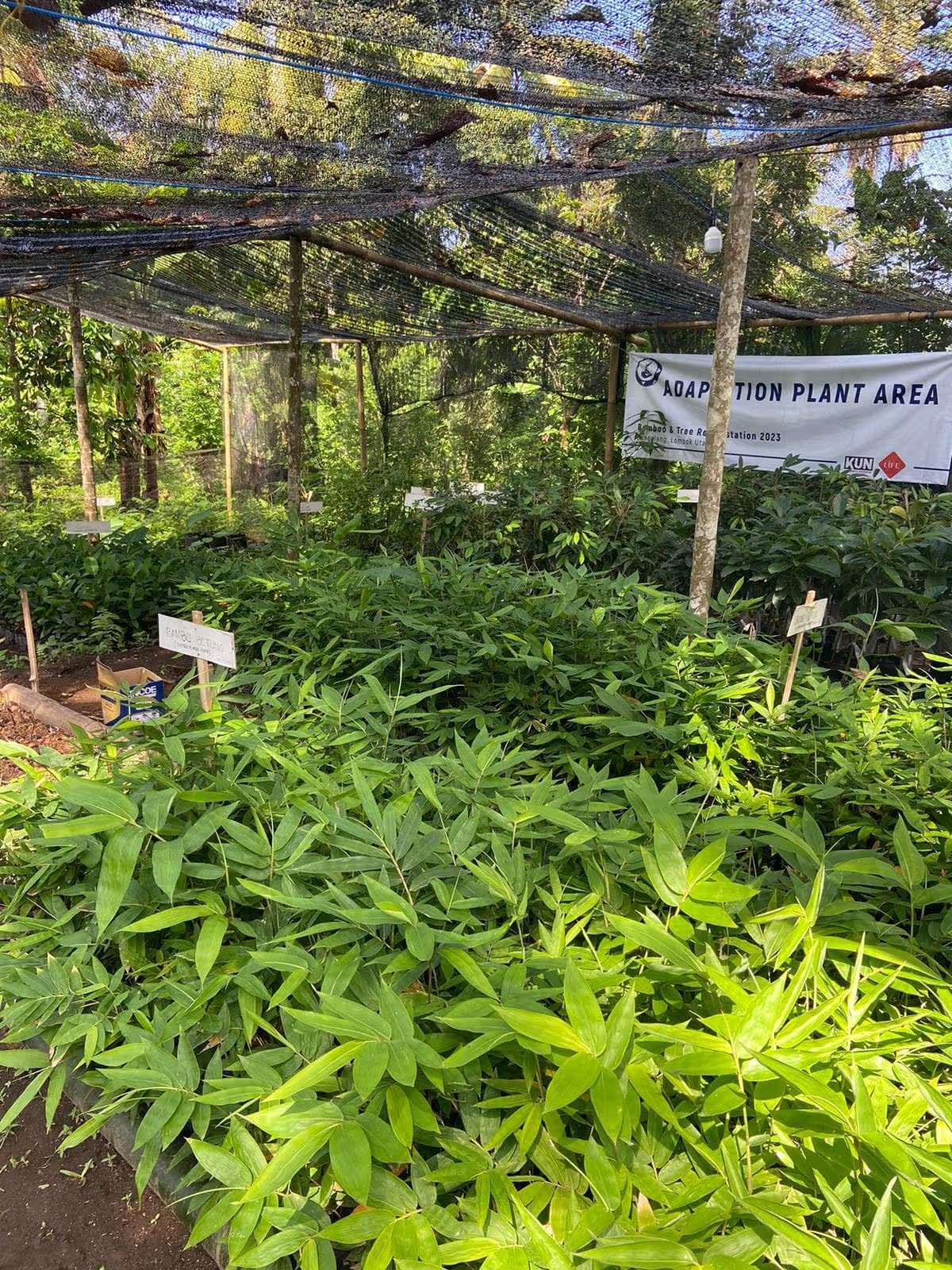
Tree monoculture is bad practice. There are plenty of examples that prove it, notably in the second half of the 20th century with the creation of green belts and green barriers. These were planted with a single species, often carefully selected strains chosen for very fast growth, or exotic trees. Things can quickly turn disastrous if a pathogen takes hold. The plantation doesn't survive, as with Algeria's great green barrier, which relied on a monoculture of Aleppo pine in the 1970s. It's better to opt for mixed-species planting with complementary species. For example, broadleaf trees can be paired with leguminous trees that act as natural fertilisers.
5. How do local communities influence the sustainability of reforestation projects, and how can they be involved?
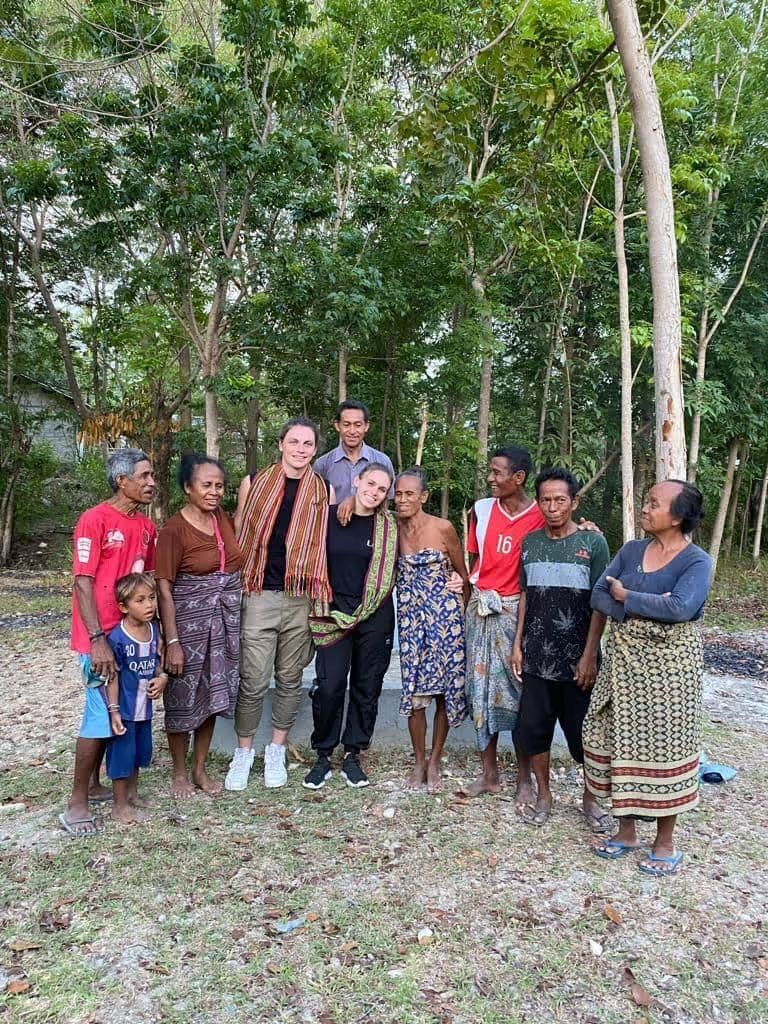
Local communities need to understand the value of preserving trees, especially in terms of what the trees can produce for them and the income they can bring.
Ideally, you give people seedlings which, in return, they must protect and look after. A common problem is the conflict between forest plantation managers and livestock farmers. In Morocco, for example, goats graze on young argan shoots… Fencing off plantations doesn't work. To get results, people need to see the financial benefit. The environmental argument carries little weight. Here, for them, it will be selling argan!
5. What lessons can be learnt from the failures or difficulties encountered in reforestation projects, and how can they shape future strategies?
The failures themselves are now understood, notably the problem of single-species plantations (commercial plantations aside). In China, the Great Green Wall, the largest man-made forest plantation in the world, has also found a way through. It brings together a whole range of activities, such as ecotourism. It has become a showcase for innovation, for careful irrigation, and for what makes a plantation sustainable and more stable.
Under no circumstances should you choose fast-growing exotic species (acacia, eucalyptus) or opt for monoculture. You have to listen to the soil. It isn't just a physical support or a reservoir of nutrients. To have soil capable of supporting dense, healthy plant cover over the long term, you need approaches and techniques for managing micro-organisms. It is they that drive the biogeochemical cycles governing the soil's chemical, microbiological and physical fertility.
6. Could you explain the benefits of agroforestry for preserving forest cover?
First of all, this system makes the most of trees' properties by encouraging flows from deep down to the surface, inputs of organic matter, and flows of nutrients such as nitrogen and phosphorus. This is especially true of leguminous trees. In addition, trees host birds, which also fertilise the soil. The value of the tree's own resources should also be mentioned: in Senegal, for example, acacias are a source of gum arabic. And in an agroforestry parkland, micro-organism activity is shared between the crop and the tree. The tree often acts as a reservoir of micro-organisms that will benefit the crop.

7. How can reforestation programmes be built into wider strategies to fight climate change?
Through urban greening! Programmes like these are relatively easy to put in place and help bring temperatures down in summer. Examples include the city of Lyon, or Marseille, with the restoration of former industrial sites. On a much larger scale, there is China's Great Green Wall.
8. What are the key ingredients of successful collaboration between governments, NGOs and the private sector on reforestation?
Everything should be steered through a programme grounded in scientific knowledge, from botany, soil science and microbiology, but also from the social sciences and humanities. If a project is built on this knowledge, it can produce very promising results.
In every case, local conditions and needs must be taken into account: that's the foundation of everything.
Today, companies are also offering innovations that play an active part in making reforestation work. Morfo, a Paris start-up, for example, enables direct seeding by drone. Biomanity, based in Toulouse, is developing techniques to produce bio-based surfactants that absorb water and release it gradually into the soil. They prevent waste of this vital and precious resource.
Would you like to take part in sustainable reforestation campaigns that help local communities become more self-reliant? Join us with SAPOUSSE!
Ready to help?
I start a fundraiser
Support the causes close to your heart by starting an online fundraiser with LIFE.
Raising funds for a charity has never been easier!