Reforestation: best practices and challenges, with Jacques Plan
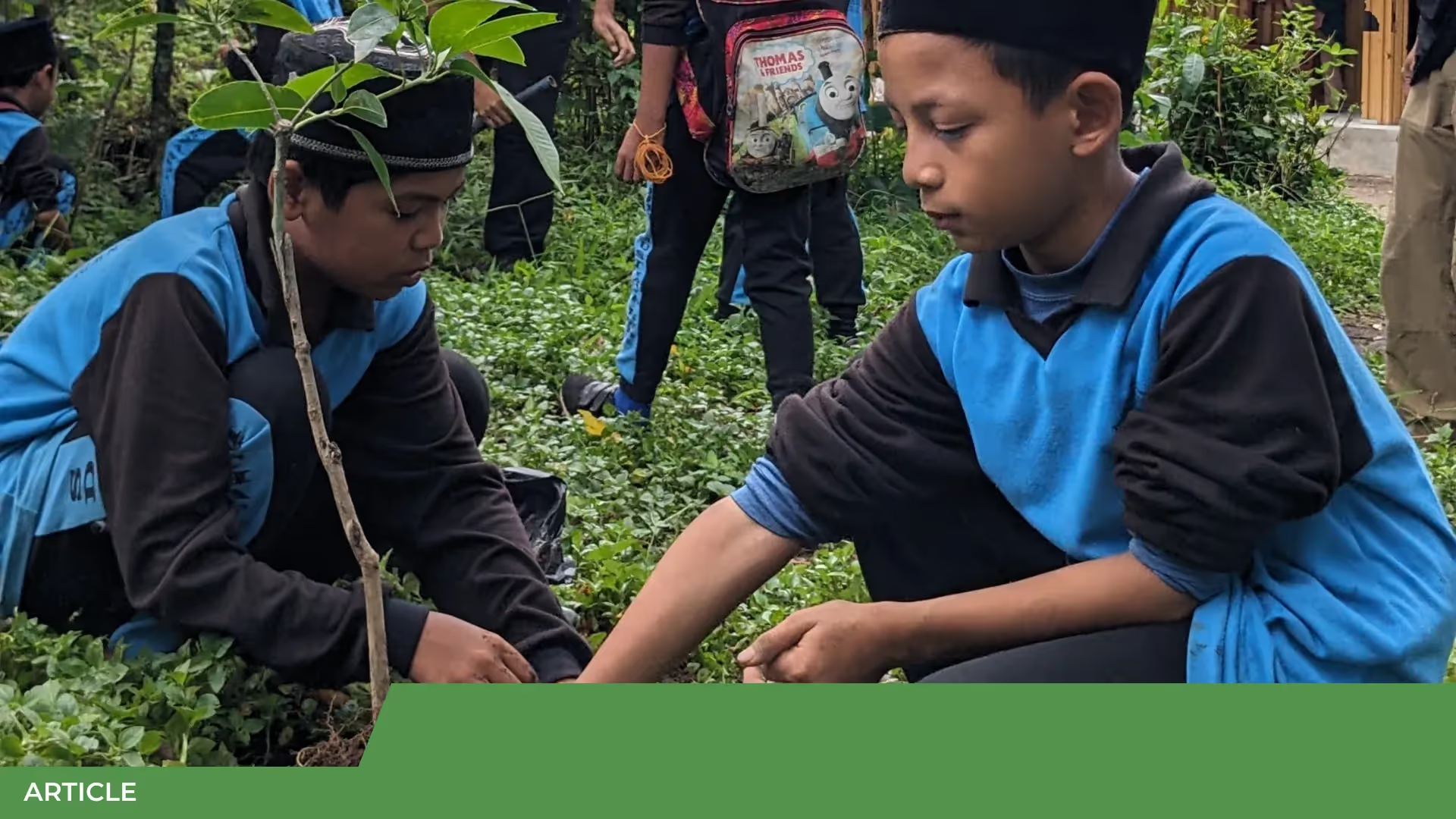
No look at reforestation would be complete without talking to Jacques Plan, an expert with a real passion for the subject. He shares his view of a practice with many benefits, such as restoring ecosystems and helping to regulate the climate. But that's not all. He also talks about the challenges reforestation faces, including choosing the right species and managing resources.
Jacques Plan is a forestry engineer and reforestation expert who specialises in ecological restoration in the tropics. He spent 22 years working on tropical forests, 18 of them abroad. He has worked with many local authorities, France's National Forests Office (Office National des forêts) and NGOs. He is a member of the NGO « Experts Solidaires » and president of the association « Silva: trees, forests and societies ».
1. What do you think of reforestation projects in today's context? What challenges do they address?
Providing essential services
Reforestation programmes provide the many services that natural forests can no longer offer, because they have disappeared or are too degraded.
These are:
– Economic services:
Reforestation campaigns mean local people once again have timber for building (posts and so on), wood for making furniture and firewood. It's worth knowing that Africa's big cities use a great deal of charcoal, with no real alternatives for now.
– Ecosystem services:
Reforestation programmes help to fight erosion, restore soil fertility and protect crops.
– Cultural services:
Editor's note: village forests are not only vital ecosystems but also places of great cultural and spiritual importance. Often regarded as sacred sites, they are where local communities carry out traditional rituals and honour their ancestors. They also provide essential natural resources for traditional medicine, building homes and making crafts.
In Côte d'Ivoire, for example, a programme to restore sacred forests involves planting protective belts of trees around them.
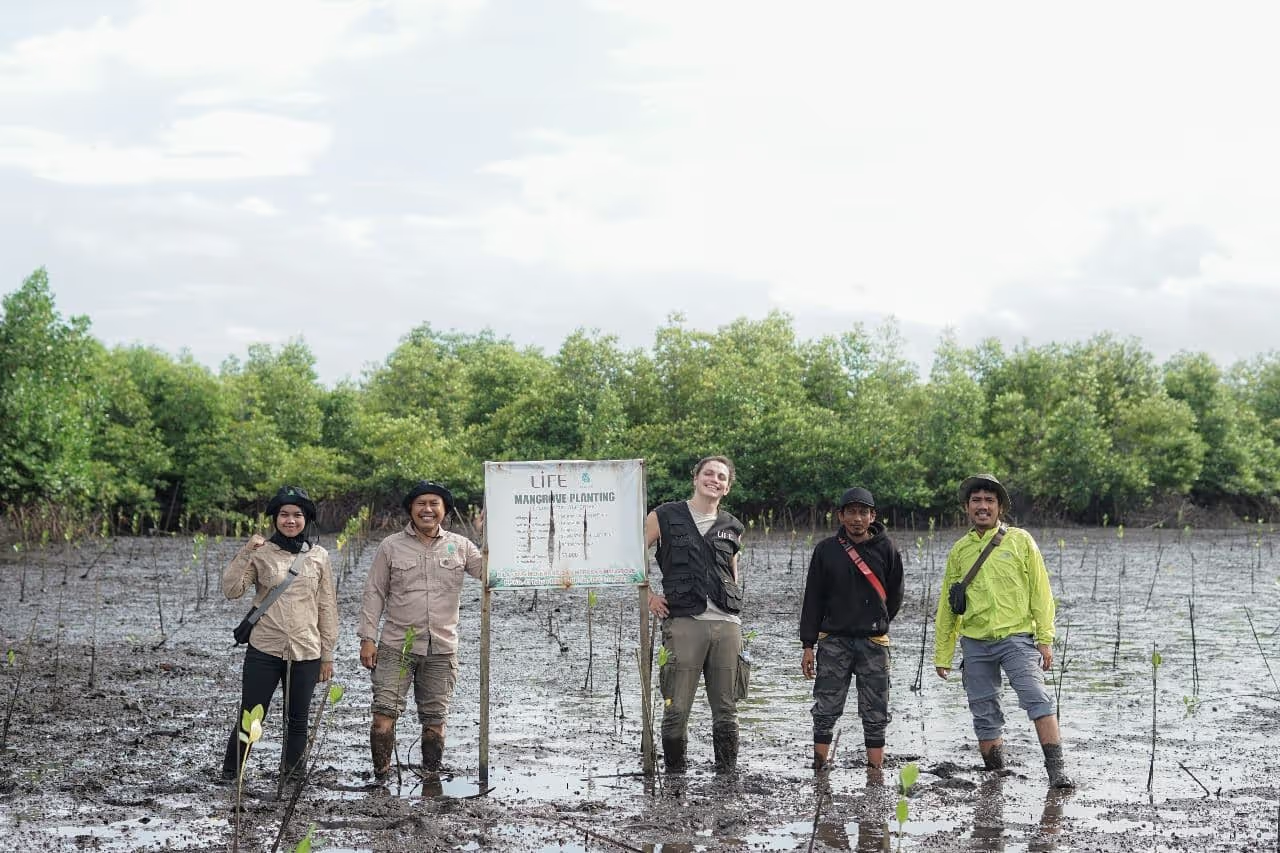
Protecting what is still there
Reforestation in the form of green belts or tree firebreaks also helps to protect pockets of natural forest that have been identified as under threat. It both enriches and protects natural forests.
Reforestation and its alternatives
Reforestation is still costly, however. It should be seen as a complement to other methods, or used when those methods aren't possible.
Which alternatives should come first?
First of all, there's natural regeneration of the species already present.
Degraded forests or shrub savannahs can also be fenced off and protected. This isn't always feasible, but it is very effective. If it can be done, with the agreement of local people, it's an excellent solution. Forests are remarkably resilient. If you can protect even a badly degraded forest, keeping fire out for as long as 10 years, it will regrow by itself without any planting.
2. How do you make a reforestation project succeed?
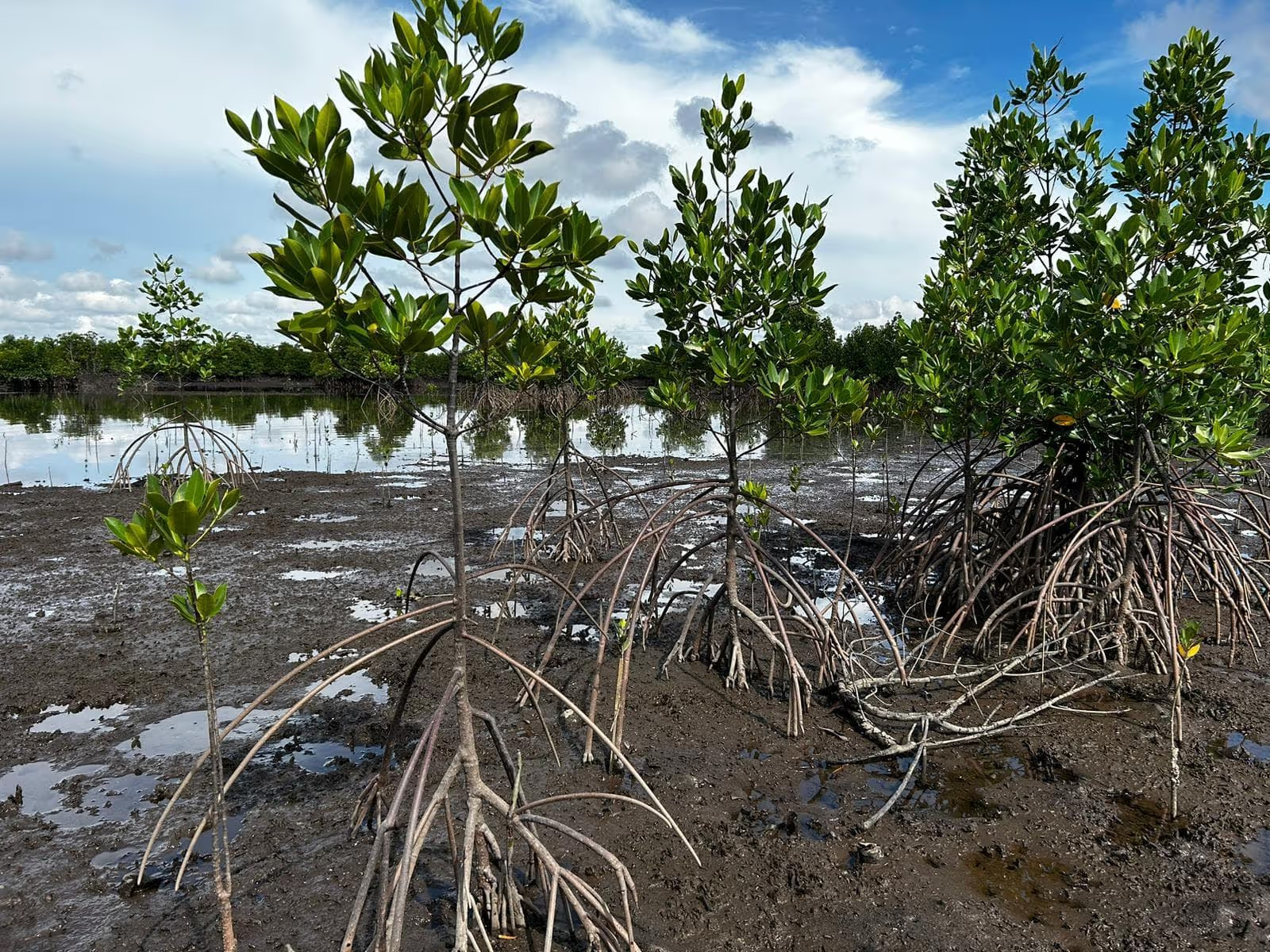
Species have to be chosen to suit the soil and the climate. There's also the choice between direct seeding and raising seedlings in a nursery.
Direct seeding isn't always possible, and the seeds need to be big enough or they won't survive. Raising seedlings in nurseries is expensive, because it inevitably needs lots of water, an irrigation system, transport for the seedlings and so on.
Other questions come up too. Should the soil be worked by hand or by machine? Should we plant only trees, or combine them with food crops such as maize?
There are many technical questions, but that isn't the biggest problem. There are technicians everywhere. The hardest part is making reforestation last. We know how to plant trees; whether they'll still be there in 20 years is less certain…
So you need to make sure you:
– Secure land rights: you have to know who owns the land, whether they hold a title deed, whether they agree to trees being planted on it, and whether they will own the trees. Until now, reforestation programmes have often handled these questions badly. The state isn't the owner by default. It may own some plots, but not all the land. If trees are planted somewhere, local people have to get something out of it. You can't tell an African farmer you're going to plant trees on his land and that he isn't allowed to touch them!
– Respect the people who use the forest: even if they're there illegally! They aren't criminals; usually they have no choice. Their crops and homes are there. So you must always identify the users and talk with them. In West Africa, for example, many forests were made protected reserves during colonial times. Farming and living in them was banned. After independence, governments kept the same repressive policy and these forests stayed state property. As a result, they are now full of people. They aren't there to defy the government; they simply have no choice.
- Make sure reforestation benefits the people who live near or in the forests. It's important to formalise the relationship between landowner and occupant in a contract. People must own the trees they've planted, otherwise the reforestation programme won't be accepted. They also need support so they can keep farming: help to improve soil fertility and to process their harvests so they earn more. It's also important to help them obtain title deeds and community facilities such as water reservoirs, boreholes near villages, better tracks and so on. It's essential to help them take up new, alternative income-generating activities that don't harm the environment. But be careful: these mustn't be imposed. People must have chosen them. In the regions where we work, women often ask to grow vegetables. It might also be fish farming, beekeeping or planting trees to make charcoal. An alternative income made possible by reforestation will persuade people not to destroy the forest and to honour the contract they've signed.
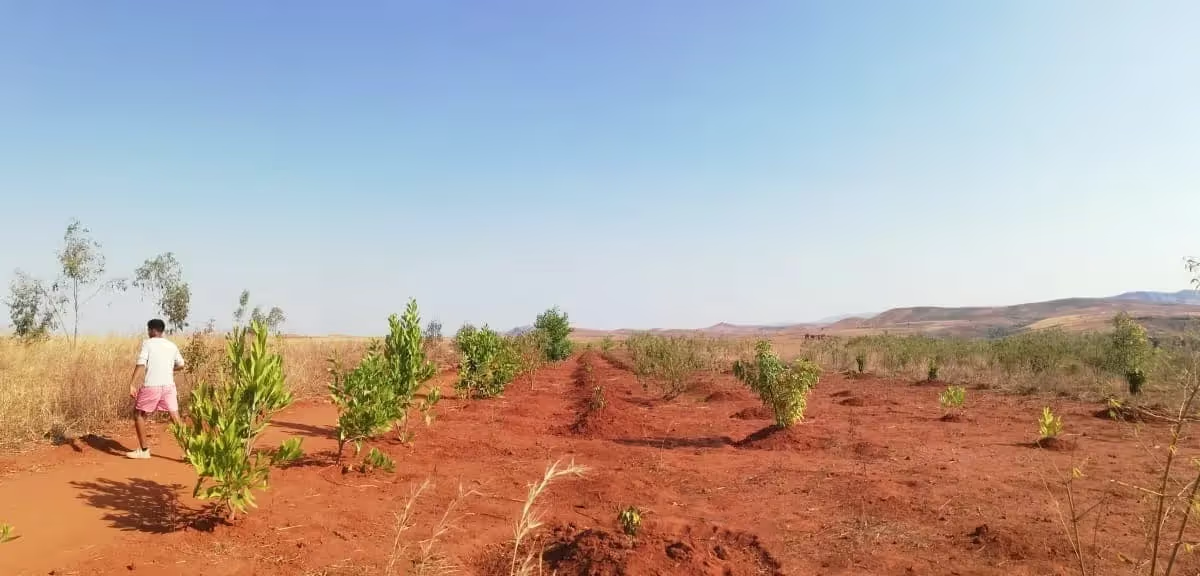
At LIFE, through our SAPOUSSE programme, we are committed to empowering local communities while helping to restore the environment. By planting "economic" trees, we help rebuild ecosystems while giving local people valuable resources, such as fruit and durable materials. Alongside this, we run a range of Green Initiatives, such as supporting sustainable aquaculture, developing responsible vegetable growing, promoting renewable energy and much more.
3. How important are native species in reforestation projects?
Native species first, yes, but…
In theory, planting native species is preferred over exotic ones. But it isn't necessarily a hard-and-fast rule. They should be preferred, but only under certain conditions:
– Having good-quality seed: this is difficult for many native species, such as African mahogany (Senegal mahogany), which is disappearing. It's very hard to find good seed that will grow into proper trees rather than bushes. There are no seed banks. So we gather seeds however we can and try to raise them in nurseries. Seed availability is a real problem.
– Mastering propagation techniques: nobody knows how to grow certain species in a nursery. Breaking seed dormancy is often very difficult. The seeds lie in the ground, alive but dormant. When we take them and put them in a nursery, they stay dormant.
– Making sure the trees survive: native species often grow slowly at first, which is why they disappeared. So when these forests start being cleared and fire gets in, the few seedlings there have no chance, because they don't grow fast enough.
Native species should mainly be used to enrich natural ecosystems that are still viable. Basically, when it's worth the effort, as with gallery forests, for example, if they're still viable. Local species can also be used to enrich a genuine forest remnant far from a village, on infertile land, or of cultural or religious importance.
In every other case, exotic species can play the same role as native ones if they're well chosen. They provide wood and help with ground cover, nitrogen fixation and building carbon sinks.
Planting exotic species
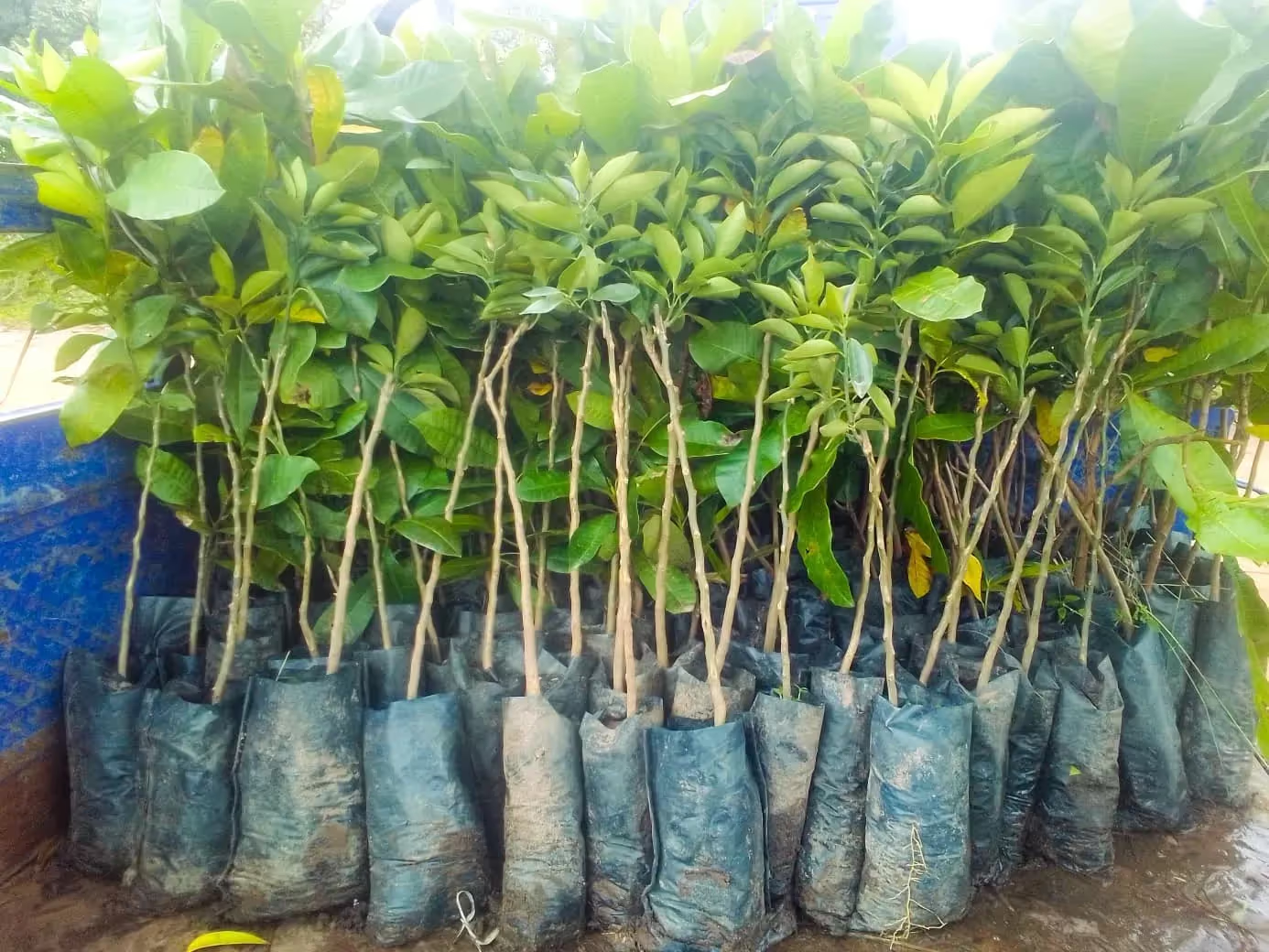
Planting exotic trees can help natural forest return. The two aren't at odds. These species can quickly protect a patch of forest by keeping fire out. A firebreak has to work, and the best ones are made of trees: the cashew tree is ideal for this. In a fire, they'll burn, but the fire won't spread any further.
Exotic trees can also rebuild forest soil where it has disappeared. One example is the reforestation campaigns in France at the end of the 19th century in the southern Massif Central and the Southern Alps. The land there was completely degraded. Local species were planted first, but it didn't work. So Austrian black pine was planted, successfully. And now natural forest species such as beech, maple and rowan are reappearing beneath the Austrian pines. Another example: in French Guiana, acacia had to be planted to clean up mining land. Local species no longer grow there because of mercury. Exotic species also help get rid of the carpet of grasses that stops local species from germinating. Thanks to them, natural regeneration can happen. They protect native seedlings, giving them the shade and cover they need to grow.
4. What are the downsides of relying on mass tree planting to fight climate change?
Mass tree planting carries several risks:
– Shifting the problem elsewhere: with mass reforestation, the people who were using the land simply move their activities somewhere else. Even if the aim was to create a rock-solid carbon sink, you can't forget the hectares those people clear at the same time so they can go on making a living. It's also very hard to make that carbon sink last. That's why companies that plant trees to offset their carbon are criticised. Looking back 10 years on, 9 hectares out of 10 have usually disappeared through clearing, fire, war and so on. That's beyond our control. It's a major risk.
– Disease risks: the bigger the reforestation, the greater the risk that a single pest outbreak wipes it out.
5. How do local communities affect the long-term success of reforestation projects? And what are the best ways to involve them?
Their role is essential. Only local communities can make plantations last. Even with laws, forest officers, regulations and big, powerful NGOs on the ground, if local people aren't the guardians of these plantations, they will disappear one day. Local people are always there, whereas governments and NGOs come and go. Everyone must agree and be involved from the very start. The benefits of planting must be shared, and this partnership must be set out in a contract. Written agreements matter, even in African societies.
Local people must not be treated like children. What's more, they are the main victims of deforestation, so they don't need awareness-raising. Repression doesn't work, and awareness campaigns achieve nothing. The people who plant the trees need a guarantee that they can benefit from the wood under certain conditions. They need to be paid for the environmental services they provide. The approach must be contractual, not repressive or patronising.
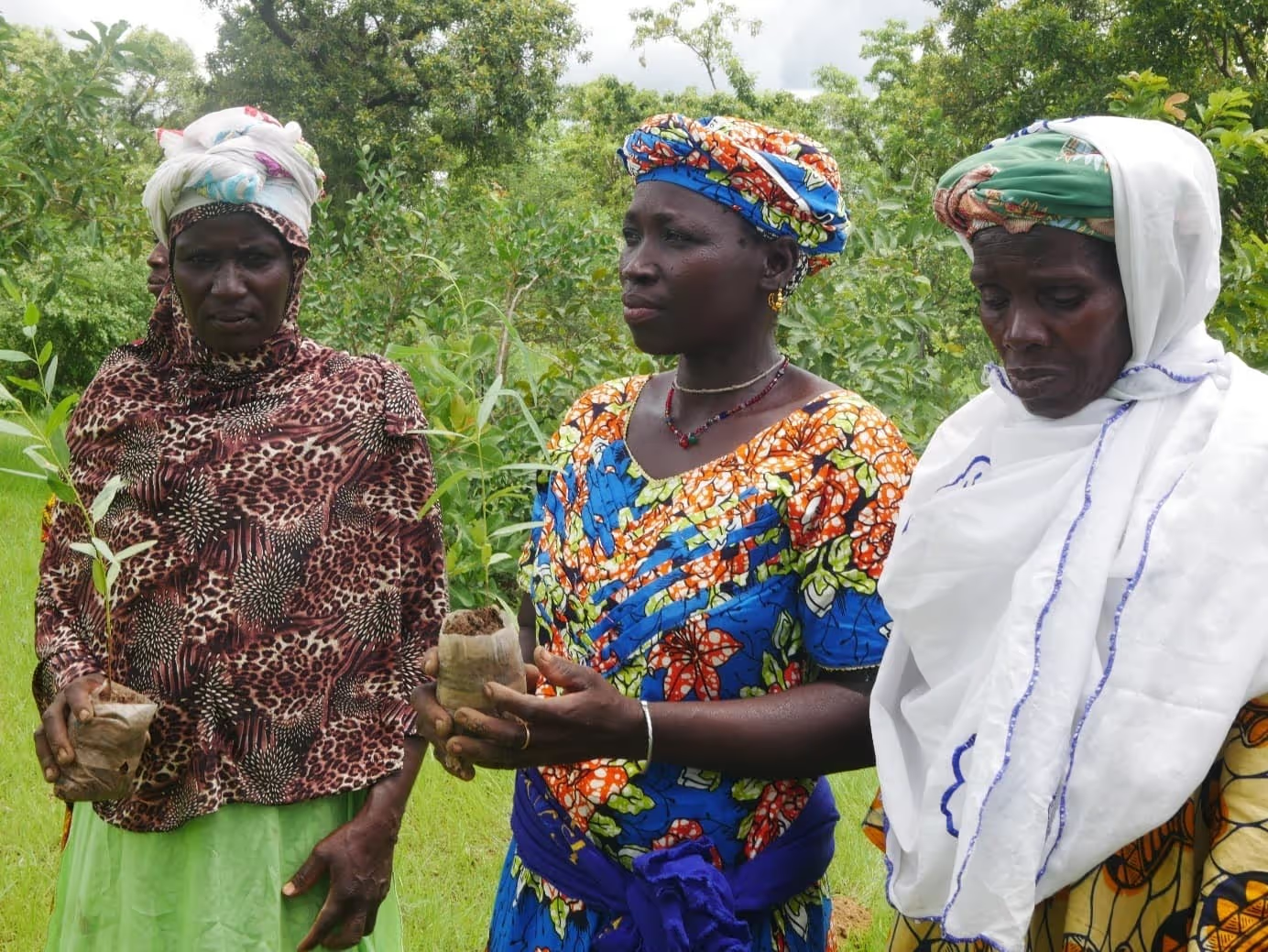
But who exactly are the local communities?
When we talk about local communities, we also need to know what we mean. Do these communities really exist, or are they imagined? In Cameroon, for example, the idea of community forests doesn't work. There are no communities in the forest areas, only individuals. It's important not to keep repeating things that have no basis in reality. Communities must be organised and have legal standing so that contracts can be made with them. To that end, they can be:
– a local authority that exercises a certain number of powers in place of the State. Local councillors have to face voters again, so they must honour contracts. As part of decentralisation, many municipalities now exist, for example in Benin, Togo and Côte d'Ivoire.
– a local community, such as a village community with a village chief. It can also be a producers' organisation (OPA) or a cooperative. In Burkina, Senegal, Benin, Côte d'Ivoire and Guinea, for example, these are well organised, with elected leaders.
In every case, you need to know who does what, who owns the project and what role the NGOs involved play. NGOs should act solely as assistants to the project owner. They provide institutional, methodological and financial support. They help make the gains last and help spread and build on the results, but they never take the place of local elected representatives. In any event, technical expertise is requested by the project owner and must not be permanent.
5. Can you share concrete examples of reforestation projects that have achieved positive results in restoring ecosystems?
A 1000-hectare reforestation programme in the municipality of Glazoué
Glazoué lies in the district of Zaffe, 250 km north of Cotonou in Benin. Its forest cover had disappeared completely, mainly because of extensive slash-and-burn farming. This technique has its limits. In recent years, the rural population in the area has grown considerably. There is no more land left to clear or cultivate, and this leads to conflict. So it is vital to find solutions that allow farming to continue while tackling the shortage and poor fertility of the land. For all these reasons, agroforestry was chosen. The trees planted make the population's farming more profitable. The results are obvious from the very first year, so people take it on board without difficulty. What was planted? Maize, with fertility-building trees above it. Thanks to these trees, the maize yields 30 quintals instead of 10 in the same year. Requests soon came in from all the surrounding municipalities. People come and see for themselves; there's no need for grand speeches. Alongside this programme, work was carried out to combat riverbank erosion and to protect a few small patches of forest. The best way to protect them: beehives. People who keep bees won't burn the hives, and the cattle that used to graze on the young saplings no longer go there.
Projects like this are inexpensive and effective!
When you help people set up an agroforestry system, you don't do it for long: 1 or 2 years at most. If you provide compost in the 1st year, they can already make their own by the 2nd. The system quickly becomes self-sufficient. The Glazoué project is also a success because it was carried out in step with other local initiatives, such as tree nurseries. Local capacity was encouraged to emerge as early as possible. It is essential not to compete with other players in the area. If you leave, someone needs to take over.
It is also important not to contradict national policies. Policies cannot be bypassed, and every government department has representatives on the ground. Working with them is worthwhile and crucial, and they are often very happy to collaborate with an NGO. It gives them more financial resources and makes them feel valued.
Another key to the project's success should be highlighted here: credible, legitimate project ownership. It is held by the municipality, and in particular by the district head representing the mayor.
6. Jacques Plan, could you tell us a little about agroforestry and its benefits for forest cover?
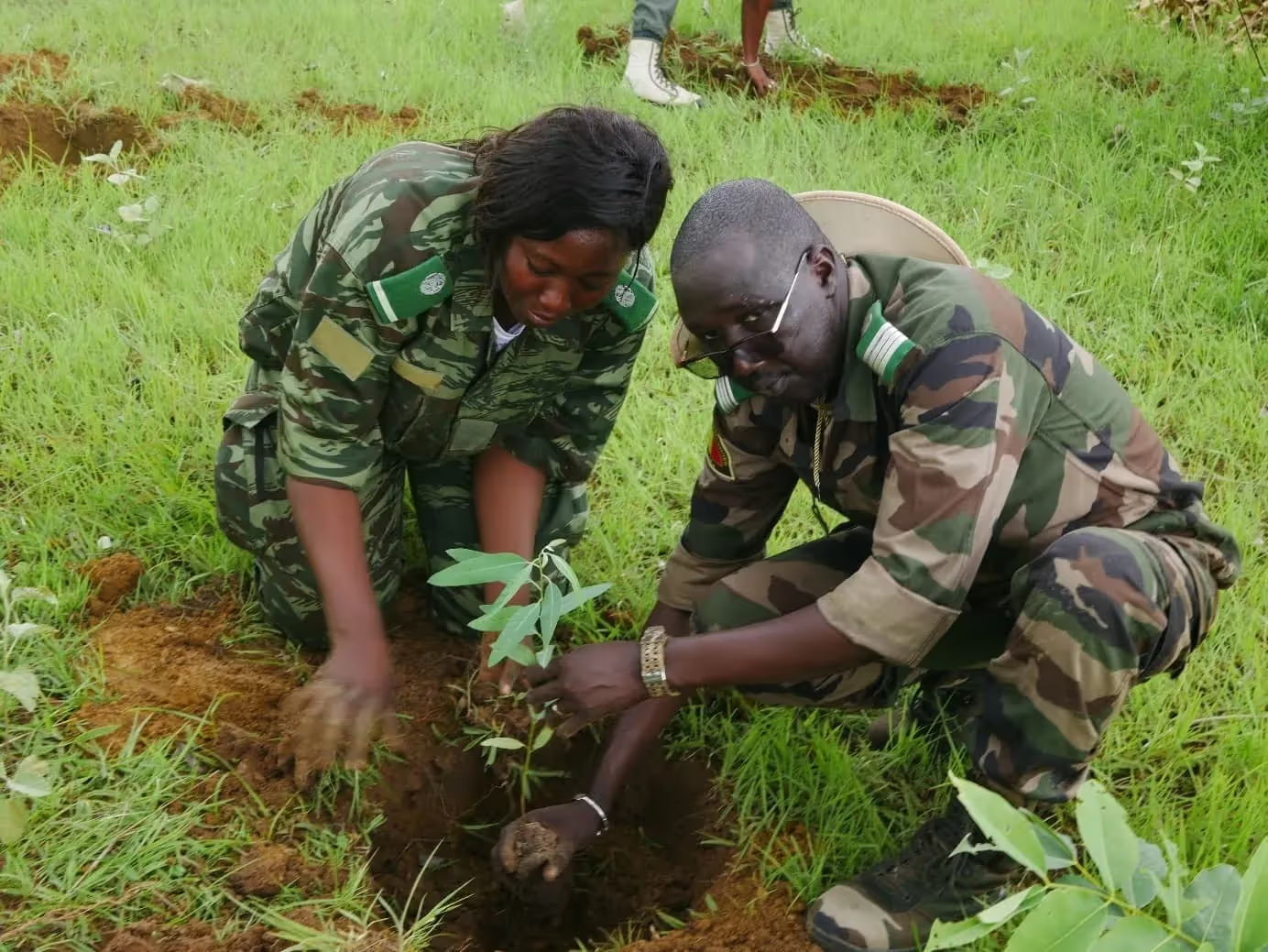
The aim is to bring together on the same piece of land:
– The value of the tree as marketable timber, but also as wood that fulfils its ecosystem functions (improving soil fertility, suppressing grasses, combating evapotranspiration, etc.);
– Agricultural production, which is boosted and diversified;
– Combating erosion;
– Respecting people's livelihoods and increasing their income, while no longer destroying the environment to meet their needs.
Agroforestry is an excellent system, but you must talk properly with farmers about what they want. As a rule, it is essential to mark out boundaries. Because the process of obtaining land titles is complicated, farmers need support. If their plots are marked out in areas of serious land tension and they have their official papers, they are protected.
7. How can reforestation programmes be built into wider strategies to tackle climate change?
For reforestation programmes to contribute effectively to tackling climate change, they must play a part in local development. They must not become areas that nobody is allowed to enter. The forest must be woven into the rural landscape. It must be accepted and made to last. Conservation should not be pursued at any cost. Creating a no man's land is not the right answer. Sooner or later, it will lead to conflict. In Central Africa this isn't very noticeable, because population density is low. But as soon as you get closer to towns, this choice risks undermining the very goal it was meant to serve. It is essential to talk with everyone involved in local development.
Reforestation is a promising opportunity to restore our ecosystems and meet today's environmental challenges. By adopting good practices such as choosing the right species, managing resources sustainably and involving local people, we can overcome the challenges we face. Together, we can revitalise our forests, improve air quality, protect biodiversity and build resilience to climate change.
Ready to help?
I start a fundraiser
Support the causes close to your heart by starting an online fundraiser with LIFE.
Raising funds for a charity has never been easier!