Ocean pollution: taking action to save our seas
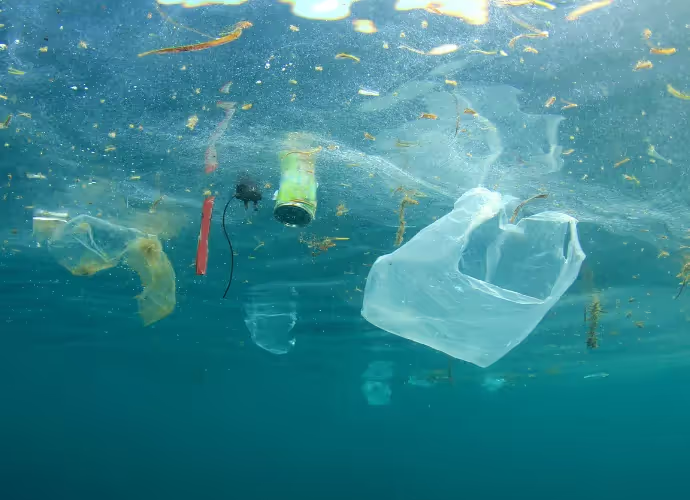
Our blue planet's oceans teem with extraordinary biodiversity and play a vital role in our very existence. Yet these marine treasures, which cover 70% of the globe, face a growing threat: ocean pollution. Let's dive into the depths of this emergency together.
Ocean pollution in numbers
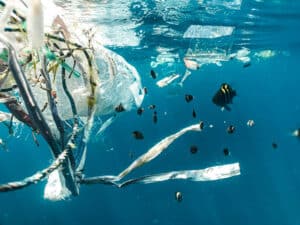
Today our oceans are threatened by an avalanche of pollution. Tonnes of plastic drift on the surface, choking marine wildlife and spoiling the natural beauty of our shores. Toxic waste from industry pours in unchecked, contaminating the water and endangering the health of marine ecosystems. The figures are staggering. According to the French Ministry for the Ecological Transition and Territorial Cohesion)
around 640,000 tonnes of fishing nets are lost or abandoned at sea every year*
80% of marine litter comes from activities on land*
between 75 and 199 million tonnes : that is the amount of plastic in the world's oceans, making up 85% of marine litter.*
24,400 billion microplastic particles are thought to be floating on the surface of our oceans *
And according to the UN, between 9 and 12 million tonnes of plastic end up in the oceans every year.
The projections are just as alarming. They suggest global plastic production could double by 2040. The worrying consequence: the amount of plastic debris in the oceans could quadruple by 2050! This bleak outlook demands immediate action to protect our seas and fight the growing pollution of our oceans.
The devastating impact on marine life
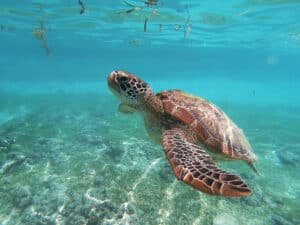
The consequences of this pollution are heartbreaking. Images of dolphins trapped in abandoned fishing nets, turtles suffocated by plastic bags and seabirds coated in oil all bear witness to the devastating impact of our actions on marine life.
Oceans that once teemed with life and diversity are now in mortal danger. Millions of species, from the tiniest to the largest, are suffering the tragic consequences of our irresponsibility. Corals, the colourful jewels of the reefs, are gradually bleaching and dying, leaving thousands of fish without their natural shelter.
Worse still, ocean acidification, caused by the absorption of CO2 from our industrial activities, threatens the health of corals, the true jewels of the seabed. These precious ecosystems are home to incredible biodiversity, and their loss threatens the balance of the entire marine food chain.
Reforestation to save our oceans
You may be wondering: "How can reforestation save our oceans?" Surprising as it may seem, trees and oceans are closely bound together in a delicate balance across our planet.
At LIFE, through our "Sapousse" reforestation project, we aren't just planting trees: we're planting seeds of hope. Every tree stands guard against deforestation, a scourge that is eroding our forests and threatening the balance of nature. By understanding this interconnection, we can act in a more joined-up, consistent way to safeguard our whole environment. Here's how reforestation can help save our oceans:
Trees are carbon sinks
Trees are true champions at capturing carbon dioxide (CO2), a greenhouse gas responsible for global warming. By absorbing CO2 from the atmosphere through photosynthesis, trees store that carbon in their biomass and in the soil. By reforesting deforested or degraded areas on a large scale, we increase the Earth's capacity to trap CO2, helping to slow climate change and protect the oceans from its devastating effects, such as acidification and rising sea levels.
Protecting watersheds
At the heart of our fight for a sustainable future, forests prove to be true guardians of watersheds, those vital areas that collect rainwater and channel it into rivers and oceans. By protecting and restoring forests along waterways, we limit surface run-off, reducing the risk of erosion and of oceans being polluted by sediment and waste.
Conserving biodiversity
Forests are home to an incredible diversity of plant and animal species. By reforesting degraded areas, we create habitats where wildlife can thrive, helping to preserve biodiversity on land and at sea. Rich, balanced biodiversity in land ecosystems often makes marine ecosystems more resilient to environmental disruption.
Regulating the water cycle
Trees hold a fascinating power: regulating the water cycle. They play a crucial role by releasing moisture into the air through their leaves. This process, called evapotranspiration, forms clouds, which in turn bring rain that feeds our rivers and streams on their journey to the oceans. By regulating the water cycle, forests help maintain the hydrological balance of coastal marine ecosystems, such as mangroves and wetlands.
As guardians of our planet, it is our duty to act for a healthy, balanced future for our seas. By protecting our oceans, we protect our own future and that of generations to come. Every action counts, whether it's cutting down on single-use plastics, choosing greener ways to travel, or supporting sustainable initiatives to protect the oceans.
Together, we can turn the tide on ocean pollution! We can build a future where blue waters shine once more and underwater life flourishes.
Ready to help?
I start a fundraiser
Support the causes close to your heart by starting an online fundraiser with LIFE.
Raising funds for a charity has never been easier!