Mali: drilling for water in war zones
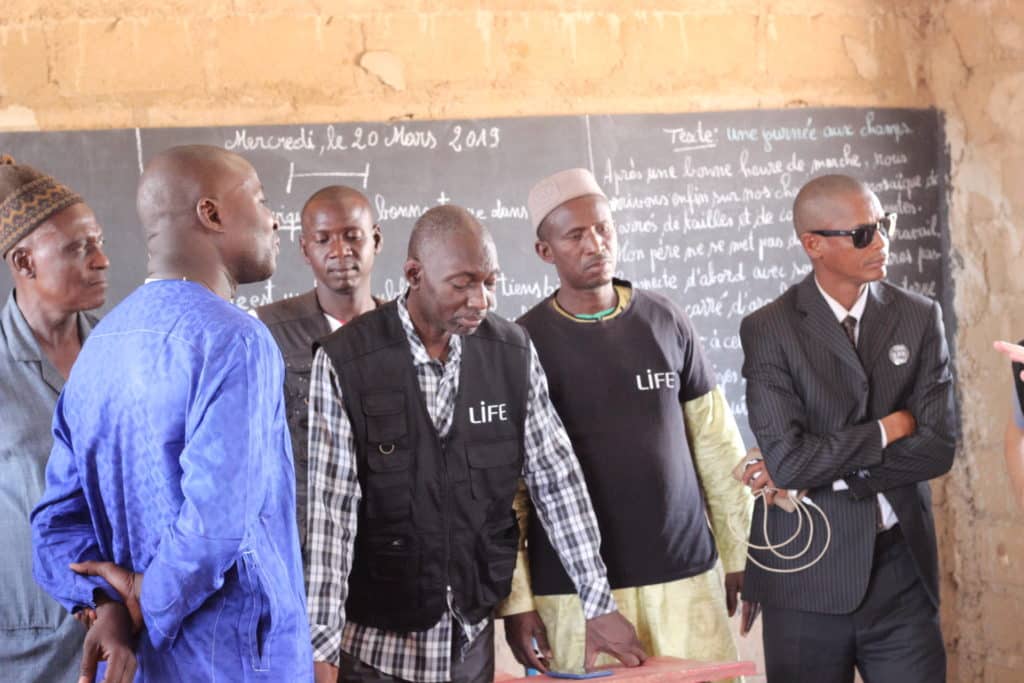
LIFE works with many local partners: teams on the ground whose commitment never wavers. In settings of war and conflict, they work tirelessly and do everything they can to bring help to people in need, whatever the obstacles. Drilling a water borehole in a country at war, such as Mali, is no simple task. Dramane Arby, LIFE's partner in Mali and President of the Association for the Development of Local Initiatives in Mali (ADIL), gives us an update on the situation in the country and explains why it matters to act in war zones, despite the difficulties on the ground.
Could you introduce yourself and tell us about your background?
I'm a geological engineer by profession. I've now been involved in local development work for 35 years, as a supervisor, project manager and coordinator. I've had the privilege of leading ADIL since 2012. The association became a national NGO in May 2018. Since then, the NGO has mainly worked with partners such as LIFE, MINUSMA (the United Nations Multidimensional Integrated Stabilization Mission in Mali) and UNDP (the Support Programme for Vulnerable Municipalities). So far, these partnerships have covered the following areas: water supply, agriculture, livestock farming, crafts, energy and the environment.
Could you tell us about the current situation in Mali?
The political situation in Mali is quite unstable. We have been living through a period of political transition since the coup d'état of 18 August 2020. The military junta in power said its mission was to complete the Malian people's struggle for change. But there is sharp tension between the junta and the political class over the setting up of the legislative body, the National Transitional Council.
Social unrest is boiling over. Since the government was formed, strikes have only multiplied. With demand after demand, we are heading towards a socio-economic deadlock. As if COVID-19 weren't enough!
Why is it necessary in Mali to go into areas close to conflict zones to drill for water?
Areas that are abandoned or left behind are, everywhere, areas at risk of rebellion, and therefore of instability. While access to drinking water averages 60% nationally, in the North, where the terrorist threat is present, it's around 50%. Hence the need to build new water points.
However, shallow and medium-depth boreholes can only be drilled in particular areas, meaning places not far from rivers. In the desert, which covers much of northern Mali, the need for water is critical, but it means drilling very deep, around 100 metres.
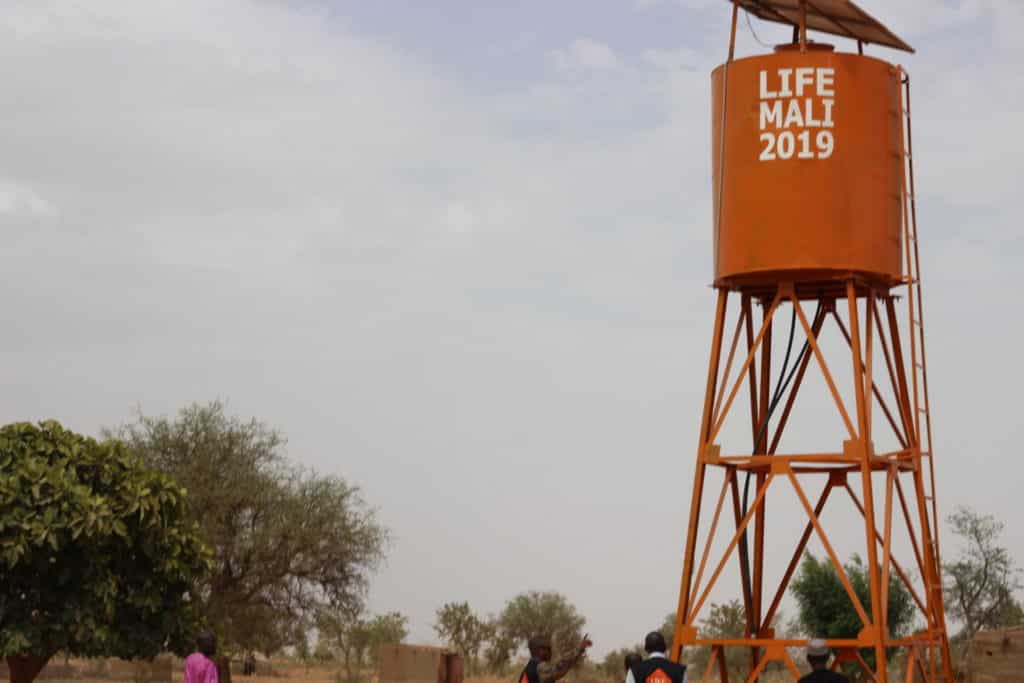
That's why we are increasingly asking for water towers to be built, as they allow us to drill deeper. We've already built several with LIFE.
What is the main difficulty you face on the ground when drilling for water?
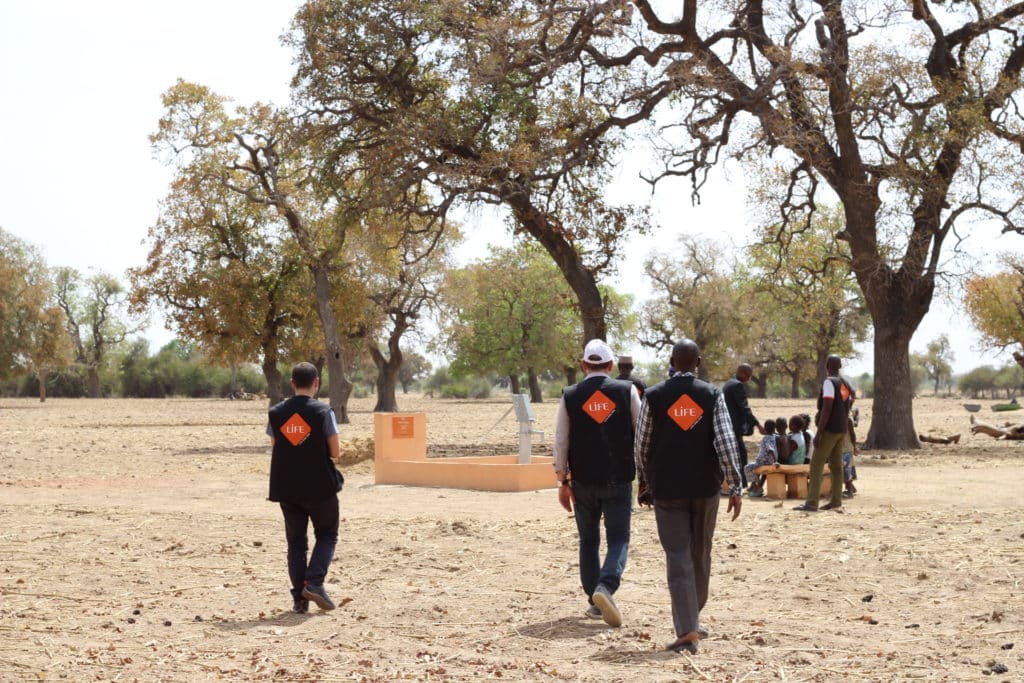
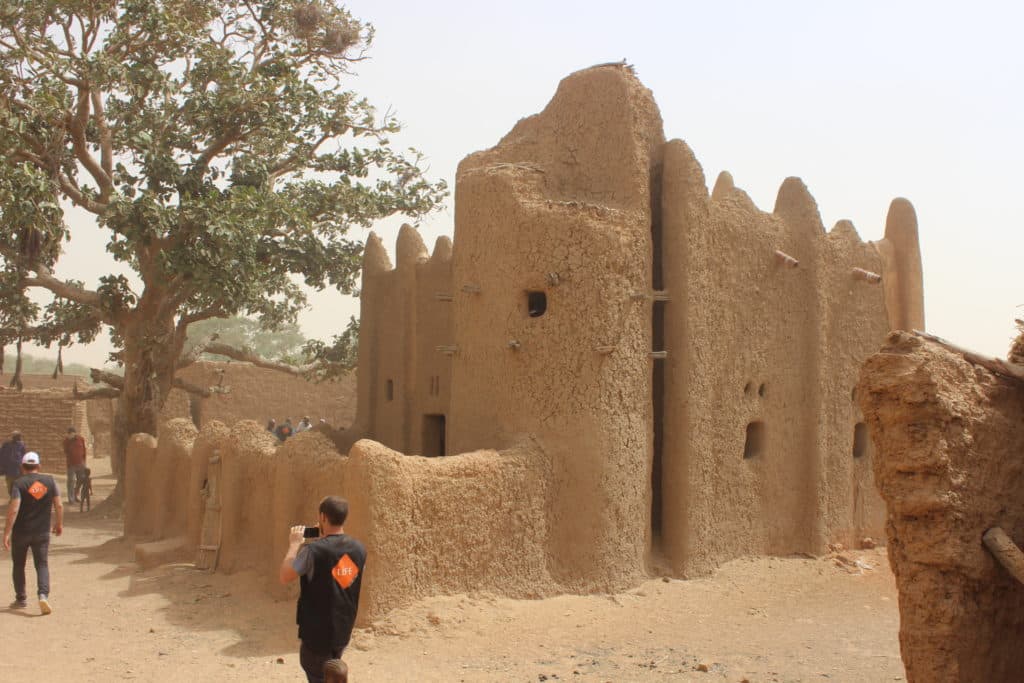
Since 2012, Mali has been going through a security crisis that has spread across much of the country. We work in these insecure areas, in Mopti and Timbuktu. We target the areas where it's possible to work. But we are not free in our movements. We have to be very careful when carrying out our activities.
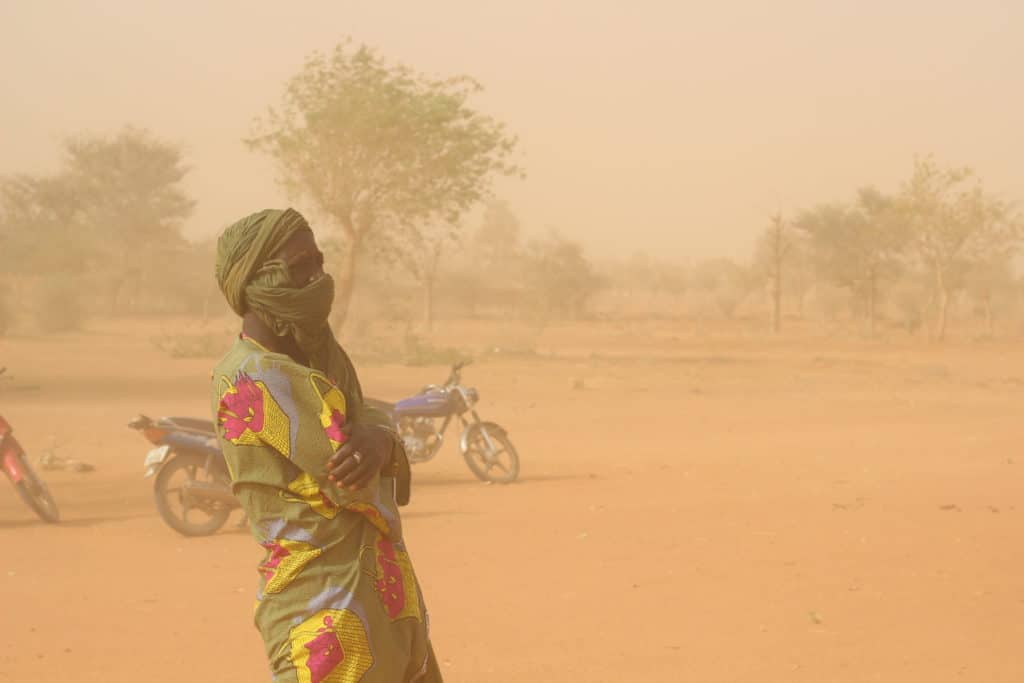
The areas where we work are in great need of water, because we're in the Sahel. Rainfall is low, rivers are under threat and the groundwater is poorly replenished. As the water tables are very deep, reaching them isn't easy.
Sometimes we go to a community where the need for water is immense but, sadly, we can't drill. That's when there's real despair: for us, but even more for the community, who don't understand why. These difficulties can sometimes cause problems with local people on the ground.
You've drilled many water boreholes with LIFE. Which moment has stayed with you most?
One day we arrived in an area and told the people we were ready to drill. But we needed a water source nearby to supply the machine and create the water point. The trouble was, there wasn't one anywhere, not even a pond. The nearest water source was 3km away.
They asked us for containers, and we gave them some. But we didn't believe it would work. To our great surprise, the whole village rallied round. We arrived at 8 in the morning and there wasn't even any space left. All the containers and jars were full of water. I remember the village chief telling us: "We need water so badly that even if you told us to move a mountain, we'd be ready to do it, as long as there's water." Thanks to that, we were able to finish the water point quickly. It just shows that sometimes you see enormous determination, because you can feel how much it means to them.
How do the communities react once a water point is in place?
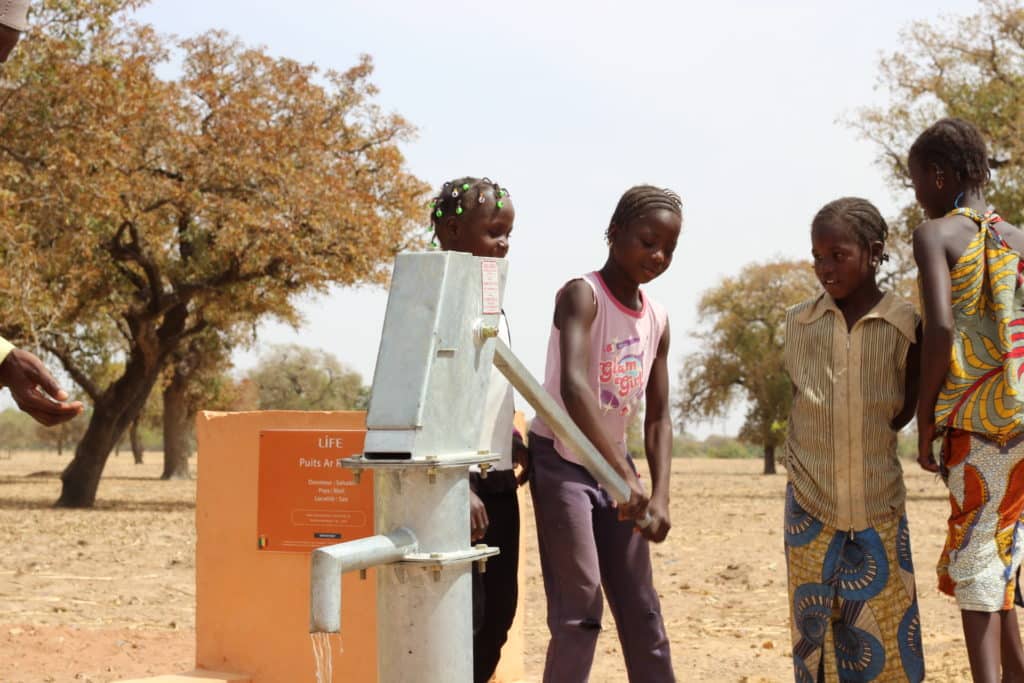
When they receive a water point, the whole village celebrates. We have pictures of people dancing, and others give gifts, such as a goat or a billy goat. It's their way of showing gratitude to the team that drilled the borehole. They're truly happy; it's a real joy for them!
Would you like to fund a well? Find out more here
Ready to help?
I start a fundraiser
Support the causes close to your heart by starting an online fundraiser with LIFE.
Raising funds for a charity has never been easier!