How building latrines improves public health in developing countries
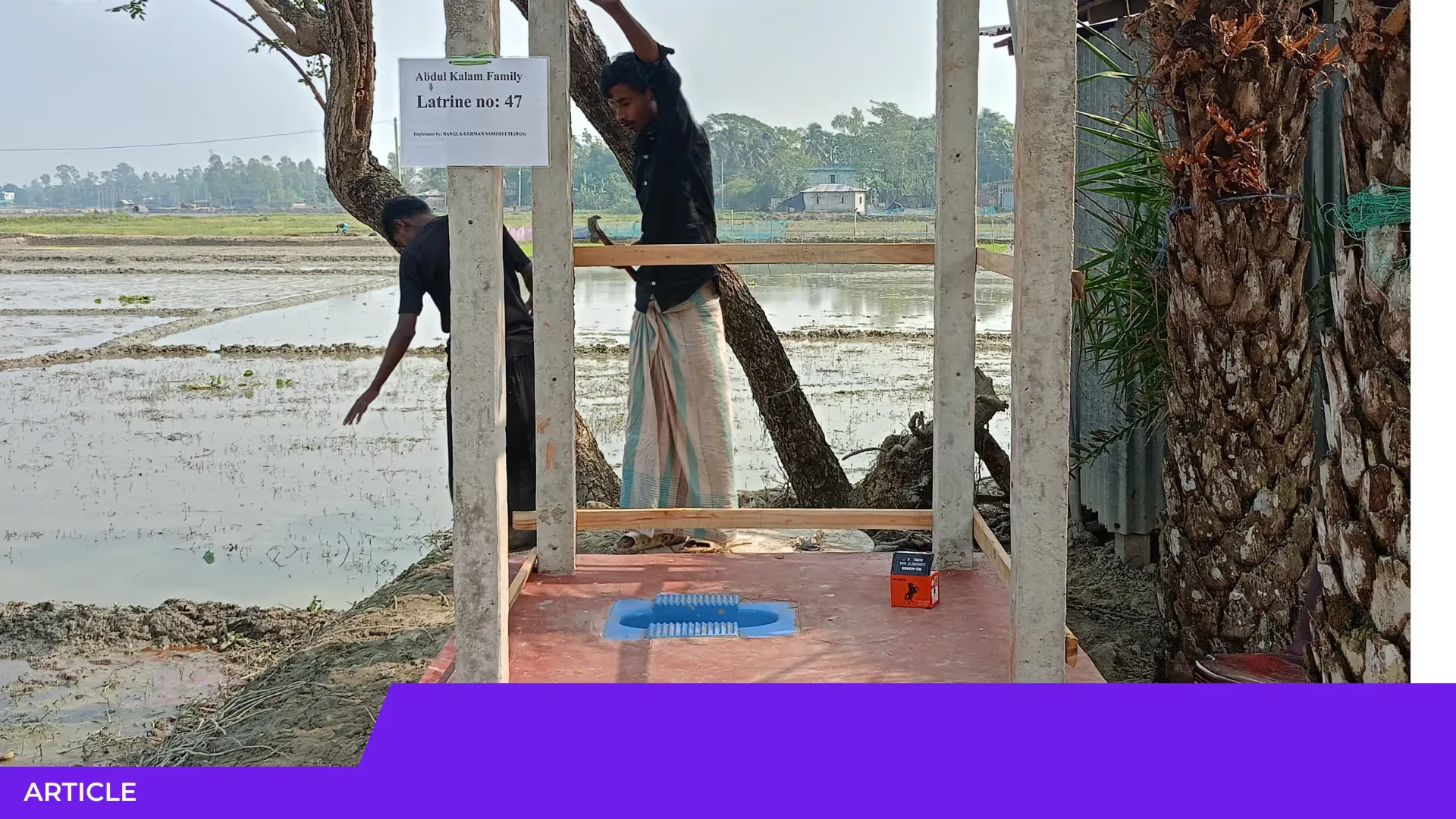
In developing countries, every latrine built is a giant step towards a better future for local people. Far more than a basic convenience, these facilities act as a shield against disease. They are a major public health issue. And that’s not all! They drive development and are a symbol of hope for millions of people. Yet according to the World Health Organization (WHO), around 2.3 billion people worldwide still have no access to basic sanitation!
Let’s join forces to build a future where everyone can live in dignity.
Ending open defecation
Building latrines or toilets goes hand in hand with ending open defecation. The practice is declining, but the UN reports that 673 million people are still affected, 91% of whom live in rural areas. In Madagascar, for example, UNICEF says 40% of the population practise it: that’s 10 million people! Ending it by 2030 is one of the Sustainable Development Goals. But why does it matter so much to stamp it out by providing latrines?
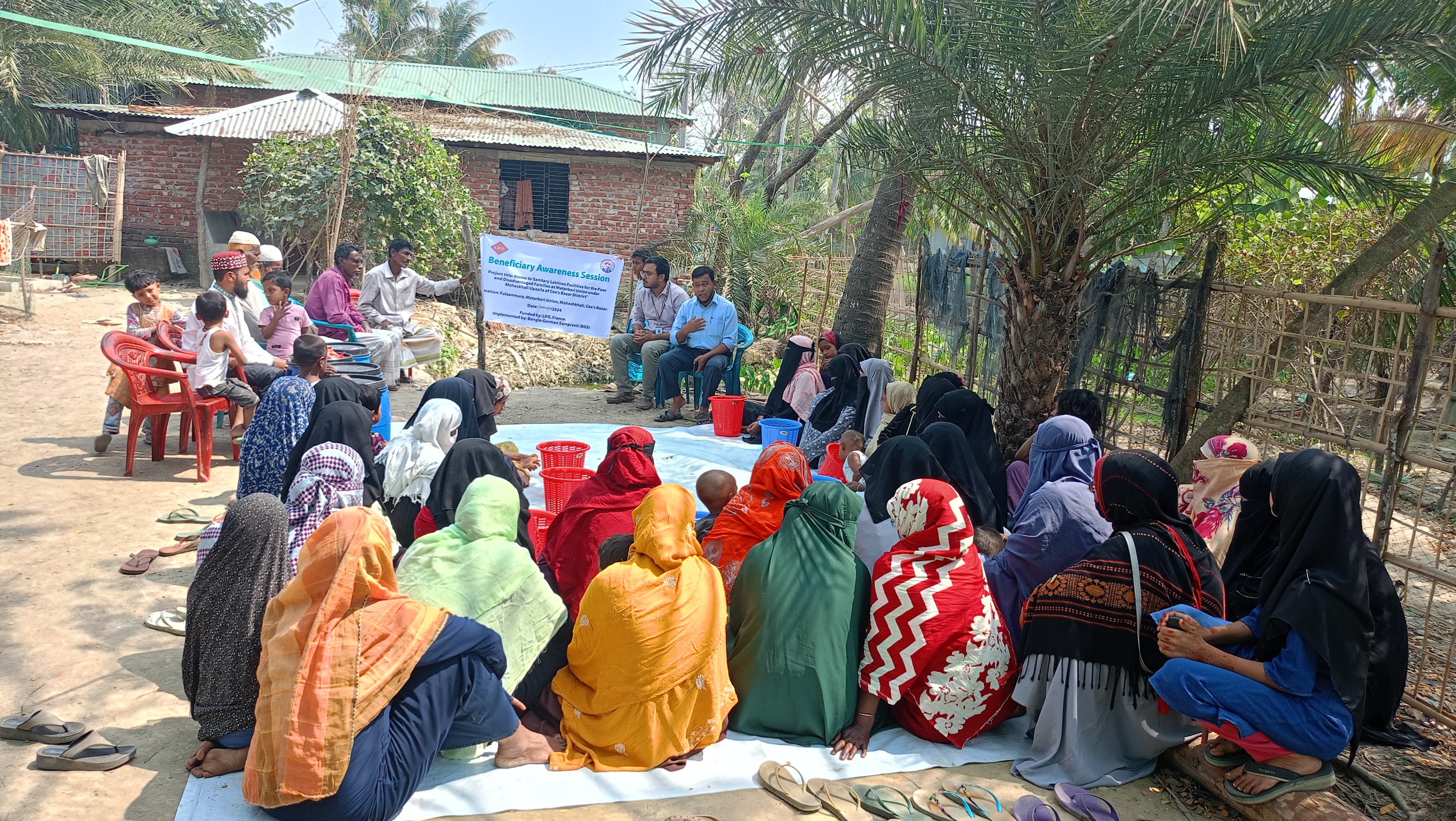
At LIFE, we build latrines in many countries, including Bangladesh! In Moulvibazar district, few poor households have sanitation facilities. Most people work on tea gardens for low wages, so investing in even basic sanitation and hygiene facilities is out of reach. In fact, 31% have no toilet at all! In the villages of Shaitula, Nimai Shibbari, Isoppur, Majdhee Pahar, Kalapur, Sirajnagar and Baruna, we have built 106 latrines. No fewer than 551 people in 106 households will benefit.
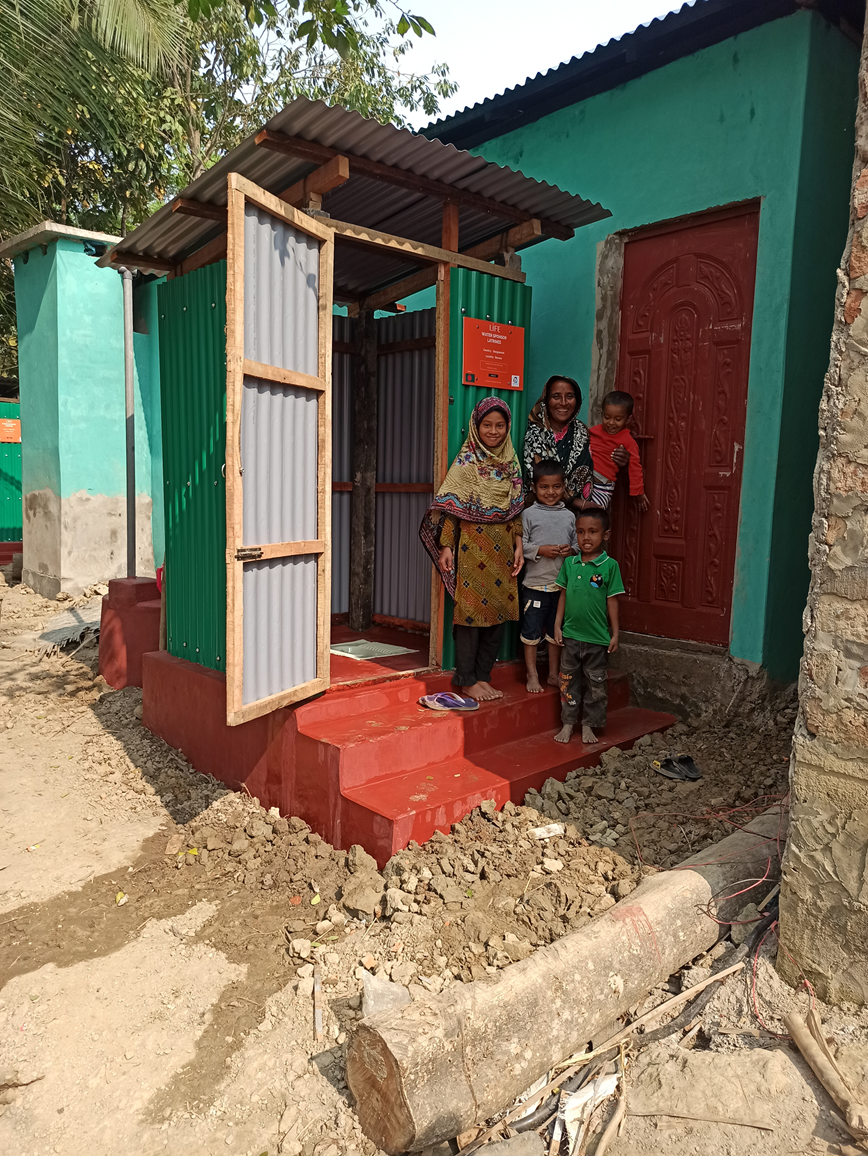
How latrines reduce health risks
Open defecation puts people at high risk of catching faecally transmitted diseases. Human excrement contains pathogens such as bacteria, viruses and parasites that can contaminate water, soil and food. As a result, people who don’t use toilets, or who live near unsafe defecation sites, are more likely to develop illnesses such as diarrhoea, cholera, dysentery and typhoid fever. Building latrines offers an effective solution: a safe, hygienic way to dispose of waste, which reduces the risk of these diseases spreading.
Did you know? A latrine works by channelling faeces into an underground pit, where they break down naturally through biological processes. Toilets are more modern facilities, with bowls connected not to a pit but to a sewer system.
Protecting water quality with latrines
Toilets help protect water quality and the environment. Why? When faeces are disposed of improperly, they can contaminate drinking water sources and surrounding soil, causing health problems and ecological damage. By using latrines, communities avoid polluting their surroundings and safeguard their water resources for the future.
Did you know? For World Water Day on 22 March 2024, UNICEF published a report stating that every day, more than 1,000 children under 5 die from diseases linked to unsafe water and poor sanitation. This is especially true in Africa.
A better quality of life
For communities that gain access to latrines, the benefits go far beyond preventing disease. These facilities bring people dignity, safety and comfort. Thanks to them, children can go to school without worrying about having no toilet. Girls can keep going to school during their periods.
Did you know? According to UNICEF, one school in three has no adequate toilets, and 23% of schools have no toilets at all.
At LIFE, we run many latrine-building campaigns through our OASIS programme. In Africa, Bangladesh and many other countries, we bring smiles and hope back to whole villages. Safe drinking water, sanitation facilities, hygiene and sanitation services: we take a holistic approach to public health.
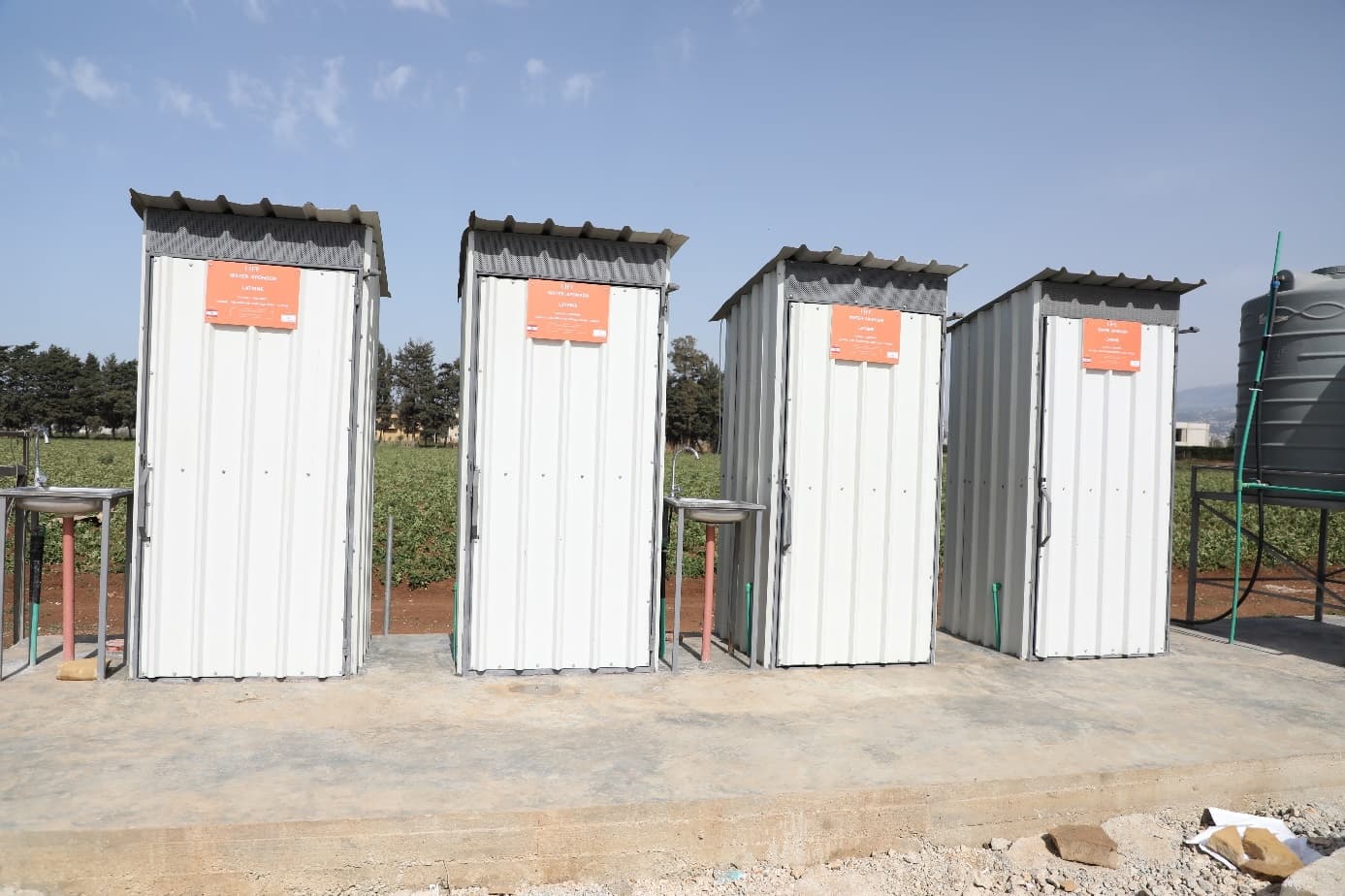
The dangers women and girls face without access to toilets
When latrines or toilets are built, women and girls are less exposed to danger when they need to relieve themselves at night, especially where personal safety is already precarious. Without these facilities, they may be forced to go to isolated or unsafe places, putting them at risk of assault, sexual violence or dangerous encounters with wild animals. The lack of latrines can also restrict their movements, particularly at night, which can affect their ability to take part in social or economic activities after dark and may leave them vulnerable to exploitation or the dangers of the street.
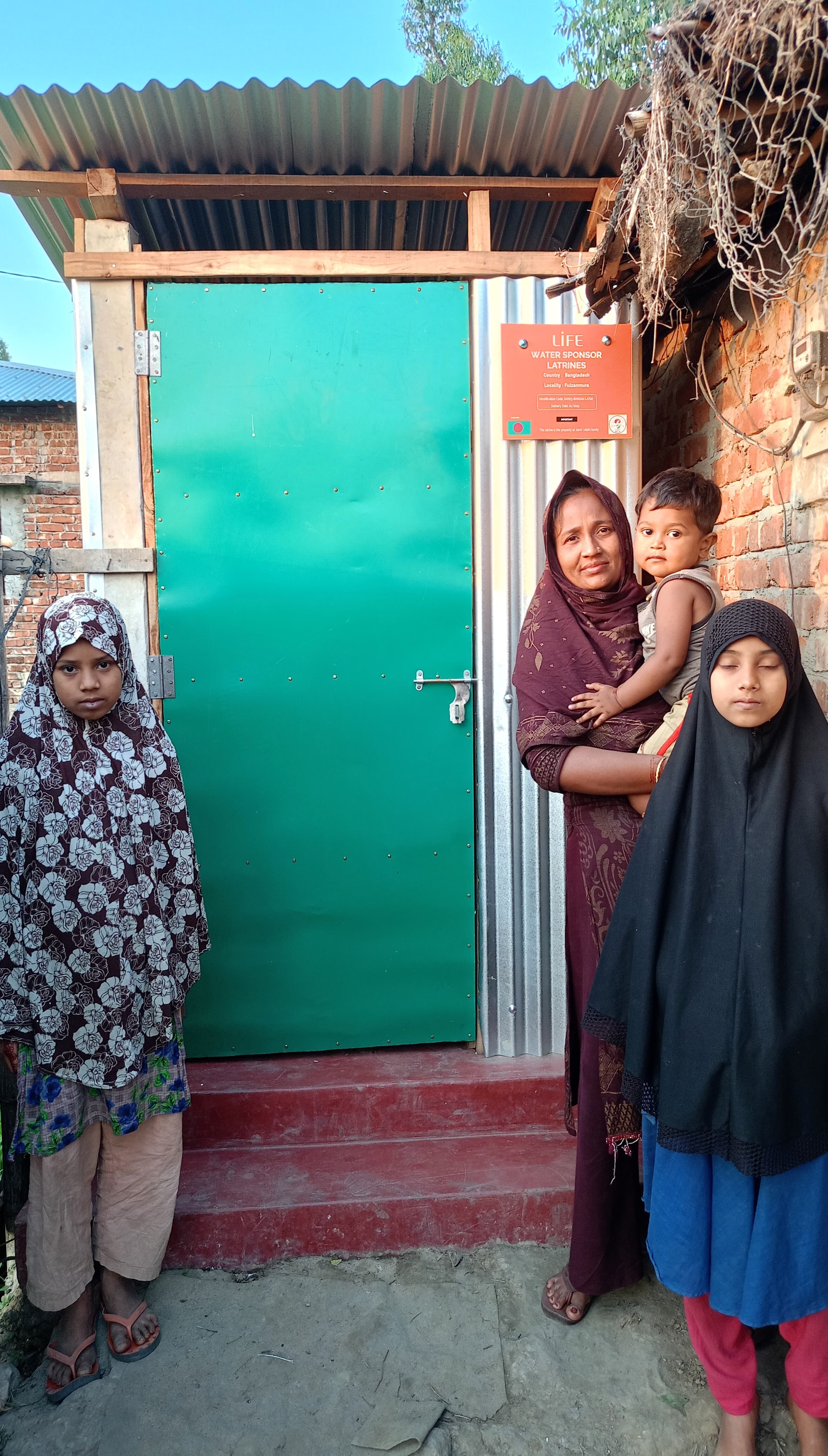
Building people’s resilience
By investing in latrines and toilets, governments and international organisations help communities become more resilient to health challenges. Programmes promoting hygiene and sanitation are essential to raise awareness of why these facilities matter and to encourage lasting hygiene practices.
A step towards sustainable development
Latrines and toilets are not just sanitation structures; they also drive sustainable development. By improving global public health, they boost economic productivity and help break the vicious cycle of poverty. And by easing pressure on natural resources, especially water, they help protect the environment for future generations.
Latrines combined with sanitation services
Building latrines must go hand in hand with sanitation initiatives, for several important reasons:
A holistic approach to public health
Without proper management of wastewater and solid waste, latrines themselves can become potential sources of contamination for the environment and local water sources.
So building a latrine isn’t enough. It also needs to be emptied regularly, for example, to stop organic waste building up.
The answer is a holistic approach to sanitation that combines latrine building with other hygiene and sanitation measures. This better meets communities’ health and environmental needs.
More effective protection of public health
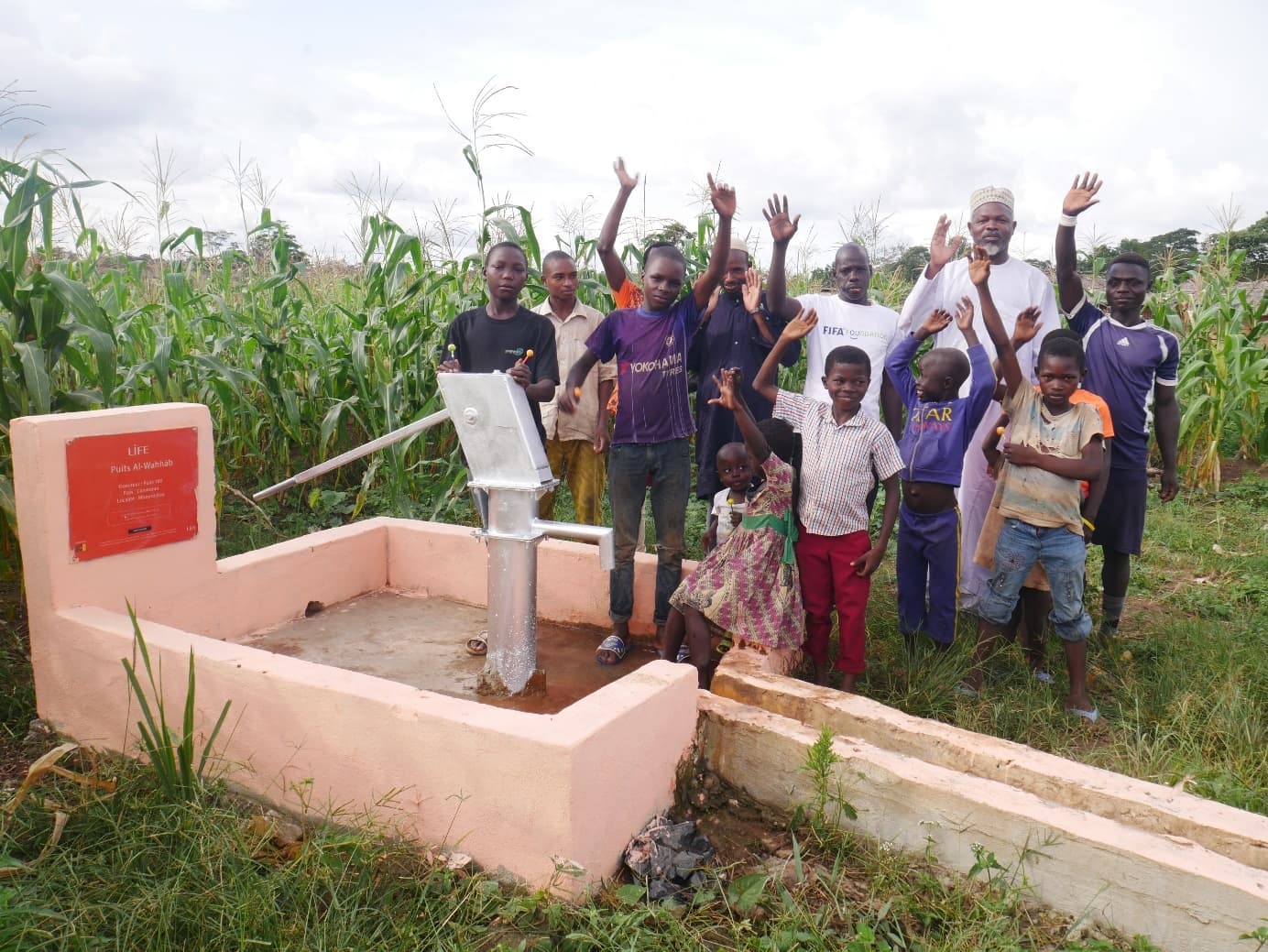
Full sanitation, which includes building latrines along with other sanitation infrastructure and services such as wastewater treatment plants, protects public health more effectively. By removing sources of contamination and providing access to adequate sanitation facilities, we can reduce the spread of waterborne diseases and improve people’s wellbeing.
Long-term effects
Sanitation initiatives that combine latrine building with other components, such as wastewater treatment and solid waste management, are more sustainable. They help create clean, hygienic environments that support people’s health and wellbeing over the long term, rather than simply offering a temporary fix to an immediate problem.
Why awareness and education matter
To maximise the impact of latrines on public health, it is crucial to run local awareness and education campaigns. People need to understand the benefits of good hygiene and be encouraged to adopt healthy sanitation habits. Training on building, maintaining and using latrines is also essential to keep them effective in the long run.
Tackling unequal access to latrines
Despite the progress made, many communities in developing countries still have limited access to latrines. Rural populations, peri-urban areas and marginalised groups are often hit hardest by this lack of sanitation infrastructure. It is therefore vital to target these areas and put inclusive policies in place to ensure fair access to latrines.
Collaboration and partnerships
Solving the challenges of latrine access calls for a multidimensional approach involving governments, international organisations, NGOs, private companies and local communities. Collaboration between them is essential to mobilise the resources needed, share best practice and deliver sustainable solutions worldwide.
In a world facing growing health challenges, building latrines is a tangible way to improve public health and promote people’s wellbeing in developing countries. Every latrine built is an investment in a healthier, safer and more prosperous future for all.
Ready to help?
I start a fundraiser
Support the causes close to your heart by starting an online fundraiser with LIFE.
Raising funds for a charity has never been easier!