International humanitarian law put to the test
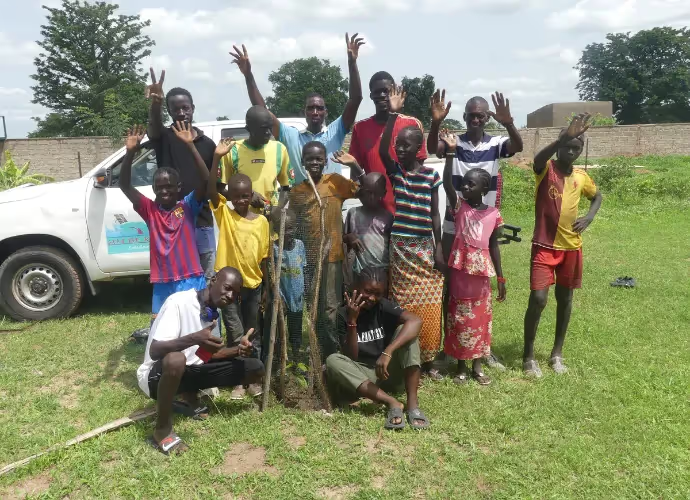
In a world swirling with uncertainty, international humanitarian law stands as the last shield of dignity and compassion. It is being tested as never before, fighting hard to uphold its vital mission: protecting vulnerable people. In 2023, the International Committee of the Red Cross (ICRC) documented more than 42,000 violations of international humanitarian law in 45 countries. It is an alarming figure, and it shows just how great the challenges facing international humanitarian law are:
Conflicts
One of the biggest challenges is the growing number of conflicts involving non-state actors, such as rebel armed groups or terrorist organisations. International humanitarian law has traditionally focused on conflicts between states, so it must now adapt to regulate these actors and make sure humanitarian principles apply everywhere. This adaptation matters for all of humanity.
Technology and cyberwarfare
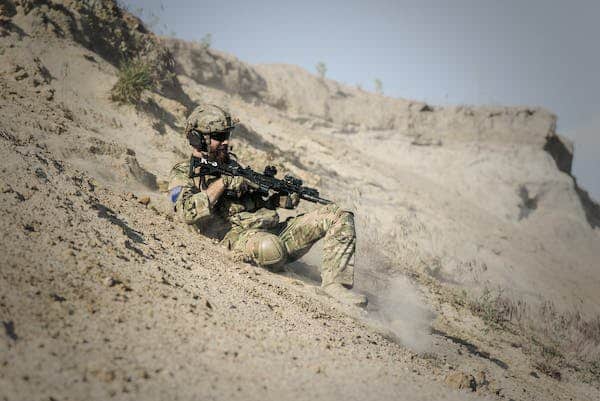
The rise of new technologies has transformed the very nature of conflict. From drones to cyberattacks, international humanitarian law must now evolve to properly protect civilians and civilian infrastructure from these new threats. The challenge is to keep the laws of war relevant in the digital age.

Mass displacement
Today's conflicts often force huge numbers of people to move, creating complex humanitarian crises. Every year, millions of people around the world are forced to leave their homes to escape insecurity. By the end of 2022, more than 108 million people had been displaced. This grim record of 100 million displaced people, the highest ever recorded, was passed largely as a result of Russia's invasion of Ukraine. International humanitarian law must evolve to meet these situations, protecting the rights of displaced people and refugees and making sure humanitarian aid is effective.
Fighting impunity
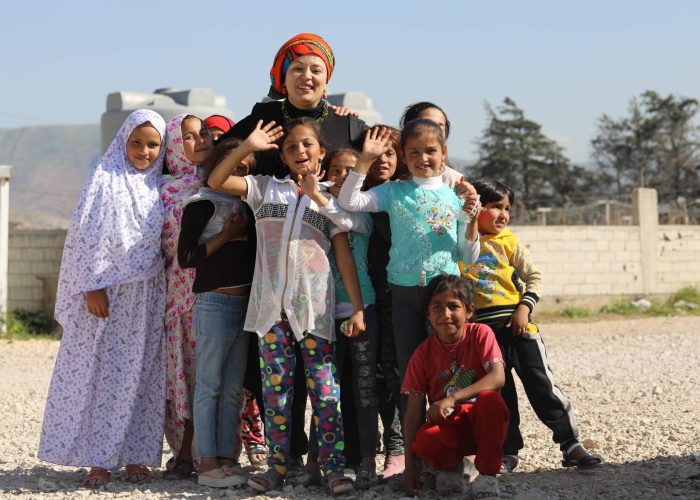
At the heart of international humanitarian law lies a firm belief that serious violations must never go unpunished. Applying this principle is still a challenge, especially in conflicts where responsibility can be hard to establish, such as attacks on civilians or the destruction of civilian infrastructure. The international community must work to bring those responsible for these acts to justice, so that victims see justice done and humanitarian standards are upheld.
Climate change and natural disasters
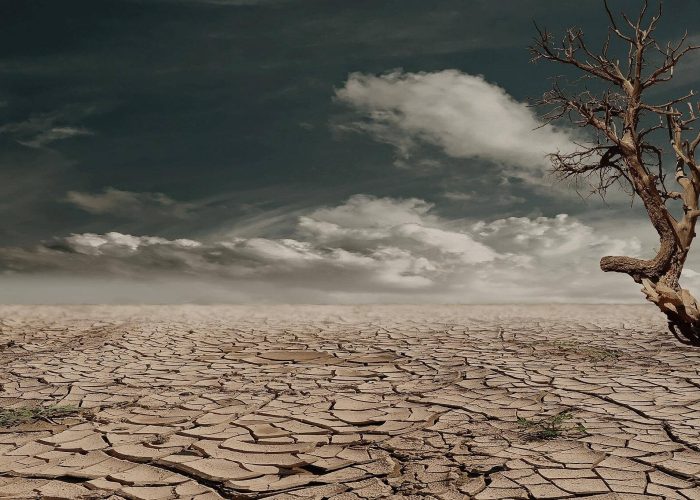
Armed conflict and climate change are two major problems which, when they combine, can have devastating consequences and lead to even more complex humanitarian crises. Climate change puts extra pressure on people who are already vulnerable, intensifies conflicts and makes the humanitarian response harder. In this context, international humanitarian law must anticipate these situations and take their impact on civilians into account. Strengthening the protection of fundamental rights, even in exceptional circumstances, is becoming essential.
LIFE's role
As a committed organisation, LIFE stands alongside people who suffer violations of international humanitarian law. We work tirelessly on the ground in more than 20 countries, bringing a glimmer of hope to people affected by some of these problems, whether by providing food aid, access to water or access to education. In Lebanon, for example, we work in the Al Imna and Abou Ibrahim refugee camps.
We are deeply committed to upholding the principles of international humanitarian law and protecting the fundamental rights of every individual. By taking this human rights-based approach, we strive to help build a world where everyone's rights are respected and valued, and where every person has the chance to live in dignity and safety.
International humanitarian law remains a pillar of compassion and dignity. In the face of these challenges, the international community must commit to strengthening it. Its evolution is essential to ensure that, even in times of conflict, human dignity and fundamental rights are protected, reminding us all that however complex the issues, humanity can always shine through the darkness. International humanitarian law remains a moral compass, guiding our world towards a more compassionate and fairer future.
Ready to help?
I start a fundraiser
Support the causes close to your heart by starting an online fundraiser with LIFE.
Raising funds for a charity has never been easier!