The impact of food aid in Africa

It's no secret that many African nations are facing a food crisis. Millions of people depend on food aid to survive, which makes it vital for easing the hardship of the most vulnerable. According to the Food and Agriculture Organization of the United Nations (FAO), nearly 243 million people in Africa were affected by hunger in 2020. That is almost a third of the total population. So how does food aid in Africa help to reduce hunger and strengthen communities?
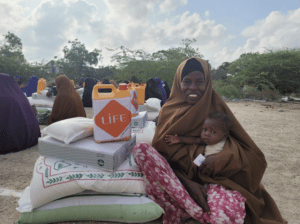
The impact of food aid programmes
Food aid programmes have been running for decades in many African countries. Food aid can take several forms, including food donations, food purchase cards and cash transfer programmes. Agricultural development programmes are part of the picture too. Food donations are often used to provide immediate relief during food crises, droughts, conflicts and other emergencies. But food aid programmes are not just about getting by. Some of them include agricultural development initiatives that help farmers become more productive and grow a wider range of crops. These initiatives can include providing seeds and tools, agricultural training, and microcredit schemes that help farmers invest in their farms. By raising agricultural productivity, they can help to improve food security in the long term. Cash transfer and food purchase card programmes, meanwhile, allow beneficiaries to buy locally produced food. This boosts the local economy and helps to improve food security in the long term.
Reducing poverty
Food aid can also make a real difference in reducing poverty. For example, a study carried out in Malawi by the World Food Programme (WFP) found that food purchase card programmes led to a 30% reduction in poverty among the households that received them. Even so, food aid should not be seen as a long-term solution to poverty. Instead, it should be used as a temporary way to support the most vulnerable people in times of crisis. To achieve lasting results, it also seems necessary to combine food aid with other economic development measures.
Better results in education
Food aid can have a positive effect on children's results at school. First, these programmes improve children's nutrition, which boosts their ability to learn and concentrate in class. What's more, food aid programmes encourage parents to send their children to school, because they know their child will get a meal there. By building a school canteen in northern Togo, LIFE has given 267 pupils a free meal every day. As a result, LIFE increased pupil attendance compared with the previous year, and the exam pass rate rose from 38% to 100%!
An impact on health
Nutrition is a powerful lever for health. Food aid programmes provide nutrient-rich food, helping to reduce malnutrition and deficiencies. This improves the overall health of beneficiaries and lowers their risk of illness.
Programmes? What does that mean?
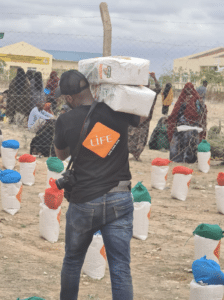
Food aid programmes are run by many international organisations, including the United Nations World Food Programme (WFP). These organisations work in partnership with local governments and NGOs to deliver food aid to those who need it most. The World Food Programme (WFP) works with governments to improve nutrition among vulnerable populations through safety-net programmes such as school feeding initiatives and cash transfers. Through its food aid programme, LIFE helps people suffering from hunger. On the ground, it works closely with its local partners. In Africa, the NGO is active in Benin, Kenya, Senegal and several other countries. In total, LIFE works in more than 25 countries and distributes on average more than 20 million meals a year to people in greatest need.
How can we improve food aid in Africa?
Food aid plays a vital role in reducing hunger in African countries. But there is still a great deal to do if we are to reach our goal of ending hunger worldwide by 2030. To get there, it is essential to make sure food aid works in the long term. That means focusing in particular on improving infrastructure, reducing waste and tackling the causes of hunger, among them political instability, conflict and natural disasters linked to climate change. It is also crucial to invest in agricultural technology, such as improved seeds and irrigation systems, so that smallholder farmers can increase their yields. Bigger harvests will in turn raise the incomes of these households, who depend on farming for their livelihood. These are all important steps we need to take, above all if we want our efforts for food security in Africa to succeed in the long term. Together, we can make sure food insecurity does not become an insurmountable problem for future generations!
Ready to help?
I start a fundraiser
Support the causes close to your heart by starting an online fundraiser with LIFE.
Raising funds for a charity has never been easier!