Transforming communities through girls’ education
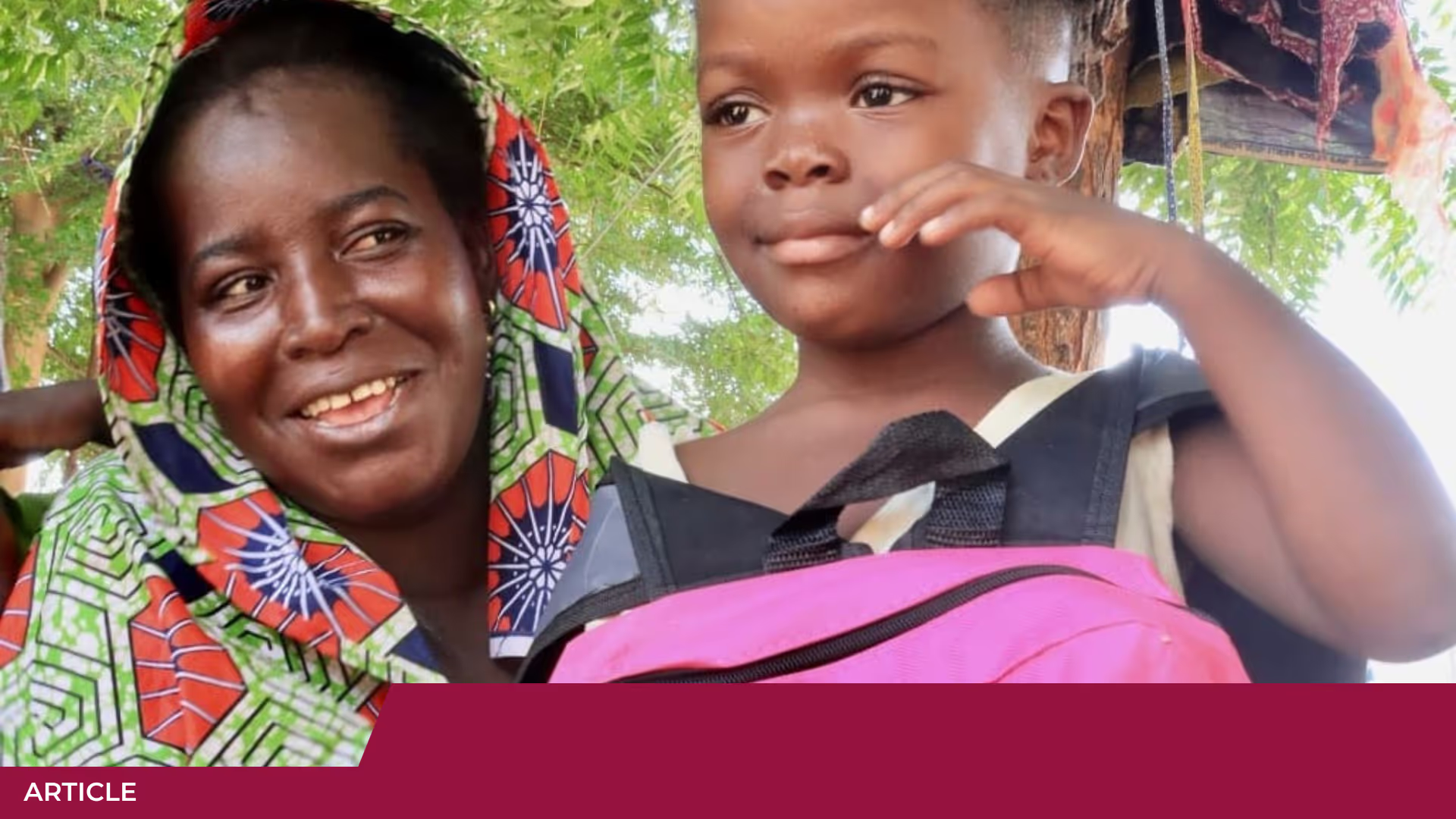
Imagine a world where every girl has the chance to learn, grow and fulfil her potential. A world where her dreams are not limited by her gender! That world is the key to a prosperous and fair future for every community. When girls are educated, they change their own destiny, and that of their families and those around them. Let’s explore how their education can revolutionise our societies and help build a bright future for all of us.
Girls’ education: a fundamental right
Girls’ education is first and foremost a question of human rights. Every girl should be able to go to school. Yet in many countries, girls still face considerable obstacles. Cultural traditions, poverty and discrimination often limit their access to education. Today, 129 million girls around the world are out of school, according to UNICEF. What’s more, in conflict zones, girls are twice as likely to be denied an education as those living in countries at peace.
Educating girls to reduce poverty
Educating girls is one of the most effective ways to fight poverty. An educated woman generally invests more in her children’s health and education. This creates a virtuous circle of prosperity across generations. Families and communities benefit directly from these higher incomes.
Did you know? Each extra year of secondary schooling can increase a girl’s future earnings by 15 to 25%.
Improving public health
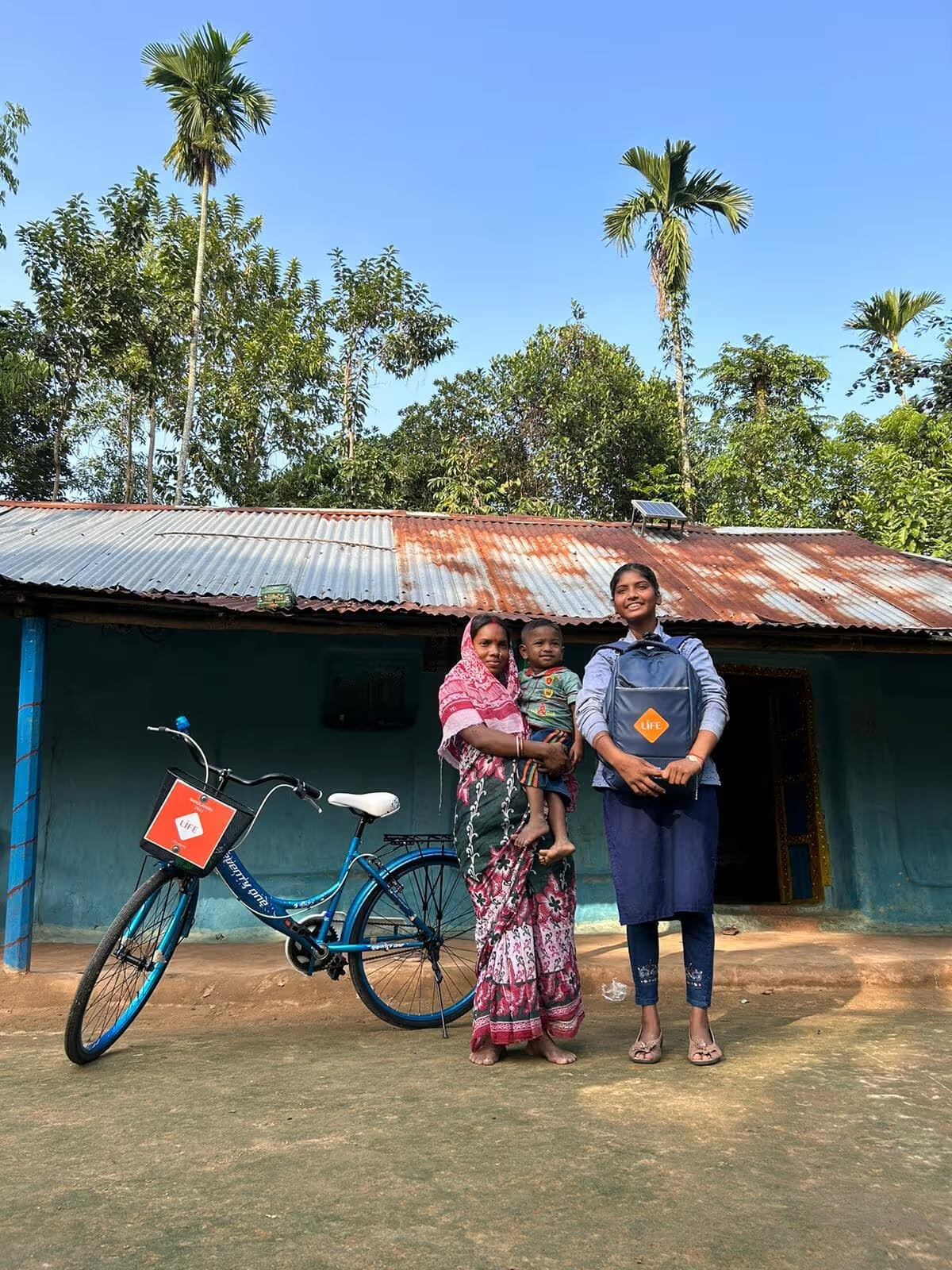
Educated girls are more aware of health issues. They are better informed about nutrition, hygiene and disease prevention. They are also more likely to marry later and have fewer children. These factors contribute to lower infant and maternal mortality rates. In India, for example, a study by IIASA (the International Institute for Applied Systems Analysis) found that mothers’ education, particularly secondary education, is crucial to reducing mortality among newborns and children under five, in both rural and urban areas.
Promoting gender equality
Education, especially higher education, prepares women to play an active role in government, business and civil society. They become aware of their rights and are better able to stand up against discrimination and abuse. An educated girl can take part in the political and social life of her community. She becomes a voice for change and equality. This greater participation fosters fairer, more equitable societies.
Educating girls for world peace and stability
Educated women are often effective mediators in conflicts. They play a key role in preventing and resolving them. Thanks to them, communities tend to be more stable and less prone to violence.
Contributing to sustainable development
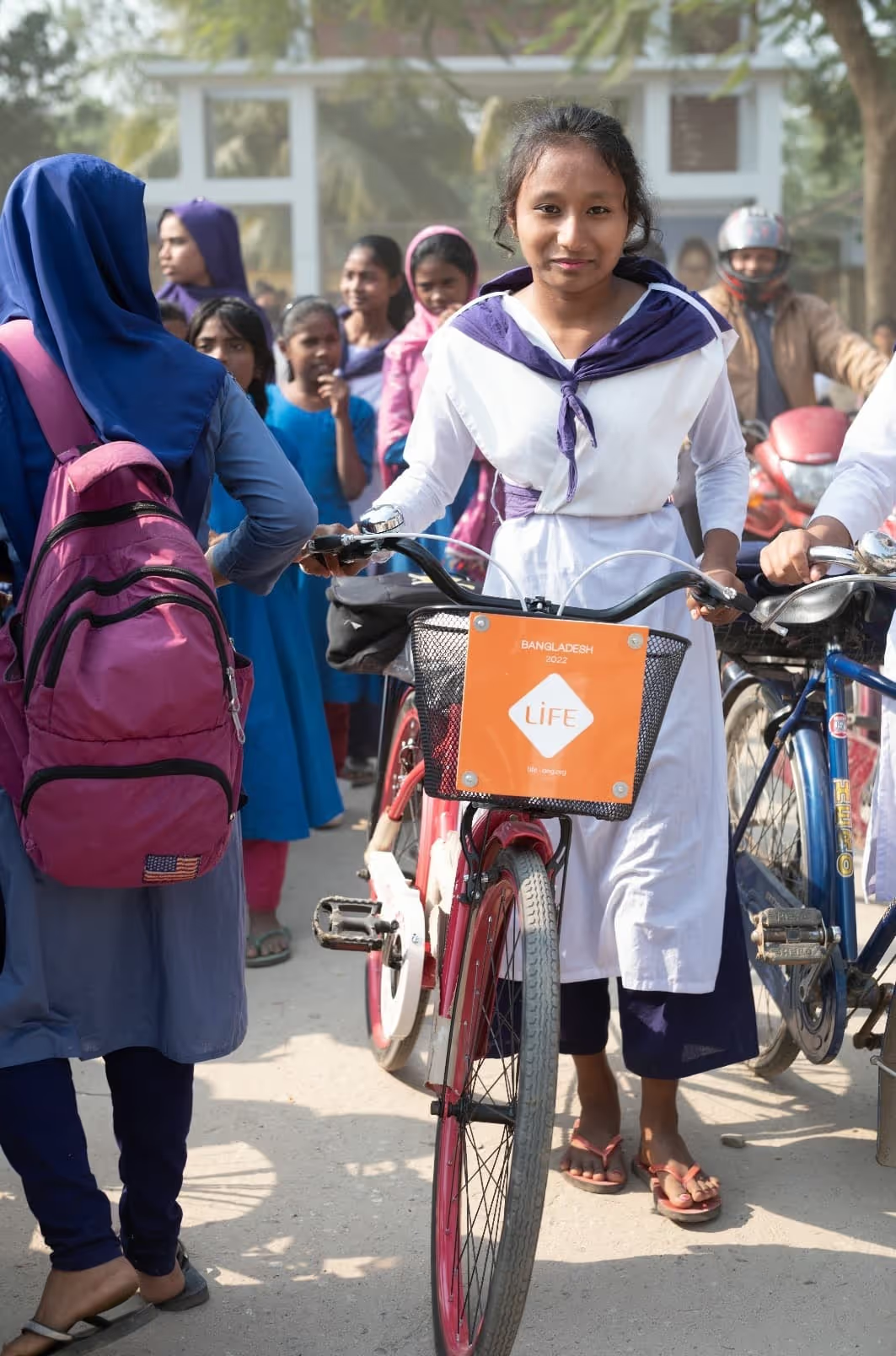
The role of girls’ education in sustainable development is beyond dispute. Educated girls and women are more likely to join the workforce, earn higher wages, and delay marriage and having children. This often leads to smaller, healthier families that are better placed to invest in their children’s education and wellbeing. In turn, this helps slow population growth, ease pressure on the Earth’s natural resources and limit the effects of climate change. Educated women are also more aware of environmental issues and sustainable practices. They are often at the forefront of local initiatives to protect the environment.
Did you know? According to Project Drawdown, girls’ education and family planning could cut carbon emissions by 85 gigatonnes by 2050.
The challenges facing girls’ education
Despite the progress, major challenges remain. In some regions, girls still have to overcome considerable obstacles to get an education. Early marriage, child labour and gender-based violence are common barriers. Inadequate school buildings and a lack of educational resources make the problem worse.
Did you know? 650 million girls have been married before the age of 18, equivalent to 1 in 5 worldwide. In sub-Saharan Africa, 34% of women are married before the age of 18.
Promising solutions
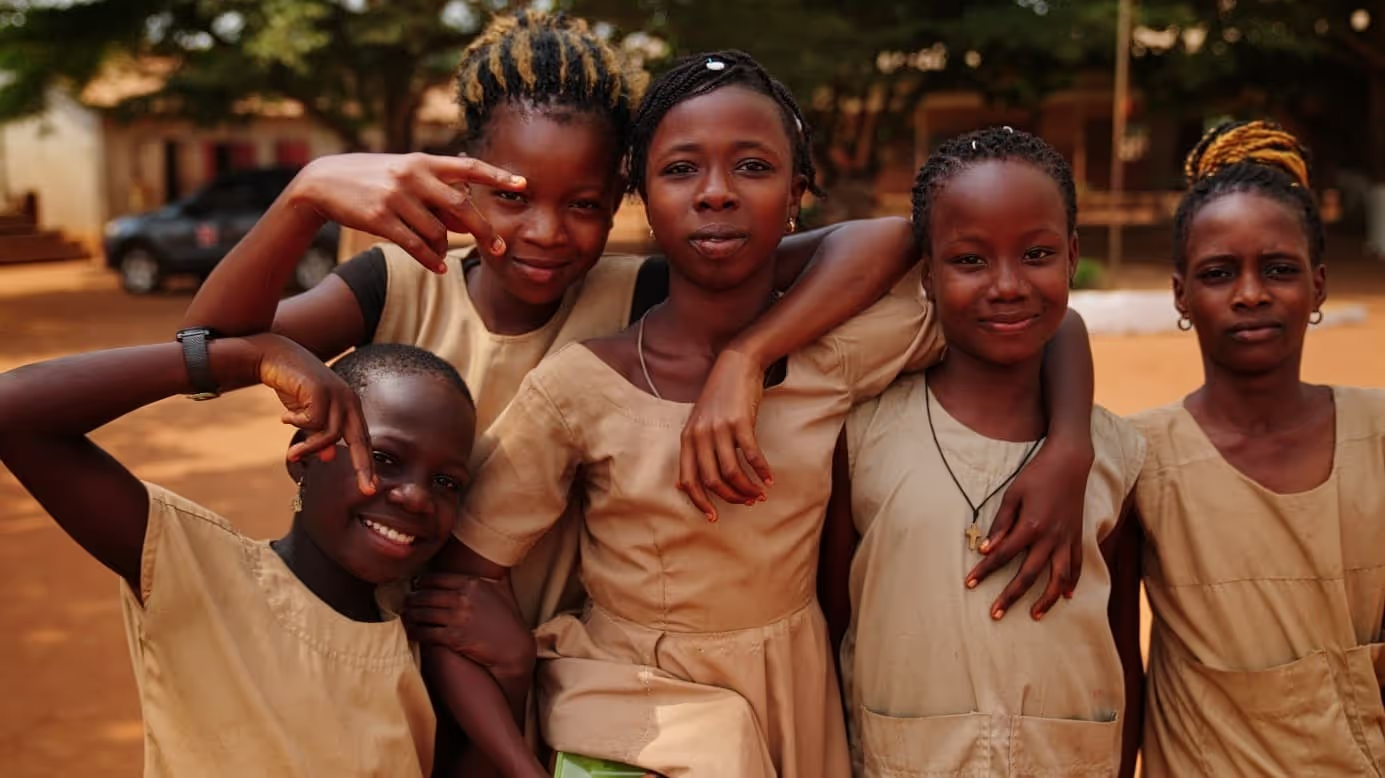
Several promising solutions are helping to overcome these challenges. Scholarship and financial support programmes help families send their daughters to school. Awareness campaigns shift cultural attitudes and encourage girls’ education. Better school buildings and safe learning environments are also essential.
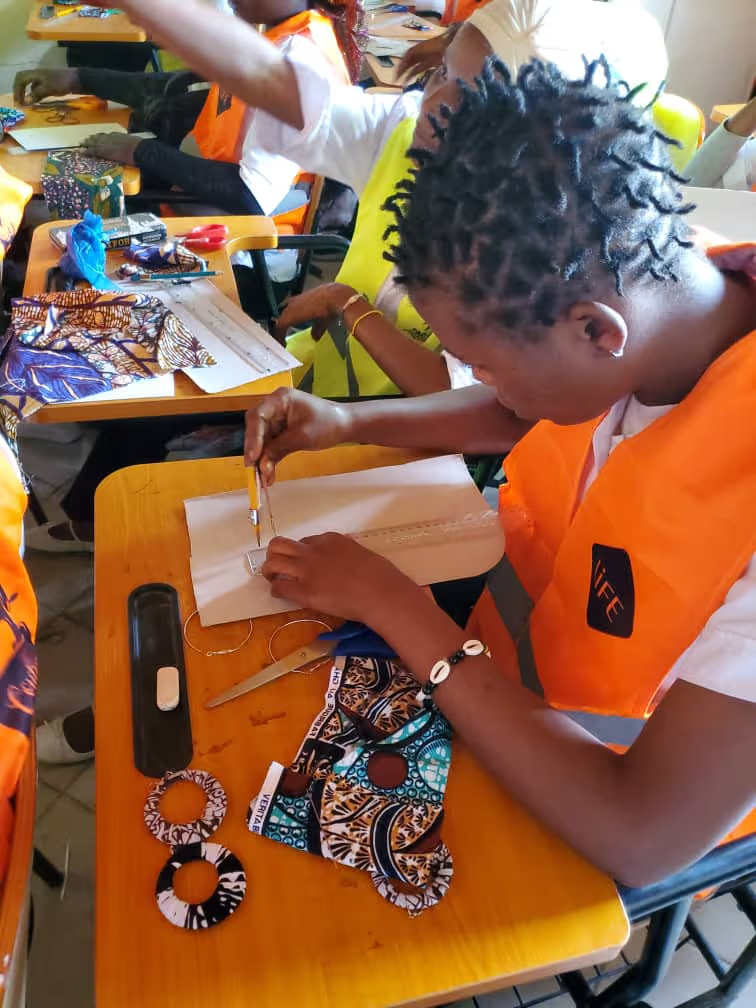
At LIFE, we work day after day to give girls in many communities the chance to go back to school. We do this in several ways: by building safe drinking water wells near their villages, we spare them the burden of walking long distances to fetch water, so they can focus on school. By providing bicycles, we shorten their journeys and make them safer. By installing sanitation facilities in schools, we improve their health and hygiene, reduce absences linked to menstruation, and protect their safety and dignity. And by offering them tailored training, we help them access job opportunities and thrive.
Educating through new technologies
Technology plays a growing role in girls’ education. Online learning platforms and educational apps offer accessible ways to learn. They allow girls to study even in disadvantaged settings. Technology can bridge the education gap and open up new horizons.
Encouraging community engagement
Communities need to understand the importance of girls’ education. Local leaders, teachers and parents must be involved. Their support is essential to create an environment where girls can learn and to offer them a bright future.
Inspiring examples
Many examples show the positive impact of girls’ education.
In Rwanda, after the 1994 genocide, women were a pillar of reconstruction. The country is now a model for advancing women and preventing violence against them. In twenty years, female literacy there has risen from 20% to 91.7%. The number of women in business has also doubled.
In Pakistan, Malala Yousafzai’s fight and resilience inspire millions of girls around the world.
Did you know? Malala Yousafzai is a Pakistani campaigner for girls’ education and the youngest ever Nobel Peace Prize laureate. Born on 12 July 1997 in Mingora, Pakistan, she became known in 2009 for writing a blog under a pseudonym for the BBC, describing life under the Taliban and their ban on girls’ education. In 2012, she was seriously wounded when a Taliban gunman shot her because of her activism. After recovering in the United Kingdom, she carried on her campaign for girls’ education worldwide. Today, she continues to advocate for access to education for every girl around the world.
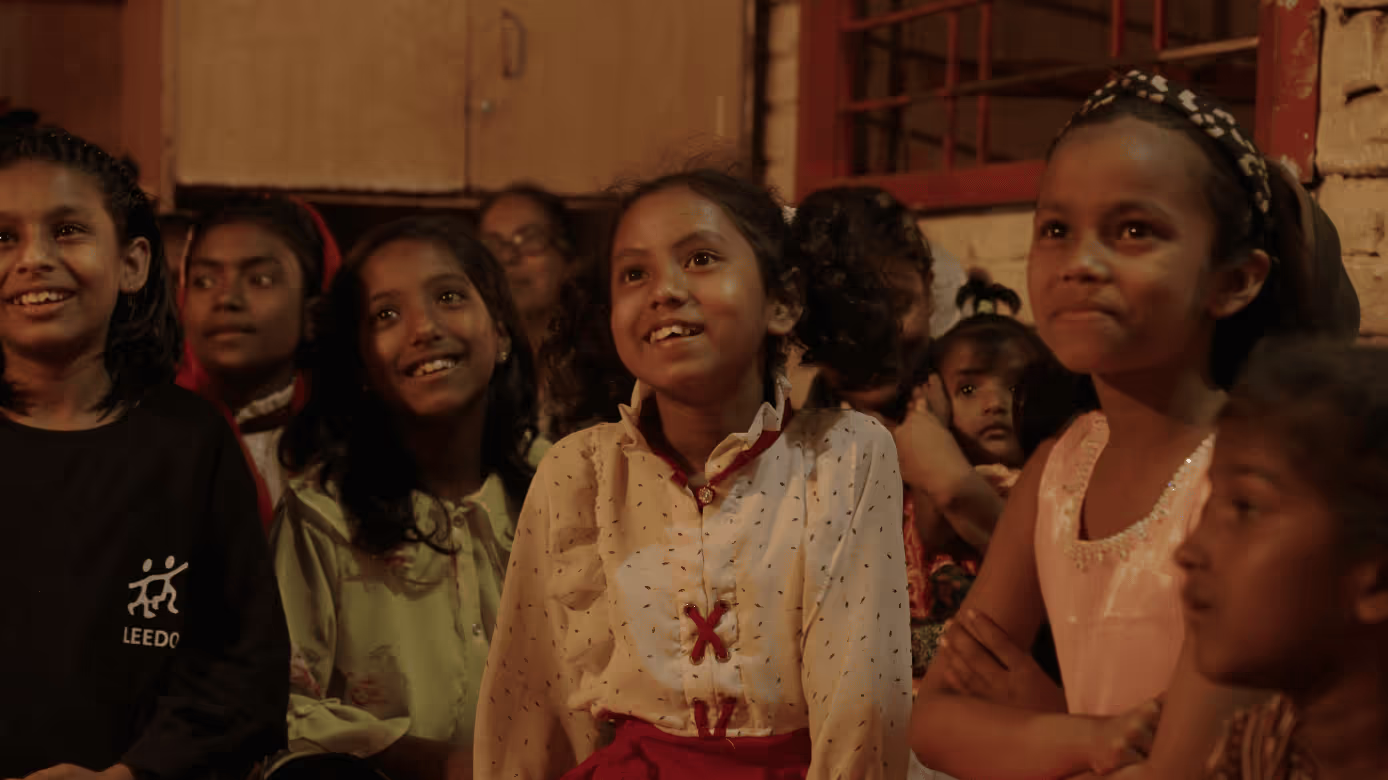
Girls’ education transforms communities in deep and lasting ways. It is a driving force for economic development, public health, gender equality and peace. Despite the challenges, the progress is real and tangible. Our shared commitment to girls’ education is an investment in a fairer, more prosperous future. By supporting it, we build stronger, more resilient communities, ready to face the challenges of the future with optimism and determination.
Together, let’s give girls everywhere the means to fulfil their potential
Ready to help?
I start a fundraiser
Support the causes close to your heart by starting an online fundraiser with LIFE.
Raising funds for a charity has never been easier!