5 facts about climate refugees
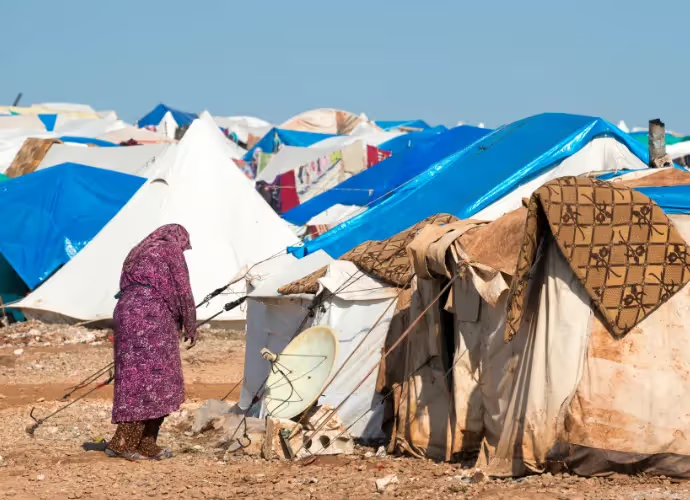
Every year our planet grows a little warmer, and the consequences are already plain to see. Ice is melting, wildfires are raging, storms are becoming more frequent and rising seas are eating away at our coastlines. Behind these dramatic climate events lies a reality that often goes unnoticed: the plight of climate refugees. They move to survive, in search of a better future.
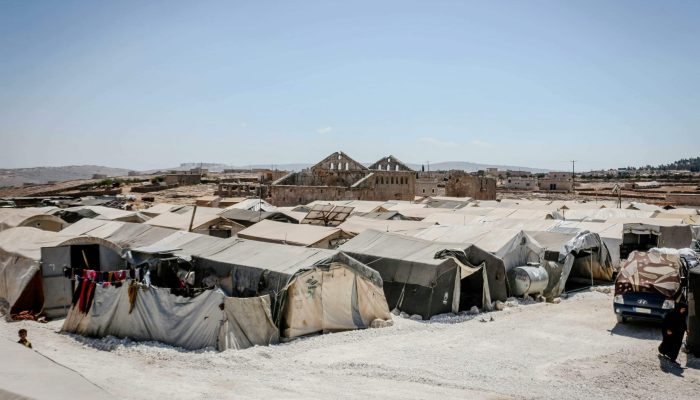
1. A population counted in millions
The climate refugee crisis is a largely overlooked tragedy. Millions of people are displaced every year by extreme weather events, yet their suffering often goes unseen.
By 2050, climate change could force nearly 216 million people to move within their own countries.
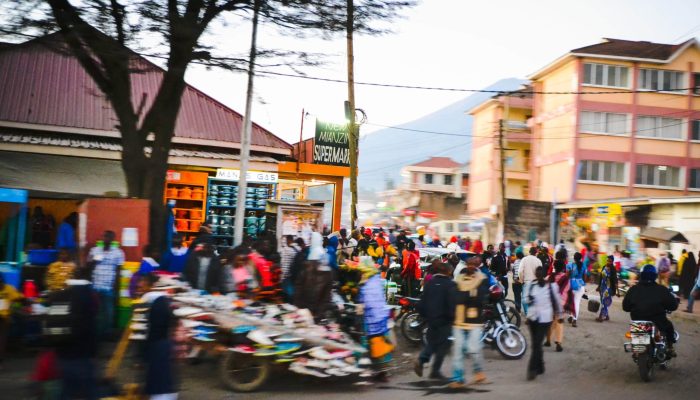
2. Climate refugees from every region of the world
The climate crisis knows no borders. Climate refugees come from every region of the world. In the Pacific, island nations such as Tuvalu, Kiribati and the Maldives face rising sea levels that threaten to swallow their land within just a few decades. The people of these islands are among the very first climate refugees, seeking higher ground to escape the relentless rise of the waters.
Africa is also seeing mass climate-related displacement. The Sahel is suffering from worsening desertification, which is reducing soil fertility and threatening farmers' livelihoods. Countries such as Sudan and Nigeria are experiencing conflicts linked to water resources and drought, forcing many families to leave their homes.
In Asia, coastal regions are especially vulnerable to rising sea levels and ever more violent storms. Because of its geography, Bangladesh is one of the countries most exposed to the risk of natural disasters. Millions of people live in high-risk areas, and the climate crisis is forcing them to move to already overcrowded cities such as the capital, Dhaka.
3. Facing food insecurity and water shortages
Climate refugees have left everything behind: their homes, their land and, with them, their livelihoods. As a result, they face severe food shortages and a lack of access to clean drinking water.
To fight world hunger, all year round we distribute food parcels in 25 countries through our "1 euro = 1 meal" campaign. This helps people in need to eat their fill and find a little comfort.
4. Climate refugees: children on the front line
Children are among the most vulnerable to the climate crisis. They are often forced to leave home, with their parents or on their own, which disrupts their education and puts their future at risk.
Every year, 66.5 million children are affected by the consequences of global warming, a figure set to reach 175 million over the next decade. According to UNICEF, African children, particularly those in the Central African Republic, Chad, Nigeria, Guinea, Somalia and Guinea-Bissau, are especially vulnerable to the impacts of climate change.
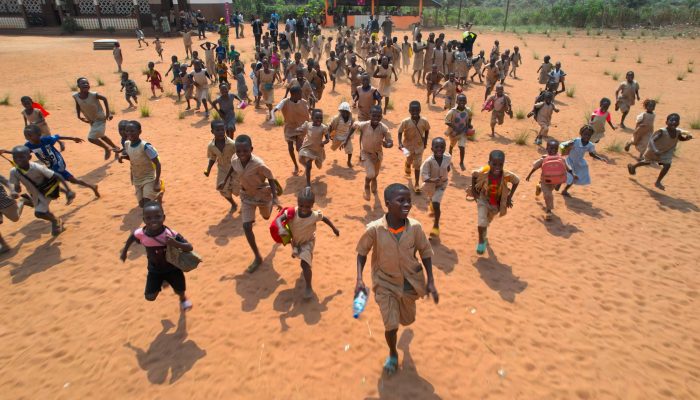
5. Inadequate legal protection
Climate refugees do not always enjoy the legal protection granted to political refugees. Without a distinct legal status, they lack clear legal protection and remain uncertain of their rights. They are therefore often left at the mercy of national laws, which can expose them to exploitation and discrimination.
In many countries, for example, climate refugees can be forcibly displaced, shut out of basic social services and sometimes even evicted without adequate legal recourse.
This legal vulnerability is a major obstacle to protecting the rights of climate refugees, and it underlines the need for international action to close this legal gap.
The climate refugee crisis is an alarming reality that demands urgent attention and collective action. Each of us has a vital part to play in easing this crisis and bringing about meaningful change. We can start by reducing our carbon footprint: adopting more sustainable lifestyles, using less fossil fuel and encouraging the use of renewable energy.
As engaged citizens, we also have the power to press our political leaders to adopt more ambitious climate policies and commit to cutting greenhouse gas emissions. Our shared responsibility is to help build a more resilient future for everyone. Together, we can make a difference!
Ready to help?
I start a fundraiser
Support the causes close to your heart by starting an online fundraiser with LIFE.
Raising funds for a charity has never been easier!