Environmental NGOs: key players in protecting the planet

Greenpeace, WWF, the Ligue pour la Protection des Oiseaux (LPO), Friends of the Earth, LIFE and many more: these environmental NGOs no longer work only behind the scenes. They have become key players in protecting the planet. They play a vital role in promoting sustainable development, preserving biodiversity, tackling climate change and driving the ecological transition. Their demands ring out as calls to action, and their work knows no borders. Present all over the world, they are helping to shape a greener future.
How did these organisations become so indispensable? Let's explore the role, motivations and roots of these guardians of the environment, step into the daily lives of these tireless defenders of nature, and look at the challenges they face today.
What is an environmental NGO?
In a nutshell
An environmental NGO, or environmental non-governmental organisation (ENGO), is a not-for-profit body that is independent of the state. It may take the form of an association, a foundation, a cooperative and so on.
Its initiatives and actions aim to preserve, protect and improve the environment and biodiversity, and to fight climate change. It generally operates outside government structures. This gives these organisations freedom of action and flexibility in setting their goals and missions.
All over the world, environmental NGOs work actively to raise public awareness of environmental and climate issues. But that's not all! They also take practical steps to reduce harm to nature and promote sustainable practices.
Areas of work
Environmental NGOs may focus their efforts on one or more areas:
- Fighting climate change;
- Fighting deforestation;
- Preserving biodiversity;
- Promoting sustainable development;
- Managing natural resources;
- Reducing waste;
- and many other initiatives aimed at creating a harmonious balance between human activity and the ecosystem.
Did you know? In France, an NGO can be officially recognised as being of public utility, a status held by exemplary organisations such as France Nature Environnement. However, this recognition, though well deserved, is not a hard and fast rule. One example illustrates this: Greenpeace, a global icon, does not hold public-utility status. It shows just how varied the paths taken by these guardians of our planet can be.
How they work
Most environmental NGOs focus on non-violent, lawful approaches to achieve their goals. Most of the time, they seek to win public support, influence government policy and work alongside a range of stakeholders to solve environmental problems.
How do environmental NGOs take action?
Environmental NGOs carry out a wide range of missions, but all of them are geared towards preserving, protecting and promoting a healthy, sustainable environment. Here is a selection of what they do.
Environmental NGOs and research
Environmental issues have a strong scientific dimension. As a result, environmental NGOs and scientific research very often work hand in hand, united in a shared quest to understand, preserve and restore our planet. This partnership, this mutual stimulation, takes many forms.
Engaging in scientific research
Environmental organisations take part in independent research projects or form partnerships with academic institutions and laboratories. Together, they explore specialist fields, from biodiversity to the effects of climate change. This research produces crucial data that guides action to protect the planet. One example is the work of an organisation such as the Fondation pour la Recherche sur la Biodiversité (FRB), which supports innovative research projects.
Informing and explaining
Once scientific findings are in, environmental organisations become passionate ambassadors for this new knowledge, making the messages accessible to the general public.
Building bridges
NGOs build bridges between the scientific community and the need for solutions to protect the environment and the climate. They turn discoveries into practical action, helping sustainable solutions to be developed and put into practice.
Driving a virtuous circle
This symbiosis creates a virtuous circle: science feeds action, action throws up new challenges, and those challenges inspire new research.

An example of collaboration between scientists and NGOs
The international NGO Sea Shepherd works with scientists on operations to protect endangered marine species, including whales, dolphins and turtles, as part of ocean conservation. This partnership involves gathering scientific data in the field, such as mapping animal migrations, assessing populations and studying habitats.
The scientists bring their technical expertise and methodological rigour, while the NGO provides funding, access to critical areas and the ability to mobilise volunteers.
Projects on the ground
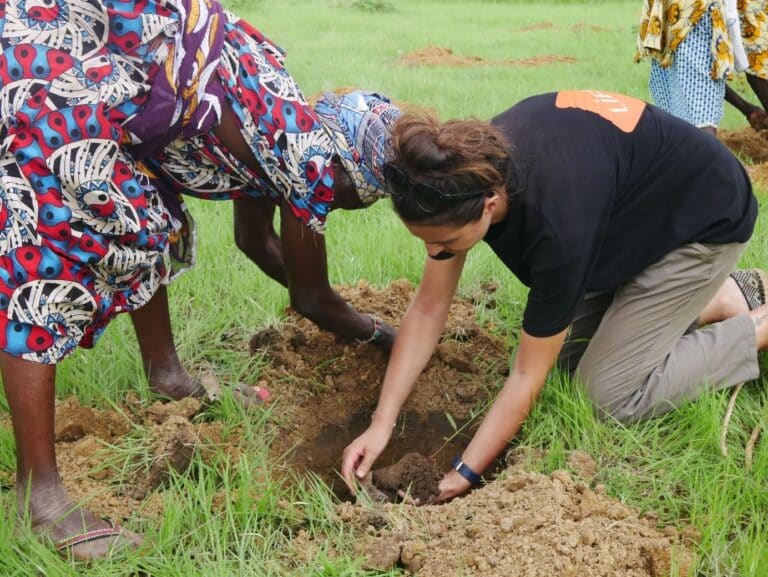
Many environmental NGOs run practical projects on the ground. These may include restoring ecosystems, creating nature reserves, introducing sustainable management of natural resources, promoting renewable energy and more. These projects contribute directly to protecting the environment.
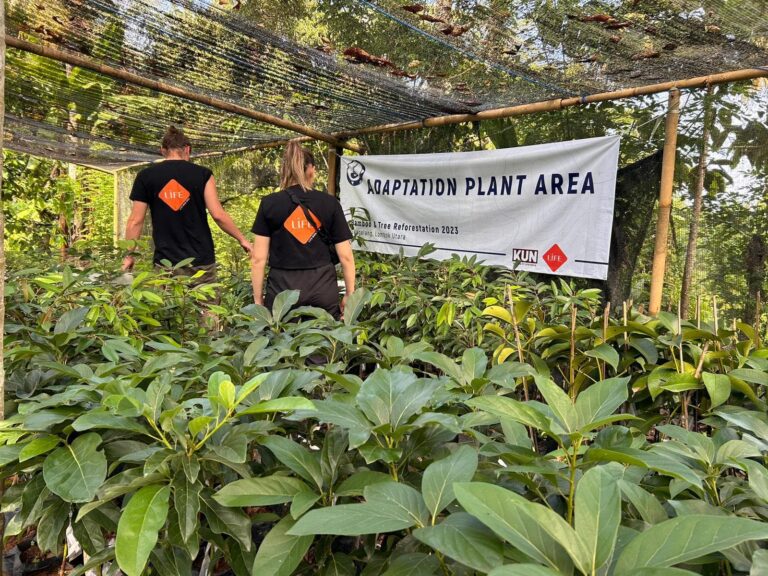
At LIFE, we work on the ground all over the world. In many countries, we support communities in need, in environmental emergencies and preventively, in the face of the challenges of climate disruption, all year round. Whether it's building wells for clean drinking water, setting up agroforestry systems, restoring ecosystems and more, day after day we work to build a better, greener future.
For example, we are working in Indonesia, in the West Nusa Tengarra region, and more specifically in the village of Genggelang. There, we are running a project to plant mangroves and fruit trees. 5,000 bamboos and 15,000 fruit trees (rambutan, durian, nangka, avocado, mango and more) will help improve the quality of the environment. But that's not all! The plantations will also boost the community's income. 100 families will benefit from this reforestation, and among them, 30 people will be trained to use bamboo for furniture-making and crafts. This project's positive impact is far-reaching and will help leave a lasting legacy for future generations.
At the forefront of awareness and education
Beyond direct action, environmental NGOs have a unique power: raising awareness among the general public. Their ability to draw attention to crucial issues, often overlooked by traditional media, is a powerful weapon in the fight to protect the planet. Poster campaigns, hard-hitting media campaigns on social networks, demonstrations in farmland threatened by a construction project and more: there are many ways to open people's eyes and encourage more sustainable behaviour all over the world.
Lobbying and advocacy
NGOs act as spokespeople for the environment. They put pressure on governments, businesses and other players to adopt more environmentally friendly policies. Their influence in decision-making circles can lead to significant changes in regulations and industrial practices.
Managing environmental crises
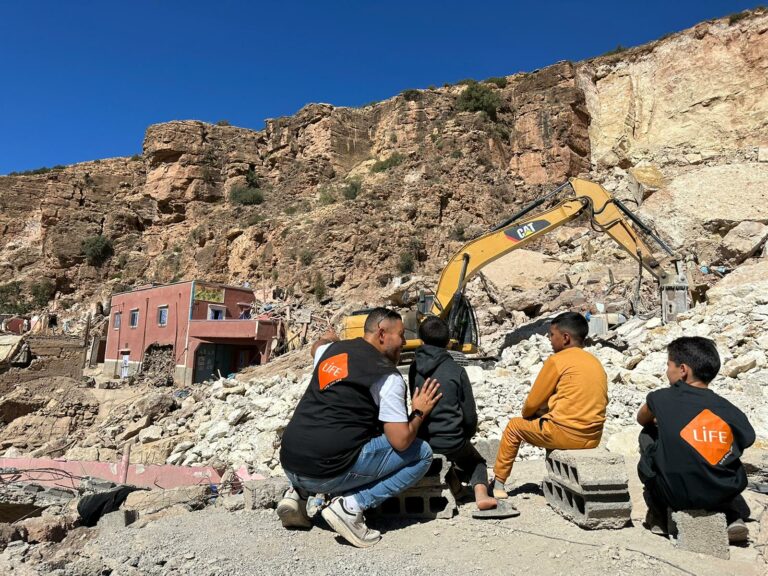
When natural disasters or environmental crises strike, NGOs are often among the first on the scene. They provide immediate assistance and expertise, take part in relief operations and help rebuild affected areas sustainably.
Unrelenting vigilance
Environmental NGOs keep a tireless watch on any human activity that could harm the planet. Scrutinising industries, governments and businesses, they speak out against any damage to the environment. Their vigilance helps expose careless practices, hold those responsible to account and promote a culture of environmental responsibility.
Current challenges and obstacles
Environmental NGOs do not have an easy ride. Political barriers, a lack of adequate funding and hostility from certain industries are constant obstacles. Despite these challenges, their determination and resilience keep driving them forward. Loudly and tirelessly, they insist that the environmental cause is a battle worth fighting.
Protecting the planet can no longer do without the work of environmental NGOs, the true sentinels of our ecosystem. Their action crosses borders, influences policy, raises awareness, mobilises society and weaves an international network of players. Safeguarding our planet is crucial, and the existence and commitment of every environmental organisation have become a source of hope for a more sustainable future. It is time to recognise and support the indispensable role these organisations play in protecting the Earth we call home.
Join us and together let's help build a greener planet
Ready to help?
I start a fundraiser
Support the causes close to your heart by starting an online fundraiser with LIFE.
Raising funds for a charity has never been easier!