Conflict and food insecurity
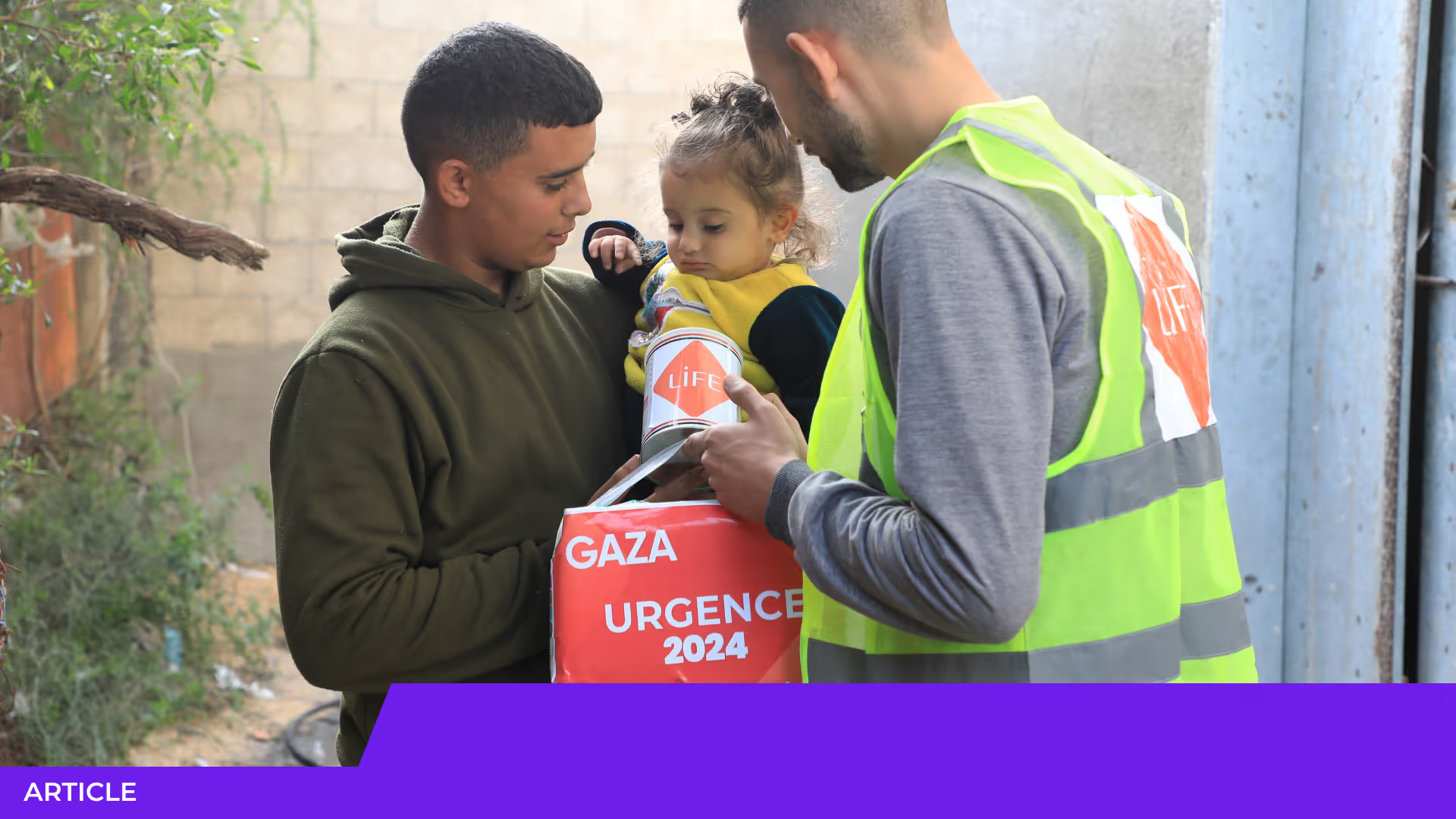
Where there is war, hunger follows. Today, millions of people face food insecurity caused by conflict… Entire communities can no longer get hold of basic foods. And in an interconnected world feeling the effects of climate change, the impact of these crises is spreading ever faster and ever further.
But there are ways to bring back hope. The key lies in cooperation, international collaboration and humanitarian action.
Conflict: the driving force of hunger
In conflict zones, infrastructure is destroyed, fields are abandoned and trade routes are cut off.
Farmers, on the front line, watch their livelihoods disappear. Irrigation systems, grain stores and local markets are wiped out. Seeds, farming tools and livestock are often stolen or destroyed. Farmers can no longer grow, sell or buy food.
In countries such as Syria and Afghanistan, war has damaged irrigation networks, roads and markets, leaving people wholly dependent on outside aid. In 2011, before the conflict, Syria was self-sufficient. Today, it relies heavily on international aid.
Did you know? Eight of the ten African countries most severely affected by food insecurity are caught up in conflict.
How conflict affects global supply chains
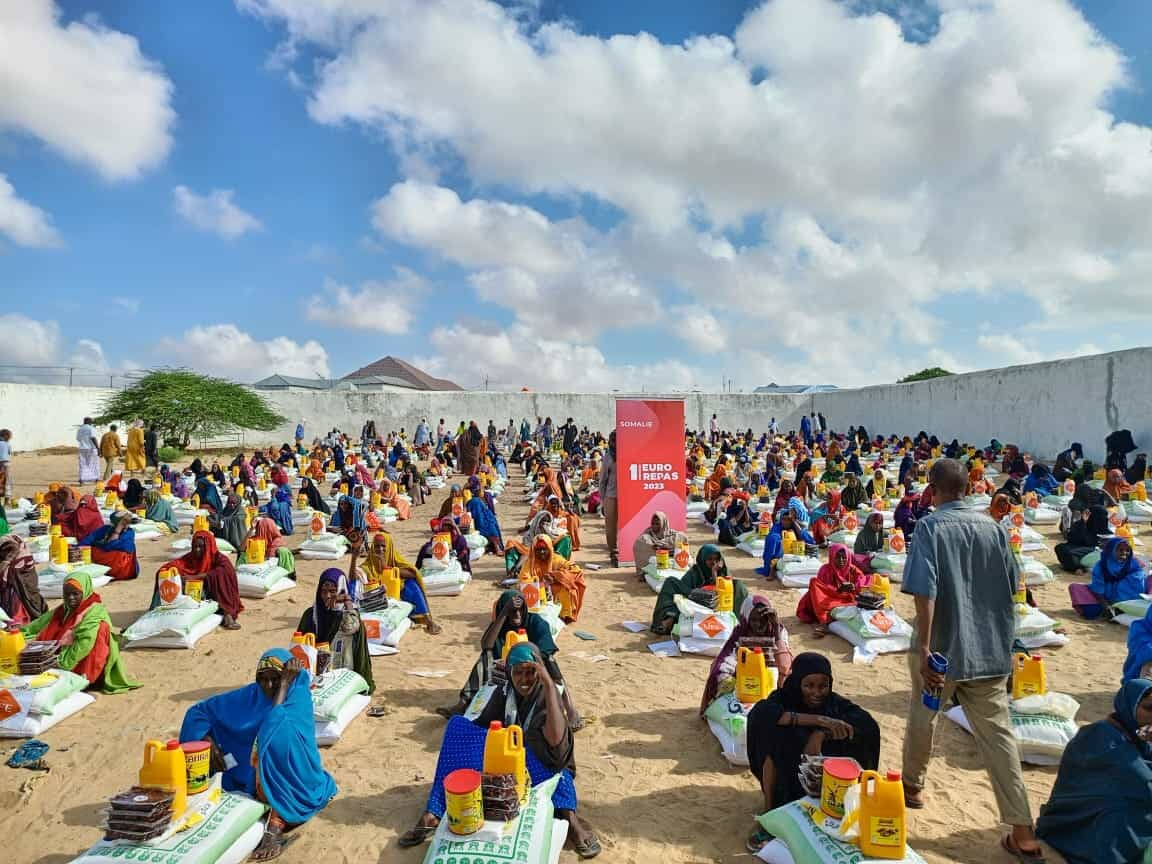
Conflict disrupts global food supply chains, causing food insecurity that reaches far beyond the areas of tension. The war in Ukraine since 2022 is a clear example. Production and exports from the country, one of the world's largest exporters of wheat, sunflower, maize and rapeseed, were thrown into complete disarray. This sent food prices soaring, particularly in regions that depend on these imports, such as Africa and the Middle East.
Did you know? Somalia depends entirely on wheat imports from Russia and Ukraine, while Sudan gets 75% of its wheat from these two countries.
Forced displacement and food insecurity
In times of war, millions of people flee their homes. These mass displacements create humanitarian crises in which access to food becomes critical. In refugee camps, the food provided mainly by international organisations is often not enough.
In 2023, the conflict in Sudan, which broke out in April, was a stark example. Fighting between the Sudanese army and the Rapid Support Forces (RSF) led to a severe humanitarian crisis. 2.1 million people sought refuge in neighbouring countries such as Chad, Egypt and South Sudan. Far from home, they are all surviving in precarious conditions. Drinking water infrastructure is inadequate or non-existent. Food and medicine are desperately scarce. Children are increasingly vulnerable to epidemics.
Did you know? After 15 months of conflict, the Famine Review Committee (FRC) confirmed famine conditions in Zamzam camp, in North Darfur, which is home to more than 400,000 displaced people.
Food insecurity and climate change: a driver of conflict
Food insecurity can also cause conflict. When people don't have enough to eat, they fight to survive. Hunger drives communities to despair. This can lead to tension, uprisings and, ultimately, war. Climate change plays a crucial role in making these tensions worse.
Repeated droughts, erratic rainfall and extreme temperatures directly affect farming. Crop yields fall because of soil degradation, water shortages and weather conditions. Food insecurity deepens, leading to rising malnutrition and poverty. This precarious access to food can push people to migrate or to clash over resources.
In West, East and Central Africa, for example, prolonged drought has fuelled the rise of intercommunal conflict. Farmers and herders fight over the few resources left: water, land and pasture.
What's more, young people, often deprived of economic opportunities, are more vulnerable to recruitment by armed groups. Where famine is rife, joining these groups can seem like the only way to survive. In this way, hunger directly feeds cycles of violence.
Did you know? The Sahel is at the heart of a rapidly worsening crisis, marked by an unprecedented surge in armed violence, made worse by recurring climate events. The situation has cut cereal production by 25% and forced nearly five million people to flee their homes, including 1.8 million in Burkina Faso and 1 million in Chad. Heavy rain and flooding in 2022 killed 379 people and affected around 1.9 million others.
Ensuring global food security despite conflict
It is not too late to transform the future of these battered countries, to bring back hope to people in need and to secure their access to food. How? By strengthening the links between humanitarian work, development and peacebuilding. But that's not all. We urgently need bold strategies to mitigate and adapt to the effects of climate change!
First, ending conflict is a priority. Peace is the essential condition for overcoming food insecurity. Peace agreements must include strategies to rebuild farming infrastructure and revive the rural economy.
Humanitarian aid also plays a vital role. International organisations such as the World Food Programme (WFP) work tirelessly to bring food into conflict zones. Their work saves millions of lives every year. But emergency aid is not enough. We must invest in lasting solutions.
Building resilient food systems is crucial. That means supporting smallholder farmers, improving rural infrastructure and guaranteeing access to seeds and farming equipment. Modern technologies such as drip irrigation and precision farming can help boost productivity in conflict-affected areas.
Education is also part of the solution. By teaching younger generations sustainable farming practices, we can build a more resilient future. Agricultural training programmes and local cooperatives can help farmers diversify their crops, improve their yields and make their communities more resilient to crises.
At LIFE, we respond to emergencies, but we also make sure communities can rebuild. We have been working in Palestine for many years, and since the conflict escalated we have redoubled our efforts to help people in Gaza (distributing food parcels, hygiene kits, toys, medicines and more).
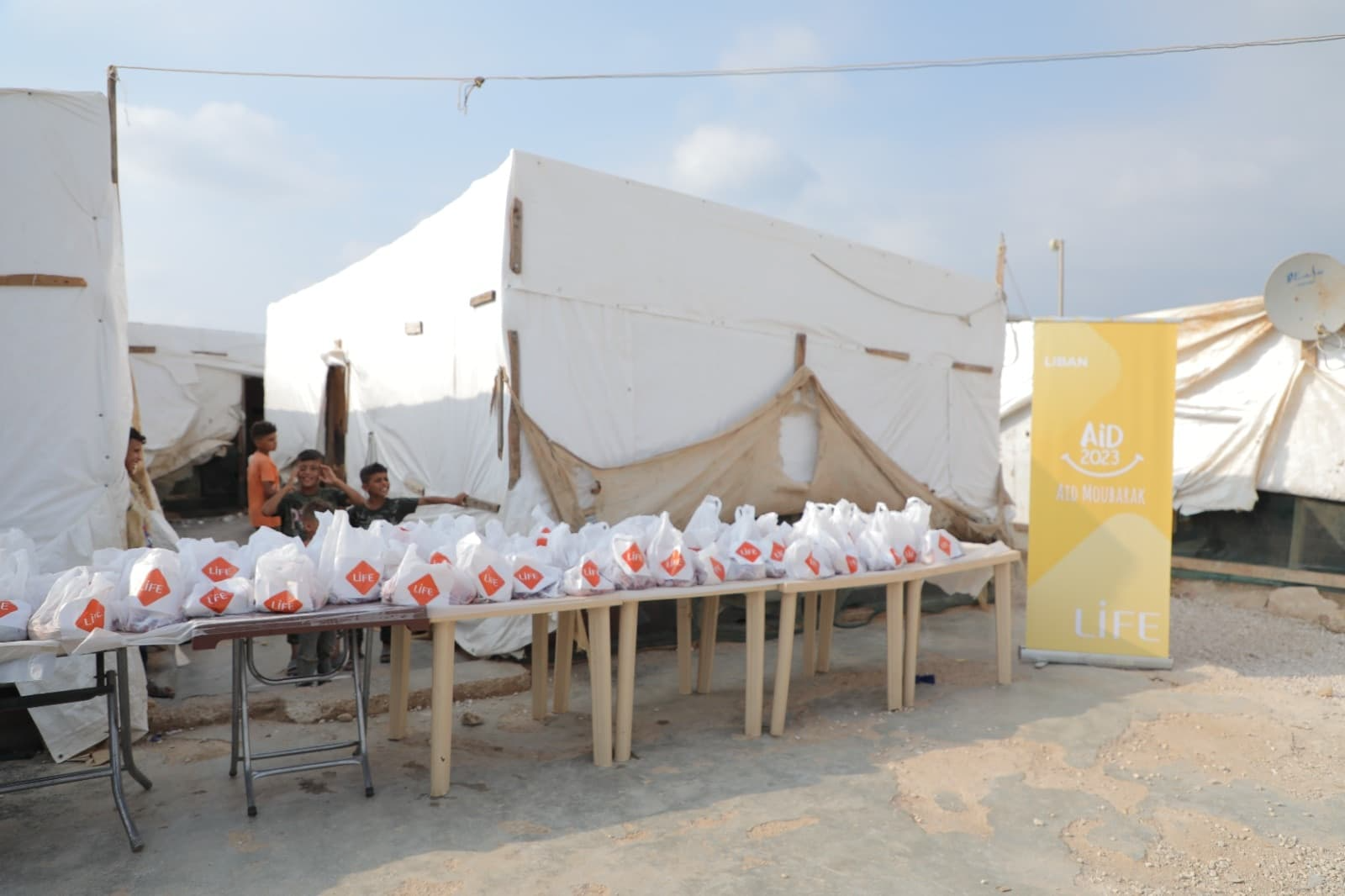
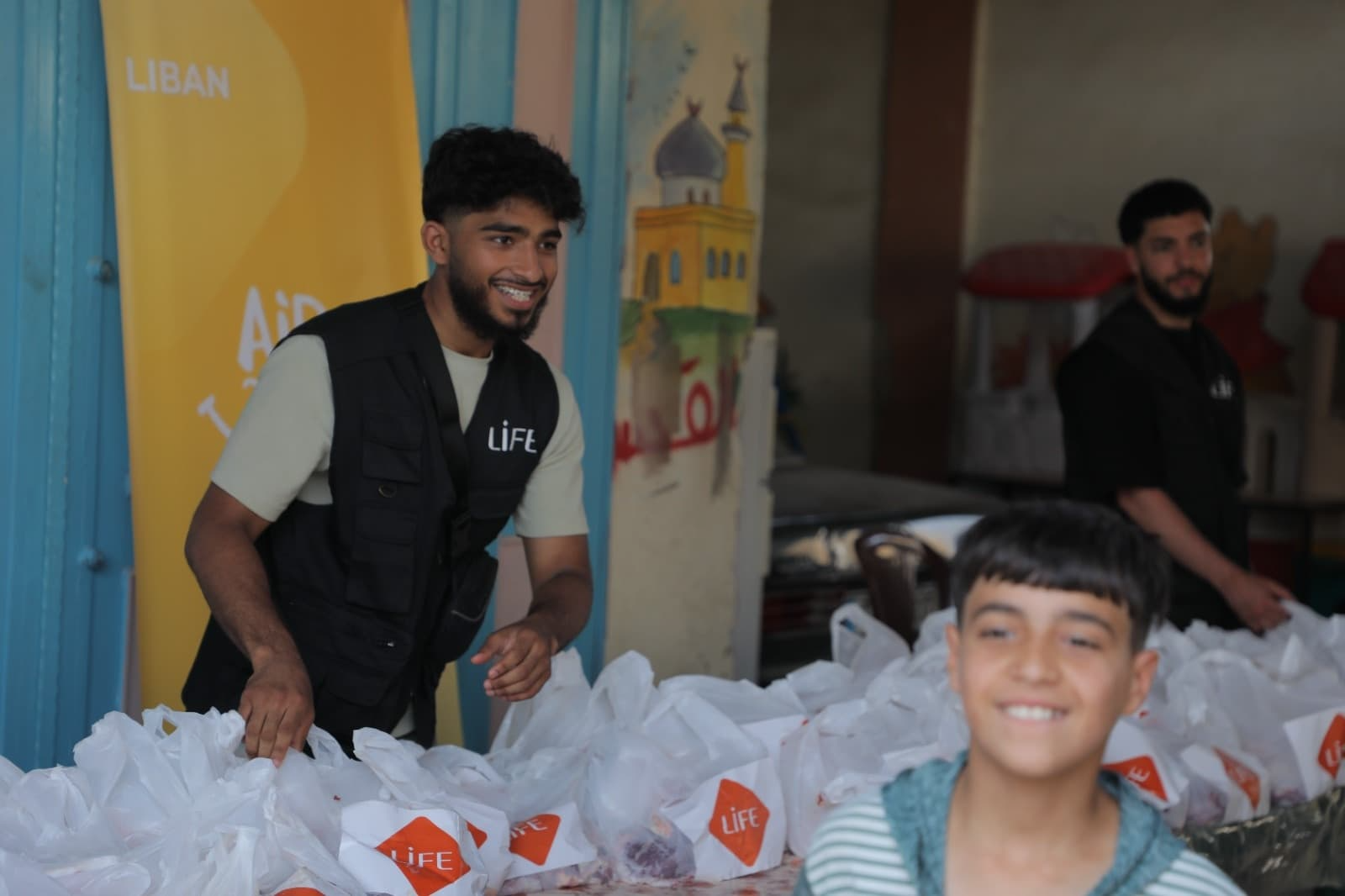
In Lebanon, in Abu Ibrahim camp, where many Syrian refugees have settled, we are doing everything we can to improve their living conditions: building water tanks and a solar panel system for a borehole, installing latrines and septic tanks, laying gravel on paths, replacing tent tarpaulins and more. We also try to give children hope by offering them fun activities and supporting their return to school with school kits.
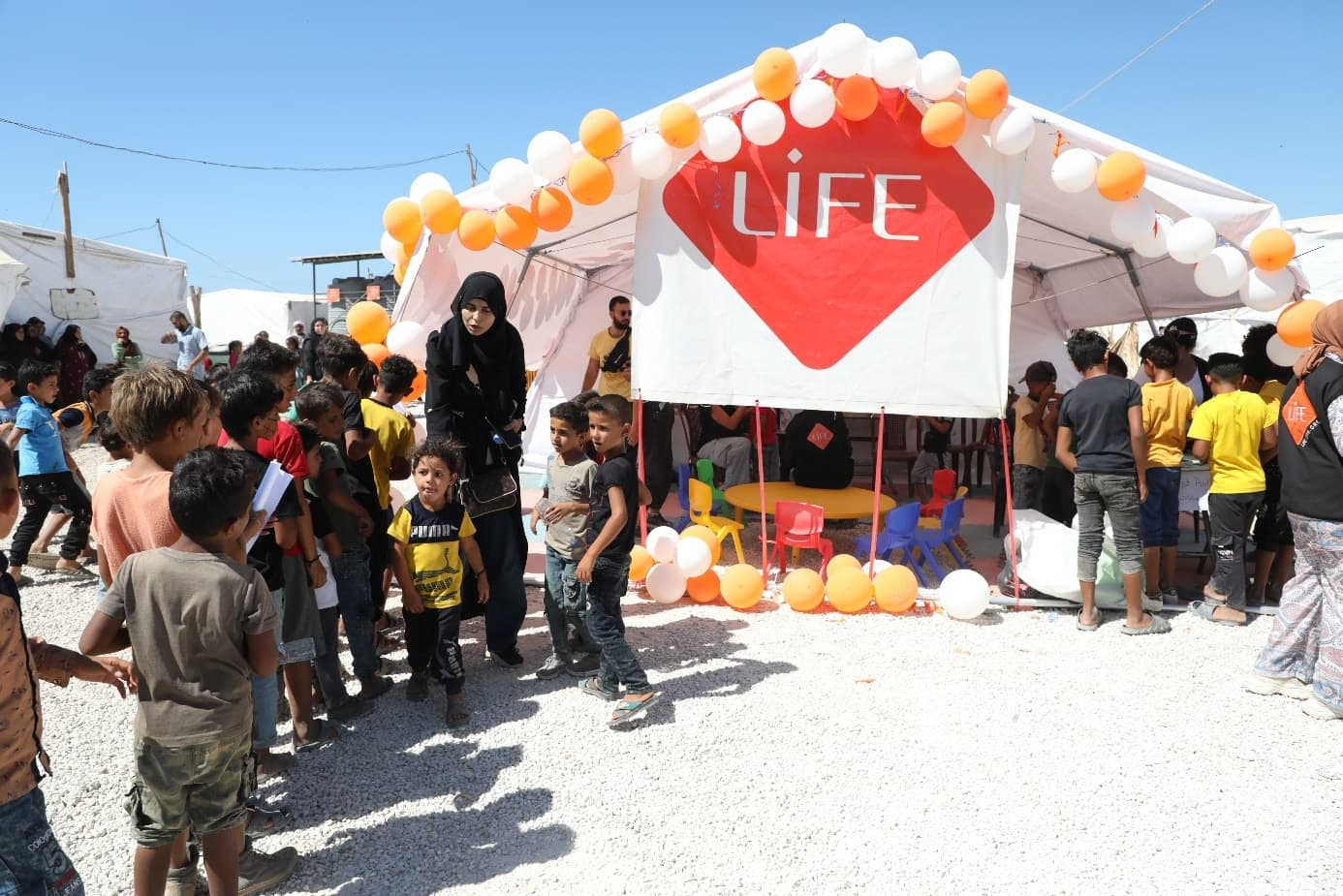
In many countries, we also do everything we can to build resilience and empower people in need, working on several fronts: the environment and tackling climate change, water and education. Our projects are many, and built to last.
International cooperation: hope for the future
Finally, international cooperation is crucial to solving this problem. Governments, NGOs and international institutions must join forces. Initiatives such as the United Nations Sustainable Development Goals (SDGs) aim to end hunger by 2030. Ambitious as this goal may seem, it is achievable with strong political will and the mobilisation of resources.
Local solutions must also be encouraged. Communities are often best placed to understand and solve their own challenges, so it is essential to involve them in decision-making. That means supporting women, who are usually the first to suffer from food insecurity, yet play a central role in producing and distributing food.
Humanity has overcome many crises in the past. Hunger and conflict can be resolved, but it takes joint effort. The solutions exist and are within our reach. The road is long, but there is hope. There are many examples of peace restored and farming revived after conflict. Rwanda, for example, has made an impressive recovery since the 1994 genocide. By focusing in particular on peace and agricultural development, the country has made considerable progress in the fight against hunger.
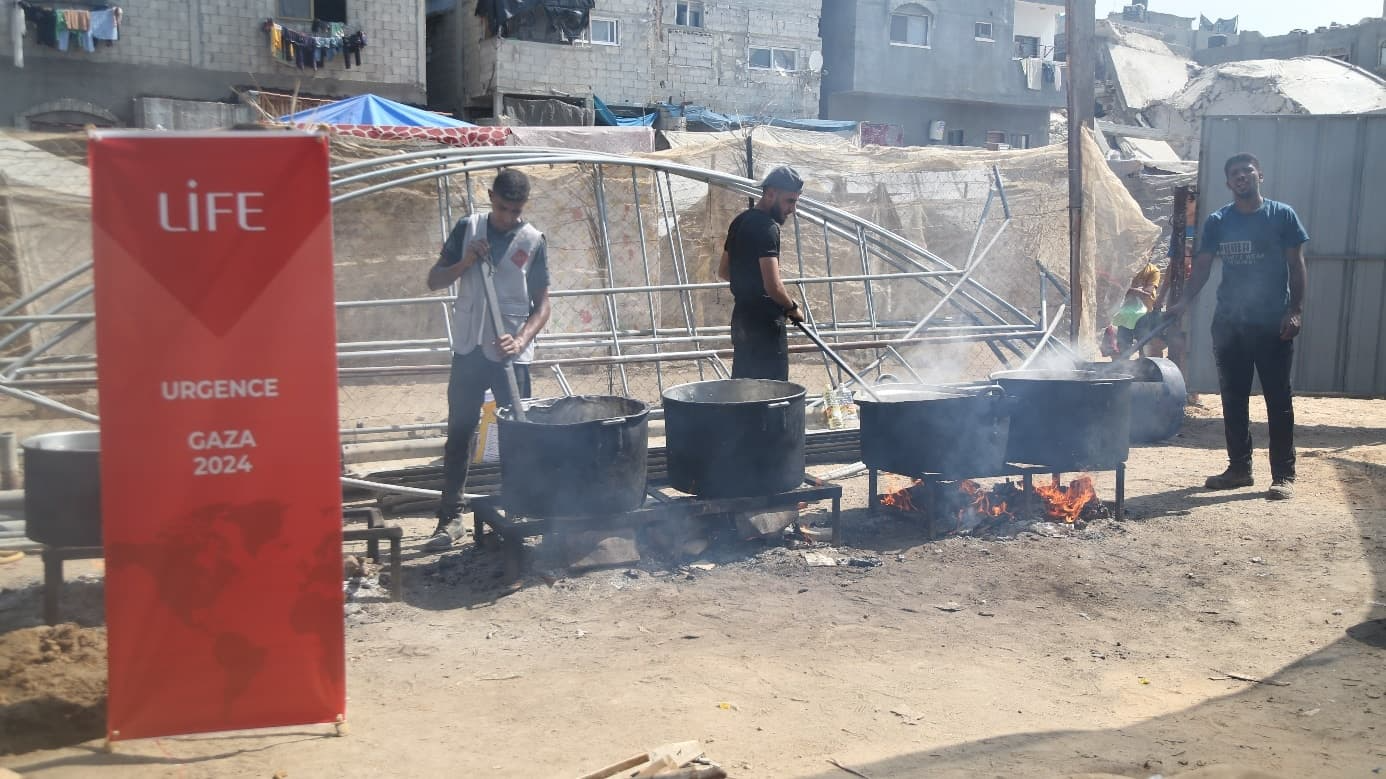
Every gesture counts. Every effort to promote peace, support farmers or provide humanitarian aid can make a difference. Together, we can build a world with no place for war or hunger. Food insecurity is not inevitable. It is a challenge, certainly, but one we can rise to. Peace, cooperation and global solidarity are the keys to a future without hunger.
Together, we can make a difference.
Ready to help?
I start a fundraiser
Support the causes close to your heart by starting an online fundraiser with LIFE.
Raising funds for a charity has never been easier!