Clean energy: a sustainable alternative for a better future?
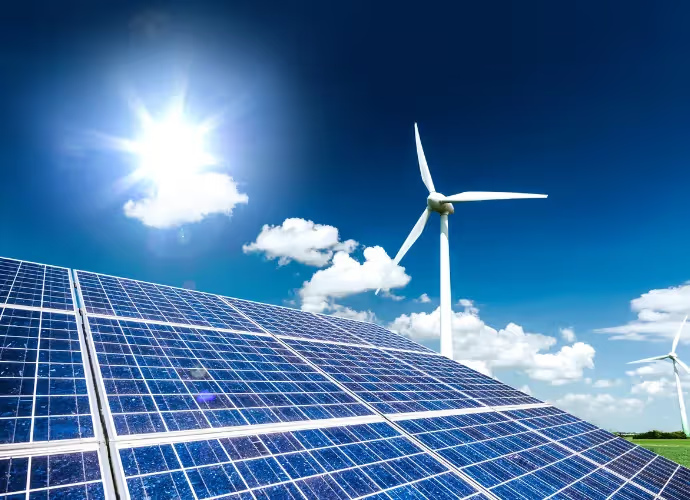
Imagine a world where the air is no longer polluted, where rivers run cleaner and wildlife thrives instead of choking under clouds of toxic smoke. That is the world we can build by turning our backs on fossil fuels. Countries, charities and citizens alike: by joining forces, we can break with the old habits that have done such deep damage to our environment. The answer lies in what we call clean energy. What is it? Why has it become essential? And is it a sustainable approach?
What is clean energy?
Clean or green energy is an energy source that produces few or no pollutants when it is used. It is generally low-carbon, meaning it does not emit greenhouse gases. Perhaps you have heard more about renewable energy? The two are often confused. But not all clean energy counts as renewable: in other words, it is not necessarily replenished naturally and endlessly.
So what counts as green energy?
Solar energy
It uses the sun's rays to generate electricity through photovoltaic or solar panels.
Geothermal energy
It draws heat from the ground. That heat warms industrial buildings via power plants, or produces electricity for households via a heat pump.
Biomass energy
It turns waste into biogas, biofuels and other bio-based fuels. It is the second most widely used green energy in France, after hydropower.
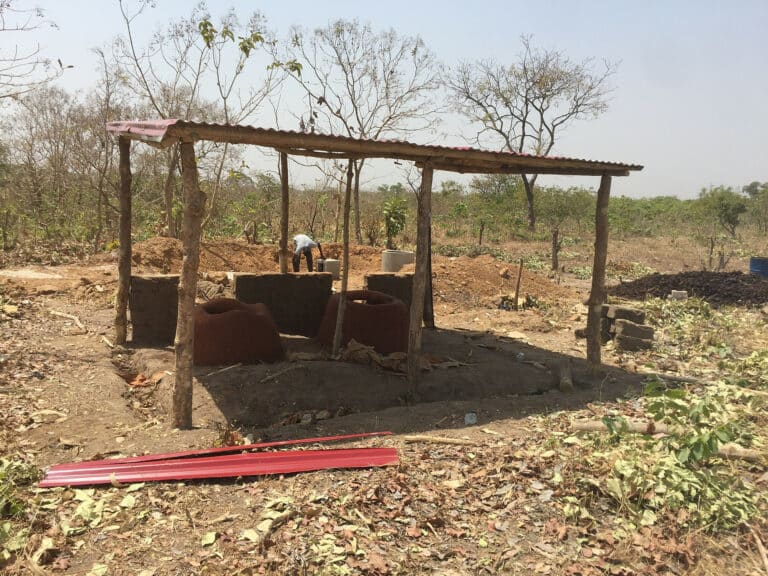
At LIFE, we run Green Initiatives that support sustainable livelihoods for many communities. Among them, we focus on turning organic waste into energy. In Benin, for example, two biodigesters have been built to produce household gas. Local people have learned about protecting natural resources and been trained to use the biodigesters.
Wind energy
It uses the wind to turn the blades of wind turbines, which can be installed on land or at sea.
Hydroelectric energy
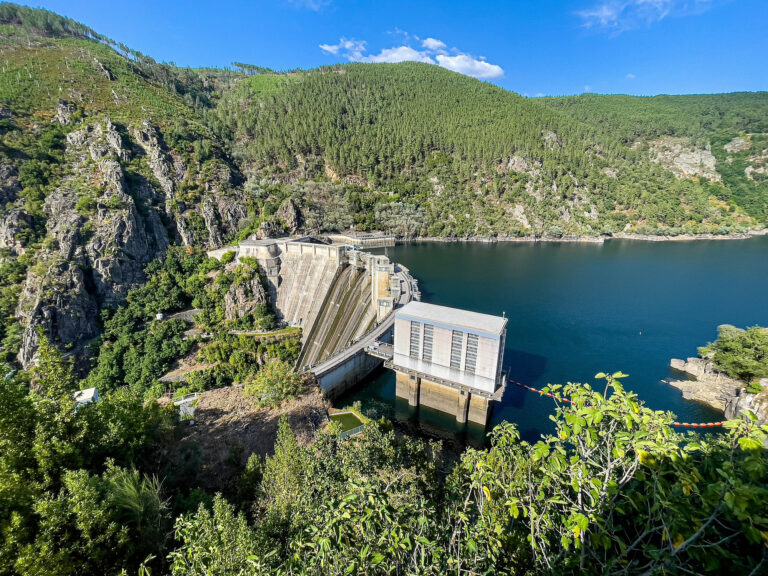
It is produced by harnessing water, through its currents or with dams.
The special case of nuclear power and gas
Nuclear energy produces very little CO2. However, it is not considered clean, because it generates large quantities of radioactive waste. That is why it remains highly controversial. Likewise, natural gas does not emit many air pollutants, but it comes from fossil resources, so it is neither clean nor renewable!
Fossil fuels vs green energy
Brace yourself! 81% of the energy used worldwide still comes from fossil fuels, particularly oil, coal, gas and nuclear. In France, they account for 60% of our energy consumption. These energy sources will all run out, and they are responsible for a large share of carbon dioxide emissions and therefore for climate change, water shortages and the decline of biodiversity.
With demand for energy rising, fossil resources running out and the environment urgently needing protection, we all need to roll up our sleeves and work towards the shift to green, renewable energy.
In 2022, these accounted for 26% of primary energy production in France. The good news is that they are getting cheaper and their share is growing, but there is still a long way to go. France is lagging behind in developing clean and renewable energy. To catch up, it has set ambitious targets for 2030, especially for solar and wind power.
Is clean energy sustainable?
To answer that, we first need to understand what "sustainable" means. Yet there is no universal definition of sustainability when it comes to energy. Whatever the case, it goes beyond environmental and technical considerations alone.
For a clearer picture, we can turn to the 1987 Brundtland Report, which defines sustainability as development that meets people's present needs while taking into account those of future generations. The sustainability of green energy therefore covers how long it lasts, but also the social and economic impacts of producing and using it. That can include job creation, social inclusion, reducing fuel poverty, the impact on the local economy, and more.
In the light of this, are solar, wind and hydroelectric power sustainable alternatives? It is not quite that simple!
The challenges of green energy
All clean energy is, of course, more sustainable than fossil fuels. The sun will keep shining for a long time, the wind will keep blowing and the Earth's internal heat will remain available. These sources have a low carbon footprint, with near-zero greenhouse gas emissions, but there are a few caveats.
- First, the materials used to turn them into electricity can have an environmental impact: extracting raw materials to make solar panels or wind turbines, transport, and so on. Everything must be done to minimise these impacts across the whole life cycle of these materials. Research into alternatives and recycling can help make them more sustainable.
- Secondly, some clean energy can take up a lot of space, particularly wind farms and solar power plants. Here it is important to take biodiversity and other potential uses of the land into account.
- What's more, to use clean, renewable energy on a wide scale, we need to be able to store energy so that it is available all year round. Sources such as wind and sun are intermittent. The problem is that producing these batteries also takes a lot of resources.
To move towards a sustainable energy transition, we must redouble our efforts and keep supporting and investing in research and development. This is how the world will find potential solutions to these challenges, making clean energy more viable in the long term.
Towards using less energy
Developing green energy is essential, but we also need to work together on the root of the problem. We must drastically cut our energy consumption so that clean energy can meet our needs.
Changes in behaviour are one of the key factors in the IEA (International Energy Agency) scenario for reaching net zero greenhouse gas emissions by 2050! Energy efficiency and energy saving are on the agenda. Transport in particular must cut back. Our reliance on cars, even electric or hydrogen ones, needs to be reduced.
Clean energy is not just a sustainable alternative to fossil fuels: it is the path to a better future. It helps curb greenhouse gas emissions and supports long-term energy security. It is our answer to the environmental issues and energy challenges ahead of us. These are challenges we must take on together. Every small action counts; every innovation, every effort towards a global, balanced approach brings us a little closer to full sustainability. Together, we can shape a cleaner, greener and brighter future for generations to come. This is our commitment, our responsibility and our legacy for a healthier planet.
Together, let's rise to the challenge of the energy transition
Ready to help?
I start a fundraiser
Support the causes close to your heart by starting an online fundraiser with LIFE.
Raising funds for a charity has never been easier!