Cut-price wells: the scandal of the “wells of shame”
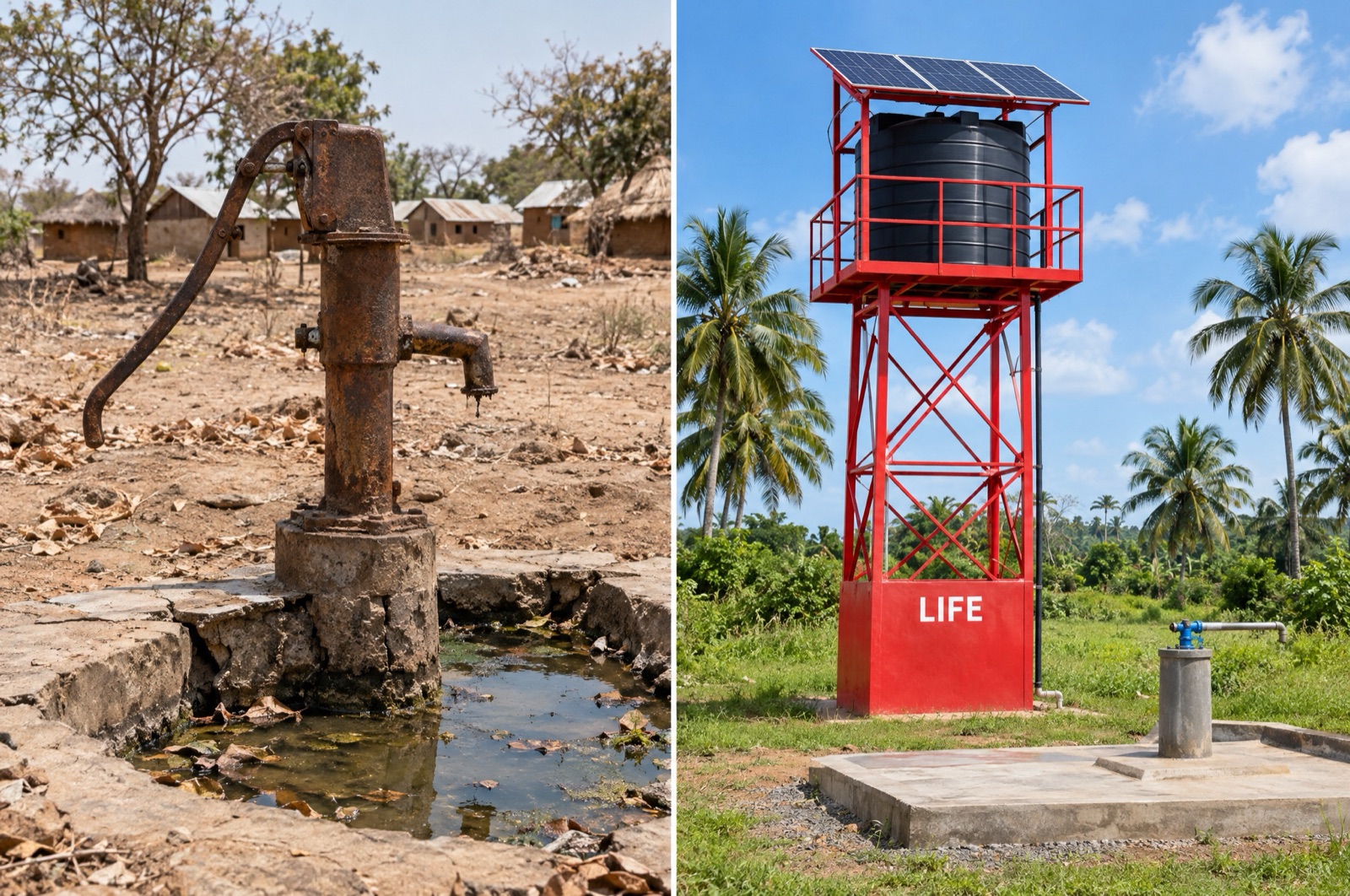
In brief
- To advertise headline prices sometimes below 100 euros, some wells are dug with no geological survey, with low-grade materials and no follow-up whatsoever.
- As early as 2009, the RWSN estimated that 30 to 36% of hand pumps in sub-Saharan Africa were out of action.
- In Ghana, almost 1 in 5 water points is currently not working (WPdx data, July 2026).
- Between 1.2 and 1.5 billion dollars in donations have been lost in abandoned hand pumps (IRC WASH and IIED, 2009).
- A lasting water point requires a survey of the water table, a deep borehole, two separate water analyses and a local management committee.
Social media is awash with the images: wells opened with great fanfare, promises of clean drinking water at unbeatable prices. On paper, it's an irresistible offer. With just a few clicks, donors believe they are giving safe water to an entire community.
But on the ground, the reality is very different. Behind these slick publicity campaigns and rock-bottom offers lies a silent humanitarian scandal, denounced by many organisations: the “wells of shame”.
The illusion of “ever cheaper”: what lies behind the scenes
To advertise very low prices and attract donors, some organisations cut corners on the essentials: engineering, health safety and durability.
1. No geological surveys or bacteriological testing
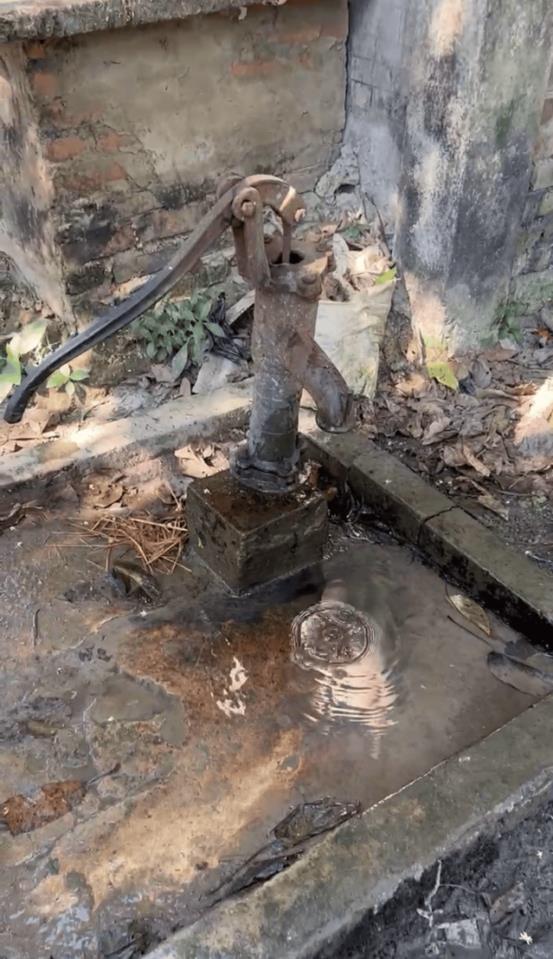
Many low-cost wells are nothing more than shallow holes, dug without any prior survey. By the first dry season, the shallow water table dries up, leaving the well completely dry and therefore useless. Worse still, this surface water is very often contaminated by wastewater, nearby latrines or pesticides. Instead of saving lives, these wells supply local communities with unsafe, deadly water.
2. Low-grade, unsuitable materials
Poor-quality PVC pipes, mechanisms that rust, flimsy hand pumps unfit for heavy community use, concrete that crumbles within months… The materials used cannot withstand the test of time or the weather.
3. The “put up a plaque and leave” syndrome
Once the opening photo has been taken and posted online, there is no follow-up at all. When a joint breaks or a part wears out, nobody locally has the spare part or the technical know-how to repair it. Without local training, the slightest fault, however minor, becomes fatal.
The result? The well is abandoned altogether, joining the “well graveyard”. In 2009, the Rural Water Supply Network (RWSN), a global network backed by UNICEF, the World Bank and WaterAid among others, published a report revealing an already alarming figure: almost a third (30 to 36%) of hand pumps installed in sub-Saharan Africa were out of action. More than 15 years on, and despite repeated warnings, the situation remains tragically relevant: thousands of low-grade installations are abandoned every year.
The global WPdx platform (Water Point Data Exchange), which maps and records hundreds of thousands of water points across Africa as open data, paints a similar picture: in several countries, including Sierra Leone, Liberia, Niger, Ghana and Uganda, a significant proportion of listed water points are now non-functional or abandoned.
In Ghana, almost 1 in 5 water points out of action
In Ghana, WPdx data published on OCHA's HDX humanitarian portal and updated on 26 July 2026 records:
| Status of water points in Ghana | Number |
|---|---|
| Functional | 20,831 |
| Non-functional | 5,128 |
| Status unknown | 408 |
| Non-functionality rate | ≈ 19.8%, or almost 1 in 5 water points |
The excesses of the “charity business”
How did it come to this? This phenomenon is the direct result of the excesses of the charity business, in which the aid sector adopts the methods of mass retail. By turning fundraising into a race for impulse purchases on social media, some organisations have turned the cause of water into a loss leader. To win over donors and advertise unbeatable prices, overall quality is sacrificed. The hunt for the lowest price then takes precedence over the demand for real impact.
To grasp the scale of this problem, it is essential to look at the colossal sums this market of public giving represents. According to its public annual report available on its website, in 2025 alone a single NGO, Charity Water, raised 58.6 million dollars (around 50.8 million euros) for water access projects. With 63% of that amount coming from individual donors, the organisation raised around 36.92 million dollars (roughly 32 million euros) directly from members of the public to fund safe water points.
As early as 2009, research by IRC WASH (International Water and Sanitation Centre) and IIED (International Institute for Environment and Development) estimated that between 1.2 and 1.5 billion dollars in donations had been lost in abandoned hand pumps across sub-Saharan Africa over the preceding decades.
To feed the stream of content and satisfy donors' appetite for instant gratification, some charities and NGOs have themselves taken the easy “low-cost” route. It sells better to announce “100 wells built” with headline prices sometimes below 100 euros than to fund a single lasting, safe and technically verified installation. By comparison, the average cost of a water project at Charity Water, a well-established NGO, is around 10,000 euros.
The water giving market in figures
- 58.6 million dollars raised in 2025 by Charity Water, 63% of it from individual donors.
- 1.2 to 1.5 billion dollars in donations lost in abandoned pumps in sub-Saharan Africa (IRC WASH and IIED, 2009).
- Less than 100 euros: the headline price of some low-cost wells, compared with around 10,000 euros for an average water project at Charity Water.
This race to be “ever cheaper” creates a dangerous illusion on several levels:
- It leads the public to believe that providing safe drinking water is a simple, cheap operation.
- It devalues real engineering: by normalising absurdly low prices, this race to the bottom penalises serious NGOs, wrongly accused of being “too expensive”.
- It tramples on the dignity of the communities it claims to help, reducing them to a backdrop for fleeting opening videos before leaving them to fend for themselves at the first breakdown.
The true cost of safe water: a commitment to quality
Contrary to popular belief, building a lasting water point cannot be improvised, nor can it come at a token cost. Providing safe water to a village requires a rigorous chain of expertise.
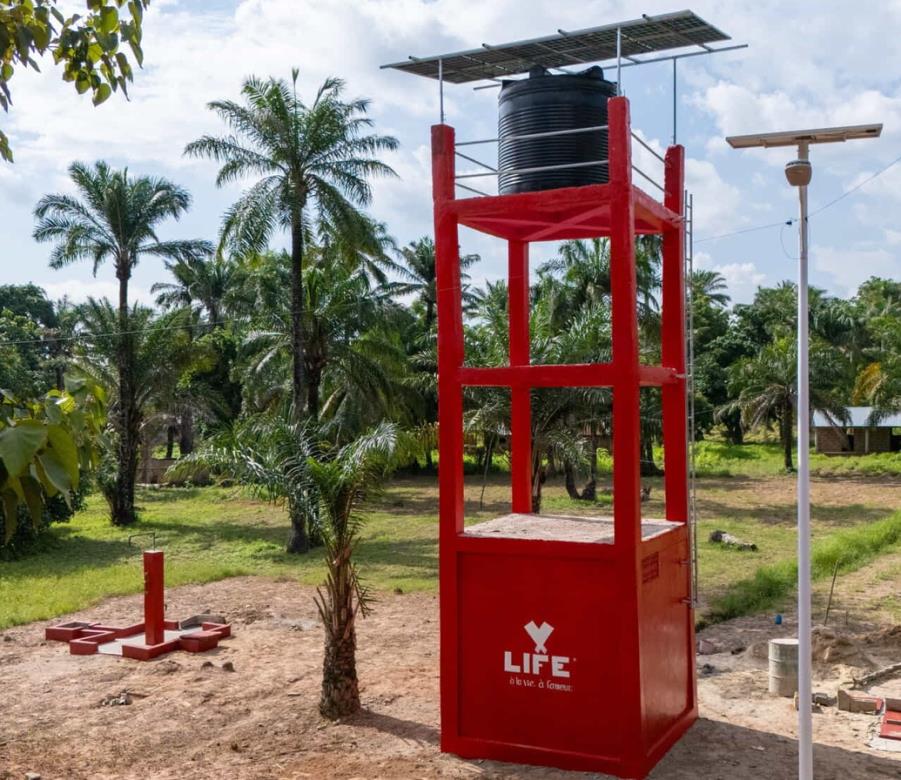
Many organisations, such as LIFE, follow strict protocols that are essential to protect people's health:
- finding a reliable water table;
- deep drilling;
- quality materials;
- water sampling, with both physico-chemical and bacteriological analysis;
- installing a filtration system where needed;
- setting up a management committee to keep the installation running for the long term.
After all, a successful water project is one that belongs to the community.
Before you give, check the method
Water is a fundamental human right, but providing it demands responsibility, ethics and professionalism. Rural communities pay dearly for the illusion of a cheap well: abandoned installations and potentially deadly diseases caused by unsafe water. In the face of the “charity business”, true generosity measures its impact not by the number of wells shown on a screen, but by water that is still flowing years later. Before you give, one simple habit can make all the difference: check the method behind the promise. It is the only way to ensure dignified, lasting access to water.
Fund a water point that lasts
Water table survey, deep drilling, two water analyses and a local management committee: with LIFE, every well is designed to keep flowing for years to come.
Build a well with LIFE →Frequently asked questions
What are the “wells of shame”?
They are wells built very cheaply to attract donors, with no geological survey, low-grade materials and no follow-up. They dry up in the dry season, often supply contaminated water and are abandoned at the first breakdown.
Why do so many hand pumps break down?
Without spare parts or technical skills on site, the slightest fault becomes permanent. As early as 2009, the RWSN estimated that 30 to 36% of hand pumps in sub-Saharan Africa were out of action. In Ghana, 2026 WPdx data still shows almost 1 in 5 water points not working.
How much does a proper water project cost?
Far more than the sub-100-euro headline prices seen on social media. By comparison, the average cost of a water project at Charity Water is around 10,000 euros, because it covers the survey, drilling, testing and the long-term upkeep of the installation.
How can I check that a well I fund will last?
Check the method behind the promise: finding a reliable water table, deep drilling, quality materials, both physico-chemical and bacteriological water analysis, filtration where needed and a local management committee to maintain the installation.
Ready to help?
I start a fundraiser
Support the causes close to your heart by starting an online fundraiser with LIFE.
Raising funds for a charity has never been easier!